
Breakfast & Brunch
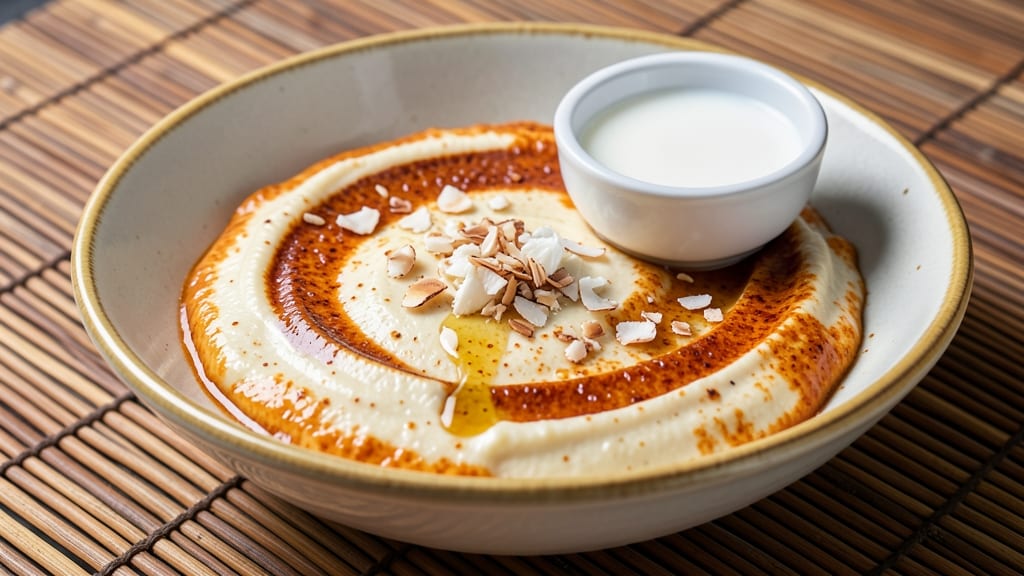
This Vietnamese egg butter recipe transforms simple ingredients into a fragrant, golden spread that's perfect for sandwiches, desserts, or breakfast toast. The secret lies in tempering eggs with coconut milk and turmeric, creating a rich, velvety yolk base that balances sweetness and earthy warmth.
I developed this version after years of perfecting the texture—silky yet stable enough to hold its shape when spread.
The magic happens when toasted rice powder adds a delicate crunch, while a touch of coconut sugar enhances the natural sweetness without overpowering the egg's richness. Traditional recipes use fresh turmeric for vibrant color, but ground turmeric works just as well for convenience.
The result is a spread that's creamy, aromatic, and complex enough to stand alone or complement savory dishes.
What makes this recipe special is its versatility—use it as a glaze for bánh đậu xanh, a sandwich spread with pickled vegetables, or a sweet topping for toasted bread. The egg butter keeps well in the refrigerator for up to a week, making it ideal for meal prep.
Each batch delivers a perfect balance of textures and flavors that will have you reaching for the jar time and again.
For an extra touch of authenticity, toast the rice powder in a dry pan until golden before mixing it in. This step elevates the spread from good to exceptional, adding a subtle nutty depth that pairs beautifully with the egg's natural richness.
Let's create this fragrant, versatile treat that brings a taste of Vietnam to your table.
Ingredients for vietnamese egg butter
Six simple ingredients transform into a fragrant, golden spread perfect for sandwiches, desserts, or breakfast toast.
| Ingredient | Amount | Notes |
|---|---|---|
| Large Egg Yolks 🥚 | 6 whole | Freshly separated for best texture |
| Unsweetened Coconut Milk 🥥 | ½ cup | Full-fat for creaminess |
| Ground Turmeric 🌿 | 1 tsp | Bright yellow for vibrant color |
| Coconut Sugar 🍯 | 2 tbsp | Enhances natural sweetness |
| White Rice Flour 🌾 | ¼ cup | Toasted until golden |
| Unsalted Butter 🧈 | 2 tbsp | Cold for proper tempering |
| Fresh Ginger 🧄 | 1 tbsp | Finely grated, aromatic |
| Vanilla Extract 🌸 | ½ tsp | Pure vanilla for depth |
| Salt 🧂 | ¼ tsp | Fine sea salt preferred |
| Lemon Juice 🍋 | 1 tsp | Freshly squeezed |
| Toasted Sesame Oil 🫒 | 1 tsp | For authentic aroma |
The egg yolks are the heart of this recipe—freshness matters. Grab the largest eggs you can find at Whole Foods or your local grocery store, and separate them carefully to avoid any whites mixing in. Coconut milk should be full-fat for that rich, velvety texture; Thai Kitchen or Native Forest brands work perfectly. The turmeric is non-negotiable for that signature golden hue, but if you're feeling adventurous, fresh turmeric root grated finely will give even deeper flavor. Toasting the rice flour in a dry pan until golden is where the magic happens—it adds that nutty depth that makes this spread truly exceptional.
No coconut sugar? Honey or maple syrup will work in a pinch, though coconut sugar's caramel notes are ideal. Fresh ginger is best, but if you're using powdered, reduce the amount by half—it's much more concentrated. For the butter, unsalted is key, but if that's all you have, just omit the extra salt. The sesame oil might be tricky to find in regular stores, but Asian markets always have it, and it's worth the trip for that authentic aroma. If you can't find it, a tiny bit of toasted sesame seeds will add a similar depth, though not the same flavor punch.
This egg butter keeps beautifully in the fridge for up to 1 week, though it's best used within 3-4 days for peak texture. Store it in a clean, airtight jar to preserve that delicate crunch from the toasted rice flour. For longer storage, it freezes well for up to 3 months—just thaw in the fridge overnight before using. The spread is incredibly versatile, so make a double batch if you're planning to use it for both sweet and savory applications. It's especially delicious when slightly warmed through before spreading, making it perfect for quick breakfast prep.
Why You'll Love This Recipe
- No-Fuss Blend: I swear by this recipe because it’s basically a 5-minute whisk job—just yolks, coconut milk, and a pinch of turmeric. No straining, no waiting, just smooth, golden perfection every time.
- Golden Creamy Magic: That first bite of the turmeric-infused richness? It’s like a hug in butter form. The coconut sugar balances the earthy warmth, and the rice flour gives it that silky, melt-in-your-mouth texture.
- Breakfast to Dessert: Spread it on toast for a sweet start, drizzle it over coconut rice for lunch, or use it as a glaze for roasted veggies. Honestly, I’ve even used it in curries—it’s that versatile.
- Budget-Friendly Luxury: A jar lasts me weeks, and the ingredients cost next to nothing. Coconut milk and eggs are pantry staples, and the turmeric adds color and health benefits—no waste, just flavor.
Step-by-step instructions for Vietnamese egg butter
This technique transforms simple ingredients into a luxurious spread with vibrant color and complex flavor.
Toast the White Rice Flour for Nutty Depth
Heat a dry skillet over medium-low heat. Add the 0.25 cup white rice flour and stir constantly for 3-4 minutes until it develops a golden hue and releases a nutty aroma. You'll see small bubbles form and the color shift from pale to toasted wheat.
This toasting step is crucial—it removes the raw flour taste and adds a subtle crunch that mimics traditional Vietnamese egg butter textures. Keep your eye on it; if it darkens too quickly, reduce the heat immediately. Once golden, transfer the toasted flour to a small bowl and set aside to cool slightly.
Infuse the Coconut Milk with Aromatics
In a saucepan, combine the 0.5 cup unsweetened coconut milk, 1 tbsp fresh ginger, and 1 tsp ground turmeric. Warm over medium heat until small bubbles form around the edges (3-4 minutes). The mixture should smell intensely floral and slightly spicy.
Strain through a fine-mesh sieve into a clean bowl to remove any ginger fibers. This infusion creates the vibrant golden color and aromatic base that defines Vietnamese egg butter. Don't skip the straining—those fibers can make the final texture gritty.
Temper the Egg Yolks for Perfect Texture
In a heatproof bowl, whisk together the 6 whole large egg yolks, 2 tbsp coconut sugar, and 0.25 tsp salt until smooth. Place this bowl over a pot of barely simmering water (double boiler method), stirring constantly.
Gradually add the warm coconut milk mixture in a thin stream while whisking vigorously. This slow incorporation prevents the yolks from scrambling. You're looking for a thick, custard-like consistency that coats the back of a spoon. The mixture should be 160°F when fully incorporated.
Finish with Butter and Toasted Sesame Oil
Remove the bowl from heat and whisk in the 2 tbsp cold unsalted butter and 1 tsp toasted sesame oil until fully melted and incorporated. Add the 1 tsp lemon juice and 0.5 tsp vanilla extract, whisking until smooth. The butter should create a glossy sheen on the surface.
For the final touch, gradually whisk in the toasted rice flour until completely dissolved. The mixture will thicken noticeably—this is normal. Taste and adjust seasoning if needed, then transfer to a clean jar. Allow it to cool to room temperature before refrigerating for at least 2 hours to set properly.
Pro Tips For Making Vietnamese Egg Butter
- Whisk Yolks Cold: Grab those egg yolks straight from the fridge—room temperature makes them greasy and hard to control. I learned this the hard way when my first batch turned into a sticky mess instead of a smooth paste.
- Toast the Turmeric: Bloom that ground turmeric in the coconut milk for 2 minutes before adding anything else—it deepens the color and flavor. Skip this, and you’ll end up with a pale, bland butter that looks like it’s missing something.
- Simmer Low and Slow: Once the rice flour slurry hits the pot, drop the heat to medium-low and stir like your life depends on it. Too hot, and you’ll get lumps; too fast, and the texture turns gummy instead of velvety.
- Sweeten Gradually: Add the coconut sugar in two batches—first when the mixture thickens, then again at the end. Dump it all in early, and you’ll end up with a sugar crust instead of a smooth, balanced spread.
Flavor customization for this dish
Sweet vs. Savory Balance
Adjust the sweetness to your taste by modifying the coconut sugar. For a richer dessert spread, increase to 3 tbsp—this works beautifully with toasted pandan waffles.
For a savory sandwich spread, reduce to 1 tbsp and add ½ tsp fish sauce (like Red Boat) to complement pickled vegetables. The ginger and turmeric already provide natural sweetness, so taste as you go! 🌿
Spice Level Control
Want extra heat? Add ½ tsp chili flakes or 1 tsp sambal oelek when whisking in the toasted rice flour. For a smoky twist, replace ½ tsp toasted sesame oil with ½ tsp Vietnamese fish sauce—it deepens the umami without overpowering.
If you prefer mild, skip the ginger reduction by ½ tsp (use ½ tbsp instead).
Texture Variations
For a smoother spread, blend the cooled mixture in a food processor for 10 seconds—this works well for desserts. For a chunkier texture (ideal for sandwiches), fold in 1 tbsp toasted sesame seeds before refrigerating.
Pro tip: Use a hand mixer instead of whisking for extra airiness, especially if you're making a double batch.
Coconut Milk Swaps
Out of coconut milk? Use ½ cup heavy cream for a lighter texture, but reduce the butter to 1 tbsp to avoid richness. For a vegan version, replace the butter with 2 tbsp vegan butter (like Miyoko’s) and use ½ cup coconut cream instead of milk.
The flavor will shift slightly, but the technique remains the same—just temper the yolks more slowly.
Flavor Layering
Add ½ tsp cardamom or 1 tsp pandan extract for a fragrant twist—cardamom pairs well with desserts, while pandan elevates the tropical notes. For a citrusy kick, zest 1 tsp lemon peel into the warm coconut milk before straining.
If you love floral notes, replace ½ tsp vanilla with ½ tsp rose water (use sparingly—it’s potent!).
Storage Hacks
To prevent graininess when reheating, store in a glass jar (plastic can absorb odors) and add a thin layer of coconut milk on top before sealing. For longer shelf life, freeze in ice cube trays—thaw overnight in the fridge.
If the spread separates after refrigeration, whisk vigorously to restore creaminess. A quick 30-second microwave zap (covered) warms it perfectly for toast. ✨
Nutrition facts
Frequently asked questions
Can I make this Vietnamese egg butter without coconut milk?
Yes! Use ½ cup heavy cream for a lighter texture, but reduce the butter to 1 tbsp to avoid richness. For a vegan version, replace the butter with 2 tbsp vegan butter and use ½ cup coconut cream instead. The flavor will shift slightly, but the technique remains the same—just temper the yolks more slowly.
How do I prevent the egg butter from getting grainy after refrigeration?
Store it in a clean glass jar (plastic can absorb odors) and add a thin layer of coconut milk on top before sealing. If it separates, whisk vigorously to restore creaminess. For reheating, use a 30-second microwave zap (covered) to warm it gently—this preserves the texture better than direct heat.
What's the best way to use this egg butter?
This versatile spread works beautifully on toasted bread with pickled vegetables for savory sandwiches, as a glaze for bánh đậu xanh (mung bean cakes), or as a sweet topping for pandan waffles. For extra richness, warm it slightly before spreading—it becomes even more luscious when slightly melted.
Why does my egg butter look pale instead of golden?
The vibrant golden color comes from the turmeric and toasted rice flour. If your mixture looks pale, ensure you're using ground turmeric (not fresh) and toast the rice flour until golden. For extra depth, add ½ tsp saffron threads (steeped in warm coconut milk for 5 minutes) before straining—this adds both color and floral notes.
Can I make this ahead of time for a party?
This egg butter keeps well in the refrigerator for up to 1 week and freezes beautifully for 3 months. For parties, make a double batch and store it in individual ice cube trays—thaw overnight in the fridge. Serve it at room temperature for the best texture, and pair it with crusty baguettes or steamed rice cakes for an authentic Vietnamese touch.