
Side Dishes
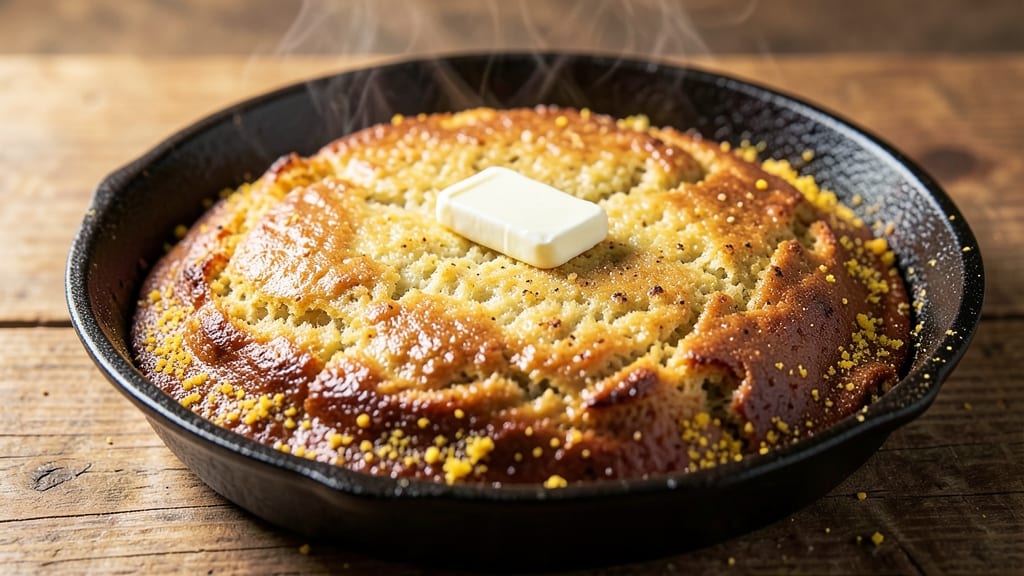
This traditional cornbread recipe with milk and eggs delivers the perfect balance of crisp golden crust and tender, moist crumb that Southern kitchens have perfected for generations.
The secret lies in the simple combination of milk and eggs—creating a texture that’s light yet sturdy, with just the right amount of crunch. I’ve made this recipe countless times, and it never fails to impress, whether served alongside chili, fried chicken, or just as a comforting side.
The magic happens in the oven temperature—baking at 425°F ensures a crisp exterior while keeping the inside soft and fluffy. Unlike some modern cornbread recipes that rely on shortcuts, this version stays true to its roots with just five key ingredients (plus a pinch of salt).
The milk adds richness, while the eggs bind everything together, creating that signature moist crumb that makes it irresistible.
What you’ll end up with is a loaf of cornbread that’s golden on top, slightly crunchy around the edges, and so tender inside it practically melts in your mouth. The aroma alone—warm, buttery, and just a hint of corn—will have everyone at the table asking for seconds.
This is the kind of cornbread that feels like home, with every bite bringing back memories of family gatherings and Sunday dinners.
Best of all, this recipe scales effortlessly—whether you’re feeding a crowd or just treating yourself to a small batch. Once you try it, you’ll never go back to dry, crumbly cornbread again. Let’s get baking!
Ingredients for traditional cornbread recipe with milk and eggs
Five simple ingredients create the perfect golden crust and moist crumb you crave.
| Ingredient | Amount | Notes |
|---|---|---|
| All-Purpose Flour 🌾 | 1 ½ cups | Sifted for light texture |
| Fine Yellow Cornmeal 🌽 | 1 cup | Stone-ground preferred |
| Granulated Sugar 🍚 | ¼ cup | Light brown sugar works too |
| Whole Large Eggs 🥚 | 2 whole | Room temperature preferred |
| Whole Milk 🥛 | 1 cup | Full-fat for richness |
| Unsalted Butter 🧈 | ½ cup | Melted, not watery |
| Baking Powder 🧂 | 2 tsp | Double-acting preferred |
| Diamond Crystal Kosher Salt 🧂 | ½ tsp | Adjust to taste |
| Freshly Ground Black Pepper 🌶️ | ¼ tsp | Freshly cracked preferred |
The cornmeal is non-negotiable—it’s what gives this cornbread that signature texture. Bob’s Red Mill stone-ground cornmeal is my go-to, but any quality brand works. The flour matters too: King Arthur or Gold Medal are reliable choices. Eggs should be at room temperature (takes 30 minutes), and full-fat milk makes all the difference—skip the skim. Butter? Use European-style if you can find it; it stays solid longer and adds better flavor. For the baking powder, Aluminum-free is key—it reacts better with the milk.
No cornmeal? Polenta or fine semolina can substitute, but texture won’t be identical. Skimping on butter? Olive oil at half the amount works in a pinch, though it’ll be less rich. Eggs too expensive? Flax eggs (1 tbsp ground flax + 3 tbsp water = 1 egg) work, but texture will be slightly denser. The sugar? Light brown sugar adds subtle molasses notes—worth the switch if you’ve got it. And that pepper? Freshly cracked is ideal, but pre-ground is fine if that’s all you’ve got.
This batter thickens fast—mix everything just until combined, then stop stirring immediately. Bake in a 9-inch cast-iron skillet for that perfect crust. Leftovers? 3 days in the fridge, 3 months frozen. To reheat, wrap in foil and warm at 350°F for 10 minutes. The crust gets crispy again, and the inside stays tender—just like fresh from the oven.
Why You'll Love This Recipe
- No-Fuss Mix: The dough comes together in one bowl—no fancy steps, no measuring cups overflowing. Just whisk the milk and eggs, fold in the flour and cornmeal, and you’re done. Honestly, I’ve made it while chatting on the phone.
- Rich, Buttery Crumb: That combo of milk and eggs? It keeps the crumb moist but not gummy—like a hug in bread form. The sugar caramelizes just enough to give it a subtle sweetness without overpowering the cornbread’s earthy charm.
- Weeknight to Potluck: Serve it warm with chili for a quick dinner or slice it cold for picnic sandwiches. It reheats like a dream (toast it, even) and freezes beautifully—so you’re always covered, whether it’s a lazy Sunday or a last-minute gathering.
- Pantry Staple Power: Flour, cornmeal, sugar, eggs, milk—these are things you already have. No specialty ingredients, no extra shopping trips. And a single batch stretches for breakfast, lunch, or snacking all week. My budget (and my fridge) thank me.
Step-by-step instructions for traditional cornbread with milk and eggs
Here's how to bake a classic Southern cornbread with a golden crust and tender crumb.
Preheat and Prepare the Pan
Preheat your oven to 425°F for a hot start that creates that signature golden crust. Generously grease an 8-inch square baking dish or cast-iron skillet with the 0.5 cup unsalted butter, rubbing it evenly over all surfaces. The butter should coat the pan completely—this prevents sticking and adds rich flavor. Place the prepared pan in the oven while it preheats, allowing the butter to melt and create an even layer.
I always use cast iron for cornbread because it conducts heat beautifully and creates crispy edges. If you don't have cast iron, a heavy metal baking dish works too. The key is ensuring the pan is hot when you pour in the batter—this creates that coveted crust while keeping the interior moist.
Whisk Dry Ingredients Together
In a medium bowl, sift together the 1.5 cups all-purpose flour and 1 cup fine yellow cornmeal to aerate the mixture and prevent lumps. Add the 2 teaspoons baking powder, 0.5 teaspoon diamond crystal kosher salt, and 0.25 teaspoon freshly ground black pepper, then whisk until fully combined. The baking powder is crucial here—it's what gives cornbread its signature lift and tender crumb.
I always sift the dry ingredients first because this lightens the texture significantly. You'll notice the mixture will look fluffier after sifting, which translates to a lighter, more tender cornbread. Set this bowl aside for now—we'll come back to it after mixing the wet ingredients.
Combine Wet Ingredients
In a separate large bowl, melt the 0.5 cup unsalted butter in the microwave for 30 seconds or until completely liquid. Let it cool slightly, then whisk in the 0.25 cup granulated sugar, 2 whole large eggs, and 1 cup whole milk until smooth and fully incorporated. The mixture should be uniform with no streaks of butter remaining.
Here's the thing—using whole milk instead of buttermilk creates a richer, more velvety texture. The eggs add structure while keeping the crumb tender, and the sugar helps balance the earthy corn flavor. I always use room-temperature eggs for better emulsification with the melted butter.
Mix Wet and Dry Ingredients
Create a well in the center of your dry ingredients and pour in the wet mixture. Using a spatula, gently fold everything together until just combined—you should still see some dry spots in the batter. Overmixing develops gluten and makes the cornbread tough. The ideal consistency should be like a thick pancake batter, slightly lumpy but pourable.
I know it seems weird to leave some dry ingredients unfolded, but this is essential for that perfect texture. The batter should be thick enough to hold its shape when poured but still flow easily. If it's too thick, add 1 tablespoon whole milk at a time until it reaches the right consistency.
Bake to Golden Perfection
Quickly pour the batter into your preheated, buttered pan. The pan should still be hot from preheating—this creates that beautiful crust while keeping the interior moist. Bake at 425°F for 20-25 minutes until the edges are golden brown and a toothpick inserted in the center comes out clean. The top should have a slightly cracked appearance, which indicates proper baking.
Don't open the oven during baking—this causes the cornbread to sink. If you're worried about doneness, trust the temperature gauge more than the time. The internal temperature should reach 200°F for perfect doneness. Let it cool in the pan for 5 minutes before transferring to a wire rack to cool completely.
Pro Tips For Making Traditional Cornbread Recipe With Milk And Eggs
- Mix Dry Ingredients First: The cornmeal and flour need to play nice before the wet stuff joins—whisk them together in the bowl until no streaks remain. I learned this the hard way when my first batch had a gritty surprise because I just dumped everything in. Take the extra 30 seconds now to save yourself from a sad, uneven crumb later.
- Use Room-Temp Eggs: Cold eggs make the batter sluggish, and that’s how you end up with a dense, heavy cornbread instead of the light, tender texture you want. Crack them into a separate bowl first and let them sit for 10 minutes while you measure the milk—trust me, your future self will notice the difference.
- Don’t Overmix the Batter: Once you add the milk and eggs, stir just until the dry ingredients are barely incorporated—lumps are fine. I used to beat this like I was making pancakes, and my cornbread turned out tough as boot leather. The goal is a shaggy, uneven mix, not a smooth paste.
- Preheat the Pan Properly: A cold cast-iron or skillet will steal heat from your cornbread, leaving you with a soggy bottom and a long wait for the top to brown. Get that pan screaming hot for 5 minutes before pouring in the batter—this guarantees a crisp crust right out of the gate. (Yes, even if you’re impatient like me.)
Essential equipment for traditional cornbread recipe with milk and eggs
Cast-Iron Skillet
This is my non-negotiable piece of equipment for cornbread—it creates that perfect golden crust while keeping the inside tender. I use a 10-inch Lodge cast-iron skillet because it retains heat beautifully and develops a natural nonstick surface over time.
If you don’t have cast iron, a heavy stainless steel or ceramic baking dish works too, but cast iron gives that restaurant-quality crust. Pro tip: Preheat your skillet in the oven alongside your cornbread batter for 10 minutes before pouring—this ensures even heat distribution. 🔥
Mixing Bowls
You’ll need two bowls: one for dry ingredients and one for wet. I use stainless steel mixing bowls (like OXO Good Grips) because they’re durable and easy to clean.
The dry ingredients bowl should be medium-sized (about 3-quart capacity) to accommodate the sifting, while the wet ingredients bowl should be large (at least 4-quart) to prevent spills when whisking. A whisk with silicone handles (like Cuisinart) makes mixing the wet ingredients effortless and prevents wrist strain.
Measuring Cups
Precision matters with cornbread, so invest in stainless steel measuring cups with clear markings. I swear by Pyrex glass measuring cups for dry ingredients like flour and cornmeal—they’re lightweight and easy to read. For liquids, a liquid measuring cup with a pour spout (like Farberware) saves messes.
Always spoon flour and cornmeal into the cup and level it off with a knife—packing it down compresses the texture and ruins the crumb.
Baking Powder Scoop
This tiny tool makes a huge difference. A small scoop or spoon (like a 1-teaspoon measuring spoon) ensures you get the exact 2 teaspoons of baking powder without spills or over-measuring. Baking powder is crucial for lift—too much makes cornbread bitter, too little makes it dense.
I keep mine in a small jar with a tight lid to preserve freshness. Store it in a cool, dry place (like your pantry) and replace it every 6 months for best results. ✨
Wire Rack
A wire cooling rack (like Ozeri Touch-Grip) is essential for letting your cornbread cool evenly after baking. Placing it directly on the counter causes the bottom to steam and become soggy. I like racks with non-slip feet to keep them stable while hot.
For extra crispiness, invert the cornbread onto the rack immediately after the 5-minute rest in the pan—this traps heat and enhances the crust.
Optional: Digital Thermometer
While not strictly necessary, a kitchen thermometer (like Thermoworks Smoke) takes the guesswork out of baking. Insert it into the center of your cornbread when the edges look golden—it should read 200°F for perfect doneness. Without one, rely on the toothpick test: a clean pick means it’s done.
I use mine to monitor both oven temperature (should be 425°F) and cornbread internal temp, especially if your oven runs hot or cold. 🌡️
Nutrition facts
Frequently asked questions
Why does this recipe use milk instead of buttermilk?
The milk creates a richer, more velvety texture while keeping the crumb tender—no tangy aftertaste. Buttermilk adds acidity that can make cornbread slightly denser. For a quick swap, add 1 teaspoon lemon juice to the milk if you prefer that tang. The eggs in this recipe already provide enough structure for a perfect crumb without needing the extra acidity.
Can I make this cornbread without eggs?
Yes, but texture will change slightly. Replace the 2 eggs with 2 tablespoons ground flaxseed + 6 tablespoons water (let sit for 5 minutes to thicken). For a lighter version, use 1/4 cup unsweetened applesauce or 1/4 cup yogurt. The eggs help create that signature tender crumb, so expect a denser result without them.
How do I prevent my cornbread from being too crumbly?
Overmixing develops gluten, which makes cornbread tough. Stir just until combined—you should still see dry spots. Also, ensure your baking powder is fresh (6 months or less) and use full-fat milk for moisture. For extra tenderness, brush the top with melted butter right after baking. The key is that 425°F oven temperature—it creates a crisp crust while keeping the inside moist.
Can I make this recipe in a muffin tin?
Grease your muffin tin well and fill each cup 2/3 full. Bake at 425°F for 15-18 minutes until golden. The individual servings work perfectly for brunch or as a side for chili. For extra crispiness, bake them in a cast-iron skillet instead of the tin—just pour the batter into the skillet and bake as directed, then cut into squares after cooling.
What's the best way to store leftover cornbread?
Wrap tightly in plastic wrap or aluminum foil and store at room temperature for 3 days. For longer storage, freeze slices in a single layer on a tray, then transfer to a sealed bag for up to 3 months. To reheat, wrap in foil and warm at 350°F for 10 minutes—this restores the crust while keeping the inside tender. Never microwave; it makes cornbread gummy.