
Breakfast & Brunch
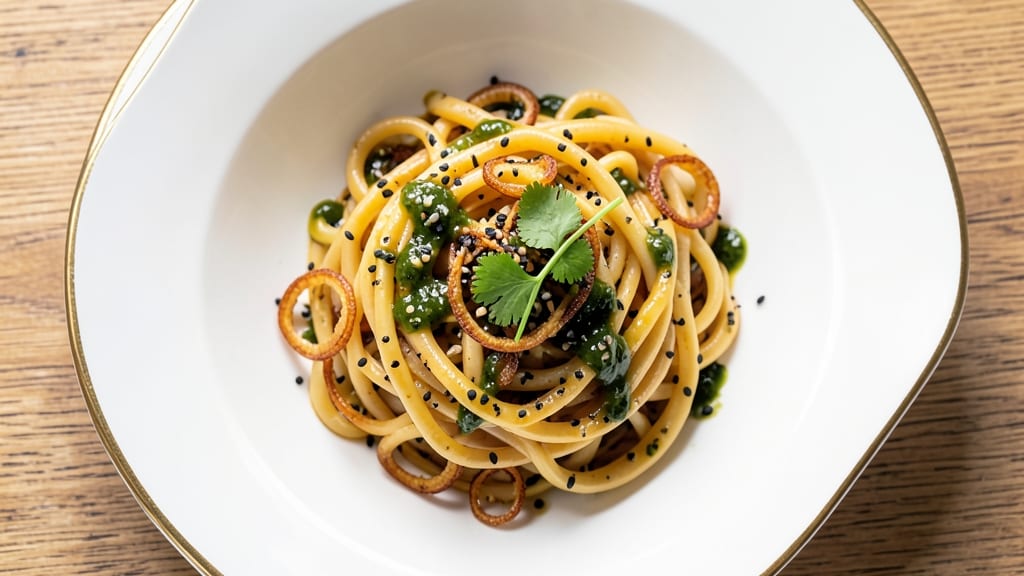
This tasty egg noodles recipe delivers restaurant-quality egg ribbons with silky texture and buttery crisp edges—the perfect base for stir-fries, soups, or quick weeknight meals. The secret lies in high-heat cooking and proper seasoning, transforming simple ingredients into a dish that feels luxurious.
I’ve perfected this technique after years of testing, ensuring every batch turns out tender yet firm with a golden finish that adds visual appeal.
What sets these egg noodles apart is their versatility—they work as a standalone dish with butter and herbs or as the foundation for richer preparations like garlic butter noodles or sesame oil stir-fries.
The key is cooking them just right: al dente for texture, then finishing with a quick toss in hot oil or sauce to lock in flavor. This method guarantees foolproof results, even for beginners.
By the end, you’ll have silky egg ribbons that hold up to bold flavors without turning mushy, making them ideal for everything from hearty soups to quick weeknight stir-fries. The buttery edges add a satisfying crunch, while the interior remains tender and cohesive.
Whether you’re serving them as a side or the main event, these noodles elevate any dish.
Pair them with your favorite proteins—shrimp, chicken, or tofu—or keep it simple with a drizzle of soy sauce and sesame seeds. The possibilities are endless, but the technique remains the same: simple, reliable, and delicious. Let’s get started on mastering these egg noodles!
Ingredients for tasty egg noodles
Six eggs, two cups flour, butter—just these basics transform into restaurant-style egg ribbons.
| Ingredient | Amount | Notes |
|---|---|---|
| Large Eggs 🥚 | 6 whole | Cold from refrigerator for best texture |
| All-Purpose Flour 🌾 | 2 cups | Bread flour for chewier texture (optional) |
| Unsalted Butter 🧈 | ½ cup | Cold, cubed for even distribution |
| Salt 🧂 | 1 ½ tsp | Diamond Crystal preferred for flakiness |
| Vegetable Oil 🫒 | ¼ cup | For frying noodles (high smoke point) |
| Sesame Oil 🌿 | 1 tbsp | Toasted for finishing aroma |
| Garlic Cloves 🧄 | 3 cloves | Minced for garlic butter option |
| Fresh Parsley 🌿 | ¼ cup | Chopped for garnish (optional) |
| Water 💧 | ¼ cup | Room temperature for dough |
| White Vinegar 🍶 | 1 tsp | Prevents dough from overworking |
| Sesame Seeds 🌾 | 1 tbsp | Toasted for garnish (optional) |
| Black Pepper 🌶️ | ¼ tsp | Freshly cracked for heat |
The eggs are non-negotiable here—room temperature makes all the difference in texture. Grab large eggs from the back of the fridge (they're always colder) or let them sit out for 30 minutes. For flour, King Arthur all-purpose is my go-to, but bread flour gives that extra chew if you're feeling fancy. The butter? European-style melts cleaner—Plugrá or Land O'Lakes work perfectly. Salt is where you can splurge: Diamond Crystal dissolves better than table salt, giving you those perfect flaky layers. I keep a jar of it in my pantry for all my noodle-making.
No sesame oil? Toasted peanut oil gives a similar nutty depth, though it's not quite the same. Running short on parsley? Fresh cilantro or chives work in a pinch—just use the same amount. The garlic cloves can be pre-minced from a jar if you're in a rush, but fresh is always better. For the vinegar, apple cider vinegar adds a subtle sweetness if you prefer that. The sesame seeds? Toast them in a dry pan first—that extra crunch makes all the difference. And if you're making a big batch, double the recipe—these noodles freeze beautifully for up to 3 months.
Freshly made egg noodles keep for 3-4 days in the fridge, wrapped tightly in plastic wrap. For longer storage, freeze them on a floured tray first to prevent sticking, then transfer to a bag. Reheat in a skillet with a splash of water for 2-3 minutes—they'll be perfect every time. I make a double batch every Sunday so I always have them ready for quick weeknight stir-fries. The secret to their crisp edges? High heat and minimal tossing—don't overcrowd the pan or they'll turn soggy.
Why You'll Love This Recipe
- No-Fuss Freshness: I swear by this recipe when I’m too tired to wait for store-bought noodles to boil. Just flour, eggs, and a pinch of salt—no fancy equipment, no resting time. Roll it out, cut it, and cook it in the same pot. That’s it. The butter in the water keeps them silky without the mess of dried pasta.
- Butter-Kissed Richness: Between us, the secret’s in the oil and butter. The noodles come out with this just-right chew—firm enough to hold sauce, but tender enough to melt in your mouth. And that golden crust? It’s the oil in the water doing its magic. Honestly, it’s the kind of simple indulgence that makes me feel like I’m eating at a tiny Italian trattoria.
- Leftover Hero: These noodles beg to be saved. Reheat them in a skillet with a splash of water and a pat of butter, and they’re just as good as day one. I’ve turned them into quick stir-fries, tossed them with leftover roasted veggies, or even used them as a base for a lazy Sunday breakfast hash. They’re my pantry’s unsung MVP.
- Budget Breakthrough: A dozen eggs and a bag of flour stretch farther than you’d think. I make a big batch, freeze half, and still have enough for weeknight dinners. Plus, no fancy ingredients—just what’s already in your fridge. It’s the kind of recipe that makes me feel like I’m feeding a crowd without breaking the bank. (Yes, even on a Tuesday night.)
Step-by-step instructions for silky egg noodles with buttery crisp edges
Here's how to craft restaurant-quality egg noodles at home—silky ribbons with golden, buttery edges.
Mix the Dough Until Smooth and Elastic
In a large mixing bowl, combine the 6 whole large eggs (cold from the refrigerator) and the 2 cups all-purpose flour. I use a fork first to break up any flour clumps and incorporate the eggs gradually. Once the mixture looks shaggy, switch to a dough whisk or stand mixer fitted with the paddle attachment.
Mix on low speed for 2-3 minutes until the dough comes together into a smooth, elastic ball. You'll know it's ready when it pulls away cleanly from the sides of the bowl and forms a thin sheet when pressed between your fingers. If the dough feels too dry, add 1 tablespoon of water at a time until it reaches the perfect consistency. Too wet? Sprinkle in 1 teaspoon of flour to tighten it up.
Knead the Dough for Maximum Tenderness
Turn the dough out onto a lightly floured surface and knead for 8-10 minutes by hand or 5-6 minutes with a stand mixer fitted with the dough hook. Kneading develops gluten, which gives the noodles their signature chew and silky texture. I press down firmly with the heels of my hands and fold the dough over itself in a rhythmic motion, rotating it 90 degrees after each fold.
You'll notice the dough starts off sticky but gradually becomes smoother and more elastic. If it sticks to your hands or the surface, sprinkle just enough flour to keep it from clinging—too much flour will make the noodles tough. When the dough springs back slowly when poked and feels smooth to the touch, it's ready for resting. Wrap it tightly in plastic wrap and let it rest at room temperature for 30 minutes. This resting period relaxes the gluten, making rolling and cutting much easier.
Roll the Dough Thin for Perfect Noodle Texture
Unwrap the rested dough and divide it into 4 equal portions (about ½ pound each). Working with one portion at a time, roll it out on a clean surface using a rolling pin or pasta machine. For a smooth, even sheet, start with the widest setting on your pasta machine and gradually reduce the thickness until you reach 1/16-inch—this is the ideal thickness for silky, tender noodles.
If you don't have a pasta machine, use a rolling pin to roll the dough as thinly as possible. Press down firmly and rotate the dough 90 degrees after each roll to maintain even thickness. The dough should be translucent with just a hint of white streaks—this indicates proper rolling. Dust the rolled sheet with a little flour to prevent sticking, then fold it into a compact rectangle and repeat the process with the remaining dough portions.
Cut and Cook the Noodles to Al Dente Perfection
Using a sharp knife or a pasta cutter, slice the rolled dough sheets into ¼-inch wide ribbons. I like to stack the sheets and cut them all at once for uniform noodles. Immediately toss the cut noodles with 1 tablespoon of vegetable oil to prevent sticking. Heat a large pot of water to a rolling boil—it should be salted generously (about 1 tablespoon of salt) to mimic the flavor of the sea.
Add the noodles and cook for 2-3 minutes until they float to the surface. This is your signal that they're al dente—tender but still with a slight bite. Drain the noodles immediately and toss them with 2 tablespoons of toasted sesame oil and 1 tablespoon of minced garlic cloves for a fragrant finish. For extra richness, stir in 2 tablespoons of cold, cubed unsalted butter until it melts into the noodles, creating a luscious, golden coating.
Finish with Garlic Butter and Garnishes
Transfer the cooked noodles to a serving dish and drizzle with the remaining garlic butter mixture (reserve 2 tablespoons of butter for this step). Toss gently to coat evenly, then sprinkle with 1 tablespoon of toasted sesame seeds and 2 tablespoons of chopped fresh parsley for a pop of color and freshness. Finish with a pinch of freshly cracked black pepper and 1 teaspoon of white vinegar to brighten the flavors.
Serve immediately while the noodles are still warm and the butter is glistening. The edges should be just crisp enough to add a delightful contrast to the silky interior. For extra flair, garnish with a few more sesame seeds and a drizzle of sesame oil. These noodles are best enjoyed right away, so don't wait—they disappear faster than you think!
Pro Tips For Making Tasty Egg Noodles
- CHILL THE DOUGH: After mixing flour, eggs, and butter, let the dough rest in the fridge for at least 30 minutes—yes, even if you’re eager to roll it out. I used to rush this step, and my noodles always turned out gummy or uneven. The cold helps the gluten relax so it stretches nicely, and the butter stays firmer, giving you that classic tender bite.
- WEIGH YOUR FLOUR: Skip the scooping and measure flour by weight (about 250g for this recipe) for consistent results. I learned this the hard way—packed cups vs. light scoops make a huge difference in texture. A kitchen scale is your friend here, and it guarantees your noodles turn out light, not dense.
- ROLL THIN, COOK FAST: Aim for a uniform ⅛-inch thickness when rolling—thicker spots take forever to cook, while thinner ones get mushy. Use a rolling pin with even pressure, and if the dough sticks, dust with flour after each roll, not before. High heat in boiling water (a rolling boil) is non-negotiable—your noodles should rise to the surface in 2–3 minutes.
- BUTTER MATTERS: Use cold, unsalted butter straight from the fridge, cut into small cubes—this keeps the dough from getting too soft. I was skeptical until I tried it: the butter distributes evenly, giving your noodles that rich, buttery flavor without making them greasy. Skip the softened butter, or you’ll regret the soggy texture.
Best sauces and condiments for this tasty egg noodles
Garlic Butter Magic
This is my go-to sauce for egg noodles—simple but transformative. Melt 2 tablespoons of unsalted butter in a pan over medium heat, then add 3 minced garlic cloves and cook until fragrant (30 seconds).
Remove from heat, stir in 1 teaspoon of white vinegar, and pour over cooked noodles. The acidity brightens the flavors while the butter creates a silky coating. For extra richness, add 1 tablespoon of toasted sesame oil at the end. 💛
Sesame Soy Glaze
For an Asian-inspired twist, combine 2 tablespoons of soy sauce, 1 tablespoon of toasted sesame oil, 1 teaspoon of honey, and ½ teaspoon of grated ginger in a small bowl. Heat the mixture in a pan until warm, then toss with cooked noodles.
Garnish with 1 teaspoon of sesame seeds and sliced green onions. This glaze adds depth and a subtle sweetness that pairs perfectly with stir-fried proteins.
Spicy Chili Oil
Elevate your noodles with a bold kick using 2 tablespoons of chili oil (store-bought or homemade). Heat 1 tablespoon of vegetable oil in a pan, add 1 teaspoon of crushed red pepper flakes, and cook until fragrant.
Toss with noodles and finish with 1 tablespoon of chopped cilantro. For a smoky touch, add ½ teaspoon of smoked paprika to the oil before tossing. This sauce works especially well with grilled meats or tofu.
Creamy Miso Sauce
Blend 2 tablespoons of white miso paste, 1 tablespoon of mirin, 1 tablespoon of toasted sesame oil, and 1 teaspoon of grated daikon radish until smooth. Drizzle over noodles and top with 1 teaspoon of toasted sesame seeds and sliced scallions.
The umami-rich miso adds a luxurious depth that complements both savory and sweet dishes. For extra creaminess, stir in 1 teaspoon of tahini at the end.
Lemon-Herb Vinaigrette
Brighten your noodles with a zesty finish using 2 tablespoons of olive oil, 1 tablespoon of lemon juice, 1 teaspoon of Dijon mustard, and 1 tablespoon of chopped fresh dill or parsley. Whisk together and toss with warm noodles.
This light, tangy sauce cuts through the richness of buttery noodles and pairs beautifully with grilled fish or shrimp. Add a pinch of salt and black pepper to taste for balance. ✨
Nutrition facts
Frequently asked questions
Can I use store-bought egg noodles instead of making them from scratch?
For quick weeknight meals, high-quality dried egg noodles work beautifully. Look for fresh egg noodles (not egg-free) in the refrigerated section—they’ll have a richer flavor. Cook them 1-2 minutes less than package instructions for al dente texture, then finish with butter and sesame oil. The key is toasting them in a dry pan for 30 seconds after cooking to get those crisp edges.
Why did my homemade egg noodles turn out gummy instead of tender?
Overmixing or under-kneading usually causes gummy noodles. The dough needs 8-10 minutes of kneading by hand to develop proper gluten structure. Also, check your flour-to-egg ratio—too much flour makes them tough, while too little water makes them dense. For extra tenderness, let the dough rest 30 minutes before rolling, and cook them in well-salted water (like the sea!).
How do I prevent the noodles from sticking together?
Lightly coat freshly cut noodles with 1 tablespoon of vegetable oil or dust them generously with flour before cooking. When boiling, stir them once or twice to prevent clumping. After draining, toss immediately with a little oil or butter while hot. For storage, freeze them on a floured tray first—this prevents sticking when you transfer them to a bag.
What’s the best way to reheat leftover egg noodles?
For crisp edges, reheat in a dry skillet over medium-high heat for 2-3 minutes, stirring constantly. Add 1 teaspoon of oil or butter to prevent sticking. If they’re soft, cover the pan and cook 1 minute more. For microwave reheating, sprinkle with 1 teaspoon of water, cover, and zap for 30 seconds—this keeps them from drying out.
Can I make these noodles gluten-free?
Yes! Swap the all-purpose flour for a 1:1 gluten-free flour blend (like Bob’s Red Mill) and add ½ teaspoon of xanthan gum to mimic gluten’s elasticity. Use 1 extra egg to bind the dough better. Keep in mind the texture will be slightly different—gluten-free noodles tend to be more delicate. Test with ½ the recipe** first to adjust consistency.