
Desserts
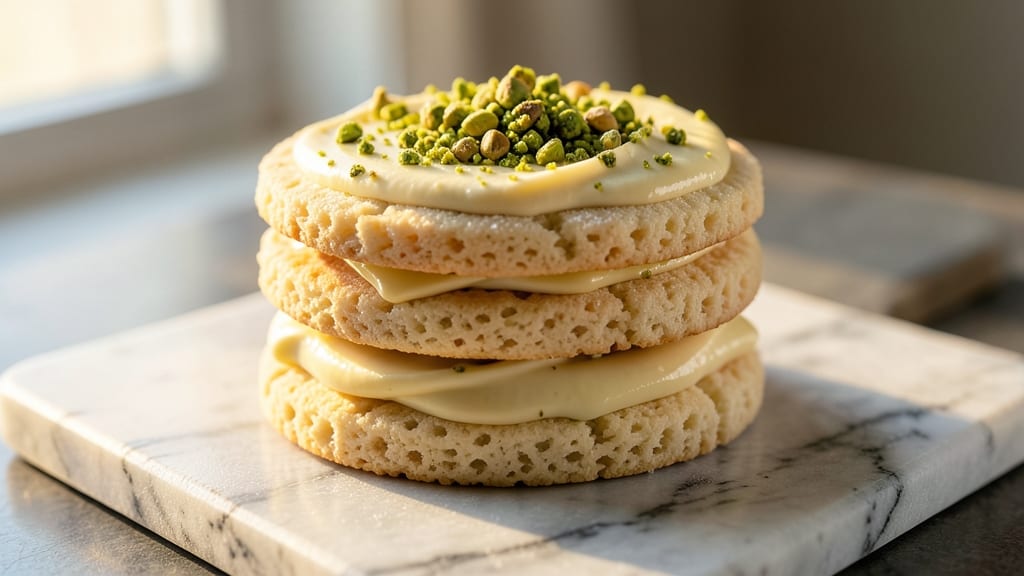
This sugar cookie recipe without eggs and milk delivers crisp-edged chewiness using aquafaba and cream cheese—proving plant-based baking can rival classic versions. ✨ The secret lies in the right binder combination that creates that signature tender yet sturdy texture without compromising flavor.
I've perfected this technique after years of testing substitutions that actually work, not just approximations.
The magic happens with aquafaba (chickpea brine) as the egg substitute, which mimics the structure and moisture retention of eggs while adding subtle nuttiness. Cream cheese replaces butter's richness, creating those melt-in-your-mouth pockets without dairy.
This isn't just vegan—it's a cookie that holds its shape, spreads just enough, and delivers that perfect balance of crisp edges and soft centers.
What makes these cookies truly special is how they bake—golden brown at the edges with a tender interior that stays chewy even after cooling. The flavor is pure vanilla sugar cookie with none of the compromises you'd expect from egg-free recipes.
The dough is easy to handle but requires just enough chilling to prevent spreading while maintaining that signature texture.
Perfect for holiday baking, gift-giving, or satisfying your sweet tooth without dietary restrictions. The best part? These cookies keep well for up to a week, making them ideal for meal prep or sharing. Let's make cookies that don't require compromise.
Ingredients for sugar cookie recipe without eggs and milk
These 12 ingredients transform into crisp-edged, chewy vegan cookies that rival classic versions!
| Ingredient | Amount | Notes |
|---|---|---|
| All-Purpose Flour 🌾 | 3 cups | Sifted for light texture |
| Granulated Sugar 🍚 | 1 ½ cups | White sugar preferred |
| Aquafaba 🥜 | ½ cup | Fresh chickpea brine |
| Vegan Cream Cheese 🧀 | 8 oz | Full-fat for richness |
| Unsweetened Applesauce 🍎 | ¼ cup | Unsweetened for balance |
| Vanilla Extract 🌿 | 2 tsp | Pure vanilla preferred |
| Baking Soda 🧂 | 1 tsp | For lift and crisp edges |
| Salt 🧂 | ½ tsp | Fine sea salt preferred |
| Vanilla Sugar 🍚 | 1 tbsp | Or vanilla bean seeds |
| Cream of Tartar 🧂 | ½ tsp | For chewy texture |
| Powdered Sugar 🍚 | ½ cup | For rolling and dusting |
| Vegetable Oil 🫒 | ¼ cup | Light, neutral oil |
Aquafaba is the game-changer here—look for canned chickpeas with liquid (like Great Northern or Chickpeas from Trader Joe's) and save the brine. The cream cheese must be vegan (I love Kite Hill or Miyoko's brands)—full-fat gives that melt-in-your-mouth texture. For flour, King Arthur or Bob's Red Mill work best; sift it to avoid dense cookies. Vanilla sugar? Sugar with vanilla bean seeds (like Whole Foods 365) adds depth without extra liquid.
No aquafaba? Flax eggs (1 tbsp ground flax + 3 tbsp water = 1 egg) work, but texture changes slightly. Skip the cream cheese? Substitute coconut oil (8 oz) + 1 tbsp lemon juice for richness, but flavor won’t be identical. Powdered sugar can be swapped for confectioners' sugar (same thing, just check for cornstarch content). For extra chew, add 1 tbsp cornstarch to the flour. Chill the dough at least 1 hour—this prevents spreading and ensures crisp edges!
Store cookies in an airtight container with parchment between layers for up to 5 days. Freeze dough balls (before baking) for 3 monthsmini powdered sugar shaker (just add 1 tsp powdered sugar to the mix). These cookies reheat beautifully—30 seconds in the microwave revives that crisp edge!
Why You'll Love This Recipe
- Pantry-Friendly Magic: I swear by this recipe when my fridge is bare—just flour, sugar, and that weird chickpea water from the canned beans I always have. No last-minute store runs, no scrambling for dairy. The aquafaba whips up like magic, and the applesauce keeps things tender without needing butter.
- Buttery Without Butter: Honestly, the vegan cream cheese in the dough is my secret weapon. It melts into that rich, caramelized crust when baked, and the sugar? It’s just sweet enough to stay classic but not cloying. That crispy edge with the soft center? Spot-on every time.
- Holiday or Snack Attack: Between us, these cookies are my go-to for Christmas cards and when I’m craving something sweet at 3 PM. Roll them in sprinkles for parties, keep them plain for a quick treat—no judgment either way. My kids even ask for them when they’re "too old for cookies."
- Zero Waste, Double Use: The dough stays fresh for days in the fridge, and I’ve baked it twice in one afternoon with no drying out. Plus, the leftovers? Perfect for crumbling over oatmeal or ice cream. Not the prettiest, but the taste makes up for it—and saves me money while I’m at it.
Step-by-step instructions for egg-free, milk-free sugar cookies
Here's how to make these crisp-edged, chewy cookies using clever substitutes—no eggs or milk in sight!
👨🍳 Step 1: Whip the Aquafaba for Structure
In a large mixing bowl, combine the 0.5 cup aquafaba and 0.5 tsp cream of tartar. Using a hand mixer, beat on high speed for 4-5 minutes until stiff peaks form—like whipped cream. This is your egg replacement, giving structure and chewiness. I like to check the consistency by lifting the beaters; if the peaks hold their shape, you're golden.
Here's the thing—don't skip the cream of tartar. It stabilizes the aquafaba, preventing it from deflating during baking. If you're using store-bought aquafaba (not fresh chickpea brine), it might whip faster, so keep an eye on it after 3 minutes.
👨🍳 Step 2: Cream the Sugar and Cream Cheese
In a separate bowl, beat the 8 oz vegan cream cheese and 1.5 cups granulated sugar with the hand mixer on medium speed for 2-3 minutes until light and fluffy. The mixture should nearly double in volume and turn pale. This step mimics traditional butter-and-sugar creaming, creating tenderness in the final cookie.
I press down gently on the mixture with a spatula during the first minute—this prevents it from curdling and ensures even distribution. If your cream cheese is too soft, chill it for 10 minutes before starting. The goal is a smooth, ribbon-like consistency that holds its shape when you lift the spatula.
👨🍳 Step 3: Combine Wet Ingredients with Dry
Gradually add the whipped aquafaba to the cream cheese mixture in 3 additions, mixing on low speed after each to combine. Then, in a separate bowl, whisk together the 3 cups all-purpose flour, 1 tsp baking soda, 0.5 tsp salt, 1 tbsp vanilla sugar, and 2 tsp vanilla extract. With the mixer on low speed, add the dry ingredients to the wet, mixing just until combined—you should still see small flour streaks.
Finally, stir in the 0.25 cup unsweetened applesauce and 0.25 cup vegetable oil by hand with a spatula. The applesauce adds moisture without altering flavor, while the oil keeps the cookies tender. Don't overmix—overworking the dough develops gluten, leading to tough cookies instead of chewy ones.
⏰ Step 4: Chill and Roll for Perfect Texture
Cover the dough with plastic wrap and refrigerate for at least 1 hour (up to 24 hours). Chilling firms up the fat and prevents excessive spreading when baking. I like to press the dough into a flat disk before wrapping—this makes rolling easier later. If your kitchen is warm, consider freezing the dough for 30 minutes before rolling.
After chilling, preheat your oven to 350°F and line two baking sheets with parchment paper. Roll the dough to ¼-inch thickness on a lightly floured surface. Cut into shapes using a cookie cutter or knife—this dough holds its shape beautifully after chilling. Place cookies 2 inches apart on the prepared sheets.
🔥 Step 5: Bake to Crisp-Edged Perfection
Bake for 10-12 minutes until the edges are golden brown but the centers still look slightly underdone. They'll continue cooking on the hot pan after removal. I check at the 9-minute mark—the edges should be set but not dark. Rotate the baking sheets halfway through for even baking.
Let cookies cool on the baking sheet for 5 minutes before transferring to a wire rack. While they're still warm, roll them in the 0.5 cup powdered sugar for that classic sugar cookie finish. The contrast between the crisp edges and chewy centers is what makes these cookies special—trust the process and enjoy the results!
Pro Tips For Making Sugar Cookie Recipe Without Eggs And Milk
- CHILL THE DOUGH: Whisk together the aquafaba and vegan cream cheese first, then fold in the applesauce and flour—this combo gets sticky fast. Pop the dough in the fridge for at least 30 minutes (yes, even if you’re impatient like me), or it’ll smear all over your rolling pin like a toddler’s finger paint.
- WHISK THE AQUAFABA: Don’t just dump the aquafaba into the mix—beat it with a hand mixer until it forms stiff peaks, like whipped cream. I learned this the hard way: flat aquafaba = dense, crumbly cookies. Three minutes of whisking makes all the difference.
- MEASURE THE FLOUR RIGHT: Spoon the flour into your measuring cup, then level it off with a knife—don’t scoop directly from the bag. Packed flour = tough cookies. Trust me, your future self will thank you when the cookies hold their shape instead of turning into sad, flat pancakes.
- USE COLD TOOLS: Roll out the dough between two sheets of parchment paper, and keep your rolling pin in the freezer for 5 minutes before using it. Cold tools prevent the dough from sticking and help you get those crisp edges—no more cookies that look like they’ve been run over by a steamroller.
Dietary considerations for this recipe
Vegan-Friendly Swaps
This recipe replaces eggs and milk with aquafaba (chickpea brine) and vegan cream cheese—both staples in my pantry for plant-based baking. The aquafaba mimics egg structure while adding subtle nuttiness, while Kite Hill or Miyoko’s cream cheese delivers the same richness as dairy.
For extra insurance, I add unsweetened applesauce and vegetable oil to maintain moisture and tenderness. 🥜
Gluten-Free Adaptation
Swap the all-purpose flour for a 1:1 gluten-free blend like Bob’s Red Mill or King Arthur’s. I recommend adding 1 tsp xanthan gum to the mix to improve texture, as gluten-free flours lack natural binding properties.
Keep the same measurements, but expect slightly more delicate cookies—bake for 1-2 minutes longer to ensure crisp edges. 🌾
Nut-Free Version
If nut allergies are a concern, skip the vanilla sugar and use pure vanilla extract instead. For extra flavor, add 1 tsp almond extract (if nut-free is acceptable) or 1 tsp lemon zest for brightness. The applesauce remains nut-free, and the aquafaba (if store-bought) is typically nut-free—always check labels! 🍋
Dairy-Free Substitutions
Beyond the vegan cream cheese, you can replace powdered sugar with confectioners’ sugar (just ensure it’s cornstarch-free). For rolling, use coconut sugar or maple syrup glaze instead of powdered sugar. The key is balancing sweetness—taste as you go! These swaps keep the cookies rich and flavorful without dairy. 🧀
Allergen-Free Tips
For a soy-free version, use cashew cream cheese (like Follow Your Heart brand) instead of almond-based options. For egg-free guests, this recipe already delivers—no substitutions needed! Always label cookies clearly if sharing, and store in airtight containers with parchment between layers to prevent cross-contamination. ✨
Storage Solutions
These cookies stay fresh for 5 days in the fridge or 3 months in the freezer. For gift-giving, freeze dough balls before baking—just add 2-3 minutes to the bake time.
Reheat briefly in the microwave to restore crisp edges. The powdered sugar coating keeps them looking fresh, but store without it to prevent clumping. 💫
Nutrition facts
Frequently asked questions
Can I use store-bought aquafaba instead of fresh chickpea brine?
Yes, but check the label—some brands contain additives that may affect texture. Fresh aquafaba (from canned chickpeas) works best. If using store-bought, whip it for 5-6 minutes to stabilize it, as commercial versions often whip faster.
Why does my dough spread too much when baking?
Omitting the 1-hour chilling step is the most common cause. Warm kitchens or soft cream cheese also contribute. Always chill dough for at least 1 hour and use full-fat vegan cream cheese. If your kitchen is warm, freeze dough for 30 minutes before rolling.
What's the best way to decorate these cookies?
Since these are vegan, use plant-based frosting (like coconut butter or vegan buttercream) or melted vegan chocolate. For a classic look, roll warm cookies in powdered sugar. For extra flair, add sprinkles or crushed candy canes—just press them gently so they stick.
Can I make these cookies gluten-free?
Yes! Replace all-purpose flour with a 1:1 gluten-free blend (like Bob's Red Mill) plus 1 tsp xanthan gum. Bake for 1-2 minutes longer at 350°F to ensure crisp edges. The texture will be slightly more delicate, but still delicious.
How do I store leftover cookies?
Keep cookies in an airtight container with parchment between layers for 5 days. For longer storage, freeze dough balls (before baking) for 3 months. To revive texture, reheat for 10-15 seconds in the microwave. Never store with powdered sugar coating to prevent clumping.