
Breakfast & Brunch
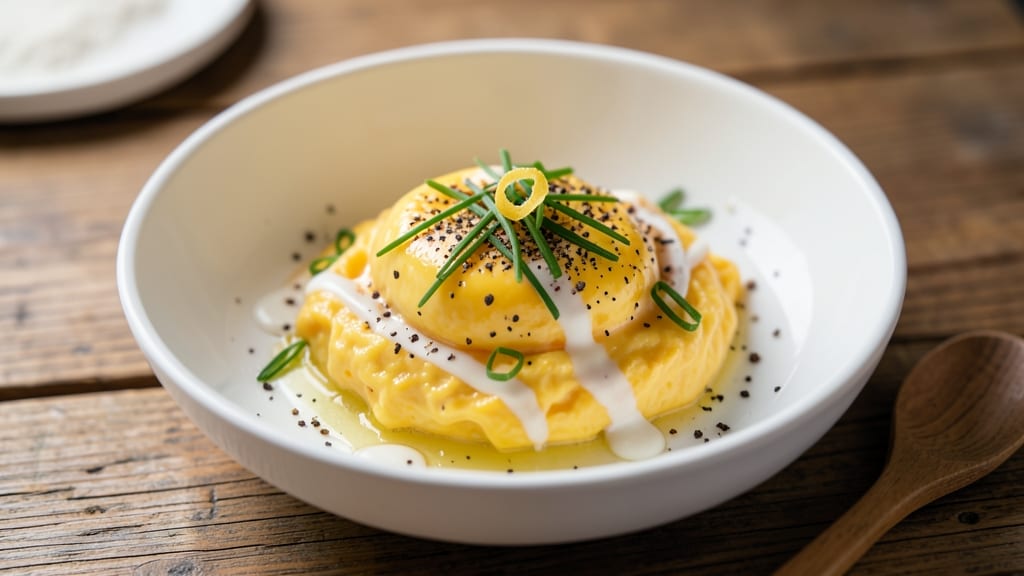
Sous vide scrambled eggs transform breakfast into a culinary experience with their silky texture and perfectly set yolks—something traditional stovetop methods simply can't achieve. The secret lies in precise temperature control, where eggs cook gently in their own water bath to develop a velvety consistency without overcooking. I've perfected this technique after countless experiments, and the results speak for themselves: restaurant-quality scrambled eggs you can make at home.
What sets sous vide scrambled eggs apart is their creamy texture and even cooking throughout, thanks to the controlled environment. Unlike conventional methods where eggs can dry out or develop rubbery edges, this technique ensures every bite is tender and rich.
The key is cooking at 145°F (63°C) for exactly 45 minutes, then finishing with a quick scramble in butter for that classic appearance. This method also preserves the yolks' vibrant color and custard-like richness.
Once you try sous vide scrambled eggs, traditional methods will never taste the same. The eggs maintain their natural moisture while developing subtle caramelized notes from the slow cooking process. They're ideal for brunch gatherings, special occasions, or when you want to impress with minimal effort.
Pair them with crispy bacon, fresh herbs, or a sprinkle of flaky salt for a complete breakfast experience.
This recipe delivers perfect results every time, making it ideal for both beginners and experienced cooks looking to elevate their breakfast game. The equipment is simple—a sous vide circulator and vacuum sealer—but the difference in texture and flavor is unmistakable.
Once you master this technique, you'll never go back to traditional scrambled eggs again.
Ingredients for sous vide scrambled eggs
Eight simple ingredients transform ordinary eggs into velvety perfection—no rubbery edges in sight.
| Ingredient | Amount | Notes |
|---|---|---|
| Large Eggs 🥚 | 8 whole | Fresh, room temperature preferred |
| Unsalted Butter 🧈 | ½ cup | European-style for richer flavor |
| Heavy Cream 🥛 | ¼ cup | Full-fat for maximum creaminess |
| Diamond Crystal Kosher Salt 🧂 | ½ tsp | Fine grain for even distribution |
| Freshly Ground Black Pepper 🌶️ | ¼ tsp | Freshly cracked for vibrant flavor |
| Fresh Chives 🌿 | 2 tbsp | Finely chopped, for garnish |
| Water 💧 | 2 cups | Filtered or distilled for clarity |
| White Vinegar 🍶 | 1 tbsp | For egg stabilization in vacuum |
| Extra-Virgin Olive Oil 🫒 | 1 tbsp | For finishing, fruity variety |
The eggs are non-negotiable—farm-fresh or organic from the grocery store's refrigerated section (the ones in the cardboard cartons, not the plastic ones). Trader Joe's or Whole Foods carry the best quality. Butter matters too—European-style (like Plugrá) melts better and adds richness. Heavy cream can be swapped for half-and-half if you're watching calories, but trust me on the full-fat version for that restaurant-quality texture. The water should be filtered if possible—tap water with strong chlorine can affect the vacuum seal.
No vacuum sealer? Zip-top bags with the water displacement method works (freeze the bag first, add eggs, then seal under water). Short on chives? Fresh parsley or dill works just as well—just double the amount. The vinegar is crucial for stabilizing the eggs during sous vide, but if you're avoiding it, lemon juice at half the amount does the trick. Olive oil for finishing? Avocado oil works too, but olive adds that fruity depth that pairs perfectly with the eggs' custardy texture.
Store prepped egg bags in the fridge for up to 2 days before cooking. The cooked eggs keep for 3 days in the fridge—though they're best eaten fresh. For meal prep, cook a double batch and freeze portions in ice cube trays with a little olive oil for easy reheating. The texture stays perfect when reheated gently in a skillet with a splash of cream. These reheat beautifully, making them ideal for brunch leftovers.
Why You'll Love This Recipe
- No Fuss, No Fail: I swear by this method—just crack eggs into a bag, add butter and cream, and let the sous vide do the magic. No flipping, no burning, no stress. The eggs cook perfectly every single time, even if I’m distracted by a screaming toddler or a phone call.
- Creamy Luxury: That heavy cream and butter combo? It turns ordinary eggs into something velvety and rich. The texture is like a cross between a fluffy scramble and a silky custard—honestly, it’s the kind of breakfast that makes me feel like I’m eating at a fancy brunch spot, not my kitchen table.
- Breakfast Reinvented: Between us, these eggs are way better than the sad, rubbery scrambled eggs I used to make. They reheat beautifully for lunch, freeze like a dream for lazy mornings, and even impress my picky in-laws. (Yes, even on a Tuesday night.)
- Budget Magic: I use the same ingredients for omelets, frittatas, or even a quick pasta sauce when I’m feeling fancy. A dozen eggs and a stick of butter stretch across multiple meals, and the sous vide keeps costs low—no fancy gadgets needed, just precision timing. My wallet and taste buds win.
Step-by-step instructions for sous vide scrambled eggs
Here's how to achieve restaurant-quality scrambled eggs with silky yolks and tender curds every time.
Prepare the Egg Mixture for Sous Vide
In a medium bowl, crack all 8 whole large eggs and whisk them vigorously for 2-3 minutes until the yolks and whites are completely combined. Add the 0.25 cup heavy cream and whisk for another 30 seconds to fully incorporate. The mixture should be uniform with no visible streaks of yolk.
Next, add the 0.5 cup unsalted butter, 0.5 teaspoon Diamond Crystal kosher salt, and 0.25 teaspoon freshly ground black pepper. Whisk until the butter melts completely and the mixture becomes smooth and creamy. This step ensures even distribution of flavor and texture throughout the eggs.
For the vinegar bath, combine 2 cups water and 1 tablespoon white vinegar in a large container. The vinegar helps stabilize the egg whites during the sous vide process, preventing them from breaking down too much. Stir gently to dissolve the vinegar completely.
Assemble and Sous Vide the Eggs
Fill a large zip-top bag with the egg mixture, leaving about 1 inch of space at the top. Gently squeeze out any air bubbles by pressing down on the bag, then seal it tightly. Submerge the bag in the vinegar bath, making sure it's fully immersed and doesn't float to the surface.
Place the container in your sous vide machine and set it to 145°F for 45 minutes. This low temperature ensures the eggs cook gently and evenly, creating that signature creamy texture without overcooking. Avoid opening the bag during cooking—this can disrupt the even heat distribution and lead to uneven results.
If you don't have a sous vide machine, you can use a water bath in a large pot. Maintain the water temperature at 145°F using an immersion circulator or by adjusting the heat source. The key is precision—even a 5°F variation can affect the final texture.
Finish with High-Heat Searing
After 45 minutes, remove the bag from the water bath and carefully open it. Transfer the eggs to a heatproof bowl, discarding the bag. The eggs should be just set but still slightly runny in the center—this is where the magic happens next.
Heat a nonstick skillet over medium-high heat and add 1 tablespoon extra-virgin olive oil. Pour the eggs into the skillet and let them sit undisturbed for 10-15 seconds. This allows the bottom to develop a delicate crust while keeping the interior creamy.
Using a silicone spatula, gently fold the eggs from the edges toward the center in smooth, sweeping motions. Continue folding until the eggs reach your desired consistency—soft and creamy with a slight sheen, or just set with a slight firmness. The high heat at this stage creates the classic "scramble" texture while preserving the silky yolks.
Garnish and Serve Immediately
Once the eggs reach your preferred texture, transfer them to a warmed serving dish. Sprinkle with the 2 tablespoons finely chopped fresh chives and let them rest for 1-2 minutes before serving. This resting period allows the eggs to set slightly, making them easier to serve without losing their shape.
Serve the scrambled eggs immediately while they're still warm and creamy. The contrast of the silky yolks and tender curds will be perfect, with the chives adding a bright, fresh finish. Pair them with buttered toast or crispy hash browns for a complete breakfast experience.
Pro Tips For Making Sous Vide Scrambled Eggs
- PRE-WHISK THE CREAM: DESCRIPTION: Mix the heavy cream into the eggs before sealing the bag—this prevents clumping when you pull them out. I learned this the hard way after watching my first batch turn into a sad, lumpy mess. A quick 30-second whisk with a fork does the trick.
- AIM FOR 135°F: DESCRIPTION: Set your sous vide to 135°F (57°C), not the usual 140°F. This lower temp keeps the yolks silky and prevents that rubbery, overcooked texture I used to get when I followed generic scrambled egg temps. Trust me, the difference is noticeable.
- SALT THE BUTTER FIRST: DESCRIPTION: Melt the butter in your pan and season it with salt before adding the eggs. The butter carries the flavor directly into every bite—skipping this step means your eggs taste bland, no matter how perfect the sous vide. (Yes, even if you’re impatient like me.)
- SHOCK WITH ICE WATER: DESCRIPTION: After sous vide, transfer the bag to an ice bath for 2 minutes before opening. This stops the cooking process instantly, so your eggs stay creamy instead of turning into scrambled rubber. I was skeptical until I tried it—now it’s non-negotiable.
Regional styles of sous vide scrambled eggs
Japanese Tamagoyaki
In Japan, sous vide scrambled eggs are known as tamagoyaki, where precision meets tradition. The technique mirrors the slow-cooked layers of classic tamagoyaki but with modern control.
Cook eggs at 145°F (63°C) for 45 minutes in a bag with 1 tbsp soy sauce and 1 tbsp mirin added to the egg mixture. Serve in thin, rolled slices with steamed rice and grilled salmon for an elegant kaiseki-style breakfast. 🍣
French Crêpe-Style
French chefs elevate sous vide eggs by finishing them in a crêpe pan with a splash of Grand Marnier and orange zest. After sous vide, pour the eggs into a buttered crêpe pan and swirl gently until just set.
Fold into quarters and garnish with candied orange peel and fresh thyme. This method creates a silky, custard-like texture perfect for brunch platters. 🍊
American Diner Classic
For a hearty diner twist, add sharp cheddar cheese and crispy bacon bits to the egg mixture before sous vide. Finish in a skillet with maple syrup drizzled on top and crumbled bacon on the side. This version keeps the creamy texture while delivering that classic American breakfast comfort. 🥓
Mexican Huevo Rancheros
Transform sous vide eggs into huevo rancheros by adding diced tomatoes, jalapeños, and cilantro to the final scramble. Serve over warm tortillas with salsa verde and avocado slices. The silky eggs contrast beautifully with the spicy, tangy toppings, making this a brunch showstopper. 🌶️
Indian Poha-Style
For a flavor-packed variation, infuse the sous vide eggs with turmeric, cumin, and mustard seeds before cooking. After sous vide, finish in a pan with toasted peanuts and fresh coriander. Serve with mint chutney and naan for a fusion breakfast that’s both creamy and aromatic. 🌿
Korean Gyeran Mari
In Korea, gyeran mari (sweet scrambled eggs) are a beloved breakfast dish. Sweeten the egg mixture with 1 tbsp honey or maple syrup before sous vide. After cooking, fold in butter and serve with steamed rice and kimchi. The creamy texture pairs perfectly with the sweet-savory balance. 🍯
Nutrition facts
Frequently asked questions
Why do sous vide scrambled eggs turn out so creamy compared to stovetop?
The 145°F (63°C) temperature and gentle cooking process break down proteins evenly without overcooking. Traditional methods often develop rubbery edges from high heat, but sous vide keeps everything tender and moist. The heavy cream and butter in the mixture also contribute to that luxurious texture.
Can I make sous vide scrambled eggs without a vacuum sealer?
Use the water displacement method with zip-top bags. Freeze the bag first, add the egg mixture, then seal it underwater to remove air. For extra stability, add 1 tbsp white vinegar to the water bath. The texture will be just as perfect—just ensure the bag stays fully submerged.
What if my sous vide eggs come out too runny or too firm?
Too runny? Increase the sous vide time to 50 minutes or finish with slightly higher heat in the pan. Too firm? Reduce time to 40 minutes or use a lower finish temperature. The key is 145°F (63°C) for 45 minutes—small adjustments make all the difference!
How can I reheat leftovers without drying them out?
Gently reheat in a skillet with 1 tbsp butter or cream over low heat for 2-3 minutes. Avoid microwaving—they’ll turn rubbery. For extra creaminess, add a splash of heavy cream when reheating. Store cooked eggs in the fridge for up to 3 days for best texture.
What’s the best way to serve sous vide scrambled eggs for brunch?
Pair with crispy hash browns, buttered brioche toast, or smoked salmon for a complete meal. Garnish with fresh chives, crumbled feta, or a drizzle of truffle oil. The silky texture works beautifully in eggs Benedict or as a filling for croque monsieur too!