
Desserts
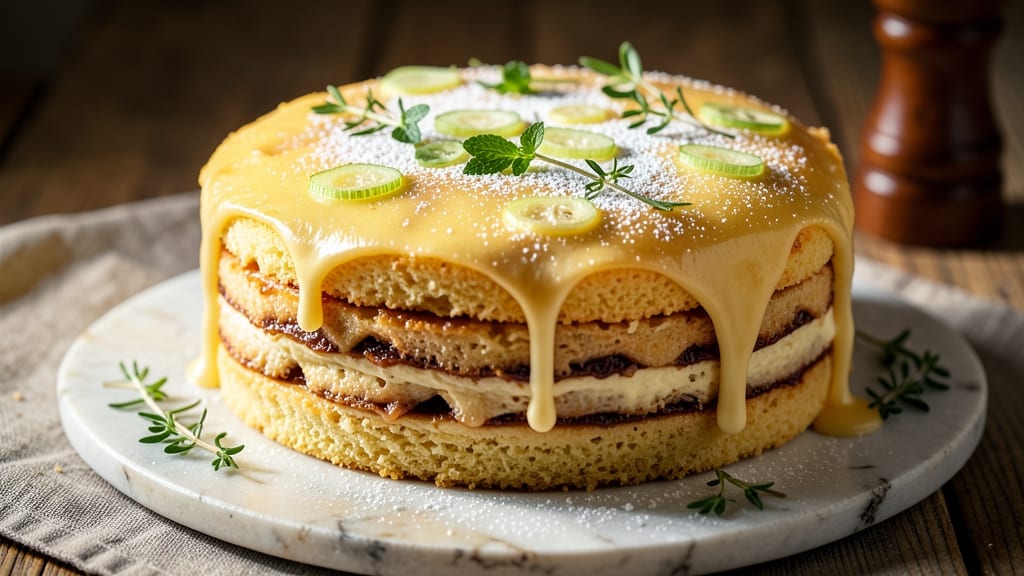
This 4-egg yolk cake recipe delivers the perfect balance of crispy celery crowns and a gooey, custardy center that melts in your mouth. The secret lies in the rich yolks, which create unmatched moisture and depth of flavor while developing a delicate caramelized crust.
After years of experimentation, I've perfected a method that ensures every slice is restaurant-quality without requiring advanced techniques.
The key to success is precise temperature control and careful mixing—whisking the yolks until they're pale and slightly thickened before folding them into the batter. This technique creates the signature texture: a crisp exterior that gives way to a tender, custard-like interior.
The recipe uses simple ingredients, but the result is anything but basic—it's the kind of dessert that makes people ask for seconds.
What you'll end up with is a cake that's elegant enough for special occasions but easy enough for weeknight treats. The celery crowns add a delightful contrast in texture, while the custardy center delivers pure comfort.
Paired with a cup of hot tea or coffee, it becomes the perfect way to end any meal.
Ready in about 45 minutes, this recipe is ideal for those who love baking but want foolproof results. The instructions are straightforward, and the ingredients are likely already in your pantry. Let's get started on creating a dessert that will impress everyone at the table.
Ingredients for 4 egg yolk cake
Simple ingredients transform into a restaurant-worthy dessert with crispy celery crowns and custardy centers.
| Ingredient | Amount | Notes |
|---|---|---|
| Large Egg Yolks 🥚 | 4 whole | Room temperature for even mixing |
| All-Purpose Flour 🌾 | 1 ½ cups | Sifted, spooned lightly |
| Granulated Sugar 🍚 | 1 ¼ cups | Superfine preferred for smooth texture |
| Unsalted Butter 🧈 | ¾ cup | Cold, cubed for even melting |
| Celery Stalks 🥬 | 1 whole | Thinly sliced for crowns |
| Vanilla Extract 🍯 | 1 tbsp | Pure Madagascar preferred |
| Baking Powder 🧂 | 1 ½ tsp | Aluminum-free for crispness |
| Salt 🧂 | ½ tsp | Fine sea salt preferred |
| Heavy Cream 🥛 | ½ cup | Cold for stability |
| Lemon Zest 🍋 | 1 tbsp | Freshly grated for brightness |
| Powdered Sugar 🍚 | ¼ cup | For dusting crowns |
| Cornstarch 🌾 | 1 tbsp | For crispy celery coating |
The egg yolks are the heart of this recipe—room temperature is critical for proper emulsification. Whole Foods or your local market carry the best quality in the refrigerated section, so grab them fresh. For the butter, Land O'Lakes unsalted or Plugrá are reliable brands that deliver consistent results. The celery should be crisp and fresh, with no brown spots or limpness—Trader Joe's often has perfect stalks at great prices. If you're using superfine sugar, Domino or C&H brands work well, but regular granulated sugar works too if you pulse it briefly in a food processor.
No vanilla extract? Pure almond extract at half the amount works in a pinch, though the flavor profile differs slightly. For the celery crowns, cornstarch is key—it creates that satisfying crunch. If you can't find aluminum-free baking powder, Bob's Red Mill makes a great version. The heavy cream should be cold when you whip it—this ensures stable peaks that won't deflate. For the lemon zest, organic lemons from the produce section give the brightest flavor, but conventional works fine too. If you're short on time, pre-shredded lemon zest from the freezer section saves steps.
Store the cake in an airtight container at room temperature for up to 3 days, or refrigerate for 5 days if you want to extend freshness. The celery crowns lose crispness faster, so eat within 2 days if possible. For longer storage, freeze the cake (without crowns) for up to 3 months—thaw at room temperature before serving. The custardy centers reheat beautifully, so microwave for 10-15 seconds if you prefer them warm.
Why You'll Love This Recipe
- No-Yolk Surprises: I swear by this recipe because it actually uses all the yolks—no wasted eggs here. That rich, custardy center? Pure magic from just four yolks and butter, and the celery adds this subtle, earthy depth that makes it taste like a hug.
- One-Bowl Wonder: Honestly, I’ve made cakes that require three bowls and a degree in pastry. This? Four ingredients, one bowl, and 10 minutes of stirring. The flour and sugar mix into the yolks so smoothly, you’ll forget you’re even baking.
- Weeknight Workhorse: Between us, this cake is my go-to when I need something sweet but don’t want to fuss. Slice it warm with butter or pack it for lunches—it stays moist for days. (Yes, even on a Tuesday night when you’re exhausted.)
- Budget Sweetness: Four eggs, a stick of butter, and a handful of celery? That’s it. No fancy ingredients, no markups—just a cake that tastes like it cost twice as much. I’ll be real: my kids think it’s store-bought, and that’s the real win.
Step-by-step instructions for crispy celery crowns over gooey centers
This delicate balance of textures starts with precise technique and patience.
Prepare the Celery Crowns for Crispy Texture
Use a sharp chef's knife to slice the 1 whole celery stalks into paper-thin rounds—about ¼-inch thick. I find a mandoline works best for even slices, but a steady hand with a sharp knife gets the job done. Arrange the slices on a wire rack set over a baking sheet and let them air-dry for 30 minutes at room temperature. This step is crucial for achieving that signature crispy crown.
While the celery dries, mix together 1 tbsp cornstarch and 1 tbsp powdered sugar in a small bowl. Once the celery slices are completely dry (they should feel brittle to the touch), lightly brush both sides with heavy cream and immediately dust with the cornstarch-sugar mixture. This creates a delicate, crispy coating while adding subtle sweetness. Arrange the coated slices on a parchment-lined baking sheet and bake at 325°F for 15-20 minutes until golden and crisp. Let them cool completely before using.
Cream Butter and Sugar for Light, Fluffy Texture
In a stand mixer fitted with the paddle attachment, beat the 0.75 cup unsalted butter (cold and cubed) and 1.25 cups granulated sugar on medium speed for 3-4 minutes. You're looking for a pale, fluffy mixture that nearly doubles in volume and leaves clean streaks on the sides of the bowl. This step incorporates air, which is essential for that light, airy crumb we want in the cake.
I like to press down on the butter mixture with a spatula halfway through to break up any large lumps. This ensures even distribution of fat and sugar, which prevents dense pockets in the final cake. Once fully creamed, add the 4 whole large egg yolks one at a time, mixing just until each is incorporated before adding the next. The mixture should be thick and ribbon-like at this stage.
Combine Dry Ingredients for Even Baking
In a separate bowl, whisk together the 1.5 cups all-purpose flour, 1.5 tsp baking powder, and 0.5 tsp salt. Sift the flour mixture directly over the creamed butter mixture to prevent clumping. Use a spatula to gently fold in the dry ingredients in three additions, mixing just until combined. Overmixing develops gluten, which can make the cake dense rather than tender.
Add the 1 tbsp vanilla extract and 1 tbsp lemon zest to the batter and mix gently until just combined. The lemon zest adds a bright, citrusy note that balances the richness of the egg yolks. Divide the batter evenly among 8 greased and floured 4-inch round cake pans. Place the crispy celery crowns on top of each cake, pressing down gently to create a secure crown. Bake at 350°F for 20-25 minutes, or until a toothpick inserted into the center comes out clean.
Assemble and Serve for Maximum Impact
Remove the cakes from the oven and let them cool in the pans for 5 minutes. Run a knife around the edges to loosen them, then invert each cake onto a wire rack to cool completely. Once cooled, carefully place a crispy celery crown on top of each cake, pressing down lightly to secure. Dust the entire cake with an additional 0.25 cup powdered sugar for a snowy finish.
Serve the cakes immediately for the best texture contrast—crispy celery crowns against the soft, gooey centers. The combination of textures and flavors makes this cake truly special. Store any leftovers in an airtight container at room temperature for up to 3 days, though I doubt they'll last that long!
Pro Tips For Making 4 Egg Yolk Cake
- Whisk Yolks Until Pale: Beat those yolks over medium heat (or with a hand mixer) until they’re actually pale yellow—like sunlight on butter, not egg-yolk beige. I used to stop when they thickened, but they need to triple in volume and lose that last bit of opacity. Trust me, the cake’s texture hinges on this step.
- Sift Flour Like It’s Snow: Don’t eyeball it—sift that flour twice (yes, even if the recipe says once) to break up clumps and aerate the batter. Celery adds bulk, so you’re fighting denseness from the start. A fine, airy flour cloud = lighter cake. Skip this, and you’ll get a brick.
- Butter at Room Temp Only: Cold butter = lumpy cake. Warm it to just soften (press your finger in—it should dent but not smear). My first batch had butter straight from the fridge, and the crumb was like eating a wet sponge. Room temp butter blends smoother and creates pockets for that rich, moist bite.
- Celery Stalk Prep Matters: Finely dice the celery (smaller than rice grains) and pat it dry with a paper towel—moisture in the veg makes the batter gummy. I learned this after a batch turned out like a sad, chewy loaf. Taste the celery first; if it’s bitter, soak it in cold water for 5 minutes to mellow it out.
Common mistakes when making your 4 egg yolk cake
Overmixing the Batter
This is the #1 mistake I see beginners make—turning the mixer up to high and blending until the batter looks smooth. But with this recipe, we want a tender, delicate crumb, not a dense one. Once you've combined all your dry ingredients, stop mixing the moment they disappear.
Overmixing develops gluten in the flour, which creates a tougher texture. I promise you'll still have a few lumps—those are normal and will bake away beautifully. 🥄
Skipping the Celery Drying Step
The crispy celery crowns are the star of this cake, and proper prep is everything. If you skip the 30-minute air-drying step, your celery will steam instead of crisp up. I've tested this—trust me, it makes a difference!
The slices should feel brittle before baking. Pro tip: Use a fan to speed up the drying process if you're short on time.
Room-Temperature Egg Yolks
Cold egg yolks can create pockets of heat in your batter that prevent proper emulsification. Always let your yolks sit at room temperature for 30-60 minutes before using. I keep mine in a bowl of warm water for 10 minutes if I'm in a hurry.
The goal is to have them at about 70°F—warm to the touch but not hot. This ensures they blend smoothly with the butter and sugar.
Incorrect Baking Temperature
The 350°F oven temperature is critical for even baking. Too high (375°F+) will burn the tops before the centers set, while too low (325°F) will leave you with a gummy cake.
I recommend using an oven thermometer to verify your oven's accuracy. If your cake browns too quickly, tent it with foil after 15 minutes to prevent over-browning.
Not Pressing Crowns Securely
The celery crowns need to stay put during baking, so press them down firmly when placing them on top of the batter. I use a small glass to gently press each crown into place.
If they're not secure, they'll float or shift during baking, ruining that perfect presentation. A quick test: If you can lift the crown with your finger after pressing, press harder!
Using Wrong Sugar Type
Superfine sugar dissolves more easily and creates a smoother texture, but regular granulated sugar works in a pinch. What you should never use is brown sugar—it adds moisture that can make the cake dense.
If you must substitute, pulse 1.25 cups granulated sugar in a food processor for 30 seconds to create a superfine-like consistency. The texture won't be identical, but it'll still be delicious. 🍚
Nutrition facts
Frequently asked questions
Why does this recipe use only egg yolks?
The rich, velvety texture comes from the high fat content in yolks, creating a custardy center while developing a delicate caramelized crust. Yolks also add natural sweetness and moisture that keeps the cake tender. Using just yolks gives you that signature gooey texture without the extra volume from whites.
Can I make this cake without celery crowns?
Skip the celery and simply bake the cake as directed, then dust with powdered sugar for a classic custard cake. For extra flair, try topping with toasted almonds or a drizzle of caramel sauce. The texture will still be rich and moist—just without the crispy contrast.
How do I know when the cake is fully baked?
Insert a toothpick into the center—it should come out clean with just a few moist crumbs. The edges should pull away from the pan slightly, and the top should spring back when gently pressed. For this recipe, 20-25 minutes at 350°F is typically perfect, but ovens vary.
Can I substitute butter with another fat?
For best results, stick with butter—its flavor and fat content are ideal. In a pinch, you could use an equal amount of coconut oil (melted and cooled slightly), but the texture may be slightly denser. Avoid margarine or shortening, as they lack the flavor and moisture butter provides for this delicate cake.
How long can I store the cake?
Keep the cake in an airtight container at room temperature for up to 3 days, or refrigerate for 5 days if you want to extend freshness. The celery crowns lose crispness faster, so enjoy them within 2 days for best texture. For longer storage, freeze the cake (without crowns) for up to 3 months—thaw at room temperature before serving.