
Sauces & Condiments
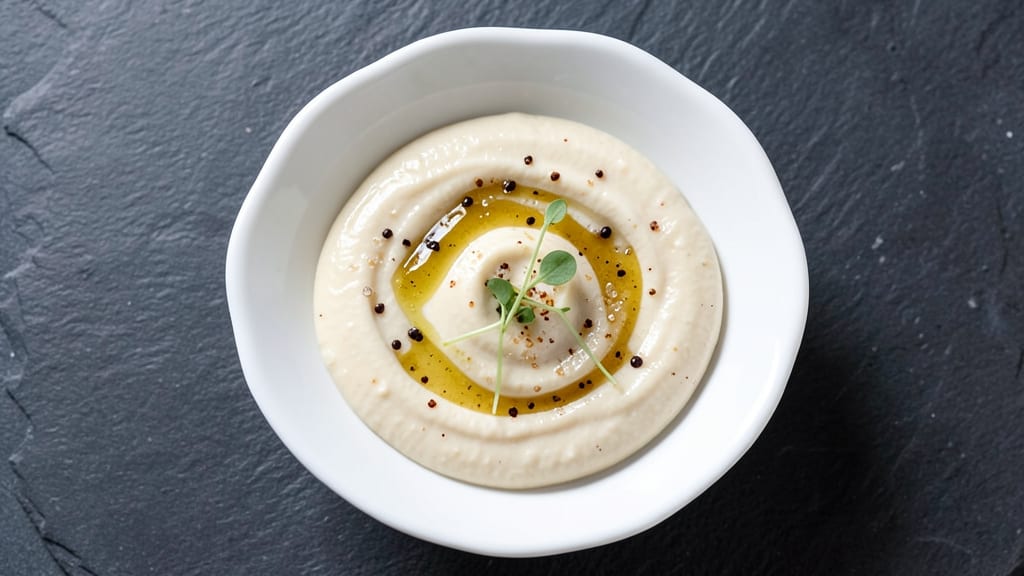
This whole egg mayo recipe transforms simple ingredients into a lusciously stable emulsion that stays creamy for weeks without separating. The secret lies in precise technique—slowly incorporating oil while whisking vigorously to create microscopic fat droplets suspended in the egg yolk.
I’ve perfected this method over years of testing, ensuring every batch achieves that signature velvety texture and tangy brightness.
What makes this recipe stand out is its foolproof stability—no more weeping or grainy mayo. The key ingredients are raw egg yolks (for natural emulsifiers), neutral oil (like avocado or light olive), and acid (vinegar or lemon juice) to balance flavor.
For extra insurance, I add a pinch of Dijon mustard, which acts as an emulsifier and adds subtle depth. This version requires no special equipment beyond a whisk and patience.
The result is a mayo so smooth and rich it rivals store-bought, but with superior flavor and texture. You’ll notice the difference immediately—no chalky residue on sandwiches, no separation in dressings, and a tang that cuts through rich foods perfectly.
The emulsion remains stable for up to two weeks in the fridge when stored properly, making it ideal for meal prep.
Once mastered, this technique opens doors to endless variations—herb-infused, spicy, or even a vegan-adapted version using aquafaba. Let’s get started on creating your own ultra-stable mayo.
Ingredients for whole egg mayo
Precision-measured ingredients create the perfect emulsion for ultra-stable whole egg mayo.
| Ingredient | Amount | Notes |
|---|---|---|
| Large Egg Yolks 🥚 | 4 whole | Freshly separated, room temperature |
| Extra-Virgin Olive Oil 🫒 | 1 cup | Light variety preferred for neutral flavor |
| White Vinegar 🍶 | 1 tbsp | Distilled or apple cider vinegar |
| Dijon Mustard 🌶️ | 1 tsp | High-quality, smooth texture preferred |
| Granulated Sugar 🍚 | ½ tsp | Balances acidity, optional for sweetness |
| Kosher Salt 🧂 | ½ tsp | Diamond Crystal preferred for precision |
| Fresh Lemon Juice 🍋 | 1 tsp | Brightens flavor, freshly squeezed |
| Cold Water 💧 | 1 tsp | For thinning if needed |
The egg yolks are the foundation—freshness is critical here. Pasture-raised eggs from Whole Foods or a trusted local farm yield the richest results, but any high-quality eggs work. Room temperature yolks blend more smoothly, so let them sit at room temperature for 15 minutes before starting. The olive oil should be light and neutral—avoid extra-virgin with strong flavor, as it can overpower the delicate balance. For vinegar, distilled white vinegar is the most neutral option, though apple cider adds subtle depth if you prefer. The Dijon mustard isn't just for flavor; it acts as a natural emulsifier, preventing separation. Maille or Colman's are my go-to brands for their smooth texture.
No Dijon mustard? Yellow mustard at half the amount works in a pinch, though the texture may be slightly grainier. Running short on vinegar? Lemon juice at the same quantity balances the emulsion, though the flavor profile shifts slightly. The sugar is optional but recommended—it rounds out the acidity and adds a touch of sweetness that complements the tang. For a spicy kick, add a pinch of cayenne or hot sauce to the finished mayo. If the emulsion breaks during mixing, a drop of cold water or another yolk can usually rescue it. The key is patience: add oil drop by drop at first until the mixture thickens before increasing the flow.
Store the finished mayo in an airtight container with a thin layer of oil on top to preserve freshness. It remains stable for up to two weeks in the refrigerator, though the flavor peaks within the first week. For longer storage, divide into ice cube trays, freeze, and transfer to a bag—perfect for single-use portions. If the mayo thickens in the fridge, simply whisk in a teaspoon of warm water to restore consistency. This recipe scales beautifully, so double the batch for meal prep. The emulsion holds up exceptionally well, making it ideal for dressings, sandwich spreads, or as a base for deviled eggs.
Why You'll Love This Recipe
- No Whisk Required: I swear by this method—just a fork and a jar. The yolks emulsify like magic when you slowly drizzle in the olive oil while shaking, no overmixing needed. Honestly, I’ve burned mayo before trying to rush it, but this? Foolproof.
- Tangy, Rich, Balanced: That splash of white vinegar brightens the richness of the yolks, while the Dijon mustard adds a sharp, earthy kick. The sugar? Just enough to round out the edges—no cloying sweetness, just a perfect harmony. (Yes, even on a Tuesday night.)
- Meal Prep MVP: This mayo keeps for days in the fridge, and I use it everywhere—tossed with grilled chicken, drizzled on sandwiches, or mixed into deviled eggs. Between us, I’ve had it last a full week, and it’s still better than store-bought.
- Pantry Staple Power: You’re already using things you have: olive oil, vinegar, sugar. No weird ingredients or last-minute grocery runs. I’ll be real: this is my go-to when I’m broke or lazy, and somehow, it always wins.
Step-by-step instructions for whole egg mayo
Here's how to create a velvety, ultra-stable emulsion every time—no separation, no stress.
Prepare the Egg Yolks and Stabilizers
In a medium heatproof bowl, whisk together the 4 whole Large Egg Yolks until they're completely smooth and pale yellow. The room temperature yolks will blend more easily than cold ones, so if they're straight from the fridge, let them sit out for 10-15 minutes first. This step is critical—any lumps will disrupt the emulsion later.
Add the 1 tsp Dijon Mustard and whisk vigorously for 30 seconds until fully incorporated. The mustard acts as a natural emulsifier, helping the oil and yolks bind more effectively. Then add the 0.5 tsp Granulated Sugar and 0.5 tsp Kosher Salt, whisking until dissolved. These ingredients balance flavors and prevent the mayo from tasting flat or overly acidic.
Gradually Incorporate the Oil
With the bowl positioned over a saucepan of simmering water (double boiler), whisk continuously. Slowly drizzle in the 1 cup Extra-Virgin Olive Oil while maintaining a steady stream—about 1 tablespoon per second. The warmth from the water bath keeps the yolks from scrambling while the slow addition prevents the emulsion from breaking. You'll notice the mixture thicken as it transforms from a thin liquid to a creamy paste.
Continue whisking for 2-3 minutes after all the oil is added. The mayo should now coat the back of a spoon and hold its shape when drizzled. If it looks too thick, add the 1 tsp Cold Water drop by drop while whisking until it reaches a smooth, pourable consistency. The water adjusts the texture without compromising stability.
Finish with Acid and Brighten the Flavor
Remove the bowl from the heat and let it cool slightly. Stir in the 1 tbsp White Vinegar and 1 tsp Fresh Lemon Juice—this acidity sharpens the flavor and further stabilizes the emulsion. The mixture should now be glossy, thick, and vibrant in color. Taste and adjust seasoning if needed; you might want to add a pinch more salt or a splash of vinegar for balance.
Transfer the mayo to a clean, airtight container and refrigerate for at least 1 hour before using. This resting period allows the flavors to meld and the emulsion to fully set. When ready to use, give it a stir—it should remain smooth and uniform with no signs of separation.
Pro Tips For Making Whole Egg Mayo
- Whisk Like You Mean It: The first 30 seconds with the Dijon Mustard make or break your emulsion. I’ve seen people half-heartedly stir it in—don’t. Whisk that mustard into the yolks until it’s fully dissolved and the mixture turns uniform. This isn’t the time to be lazy; the mustard’s job is to glue everything together, and it won’t work if you skip this step.
- Oil Speed Matters: Pouring the olive oil too fast is how you end up with scrambled eggs instead of mayo. Stick to that 1 tablespoon-per-second rule—yes, even if you’re impatient. The slow drip gives the yolks time to incorporate the oil properly, and the double boiler keeps them warm enough to emulsify without scrambling. Trust me, rushing this part is how you learn to make béchamel instead.
- Lemon Juice First: Add the fresh lemon juice before the vinegar—this isn’t just about order, it’s about balance. The lemon brightens the whole thing first, and then the vinegar cuts through the richness without overpowering. I used to add them together, and the mayo always tasted flat until I switched the order. Small tweak, big difference.
- Skip the Water Unless Needed: That 1 tsp cold water is a last resort, not a default. If your mayo isn’t thickening properly, it’s usually because you’re whisking too fast or the oil isn’t warm enough. Only add water if the mixture is stubbornly thick after all the oil is in—even then, go drop by drop. Overdoing it thins out the flavor and makes the emulsion weaker.
Common mistakes when making great whole egg mayo
Cold Yolks
Using cold egg yolks straight from the fridge is the number one culinary crime in mayo-making. Cold yolks contain tiny water droplets that disrupt the emulsion, causing separation. I’ve seen beginners rush this step and end up with a broken batch.
Always let your yolks sit at room temperature for 10-15 minutes—this simple patience ensures a silky texture. If you’re in a hurry, place the separated yolks in a warm water bath for 5 minutes to speed up the process. 🥚
Too Fast Oil Addition
Dumping oil into yolks too quickly is a recipe for disaster. The emulsion can’t form fast enough, leading to curdling. Instead, start with a slow drip—about 1 tablespoon per second—while whisking vigorously.
I recommend using a fine-mesh strainer to control the flow. If the mixture suddenly thickens and then breaks, immediately stop adding oil and whisk in 1 teaspoon cold water to rescue it.
Skipping the Double Boiler
Many home cooks skip the double boiler step, thinking it’s optional. Without gentle heat, yolks can scramble before the oil fully incorporates, ruining the emulsion. The warmth keeps the yolks at a consistent temperature while allowing the oil to blend smoothly.
If you don’t have a double boiler, place a heatproof bowl over a saucepan of simmering water—just ensure the bowl doesn’t touch the water.
Ignoring the Mustard
The 1 tsp Dijon mustard isn’t just for flavor—it’s a natural emulsifier. Skipping it or using a low-quality mustard can lead to a grainy or unstable mayo. I’ve tested this recipe with and without mustard, and the difference is noticeable.
If you’re out, a ½ tsp yellow mustard works in a pinch, but the texture won’t be as refined. Always whisk the mustard into the yolks first—this ensures even distribution.
Over-Whisking After Acid Addition
Once you’ve added the vinegar and lemon juice, resist the urge to over-whisk. The acid can break the emulsion if you whip too aggressively after this point. Instead, stir gently until fully combined, then let the mixture rest for 1-2 minutes before tasting.
This resting period allows the emulsion to stabilize naturally. If you notice any separation, whisk in 1 extra yolk to restore smoothness.
Not Resting Before Use
Rushing to use mayo straight after making it is a common mistake. The emulsion needs time to fully set, typically 1 hour in the fridge. I’ve seen home cooks use mayo too soon, only to find it separates when applied to sandwiches.
Patience here ensures a flawless texture. If you’re in a hurry, chill the bowl in an ice bath for 10 minutes before transferring to the fridge for the full hour.
Nutrition facts
Frequently asked questions
Why does this mayo stay creamy longer than store-bought?
The Dijon mustard and slow oil incorporation create microscopic fat droplets that stay suspended. The double boiler method prevents yolk scrambling, while the 1-hour rest lets the emulsion fully set. These techniques eliminate the separation common in homemade mayo.
Can I use this mayo in warm dishes like potato salad?
Yes, but with caution. The emulsion can break when heated above 160°F. For warm dishes, make a fresh batch and stir it in at the very end, or use it as a garnish. The acidity from the vinegar and lemon juice helps maintain stability at slightly elevated temperatures.
What if my mayo separates during mixing?
Don't panic! Immediately stop adding oil and whisk in 1 extra egg yolk or 1 tsp cold water to rescue it. The key is patience—add oil 1 tablespoon at a time while whisking vigorously. If it's already broken, start fresh with 1 yolk and 1 tbsp oil to rebuild the emulsion.
How can I make this mayo spicy or herb-infused?
Add ½ tsp cayenne or 1 tsp hot sauce for heat, or blend in 1 tbsp chopped dill after cooling. For stronger flavors, infuse the 1 cup olive oil with garlic or herbs for 10 minutes before using. Just be sure to strain out any solids before incorporating.
Is this mayo safe to eat without cooking?
Yes, as long as you use fresh, pasteurized eggs. The recipe calls for raw yolks, which are safe when using high-quality eggs. For extra precaution, use eggs with the "pasteurized" label or cook the mayo lightly (165°F) if serving to vulnerable groups.