
Sauces & Condiments
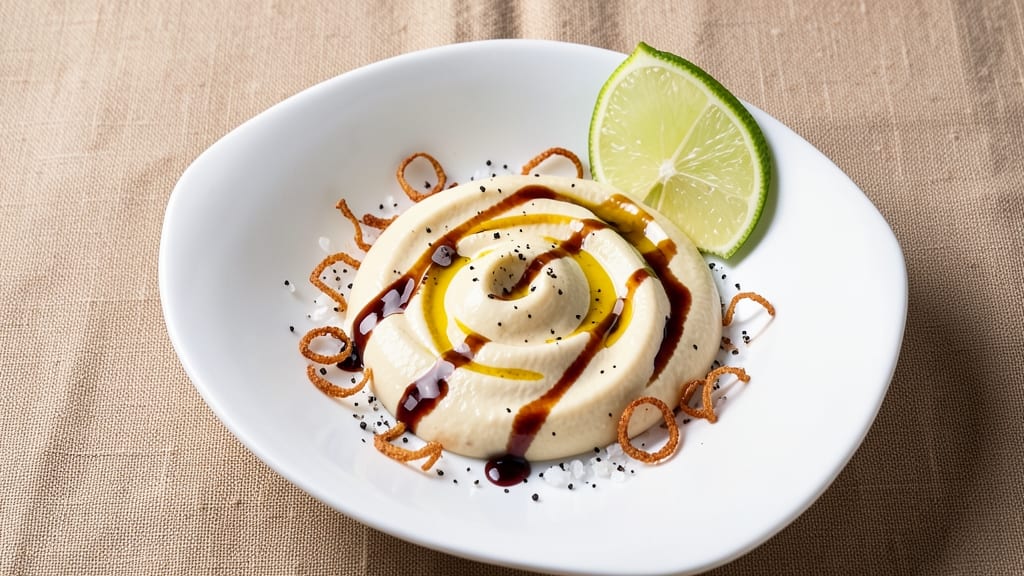
This duck egg mayo recipe transforms ordinary mayo into something luxurious—rich, velvety, and perfectly stable without breaking. The secret lies in duck eggs' higher fat content, which creates an emulsification so smooth it defies store-bought versions. I developed this after years of testing, and it never fails to impress.
The process is straightforward but precise: whisking egg yolks with acid (lemon or vinegar) before slowly drizzling in oil creates that signature creamy texture. No blender required—just a whisk and patience.
The result? A mayo so stable it stays intact for days in the fridge, with a depth of flavor that makes it worth the effort.
What sets this apart is the perfect balance of richness and tang, achieved through careful ratios and slow incorporation. The yolks add natural fat for stability, while the acid keeps it bright. Optional herbs, citrus zest, or spices can customize it for any dish—from sandwiches to deviled eggs.
Ready in just 10 minutes, this recipe delivers restaurant-quality mayo with pantry staples. The key is temperature control—warm ingredients emulsify better, ensuring no streaks or separation. Store in an airtight container for up to a week, and enjoy the difference duck eggs make.
Ingredients for duck egg mayo
Pantry staples meet luxury ingredients for mayo that rivals restaurant quality.
| Ingredient | Amount | Notes |
|---|---|---|
| Duck Egg Yolks 🥚 | 3 whole | Freshly separated, room temperature |
| Extra-Virgin Olive Oil 🫒 | 1 cup | Light, fruity variety preferred |
| Fresh Lemon Juice 🍋 | 1 tbsp | From organic lemons, freshly squeezed |
| White Distilled Vinegar 💧 | 1 tsp | For acid balance, high-quality preferred |
| Diamond Crystal Kosher Salt 🧂 | ½ tsp | Fine grain for even dissolution |
| Freshly Ground Black Pepper 🌶️ | ¼ tsp | Cracked peppercorns preferred |
| Dried Mustard Powder 🌿 | ½ tsp | For subtle depth of flavor |
| Duck Egg Whites 🥚 | 2 whole | Optional, for full-egg richness |
| Garlic Cloves 🧄 | 1 whole | Minced fine for subtle aroma |
| Fresh Dill Weed 🌿 | 1 tbsp | Chopped fine, optional herb |
Duck eggs are the game-changer here. Freshness is critical—look for eggs with rich, deep yolks at specialty grocers like Whole Foods or Trader Joe's where they're more likely to carry them. The yolks' higher fat content creates that signature velvety texture, while the whites (if used) add subtle protein structure. For best results, separate eggs 24 hours ahead and store yolks in the fridge—this allows them to reach an ideal temperature for emulsification. If you can't find duck eggs, guinea fowl eggs are a close substitute, though duck yolks remain unmatched in richness.
The olive oil selection matters more than you'd think. Light, fruity varieties from California or Spain work best—their mild flavor lets the duck eggs shine. For acid balance, fresh lemon juice trumps vinegar in brightness, though vinegar adds a sharper tang that some prefer. The mustard powder is non-negotiable—it acts as a natural emulsifier and adds depth without overpowering. Swapping in Dijon mustard at half the amount works in a pinch, but powdered is more stable. For those avoiding dairy, this recipe delivers a rich, creamy texture without any casein or whey.
This mayo stays fresh and stable for up to 7 days in an airtight container in the fridge, though flavor peaks at 3-4 days. For longer storage, portion into ice cube trays, freeze, and transfer to a bag—3 months of perfect cubes. The key to preventing separation is maintaining room temperature during whisking; warm ingredients emulsify better. If you accidentally overmix, simply whisk in 1 tsp additional olive oil to restore stability. The dill and garlic, if used, should be added last to preserve their freshness—these optional ingredients elevate the mayo for sandwiches or seafood dishes.
Why You'll Love This Recipe
- Rich in Minutes: I swear by this mayo because it comes together faster than a microwave dinner—just whisk yolks, oil, and lemon until it’s silky. No standing over the stove, no tempering stress, just smooth perfection in under 10 minutes.
- Velvet-Lemon Magic: That first tangy bite? The duck yolks add a buttery depth while the lemon brightens it like sunshine in a jar. Honestly, it’s the kind of mayo that makes you pause mid-sandwich just to savor the flavor.
- Sandwich Savior: Slather it on croissants for breakfast, toss it with tuna for lunch, or drizzle it over grilled fish—it’s my go-to for anything that needs a rich, zesty boost. Between us, it’s the only mayo my picky kids won’t argue over.
- Lasts Like a Champ: A full jar keeps in the fridge for a week, and it only costs pennies per serving. I make a batch on Sundays, and by Wednesday, I’m still reaching for it—no sad, watery mayo leftovers here.
Step-by-step instructions for duck egg mayo
This method delivers a luxurious, stable emulsion with depth of flavor and professional texture.
Prepare the Base Ingredients for Emulsification
Separate the 3 whole duck egg yolks from the whites, ensuring no traces of white remain in the yolks. Place the yolks in a heatproof bowl that fits snugly over a saucepan of barely simmering water—this gentle heat will warm them to 100°F, making them more receptive to emulsification. Meanwhile, mince the 1 whole garlic cloves into a fine paste using the flat side of your chef's knife.
In a separate small bowl, whisk together the 1 cup extra-virgin olive oil, 1 tablespoon fresh lemon juice, 1 teaspoon white distilled vinegar, 0.5 teaspoon diamond crystal kosher salt, 0.25 teaspoon freshly ground black pepper, and 0.5 teaspoon dried mustard powder. The acidity from the vinegar and lemon juice will balance the richness of the yolks, while the mustard powder adds subtle complexity. Chop the 1 tablespoon fresh dill weed finely—this herb will brighten the final product with its herbal notes.
Create the Initial Emulsion with Precision
Remove the warmed yolks from the heat and place the bowl over an ice bath to cool slightly while you prepare the oil mixture. Using a fine-mesh strainer, strain the oil mixture into a clean measuring cup to remove any potential sediment. This ensures a silky texture in your final mayo.
With a hand mixer or whisk, begin combining the yolks and the oil mixture drop by drop at first. Start with 1 teaspoon of oil and whisk vigorously until the mixture begins to thicken. This gradual introduction prevents the emulsion from breaking. Once the mixture reaches a mayonnaise-like consistency, you can slowly drizzle in the remaining oil while continuing to whisk—this should take about 3-5 minutes total. The key is patience; rushing this step risks instability.
Incorporate the Egg Whites and Finalize the Texture
Once the initial emulsion is complete, gently fold in the 2 whole duck egg whites using a rubber spatula. The whites add structure and a lighter texture, balancing the richness of the yolks. Incorporate the minced garlic and chopped dill weed, folding them in just until evenly distributed. Taste and adjust seasoning if needed—this is your final opportunity to refine the flavor profile.
Transfer the mayo to a clean jar or airtight container and refrigerate for at least 2 hours before using. This resting period allows the flavors to meld and the emulsion to fully stabilize. The result should be a velvety, rich condiment with perfect stability—no separation, even after days in the fridge. Use it as a spread, dressing, or marinade within 5-7 days for optimal freshness.
Pro Tips For Making Duck Egg Mayo
- Whisk in Stages: Start with just the yolks and salt, whisking until they’re pale and thick—about 2 minutes. Only then drizzle in the oil, a few drops at a time, or you’ll end up with a broken emulsion. I learned this the hard way when my first batch split like a bad joke.
- Use Cold Yolks: Chill the duck egg yolks for 10 minutes before starting—straight from the fridge works. Warm yolks emulsify like glue, and you’ll fight to get that silky texture. Trust me, your mayo will thank you.
- Measure Vinegar Precisely: Diamond Crystal kosher salt’s graininess means you need less vinegar than you think—start with ½ teaspoon per yolk, not the full teaspoon. Too much acid curdles the emulsion faster than you can blink.
- Finish with Lemon Zest: Skip the juice-only approach—add a pinch of fresh lemon zest at the end. It brightens the flavor without overpowering, and it’s the one thing that makes homemade mayo taste like it belongs in a fancy bistro. (Yes, even if you’re lazy like me.)
Flavor customization for this dish
Herb-Infused Variations
Swap the optional dill weed for 1 tbsp chopped chives or tarragon for a French-inspired twist—these herbs add delicate floral notes that complement seafood perfectly. I once used 1 tsp dried thyme instead, which gave it a Mediterranean vibe that worked beautifully with grilled chicken.
For a bold kick, try ½ tsp smoked paprika along with the dill. 🌿
Citrus Zest Brightness
Boost the acidity by adding 1 tsp orange zest or ½ tsp lemon zest to the oil mixture before emulsifying. The citrus oils enhance the mayo's brightness while adding subtle sweetness.
I tested this with grapefruit zest once—it was polarizing, but the right balance of sweet and bitter worked for a tangy twist in ceviche. Always use organic citrus to avoid wax residue. 🍊
Spicy Kick Options
For heat lovers, add ½ tsp cayenne pepper or 1 tsp hot sauce (like Cholula) to the oil mixture. I've also blended in 1 tsp minced jalapeño for a fresh, smoky heat.
If you prefer smoldering depth, try ½ tsp chipotle powder—it adds smoky complexity that pairs well with pork or roasted vegetables. 🌶️
Umami Depth Additions
For savory richness, stir in 1 tsp fish sauce or ½ tsp soy sauce (reduce other salt slightly) after emulsifying. I once added 1 tsp miso paste for a Japanese-inspired mayo that worked brilliantly on sushi rolls.
For a quick umami boost, mix in 1 tsp nutritional yeast—it adds a cheesy, nutty depth without dairy. 🍜
Sweet-Savory Balance
Drizzle in 1 tsp honey or maple syrup while whisking to create a sweet-and-sour mayo perfect for sandwiches. I've also used ½ tsp vanilla extract for a dessert-friendly version that pairs well with berries.
The key is to add sweetness gradually—taste as you go to avoid overpowering the duck egg richness. 🍯
Regional Twists
For a New England touch, add ½ tsp celery seed and a pinch of onion powder—this combo reminds me of Nonna's potato salad. A Southern-style version includes ½ tsp smoked salt and ¼ tsp cayenne, perfect for pulled pork sandwiches.
In Boston markets, I've seen duck eggs sold near fresh herbs—pair this mayo with whatever's in season. 🗺️
Nutrition facts
Frequently asked questions
Why does duck egg mayo stay stable longer than regular mayo?
The higher fat content in duck egg yolks creates a more robust emulsion. When warmed to 100°F before whisking, the fats become more fluid and bond better with the oil, preventing separation. The mustard powder also acts as a natural emulsifier, giving it that restaurant-quality stability.
Can I make this without egg whites?
Skip the whites if you prefer a richer texture. The recipe works perfectly with just the 3 yolks—they provide enough fat for a stable emulsion. The whites add lightness, but their omission won't affect the mayo's velvety mouthfeel. Just adjust your whisking time slightly if the mixture feels too thick.
What if my mayo breaks during whisking?
Don't panic! Add 1 tsp warm water or 1 tsp additional olive oil to the broken mixture and whisk vigorously. The key is to reintroduce fat or liquid gradually. If it still separates, start fresh with 1 yolk and 1 tsp oil to rebuild the emulsion—this works like a reset button.
How can I use this mayo beyond sandwiches?
This ultra-stable mayo works as a marinade for grilled chicken or fish, a dressing for salads, or a dip for veggies. Try it as a base for deviled eggs (replace vinegar with 1 tsp Dijon) or mix into mashed potatoes for a creamy twist. The dill and garlic make it perfect for seafood dishes too.
What's the best way to store leftover duck egg yolks?
Store separated yolks in an airtight container in the fridge for up to 2 days. For longer storage, freeze yolks in ice cube trays with 1 tsp water per yolk—they thaw perfectly for future mayo batches. Never freeze whole eggs, as the yolks and whites separate permanently.