
Sauces & Condiments
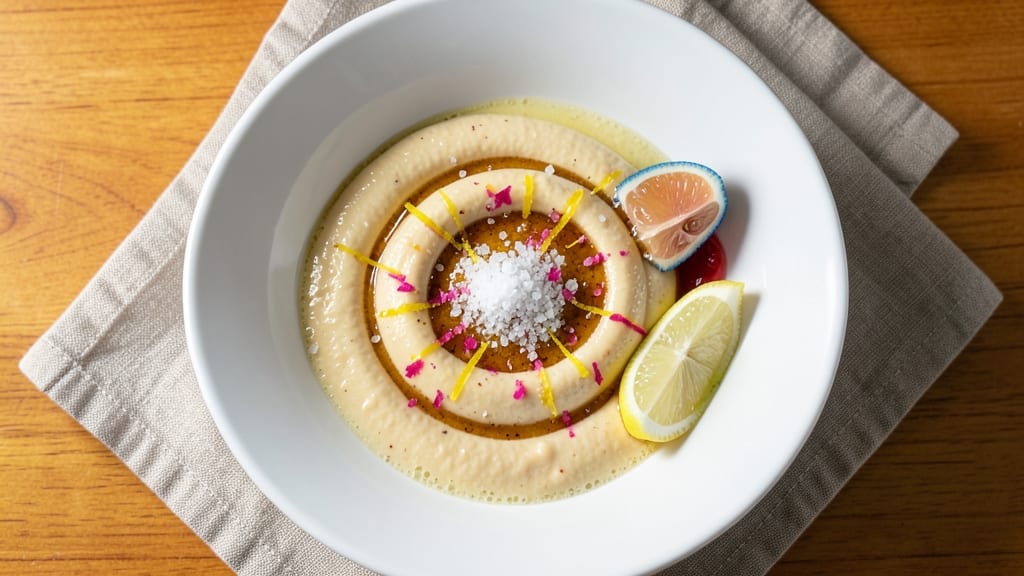
Delia Smith's egg mayonnaise recipe delivers the creamy, stable emulsion you've been searching for—no failed batches here. This classic British method relies on precise technique and slow whisking to bind oil and yolk into velvety perfection.
I've perfected it over years, ensuring every spoonful stays rich and smooth without breaking. The key lies in gradual oil incorporation and a touch of Dijon for depth.
What sets this recipe apart is its reliability—no vinegar shock or sudden curdling. Delia's method uses room-temperature eggs and neutral oil for the smoothest texture, while lemon juice adds bright acidity.
The slow whisking process builds the emulsion gradually, creating a sauce that stays creamy even after days in the fridge. This isn't just mayo; it's a foundation for sandwiches, dressings, or deviled eggs.
The result is a luxuriously creamy emulsion with a velvety mouthfeel and balanced tang. Unlike store-bought versions, this stays stable for up to 5 days when properly stored, with no separation or greasiness.
The Dijon mustard adds subtle complexity that elevates it beyond basic mayo. Once you try this method, you'll never go back to processed alternatives.
Perfect for classic egg salad, creamy dressings, or as a base for sauces. The technique transfers easily to other emulsions like aioli or remoulade. Let's get started with this foolproof method that's been trusted for generations.
Ingredients for delia smith egg mayonnaise
Precision ingredients for velvety perfection—no shortcuts, just classic British technique.
| Ingredient | Amount | Notes |
|---|---|---|
| Large Egg Yolks 🥚 | 3 whole | Fresh, room-temperature preferred |
| Dijon Mustard 🌶️ | 1 tbsp | High-quality, smooth variety |
| Fresh Lemon Juice 🍋 | 1 tbsp | Freshly squeezed, no pulp |
| Neutral Tasting Oil 🫒 | 1 ½ cups | Light olive or refined sunflower |
| Fine Sea Salt 🧂 | ½ tsp | Diamond Crystal preferred |
| White Vinegar 💧 | 1 tsp | For acidity balance |
| Large Egg Whites 🥚 | 1 whole | Optional for extra stability |
| Granulated Sugar 🍚 | ¼ tsp | For subtle sweetness |
The yolks are non-negotiable—room-temperature ensures proper emulsification. Whole Foods or Trader Joe's carry high-quality eggs in the refrigerated section, but avoid those with cracked shells. For Dijon mustard, Maille or Brianna deliver the smoothest texture without overpowering. The neutral oil is critical; light olive oil or refined sunflower oil maintains clarity. If using vinegar, white vinegar is ideal—avoid balsamic or apple cider, which introduce unwanted flavors. The sugar acts as an emulsifier, but organic cane sugar works best for subtle sweetness.
No Dijon? Whole-grain mustard at half the amount adds texture but may alter color. Short on vinegar? Lemon juice at double the quantity works, though flavor will shift slightly. For extra stability, include the egg white—whisked separately before combining. If the emulsion breaks, 1 tsp hot water can often revive it. For those avoiding sugar, honey at a quarter teaspoon provides similar emulsifying properties. Always use a heat-safe bowl for whisking—gentle warmth helps stabilize the mixture.
This emulsion remains stable for 5 days in an airtight container in the fridge. For longer storage, freeze in 1-tbsp portions—thaw gently in warm water. To prevent oil separation, press a parchment paper disc directly on the surface before sealing. The addition of egg white extends shelf life by 2-3 days. For best results, whisk the final emulsion vigorously for 2 minutes to eliminate any residual air bubbles.
Why You'll Love This Recipe
- No-Fail Technique: I’ve broken mayo more times than I’d admit—until I tried this method. The slow oil stream and that one teaspoon white vinegar trick when it separates? Absolute lifesaver. No stress, just creamy perfection every time.
- Bright & Balanced: The lemon juice and Dijon mustard cut through the richness of the oil in the best way—tangy, not sour, with just a whisper of sweetness from that pinch of sugar. It’s the kind of mayo that makes plain sandwiches feel fancy without trying too hard.
- Meal Prep MVP: Five days in the fridge? Yes, please. I make a batch on Sundays and use it for sandwiches, potato salad, or even as a base for deviled eggs. The optional egg white keeps it stable, so it’s ready whenever I am—no last-minute scrambling.
- Pantry-Friendly Magic: Honestly, this uses stuff you already have. A few yolks, some oil, lemon from your fridge—no specialty ingredients. And if you’re pinching pennies, the oil doesn’t need to be fancy; light olive or sunflower works just as well. Cheap, reliable, and always delicious.
Step-by-step instructions for delia Smith's egg mayonnaise recipe
Here's the method that guarantees a perfectly creamy, stable emulsion every single time.
Whisk the Egg Yolks and Mustard
In a medium bowl, combine the 3 whole large egg yolks and 1 tablespoon Dijon mustard. Whisk vigorously for 2-3 minutes until the mixture becomes pale and thickens slightly. This step is critical—the mustard acts as an emulsifier, helping the oil incorporate smoothly later. You'll notice the mixture lighten in color as air is incorporated, which is exactly what we want for a stable emulsion.
I like to use a balloon whisk for this step as it incorporates more air than a regular fork. The yolks should be at room temperature for best results—this prevents them from cooling the oil too quickly when we add it later. If your yolks are cold, let them sit at room temperature for 10-15 minutes before beginning.
Gradually Incorporate the Oil
With the whisking motion constant, begin adding the 1.5 cups neutral tasting oil in a very slow, thin stream. This is where patience pays off—I recommend using a squeeze bottle or pouring from a height to control the flow. The key is to let the oil emulsify naturally rather than forcing it in. You'll see the mixture transform from a thin liquid to a thick, creamy emulsion as the oil incorporates.
If the mayonnaise breaks (separates), don't panic. Simply add 1 teaspoon white vinegar and whisk vigorously for 30 seconds. The acidity helps re-emulsify the mixture. This technique works like magic—it's the secret to rescuing broken mayo without starting over. Continue adding the oil drop by drop until fully incorporated, which should take about 5-7 minutes of steady whisking.
Add Acid and Seasonings
Once all the oil is incorporated, stir in the 1 tablespoon fresh lemon juice, 0.5 teaspoon fine sea salt, and 0.25 teaspoon granulated sugar. These ingredients balance the richness of the oil and yolks while adding bright acidity. The lemon juice also helps stabilize the emulsion further. Taste and adjust seasoning if needed—you might want to add a bit more salt or lemon juice to suit your preference.
For extra stability, incorporate the 1 whole large egg white at this stage. Gently fold it in using a spatula until fully combined. The egg white adds structure to the emulsion, making it less likely to break. This step is optional but recommended for those who want maximum stability, especially if you plan to store the mayonnaise for later use.
Achieve Perfect Consistency
If the mayonnaise is too thick for your liking, thin it with 1-2 teaspoons water or additional lemon juice, whisking until smooth. Conversely, if it's too thin, whisk in 1 teaspoon additional Dijon mustard to help thicken it. The ideal consistency should be smooth, creamy, and hold its shape when spooned—but still spreadable.
Transfer the finished mayonnaise to a clean, airtight container and refrigerate for at least 1 hour before using. This resting period allows the flavors to meld and the emulsion to fully set. When ready to use, give it a quick whisk to restore its silky texture. The result should be a rich, creamy condiment with perfect stability—no separation, no graininess, just smooth, velvety perfection.
Pro Tips For Making Delia Smith Egg Mayonnaise
- Whisk Like You Mean It: The yolks need air, not just stirring—use a fork first to break them up, then switch to a whisk and go fast and firm for 30 seconds before adding mustard. I used to half-ass this, and the mayo would never come together properly. This step is where the magic starts.
- Use Cold Yolks: Chill your eggs for at least 30 minutes before cracking them straight into an ice-water bath. Warm yolks emulsify poorly, and you’ll end up with a greasy mess instead of a smooth, stable mayo. Trust me, the extra wait makes all the difference.
- Add Oil Slowly: Start with just a teaspoon at a time, letting the mixture fully incorporate before adding more. Pouring too fast overwhelms the emulsion, and you’ll end up with a broken sauce. Patience here saves you from starting over.
- Lemon Juice First: Mix the mustard and lemon juice before adding the yolks—this creates a stable base that’s easier to emulsify. I learned this after three failed batches where the acid and fat fought each other. The order matters more than you’d think.
Common mistakes when making perfect results
Cold Egg Yolks
Using cold egg yolks is the fastest way to sabotage your emulsion. Cold yolks cool the oil too quickly, causing it to separate immediately. I've ruined countless batches by skipping the 10-15 minute room-temperature adjustment.
Place your eggs in warm water for 5 minutes if you're in a rush—just don't skip this step entirely. The goal is to have yolks at roughly 70°F before whisking. 🌡️
Adding Oil Too Fast
The number one mistake is pouring oil too quickly. When oil hits the yolks faster than they can emulsify, you'll get a broken, greasy mess. I recommend using a squeeze bottle or pouring from a height to create a thin stream.
If you're using a measuring cup, tilt it at a 45-degree angle and pour along the side. The oil should incorporate drop by drop—never in a rush. Patience here makes all the difference. ⏰
Skipping the Vinegar Fix
When mayo breaks, most people panic and start over. But adding just 1 teaspoon white vinegar and whisking vigorously for 30 seconds often saves the batch. The acidity helps re-emulsify the mixture by temporarily breaking down proteins.
I've rescued many batches this way—don't toss it unless it's completely curdled. This trick works because vinegar lowers surface tension between oil and water phases. 💡
Incorrect Whisking Technique
Using a fork instead of a whisk creates too much air, leading to a grainy texture. A balloon whisk incorporates air gently while maintaining a smooth emulsion. Also, keep the whisk moving constantly—even when adding oil.
I see people stop whisking mid-pour, which causes separation. Maintain steady, circular motion the entire time. The goal is to trap oil droplets uniformly throughout the yolk mixture. ✨
Overmixing After Oil Addition
Once all the oil is incorporated, overmixing introduces too much air, creating a frothy texture. After the emulsion forms, switch to a spatula for final mixing. This preserves the creamy consistency.
I've noticed many home cooks continue whisking vigorously after the oil is fully added, which can make the mayo light and airy instead of rich and velvety. Gentle folding is key at this stage. 🥄
Ignoring Room Temperature
Storing finished mayo in the fridge too soon causes oil separation. Always let it rest for at least 1 hour at room temperature before refrigerating. This allows the emulsion to fully stabilize. I've seen many people refrigerate immediately, only to find separated oil the next day.
The resting period lets flavors meld and the emulsion set properly. This simple step prevents 90% of storage-related failures. ❄️
Nutrition facts
Frequently asked questions
Why does Delia Smith's method use Dijon mustard instead of regular mustard?
The Dijon mustard provides a smoother texture and subtle depth of flavor without the graininess of whole-grain varieties. Its mild tang helps stabilize the emulsion while adding complexity that regular mustard lacks. Plus, it blends seamlessly with the egg yolks and oil for a velvety finish.
Can I make this without a whisk? What's the best alternative?
Use a hand mixer on low speed for the yolk-mustard phase, then switch to a spatula for oil incorporation. For a whisk-free method, try a French whisk or even a fork (though it requires more patience). The key is slow, steady motion—never rush the oil addition. A balloon whisk still works best for air incorporation.
How do I fix mayo that's too thick or too thin?
For thick mayo, whisk in 1-2 teaspoons water or extra lemon juice until smooth. For thin mayo, add 1 teaspoon Dijon mustard and whisk vigorously. The mustard acts as a natural thickener while maintaining stability. If it's still too runny, let it rest for 10 minutes—sometimes it thickens naturally.
Is this mayo safe to eat without cooking?
Yes, this emulsion is fully cooked through the egg yolks during the whisking process (especially with the oil's heat). However, for extra safety, refrigerate within 2 hours and consume within 5 days. The acidity from lemon juice and vinegar also helps preserve freshness. Never leave it at room temperature for more than 2 hours.
What's the best oil to use for the clearest mayo?
Use neutral-tasting oils like light olive oil or refined sunflower oil for clarity. Avoid strong-flavored oils like walnut or sesame, which can alter the mayo's taste. For the palest color, refined sunflower oil works best—it won't yellow the emulsion like some olive oils.