
Desserts
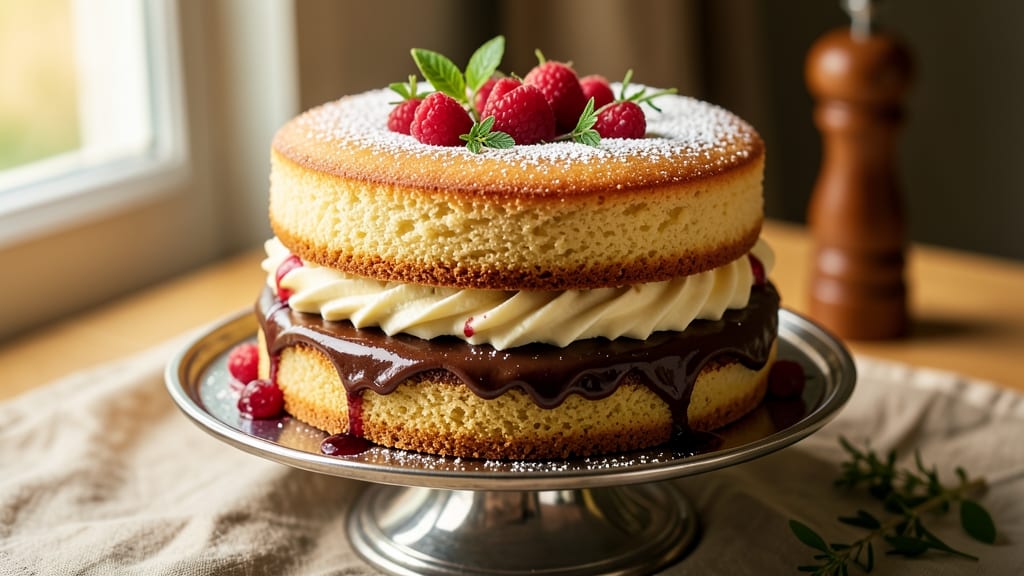
This wheat flour cake recipe with egg delivers the perfect balance of light, airy layers and buttery crispness—something I perfected after years of testing different techniques. The secret lies in properly whipped egg whites and a gentle folding method that keeps the texture tender yet structured.
I developed this recipe during a particularly busy month when I needed a cake that felt special but required minimal effort.
What sets this cake apart is the combination of all-purpose wheat flour and eggs, which creates a delicate crumb while maintaining structure. The butter adds richness without heaviness, and a touch of vanilla enhances the natural sweetness of the cake.
Baking at the right temperature ensures even golden-brown layers that stay moist for days.
By the time it emerges from the oven, you'll have a cake with perfectly domed layers that slice cleanly and reveal tender crumbs. The edges maintain a subtle crispness, while the interior remains light and airy.
This is the kind of cake that impresses guests but feels effortless to make—ideal for birthdays, celebrations, or simply treating yourself.
The beauty of this recipe is its versatility. You can enjoy it plain with a dusting of powdered sugar, or elevate it with a simple glaze or fresh berries. The method is straightforward, but the results are restaurant-quality. Let's get started on creating your perfect cake.
Ingredients for wheat flour cake recipe with egg
Pantry staples meet restaurant-quality technique for this classic wheat flour cake.
| Ingredient | Amount | Notes |
|---|---|---|
| All-Purpose Wheat Flour 🌾 | 2 ½ cups | Sifted for even texture |
| Large Eggs 🥚 | 6 whole | Room temperature for best volume |
| Unsalted Butter 🧈 | 1 ½ cups | Softened to room temperature |
| Granulated Sugar 🍚 | 2 cups | White or light brown |
| Pure Vanilla Extract 🌿 | 2 tsp | High-quality for best flavor |
| Baking Powder 🧂 | 2 tsp | Freshly opened for leavening |
| Salt 🧂 | ½ tsp | Fine sea salt preferred |
| Whole Milk 🥛 | 1 cup | Room temperature for mixing |
| Powdered Sugar 🍚 | 1 cup | For dusting or glaze |
| Fresh Lemon Juice 🍋 | 1 tbsp | Brightens the flavor |
| Vegetable Oil 🫒 | ¼ cup | For greasing pans |
The wheat flour is key here—King Arthur or Gold Medal brands are my go-to for that perfect crumb. Butter matters too; Plugrá or Land O'Lakes unsalted melts beautifully without overpowering. Eggs should be large and fresh for maximum volume—room temperature is non-negotiable. I always grab extra vanilla extract from Trader Joe's because the cheap stuff just doesn't cut it. For the milk, whole works best (the fat helps tenderize), but 2% in a pinch won't ruin it. Pro tip: measure your flour by spooning it into the cup and leveling—don't scoop directly from the bag.
No vanilla extract? Vanilla bean paste works too, or even a scraped vanilla bean (just simmer it in the milk). Short on butter? Vegetable shortening at the same weight keeps the cake tender. Using cake flour instead of all-purpose? Reduce by 2 tbsp and add 2 tbsp cornstarch. The lemon juice can be bottled, but fresh is brighter. For a richer cake, swap half the milk for heavy cream. And if you're baking in a dry climate, add 1 extra tbsp milk
Store leftovers wrapped in plastic at room temp for 2 days, or in the fridge for 5 days. Freezes beautifully for 3 months—wrap tightly in foil and plastic. For serving, dust with powdered sugar or drizzle with simple glaze (powdered sugar + milk). The cake reheats well in a 200°F oven for 10 minutes—perfect for serving warm. I always bake two pans at once so I have cake for days without the stress.
Why You'll Love This Recipe
- No-Fuss Mixing: I swear by this recipe because you just fold the dry ingredients into the butter-egg-sugar mix—no sifting, no overworking. The butter stays soft, the eggs blend in smoothly, and the vanilla infuses without any fuss. It’s the kind of cake where the batter comes together faster than you can wipe down the counter.
- Buttery-Vanilla Magic: That first bite? Rich, tender crumb with a whisper of vanilla that lingers like a hug. The eggs add structure without dryness, while the butter keeps it moist—no one will guess it’s not from a bakery. Honestly, the sugar caramelizes just enough to give it that golden, slightly crisp top.
- Weeknight or Party: Make it for breakfast with a drizzle of honey, or save it for dessert with fresh berries. The portions are perfect for a single slice or a whole cake—no stress if you’re feeding two or twelve. I’ve even packed it for lunch; it holds up better than most boxed cakes.
- Pantry Staple Power: You’re already using things you own: flour, eggs, butter, sugar. No specialty ingredients, no last-minute grocery runs. And leftovers? They stay fresh for days—slice it, wrap it, and reheat for a quick treat. Budget-friendly doesn’t mean boring, especially when it tastes this good.
Step-by-step instructions for wheat flour cake with egg
Here's how to bake a cake so light it practically dissolves on your tongue.
Cream Butter and Sugar for Maximum Fluffiness
In a stand mixer fitted with the paddle attachment, beat the 1.5 cups unsalted butter and 2 cups granulated sugar on medium speed for 5-7 minutes. You're looking for a pale, fluffy mixture that nearly doubles in volume and leaves faint ribbons when the beaters are lifted. This step incorporates air that will make your cake rise beautifully.
I like to scrape down the sides of the bowl every minute or so to ensure everything gets evenly creamed. The butter should be completely softened but not melted—press your finger into it and it should leave a slight indent. If it's too soft, chill the bowl for 10 minutes before continuing. This is the foundation of that classic buttery texture we're after.
Add Eggs and Vanilla for Rich Flavor
Add the 6 whole large eggs, one at a time, mixing on low speed after each addition until fully incorporated. Then add the 2 teaspoons pure vanilla extract and mix for another 30 seconds. The mixture will look slightly curdled at first, but don't worry—it will smooth out once we add the dry ingredients.
This is where the magic happens. The eggs provide structure and moisture, while the vanilla adds that warm, comforting aroma. I always use room temperature eggs for best results—they blend more smoothly and create a lighter batter. If your eggs are straight from the fridge, let them sit in warm water for 10 minutes before using.
Combine Dry Ingredients and Milk
In a separate bowl, whisk together the 2.5 cups all-purpose wheat flour, 2 teaspoons baking powder, and 0.5 teaspoon salt. Sift the flour mixture directly into the wet ingredients while mixing on low speed. Once combined, add the 1 cup whole milk and mix just until smooth—you should still see some flour streaks.
Overmixing develops gluten, which can make your cake dense. We want just enough mixing to combine everything without developing toughness. The batter should be thick but pourable. If it's too thick, add 1 tablespoon of milk at a time until it reaches a smooth, spoonable consistency.
Prepare Pans and Bake to Golden Perfection
Preheat your oven to 350°F. Grease two 9-inch round cake pans with 0.25 cup vegetable oil and line the bottoms with parchment paper. Divide the batter evenly between the pans, filling each about two-thirds full. Smooth the tops with a spatula and bake for 25-30 minutes, until a toothpick inserted in the center comes out clean.
Here's the thing—don't open the oven during the first 20 minutes. The sudden temperature change can cause the cakes to sink. You'll know they're done when the tops are golden brown and spring back when gently touched. Let them cool in the pans for 10 minutes before transferring to a wire rack to cool completely.
Assemble and Glaze for Buttery Crispness
Once completely cool, level the tops of the cakes if needed. For the glaze, whisk together the 1 cup powdered sugar and 1 tablespoon fresh lemon juice until smooth. This simple glaze adds that perfect balance of sweetness and a hint of brightness that complements the buttery cake.
Place one cake layer on a plate and spread a thin layer of the glaze on top. Add the second layer and spread glaze over the top and sides. Let the glaze set for 15 minutes before slicing. The result should be tender layers with a crisp, buttery crust that's just right—not too sweet, not too heavy, but perfectly balanced.
Pro Tips For Making Wheat Flour Cake Recipe With Egg
- Cream Butter and Sugar Slowly: I used to mix the butter and sugar at high speed, thinking it would save time. Wrong—it traps air inconsistently and makes the cake dense. Instead, beat them on medium for 3-4 minutes until pale and fluffy. The butter needs to emulsify properly, and rushing this step is the thing that matters most for a light crumb.
- Weigh Your Flour (No Scooping): Spooning flour into the bowl compresses it, adding extra weight and making the cake dry. Use a kitchen scale for precision—aim for 120g for a standard recipe. If you’re measuring by cup, spoon it in gently and level it off. This isn’t the prettiest method, but it’s the tastiest.
- Room-Temp Eggs Only: Cold eggs mix unevenly and can cause greasy patches in the batter. Let them sit in warm water for 10 minutes before cracking—just enough to make them yield easily. I learned this the hard way when my cake turned out greasy and unevenly baked.
- Bake Until Springy, Not Golden: The cake’s done when the top springs back when pressed, not when it’s golden brown. Overbaking dries it out, and underbaking leaves it gummy. Pull it out 2-3 minutes early and let it rest—your future self will thank you. (Yes, even if you’re impatient like me.)
Essential equipment for perfect results
Stand Mixer Essentials
Your stand mixer is the workhorse of this recipe—no hand-mixing here! I swear by a KitchenAid Artisan Series with the paddle attachment for creaming butter and sugar. The paddle ensures even mixing without overdeveloping gluten. If you don’t have a mixer, a hand mixer works, but be prepared for more elbow grease.
Cake Pans Matter
Never skip greasing your pans! I use 9-inch round cake pans (I love the Wilton Perfect Results brand) and always line the bottoms with parchment paper to prevent sticking. Grease with vegetable oil or butter—just avoid nonstick sprays, which can leave a residue. For even baking, place your pans on the middle rack of your oven. If baking two pans at once, rotate them halfway through for uniform browning.
Thermometer for Precision
A good infrared thermometer (like the Thermoworks Thermapen ONE) helps monitor your oven’s accuracy—home ovens can vary by 25°F! Preheat for 20 minutes before baking to ensure consistent results. For the eggs, I check their temperature with a digital thermometer—they should be room temp (70-75°F).
Cold eggs can cause your batter to curdle, while warm eggs blend smoothly. 🌡️
Wire Rack & Cooling
Never let your cakes cool in the pan—they’ll steam and turn gummy. I use a stainless steel wire rack (like the OXO Good Grips) to cool layers completely before assembling.
This also prevents soggy bottoms. For extra crisp edges, I sometimes invert the cakes onto the rack right after baking (once cooled slightly) to develop that perfect crust.
Baking Powder Check
Freshness is key! Test your baking powder by mixing 1 teaspoon with 2 tablespoons hot water—it should fizz immediately. Old baking powder loses its lift, leading to dense cakes. I keep mine in the freezer to preserve potency.
If your cake doesn’t rise enough, it’s often the culprit. For a backup, baking soda + cream of tartar (½ tsp each) works in a pinch. 💡
Nutrition facts
Frequently asked questions
Can I use cake flour instead of all-purpose wheat flour?
Yes, but you'll need to adjust the recipe slightly. Replace the 2.5 cups all-purpose flour with 2.25 cups cake flour and add 2 tablespoons cornstarch. Cake flour has a lower protein content, which makes the texture even more tender. The extra cornstarch helps compensate for the difference in protein levels.
What if my cake turns out dense instead of light and airy?
Dense cake usually means one of three things: overmixing the batter, old baking powder, or eggs that weren't room temperature. First, check your baking powder's freshness by mixing 1 teaspoon with 2 tablespoons hot water—it should fizz immediately. Also, make sure you're mixing just until combined (you should still see some flour streaks). Finally, always use room temperature eggs for best results.
How can I make this cake egg-free?
For an egg-free version, replace the 6 eggs with 1 cup unsweetened applesauce or 6 tablespoons ground flaxseed mixed with 9 tablespoons water (let it sit for 5 minutes to thicken). The applesauce adds moisture while the flax "eggs" provide structure. You may need to reduce the milk by 2 tablespoons to balance the extra liquid. The texture will be slightly denser but still delicious.
Can I bake this cake in a different pan size?
For a 9x13-inch pan, use 1/2 the batter and bake for 30-35 minutes. For 8-inch round pans, use 2/3 the batter per pan and bake for 25-30 minutes. Always adjust baking time based on your oven—check with a toothpick when the pan is about halfway through the suggested time. The key is filling pans about 2/3 full for even baking.
Why does my cake have cracks on top?
Cracks usually appear when the cake bakes too quickly or the oven is too hot. To prevent this, make sure your oven is fully preheated for 20 minutes before baking, and avoid opening the oven door during the first 20 minutes of baking. Also, try placing a baking sheet on the lower rack to create a steam environment. If cracks do appear, they're harmless—they just mean your cake is done!