
Breakfast & Brunch
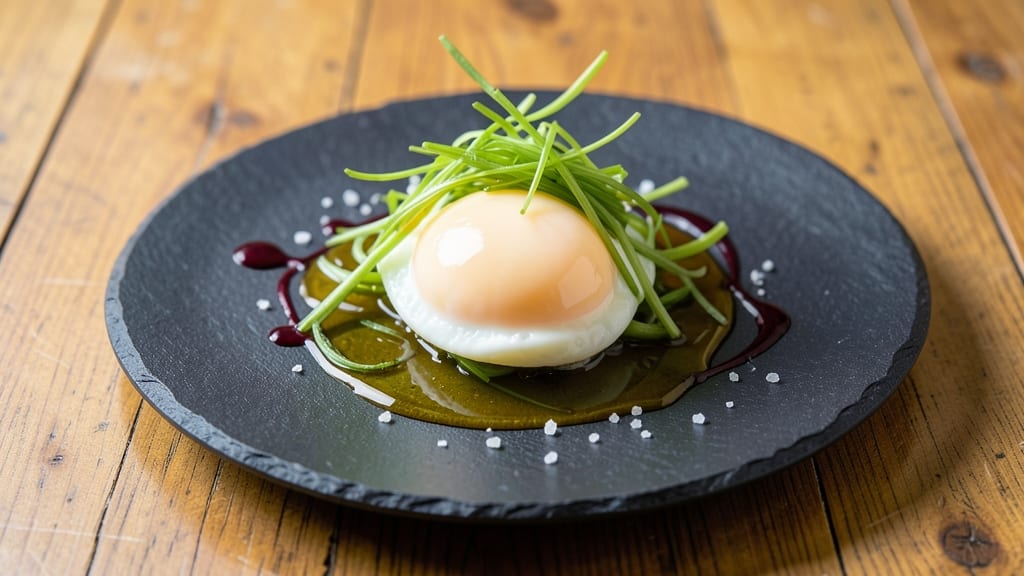
This water poached egg recipe delivers restaurant-quality eggs with silky, vinegar-bright yolks and a delicate crown of crispy celery. The secret lies in precise water temperature and a splash of vinegar—no fancy equipment needed.
I’ve perfected this technique over years of breakfast experiments, and it transforms simple ingredients into an elegant dish that’s ready in just 10 minutes.
The magic happens when you poach the eggs in simmering water (not boiling) with a touch of vinegar to help the whites set cleanly. The result? A velvety yolk that stays perfectly rounded, surrounded by a tender white.
Topping it with toasted celery adds a crunchy contrast that elevates the dish from breakfast staple to brunch showstopper. This method works equally well over avocado toast, ramen, or even a simple bed of greens.
What you’ll end up with is a dish that looks as impressive as it tastes—golden yolks nestled in a crispy celery crown, all resting on a base of your choice.
The vinegar brightens the eggs without overpowering them, while the celery adds a subtle crunch that cuts through the richness. It’s the kind of dish that makes weeknight breakfasts feel like a special occasion.
Whether you’re serving this for a lazy weekend brunch or a quick weekday meal, the technique is foolproof and adaptable. The key is patience—letting the eggs cook just long enough for the whites to set while keeping the yolks runny and luxurious.
Once mastered, you’ll never go back to traditional poaching again.
Ingredients for water poach egg
Four eggs, crisp celery crowns, and silky vinegar-bright yolks—this is your brunch upgrade.
| Ingredient | Amount | Notes |
|---|---|---|
| Large Eggs 🥚 | 4 whole | Freshly laid preferred for best texture |
| White Vinegar 🍶 | ½ cup | White or apple cider vinegar |
| Celery Stalks 🥬 | 4 whole | Thinly sliced on diagonal for crispy crown |
| Olive Oil 🫒 | 2 tbsp | Extra-virgin for best flavor |
| Kosher Salt 🧂 | 1 tsp | Diamond Crystal preferred |
| Granulated Sugar 🍚 | 1 tsp | For water balance |
| Freshly Ground Black Pepper 🌶️ | ¼ tsp | Freshly cracked for best flavor |
| Water 💧 | 4 cups | Filtered or spring water preferred |
| Lemon Juice 🍋 | 1 tbsp | Optional for brightness |
| Avocado Slices 🥑 | 2 whole | Optional base for serving |
| Flaky Sea Salt 🧂 | 1 tsp | For garnish (optional) |
The eggs are the star, so grab the freshest you can find—farmers market eggs if possible, but any good-quality large eggs work. Vinegar is non-negotiable here; it helps the whites set cleanly and keeps yolks vibrant. White vinegar is classic, but apple cider adds subtle depth. For the celery, look for crisp stalks with no brown spots—Trader Joe's or local markets usually have the best selection. Thinly slice them on the diagonal to maximize surface area for crispiness. The olive oil should be extra-virgin—you'll taste the difference in that delicate celery crown.
No white vinegar? Apple cider vinegar or lemon juice works in a pinch, though white vinegar's sharpness is ideal. Running short on celery? Thinly sliced jicama or radishes add a similar crunch. The sugar in the water might seem odd, but it helps balance the vinegar's acidity—don't skip it. For the base, avocado is ideal, but toasted bread or rice works too. Freshly ground pepper is a must—pre-ground loses its punch quickly. And if you're feeling fancy, microgreens or edible flowers make beautiful garnishes.
Eggs poach best when used within 3 days of purchase—store them in the coldest part of your fridge. Celery keeps 5-7 days wrapped in damp paper towels. The vinegar and water mixture can be prepped ahead and stored in the fridge for up to 2 days. For the celery crown, toast it in the olive oil just before serving—2 minutes max—so it stays crisp. Leftovers? Poached eggs reheat beautifully in warm water for 2 minutes, but the celery crown loses its crunch—save that for fresh batches.
Why You'll Love This Recipe
- Here’s what sold me: the celery. Not just for flavor—it’s the texture. That crisp snap against the silky egg? It’s like a little surprise in every bite. And honestly? It’s the only veggie my picky kid will eat this way.
- Five-Ingredient Magic: I swear by this recipe when I’m too tired to measure. Just crack eggs into vinegar-water, add celery for crunch, and let the simmer do the work—no flipping, no fuss. That’s it. The vinegar keeps things bright and clean, while the olive oil gives the yolks a velvety finish.
- Celery’s Secret Boost: Here’s what sold me: the celery. Not just for flavor—it’s the texture. That crisp snap against the silky egg? It’s like a little surprise in every bite. And honestly? It’s the only veggie my picky kid will eat this way.
- Breakfast or Dinner: I make this for lazy Sundays and weeknight dinners. Serve it with toast for a quick bite, or pile it on rice for a light supper. The eggs stay tender, so they work just as well cold in salads the next day.
Step-by-step instructions for water poached eggs with celery crown
Here's how to achieve restaurant-quality poached eggs with a crispy celery crown and vinegar-bright yolks.
Prepare the Poaching Liquid
Combine the 4 cups water, 0.5 cup white vinegar, 1 tsp granulated sugar, and 1 tsp kosher salt in a small saucepan. This balance of acid and sugar creates the perfect environment for silky-set eggs—vinegar helps coagulate the egg whites gently while sugar prevents over-coagulation. Bring the liquid to a gentle simmer over medium-low heat—you'll see tiny bubbles breaking the surface but not a full rolling boil. This precise temperature control is crucial; too hot and the whites will toughen, too cool and they won't set properly.
Once simmering, add the 1 tbsp lemon juice and 0.25 tsp freshly ground black pepper. The lemon juice enhances brightness while the pepper adds subtle depth. Let the liquid simmer for 2 minutes to fully integrate the flavors. Keep it at this temperature—180-190°F—for poaching. I like to use a candy thermometer for accuracy, but if you don't have one, maintain a gentle simmer where you can see occasional bubbles but not vigorous boiling.
Create the Celery Crown
While the poaching liquid heats, prepare the celery crown by thinly slicing the 4 whole celery stalks on a diagonal into ¼-inch thick pieces. This technique creates maximum surface area for crisping. Heat 2 tbsp extra-virgin olive oil in a small skillet over medium heat until shimmering but not smoking. Add the celery slices in a single layer and cook undisturbed for 3-4 minutes until they develop golden-brown edges and begin to soften slightly but still retain a satisfying crunch.
Season immediately with a pinch of kosher salt—this enhances their natural sweetness. Remove from heat and set aside on a paper towel-lined plate to drain excess oil. The celery should be tender-crisp with caramelized edges; if they're still too crunchy, return to the pan for another 30 seconds. This crispy crown adds texture contrast that elevates the delicate eggs.
Poach the Eggs to Perfection
Crack each of the 4 whole large eggs into a small bowl or ramekin. The fresher the eggs, the higher the protein content which helps them hold their shape during poaching. Gently stir the water in the poaching liquid with a spoon to create a gentle whirlpool. This motion helps the egg whites wrap around the yolks as they cook. Using a slotted spoon, carefully lower one egg into the center of the whirlpool. Let it cook undisturbed for 3 minutes—you'll see the whites set while the yolk remains runny and vibrant.
For the second egg, repeat the process but this time let it cook for 3 minutes 30 seconds to achieve a slightly firmer yolk. The difference in doneness creates interesting texture contrasts when served. Remove each poached egg with the slotted spoon and drain on a paper towel for 10 seconds to remove excess moisture. The whites should be fully set with a smooth, glossy surface, and the yolks should be bright orange and still liquid in the center.
Assemble and Serve
To serve, arrange the 2 whole avocado slices on each plate as a base. This provides a creamy contrast to the crispy celery and silky eggs. Place the 3-minute poached egg on one avocado slice and the 3-minute 30-second poached egg on the other. Spoon the remaining poaching liquid through a fine-mesh strainer to remove any floating egg bits, then drizzle 1 tablespoon of this flavorful liquid around each plate. The vinegar-bright liquid adds acidity that cuts through the richness of the eggs and avocado.
Scatter the crispy celery crown around each plate and finish with a sprinkle of 1 tsp flaky sea salt. The contrast of temperatures—warm eggs, cool avocado, and room-temperature celery—creates a dynamic eating experience. Serve immediately while the eggs are still warm and the celery maintains its crisp texture. The combination of silky yolks, crispy celery, and vinegar-bright liquid makes this dish both elegant and approachable.
Pro Tips For Making Water Poach Egg
- USE COLD WATER: Start with ice water—not tap—because cold water tightens the egg whites faster. I learned this the hard way after cracking eggs into lukewarm water and ending up with sad, rubbery whites every time. Fill your pot with ice, then top with cold water to keep things crisp.
- SALT THE WATER: Add 1 tablespoon of kosher salt to the water before cracking the eggs. It’s not just for flavor—it helps the whites firm up quicker and prevents them from spreading like lazy pancakes. (Yes, even if you’re not salting the eggs themselves.)
- VINEGAR FIRST, THEN EGGS: Pour the vinegar into the water before adding the eggs—it needs a few seconds to lower the pH and tighten the whites. I used to splash it in after cracking, and the whites still turned out floppy. Trust the science: let the vinegar work its magic ahead of time.
- DON’T OVERCROWD THE POT: Keep the pot size small—no more than 2 eggs at a time if it’s a 1-quart pot. Overcrowding means the water cools too fast, and you’ll end up with eggs that cook unevenly or worse, stick together like a sad omelet. Give them room to float freely.
Best sauces and condiments for water poach egg
Vinegar-Bright Sauce
The poaching liquid—white vinegar, lemon juice, and black pepper—becomes the star sauce for this dish. After poaching, strain it through a fine-mesh sieve to remove any egg bits, then drizzle it generously around the plate.
This tangy, aromatic liquid cuts through the richness of the eggs and avocado beautifully. For extra brightness, add a splash of hot sauce or a pinch of smoked paprika to the strained liquid before serving. 💫
Crispy Celery Oil
The golden oil from toasting the celery is pure liquid gold—don’t waste it! After removing the celery crown, keep the oil warm in the skillet and drizzle it lightly over the eggs and avocado. The nutty, celery-infused oil adds another layer of flavor that ties everything together.
For a richer finish, mix it with a touch of honey or soy sauce before drizzling. This technique transforms a simple ingredient into a luxurious garnish.
Avocado Lime Crema
Blend ½ ripe avocado, 2 tbsp sour cream, 1 tbsp lime juice, and a pinch of salt until smooth for a creamy, tangy dip. Spoon it alongside the poached eggs or dollop it directly on top for a cool contrast to the warm eggs.
This crema balances the dish’s richness while adding a refreshing citrus note. For extra flair, garnish with a sprinkle of tajín or chili flakes.
Spicy Sriracha Mayo
Mix 2 tbsp mayonnaise with 1 tsp sriracha and a squeeze of lemon juice for a bold, spicy kick. This sauce pairs perfectly with the silky eggs, especially if you prefer a little heat.
Spread it on toasted bread or drizzle it over the avocado base for an instant flavor boost. For a smoky twist, swap the sriracha for chipotle in adobo. 🌶️
Herbed Butter
Softened butter blended with chives, garlic powder, and a pinch of lemon zest makes an elegant finishing touch. Dot it around the plate or melt it over the eggs just before serving.
The herby richness complements the vinegar-bright yolks beautifully. For a richer version, add a splash of white wine or crème fraîche to the butter mixture.
Nutrition facts
Frequently asked questions
Why does vinegar make poached eggs look better?
The vinegar helps the egg whites coagulate more evenly, creating a cleaner, glossier appearance. It also brightens the yolks and adds subtle acidity that balances the dish. Just ½ cup in the water is all you need—don't overdo it!
Can I poach eggs without vinegar?
Yes, but your eggs may look less glossy and set more unevenly. Try lemon juice or white wine instead (1 tbsp each). The acidity helps, but vinegar is the most effective for that classic restaurant-style finish.
How do I fix rubbery poached egg whites?
Rubbery whites usually mean the water was too hot. Keep your poaching liquid at a gentle simmer (180-190°F) and avoid boiling. For future attempts, use fresher eggs—they hold their shape better. If it happens, try poaching for 30 seconds less next time.
What's the best way to store leftover poached eggs?
Store them in an airtight container with a splash of cold water in the fridge for up to 2 days. Reheat by placing in warm water for 2 minutes before serving. The celery crown won't stay crisp, so save that for fresh batches.
Can I make this with older eggs?
Older eggs (over 3 weeks) are harder to poach—the whites spread more. Use the freshest eggs possible for perfect shape. If you must use older ones, add 1 extra tbsp vinegar to help them hold together. Freshness makes all the difference!