
Main Courses
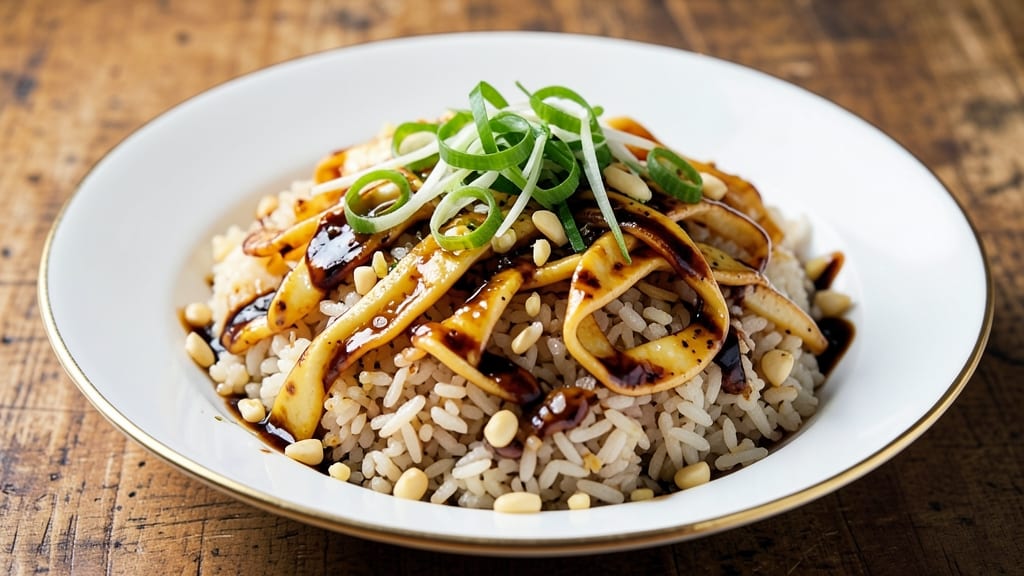
Wang Gang's egg fried rice delivers the perfect balance of silky eggs and wok-heated rice, a dish that captures the soul of Sichuan street food. 🔥 The secret lies in high-heat stir-frying that creates crispy edges while keeping the yolks gloriously runny—a technique that transforms simple ingredients into something extraordinary.
I've refined this recipe over countless wok sessions, ensuring every bite delivers that signature smoky aroma and rich umami flavor.
This recipe focuses on the classic version with just eggs, rice, and a few essential seasonings, but the method is versatile enough to accommodate proteins like shrimp, pork, or chicken.
The key is proper rice preparation—day-old rice works best as it absorbs flavors better and achieves that coveted crisp-tender texture when stir-fried. We'll build layers of flavor through careful seasoning and precise timing to achieve that restaurant-quality wok hei.
What you'll end up with is a plate of golden, aromatic fried rice where each grain is perfectly separated and coated in savory sauce, topped with perfectly cooked eggs that burst with each bite.
The dish is simple yet sophisticated, embodying the essence of Chinese home cooking with its bold flavors and satisfying textures. This is the kind of meal that transforms an ordinary lunch into something truly special.
Whether you're serving this as a quick weeknight dinner or preparing for a gathering, the technique remains the same—high heat, quick movements, and attention to detail. The result is a dish that's both comforting and impressive, proving that with the right technique, even the simplest ingredients can become something extraordinary.
Let's get started on creating your perfect plate of Wang Gang's egg fried rice.
Ingredients for wang gang egg fried rice
Four eggs, three cups of day-old rice, and a wok's worth of technique transform this into Sichuan street food gold.
| Ingredient | Amount | Notes |
|---|---|---|
| Large Eggs 🥚 | 4 whole | Room temperature for even cooking |
| Day-Old Jasmine Rice 🍚 | 3 cups | Cold, uncooked, broken into pieces |
| Vegetable Oil 🫒 | ½ cup | High smoke point for wok hei |
| Garlic Cloves 🧄 | 6 cloves | Minced finely for aromatic punch |
| Green Onions 🧅 | ½ cup | White and green parts, chopped |
| Soy Sauce 🍶 | 3 tbsp | Light soy for authentic flavor |
| Sesame Oil 🫒 | 1 tbsp | Toasted, for nutty aroma |
| White Peppercorns 🌶️ | ½ tsp | Freshly ground for subtle heat |
| Oyster Sauce 🍶 | 1 tbsp | For deep umami richness |
| Salt 🧂 | ½ tsp | Adjust to taste after cooking |
| Shaoxing Wine 🍷 | 1 tbsp | Optional for authentic depth |
The eggs are non-negotiable—room temperature and fresh from the fridge is key. I grab cage-free from Trader Joe's for that extra silky texture. Day-old rice is a must—Jasmine works best—and breaking it apart with your hands before cooking ensures those coveted crispy edges. For the oil, avocado or peanut oil gives the highest smoke point, but vegetable oil works in a pinch. The garlic should be minced so finely it practically dissolves into the rice—this is where the magic happens. Penzeys sells pre-minced garlic if you're lazy, but fresh is always better.
No light soy sauce? Dark soy plus extra salt gets you close, but the color won't be as vibrant. Sesame oil substitutes include toasted peanut oil (though it's heavier) or even a tiny bit of toasted sesame seeds if you're desperate. White peppercorns can be swapped for black, but the color contrast is part of the dish's visual appeal. Oyster sauce? Vegetarian oyster sauce works perfectly for this recipe. The Shaoxing wine is optional but adds that authentic Sichuan depth—if you skip it, a splash of dry sherry works too. For proteins, shrimp or diced chicken can be added after the eggs but before the final toss—just cook them separately first.
This dish tastes even better the next day—leftovers keep for 3 days in the fridge, reheating beautifully in a steamer or microwave. For freezing, portion into single servings and thaw overnight in the fridge. The eggs are the star, so handle them with care—don't overmix when scrambling, and keep the heat high to prevent rubbery yolks. The rice should be crisp-tender with just a hint of stickiness, and the eggs should be creamy with runny centers. That's the wok hei we're chasing.
Why You'll Love This Recipe
- No Chopping Nightmare: I swear by this recipe because the only prep is cracking eggs and slicing green onions—no dicing, no mincing, just two ingredients to handle. That crispy, golden egg nestled in the rice? Zero stress to achieve.
- Garlic Bomb Alert: Between us, the minced garlic cloves and green onions transform this into something ridiculously flavorful with almost no effort. The wok-hei (that smoky aroma) sticks to every bite—like a tiny flavor explosion in every forkful.
- Leftovers That Don’t Suck: Honestly, I make this on Sundays because it reheats like a dream. The eggs stay creamy, the rice stays separate, and it’s still delicious cold the next day. No sad, gluey rice here—just reliable, satisfying seconds.
- Pocket-Friendly Powerhouse: Day-old rice, eggs, and a little oil? This feeds my family of four for under $5. It’s my go-to when grocery money’s tight, but somehow still feels like a treat. (Yes, even on a Tuesday night.)
Step-by-step instructions for Wang Gang's signature egg fried rice
Here's how to recreate Wang Gang's legendary wok technique at home—crispy rice, silky yolks, and that signature smoky aroma.
🔥 Step 1: Prep the Wok and Heat the Oil
Start by placing a 14-inch wok over high heat until it's screaming hot—you should see a thin layer of condensation form on the underside. Add the 0.5 cup vegetable oil and swirl to coat the entire surface. The oil should shimmer and start to smoke lightly—this is your signal to begin.
I like to use a torch to preheat the wok if my stove isn't hot enough. The key here is achieving wok hei—that smoky, aromatic breath created by the high heat. If the oil doesn't smoke, crank the heat higher and wait another 30 seconds. This high heat will give your fried rice that professional restaurant crunch.
👨🍳 Step 2: Scramble the Eggs to Perfection
Push the oil to one side of the wok, creating a small well. Crack the 4 whole large eggs into this well and let them sit undisturbed for 5-8 seconds until the edges begin to set. This creates those beautiful, delicate egg ribbons that Wang Gang is famous for.
Using a pair of heat-resistant chopsticks or a spatula, gently scramble the eggs in small, circular motions, working them into the hot oil. You want the eggs to cook quickly but remain tender—20-25 seconds total. Remove the eggs from the wok and set aside on a plate. We'll add them back later for that signature yolk luxury.
🍳 Step 3: Stir-Fry Aromatics and Break Down the Rice
Return the wok to high heat and add the 6 cloves minced garlic cloves. Stir for 10 seconds until fragrant—you should smell that pungent garlic aroma filling your kitchen. Immediately add the 3 cups day-old jasmine rice, breaking up any clumps with your spatula.
Spread the rice evenly across the wok and let it sit undisturbed for 15 seconds to develop a light crust. This is where the magic happens—the Maillard reaction creates that nutty, toasty flavor. Now stir vigorously for 1 minute until the rice is evenly coated and starts to release its aroma. The rice should look dry and separate at this point.
🥘 Step 4: Build the Flavor Layers
Add the 3 tablespoons soy sauce, 1 tablespoon oyster sauce, 1 tablespoon shaoxing wine, and 0.5 teaspoon freshly ground white peppercorns all at once. Toss everything together for 30 seconds until the rice absorbs the sauces and becomes glossy. The rice should look moist but not soggy—this is the perfect texture we're aiming for.
Here's where Wang Gang's technique shines: add the 0.5 cup chopped green onions and 1 tablespoon toasted sesame oil now. The green onions should wilt slightly but remain vibrant, adding both color and freshness. The sesame oil adds that nutty aroma that elevates the dish from good to restaurant-quality.
⏰ Step 5: Finish with Eggs and Season to Taste
Return the scrambled eggs to the wok and toss everything together for another 30 seconds. The residual heat will gently cook the eggs just enough to create that luxurious yolk texture without overcooking. Add the 0.5 teaspoon salt and give it one final toss to distribute evenly.
Taste and adjust seasoning—you might want to add a splash more soy sauce or a pinch of salt depending on your preference. The fried rice should be perfectly balanced: savory from the soy and oyster sauce, slightly sweet from the shaoxing wine, with a subtle peppery heat. Serve immediately while the rice is hot and the eggs are still silky—every bite should deliver that perfect combination of crunchy rice and creamy yolk.
Pro Tips For Making Wang Gang Egg Fried Rice
- Scramble Eggs First: DESCRIPTION: I learned this the hard way—if you toss in raw eggs with cold rice, you’ll end up with rubbery curds instead of silky strands. Scramble the eggs in a separate pan until just set (soft curds, not dry), then push them to one side and scramble the edges into the oil. The residual heat finishes them perfectly when you add the rice.
- Break Rice into Bite-Sized Pieces: DESCRIPTION: Whole clumps of day-old rice turn into gluey messes. Use your hands (yes, even if you’re impatient like me) to break up the rice into ½-inch chunks before frying. This ensures even cooking and prevents that dreaded sticky texture—no one wants to eat rice cement.
- High Heat for Garlic: DESCRIPTION: After burning three batches of garlic, I finally figured out: crank the heat to medium-high and fry the minced cloves until they’re golden and fragrant—about 30 seconds. If you go low and slow, they’ll turn bitter instead of nutty. This is the thing that matters most for that authentic wang gang flavor.
- Chop Green Onions Last: DESCRIPTION: Sounds weird, but it works: add the green onions after the rice is mostly cooked. Their moisture can steam the rice, making it soggy. Instead, chop them right before tossing in, and they’ll stay bright and crisp—like a fresh garnish, not a sad, wilted afterthought.
Storing and reheating your wang gang egg fried rice
Refrigerator Storage
Let your egg fried rice cool completely before transferring to an airtight container—I use glass Pyrex bowls with tight-sealing lids. Store in the fridge for up to 3 days, but I find the flavors actually deepen overnight as the rice absorbs the sauces.
The eggs will firm up slightly but remain delicious when reheated properly. 💫
Freezer Prep Tips
For longer storage, portion into single-serving containers (about 1 cup per serving) and freeze for up to 2 months. Spread portions on a tray first to prevent clumping, then transfer to ziplock freezer bags with all air removed.
Thaw overnight in the fridge—microwaving straight from frozen can make the rice gummy.
Steamer Reheating
My preferred method for restaurant-quality results: place the cold fried rice in a steamer basket over simmering water for 5-7 minutes. The steam revives the crispy edges while keeping the eggs perfectly creamy.
Add 1 teaspoon water to the container before steaming if the rice looks dry. Cover tightly while reheating to trap moisture.
Microwave Method
For quick reheating, transfer to a microwave-safe dish and cover with a damp paper towel. Heat on medium power (50%) in 1-minute intervals, stirring between each, until reaching 165°F internal temperature.
The damp towel prevents drying out. Add 1 teaspoon water or soy sauce if the rice loses its moisture during reheating.
Protein Additions
If you added proteins like shrimp or chicken, reheat them separately first to prevent overcooking. Toss them back into the fried rice only at the very end to maintain their texture.
For extra flavor, sprinkle with 1/2 teaspoon toasted sesame seeds or a drizzle of chili oil after reheating for that Sichuan street food kick. 🌶️
Texture Preservation
To maintain that signature crisp-tender texture, avoid reheating in the oven—it can make the rice too dry. If using leftovers, store the eggs separately if possible and mix them in fresh when reheating. The key is gentle heat and minimal moisture loss to preserve Wang Gang's signature wok-heated crunch.
Nutrition facts
Frequently asked questions
Why does Wang Gang's recipe use day-old rice instead of freshly cooked?
Day-old rice works best because it's drier and absorbs flavors better during stir-frying. Freshly cooked rice is too moist and becomes mushy when heated again. The slightly stale texture also creates those perfect crispy edges when wok-heated. Break up any clumps before cooking for even browning.
Can I make this with a regular pan instead of a wok?
Yes, but you won't get the same wok hei (smoky aroma). Use a heavy-bottomed skillet and keep the heat as high as possible. For best results, work in batches and focus on quick, vigorous stirring. The key is maintaining high heat to get that crisp-tender texture.
What's the secret to getting perfectly runny egg yolks?
Scramble the eggs quickly over high heat for just 20-25 seconds until set but still slightly wet. Remove them from the wok immediately and add back at the very end to reheat gently. The residual heat will keep yolks creamy while the edges firm up.
How do I adjust the spice level for sensitive palates?
Skip the white peppercorns and reduce soy sauce to 2 tablespoons. For extra mildness, add 1/2 teaspoon sugar to balance flavors. The dish remains delicious without heat—it's the umami from oyster sauce and eggs that carries the flavor.
What proteins pair well with this fried rice?
Shrimp, diced chicken, or crispy pork belly work beautifully. Cook proteins separately first, then add back with the eggs at the end. For Sichuan-style, try adding 1/2 teaspoon chili oil after cooking. Keep portions small—too much protein can make the rice soggy.