
Main Courses
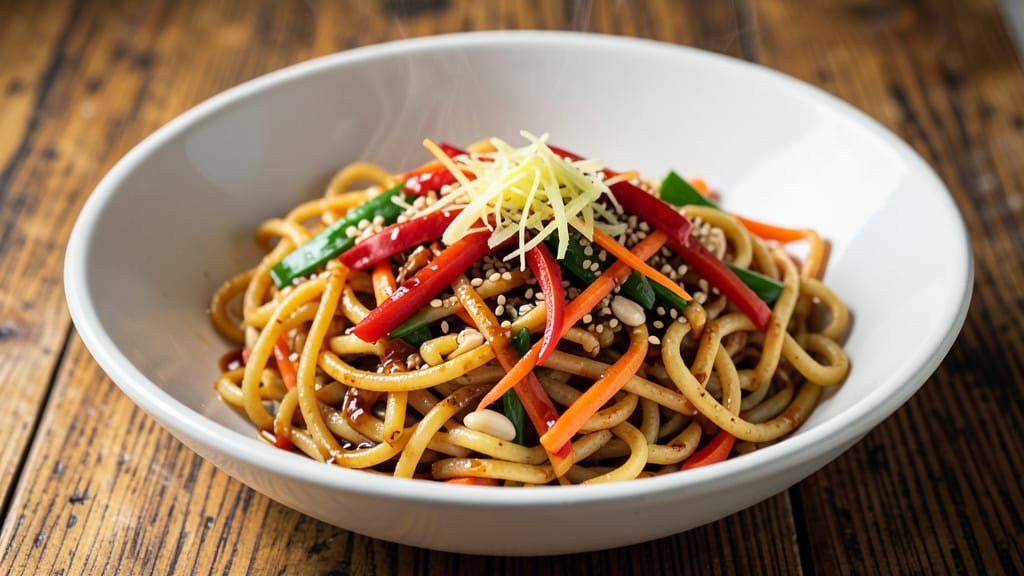
This veggie fried noodles recipe delivers restaurant-quality wok-tossed crunch with bold umami flavors in just 20 minutes. The secret lies in high-heat stir-frying that creates crisp-tender vegetables and perfectly cooked noodles, all bound together by a savory garlic-ginger-soy sauce.
I developed this version after years of testing—it's the one that finally convinced even my pickiest friends to go vegetarian.
What sets this recipe apart is the balance of textures: crispy bell peppers and carrots, chewy egg noodles, and silky scrambled egg (optional) that adds protein and richness.
The sauce comes together in minutes with pantry staples—soy sauce, sesame oil, and a touch of sugar—but don't skip the garlic and ginger toast until fragrant. That's where the real flavor magic happens.
By the time you plate these noodles, you'll have a dish that's vibrant, satisfying, and packed with umami depth—no meat required. The aroma alone will have everyone gathering around the table, and each forkful delivers that perfect combination of crunch, chew, and savory sauce.
Serve with extra soy sauce on the side for those who want it even saltier.
This recipe works equally well as a weeknight dinner or meal prep lunch—just store leftovers in the fridge for up to 3 days. For extra protein, add crispy tofu or mushrooms.
The technique is simple but the results are anything but basic—this is comfort food that feels special without requiring fancy ingredients.
Ingredients for veggie fried noodles
Pantry staples meet wok-tossed perfection—crisp vegetables, chewy noodles, and umami-rich sauce.
| Ingredient | Amount | Notes |
|---|---|---|
| Egg Noodles 🍜 | 8 oz | Fresh or dried, medium width |
| Red Bell Peppers 🌶️ | 1 whole | Thinly sliced, any color |
| Carrots 🥕 | 2 medium | Julienned or thinly sliced |
| Garlic Cloves 🧄 | 4 cloves | Minced, skin-on for flavor |
| Fresh Ginger 🌿 | 1 inch | Peeled, finely grated |
| Sesame Oil 🫒 | 1 tbsp | Toasted, for aroma |
| Light Soy Sauce 🍶 | 3 tbsp | Kikkoman preferred |
| Dark Soy Sauce 🍶 | 1 tbsp | For depth of color |
| Rice Vinegar 🍶 | 1 tbsp | Seasoned preferred |
| Granulated Sugar 🍚 | 1 tsp | Balances flavors |
| Vegetable Oil 🫒 | 3 tbsp | High smoke point |
| Large Eggs 🥚 | 2 whole | Optional for protein |
| Green Onions 🧅 | 3 whole | Thinly sliced, for garnish |
| Sesame Seeds 🌱 | 1 tsp | Toasted, for crunch |
| Diamond Crystal Kosher Salt 🧂 | ½ tsp | For seasoning |
The vegetables are where the texture magic happens. Red bell peppers should be firm with vibrant color—avoid any with soft spots. Carrots work best when julienned thinly for maximum crisp-tender bite. For the garlic and ginger, toast them in the oil until fragrant—this step builds the foundation of flavor. I always grab Kikkoman soy sauce for its balanced profile, but any light soy will do. The sesame oil should be toasted, not the cheap flavored kind—look for the amber bottles in the Asian aisle.
No sesame oil? Toasted peanut oil works in a pinch, though the flavor will differ slightly. Short on bell peppers? Substitute snap peas or broccoli florets—they hold up well to stir-frying. The eggs are optional but add protein and richness; scrambled to silky curds works best. For extra umami without meat, add 1 tbsp mushroom powder or 2 tbsp soy sauce. The sugar balances the saltiness—don't skip it, but adjust to taste if your soy sauce is particularly salty. The green onions should be cut on the bias for maximum surface area when garnishing.
Fresh noodles cook faster than dried—blanch for 30 seconds if using fresh. Store leftovers in airtight containers for 3 days in the fridge, though they're best eaten within 2 days for peak texture. For meal prep, portion into containers with a thin layer of oil on top to prevent sticking. The flavors actually improve the next day as everything melds together. Freezing isn't recommended due to the noodles' texture, but you can freeze the sauce separately for up to 3 months.
Why You'll Love This Recipe
- No-Chop Nightmare: I swear by this one—just slice the bell peppers into thick strips (no dicing, no fuss) and shred the carrots with a box grater. The ginger and garlic get minced in seconds, and suddenly you’re staring at a stir-fry that looks way more impressive than it took to make.
- Umami Bomb: That crisp-tender bell pepper and carrot combo? It’s the perfect crunch to cut through the eggy richness of the noodles. Add a splash of soy sauce and a pinch of sugar, and you’ve got a balance that’s ridiculously satisfying—like a hug in a pan.
- Lunchbox Hero: Between us, this is my go-to for meal prep. Toss the cooled noodles with a little sesame oil, pack them in containers, and they stay fresh for days. My kids (and my lazy self) love reheating them straight from the fridge—no soggy noodle drama here.
- Pantry Staple: Honestly, if you’ve got noodles, a bell pepper, and a carrot, you’re golden. No specialty ingredients, no last-minute grocery runs. And the leftovers? Even better the second day—those noodles soak up all the flavors like a sponge. Budget-friendly? More like guilt-free feeding.
Step-by-step instructions for wok-tossed veggie fried noodles
Master the wok hei technique for vibrant, aromatic stir-fried noodles with perfect texture.
Prepare All Vegetables and Eggs
Start by prepping the vegetables while the noodles cook. Thinly slice the 1 whole red bell pepper into matchsticks, then julienne the 2 medium carrots into thin strips. Peel and finely grate the 1 inch fresh ginger—this will infuse the dish with bright, zesty flavor. Minced the 4 cloves garlic cloves, leaving the skins on for extra aroma. Thinly slice the 3 whole green onions, reserving half for garnish.
For the eggs, crack the 2 whole large eggs into a small bowl and whisk until the yolks and whites are fully combined. Season with a pinch of 0.5 tsp diamond crystal kosher salt and set aside. Having everything prepped ensures a seamless cooking process—no stopping mid-stir-fry to chop ingredients.
Cook the Eggs and Set Aside
Heat 1 tablespoon vegetable oil in a wok or large skillet over medium-high heat until shimmering. Pour in the whisked eggs and let them sit undisturbed for 5-7 seconds until the edges begin to set. Gently tilt the pan to let any uncooked egg flow to the edges, then use a spatula to roll the eggs into a loose omelet. Once fully set but still slightly runny in the center, transfer to a plate and cut into small pieces. Keep warm until ready to use.
This step is crucial for maintaining the eggs' delicate texture—they should be just set but still tender. Overcooking will make them rubbery, so work quickly but carefully. The eggs add protein and richness to balance the vegetables' crunch.
Stir-Fry Aromatics and Vegetables
Return the wok to medium-high heat and add the remaining 2 tablespoons vegetable oil. Once hot, add the minced garlic cloves and grated ginger, stirring for 20-30 seconds until fragrant—you’ll smell the garlic mellowing and the ginger releasing its bright aroma. Add the sliced red bell peppers and carrots, stirring constantly for 3-4 minutes until they soften but retain a satisfying crunch.
Here’s where the wok hei (breath of the wok) technique comes into play. Keep the heat high and the vegetables moving—this creates steam that caramelizes the edges, giving them that signature wok-fried color and texture. If the vegetables release too much liquid, reduce heat slightly to prevent steaming instead of searing.
Cook the Noodles and Combine
While the vegetables cook, bring a pot of water to a rolling boil and cook the 8 oz egg noodles according to package instructions until al dente—they should have a slight bite but be fully tender. Drain immediately, reserving ½ cup pasta water, then rinse briefly under cold water to stop the cooking process. Toss the noodles with 1 tablespoon sesame oil to prevent sticking.
Return the wok to high heat and add the noodles, tossing vigorously for 1-2 minutes to coat them in the oil. Pour in the 3 tablespoons light soy sauce, 1 tablespoon dark soy sauce, 1 tablespoon rice vinegar, and 1 teaspoon granulated sugar, stirring continuously. The dark soy sauce will deepen the color, while the vinegar brightens the overall flavor. If the mixture seems dry, add 1-2 tablespoons reserved pasta water to create a glossy, cohesive sauce.
Finish and Garnish
Add the pre-cooked egg pieces and stir-fry for an additional 1-2 minutes until everything is heated through and well combined. Taste and adjust seasoning with more light soy sauce or rice vinegar if needed—balance is key. Remove from heat and transfer to serving plates, garnishing immediately with the reserved green onion slices and 1 teaspoon toasted sesame seeds for texture and aroma.
Serve while hot, with extra sesame oil drizzled on top if desired. The dish should be vibrant, with a perfect balance of crisp-tender vegetables, silky eggs, and umami-rich sauce. Each bite should deliver a symphony of textures and flavors—crunch from the vegetables, chew from the noodles, and a glossy, savory finish.
Pro Tips For Making Veggie Fried Noodles
- STIR-FRY IN BATCHES: Your wok or pan will cool fast when you toss everything in at once—especially with wet veggies like bell peppers. Cook the noodles first, then set them aside. Work in two groups: stir-fry the harder veggies (carrots, garlic, ginger) until they soften, then add the bell peppers and any proteins (if using) just before combining with the noodles. This keeps everything crisp and avoids a soggy mess.
- SLICE CARROTS LENGTHWISE: I used to waste time chopping carrots into tiny rounds, and they’d turn to mush before the noodles were done. Instead, cut them into thin matchsticks lengthwise—they cook faster and stay crunchy. A sharp knife and a steady hand make this easier than you’d think (yes, even if you’re impatient like me).
- DON’T OVERCROWD THE PAN: The moment your veggies and noodles start steaming instead of sizzling, you’ve lost the flavor. Keep the heat high and work in stages: pull some noodles out if needed, or spread them in a single layer before tossing. A crowded pan just makes everything bland and limp—no one wants mushy fried noodles.
- USE A LITTLE OIL TRICK: Toss the raw noodles in 1 teaspoon of oil before they hit the pan. This gives them a head start on browning and prevents them from sticking to the wok like glue. (Bonus: it also makes the final dish taste richer without extra oil.) Skip this, and you’ll be scrambling with spatulas instead of enjoying your meal.
Common mistakes when making this dish
Overcooking Noodles
This is the #1 mistake I see—mushy, gluey noodles ruin everything. Cook them al dente (about 1 minute less than package instructions) and rinse immediately in cold water. The residual starch is what makes stir-fried noodles clump together. I always test by biting one—it should have a slight resistance. 💫
Skipping the Aromatics Toast
Never skip toasting your garlic and ginger in hot oil—they should sizzle for 20-30 seconds until fragrant. This releases their essential oils, which form the flavor base.
I've tasted versions where cooks just toss in raw aromatics, and it's like comparing a symphony to a kazoo. Use medium-high heat and keep them moving.
Crowding the Wok
Overfilling your pan causes steaming instead of searing, leading to soggy vegetables. Cook in batches if needed—your wok should be no more than ⅔ full when stir-frying.
I use a 14-inch carbon steel wok for this recipe, and even then, I work in two rounds for the veggies if I'm making extra. The goal is to maintain high heat and create that signature wok hei.
Using Wrong Soy Sauce
Light soy sauce is for seasoning, dark soy sauce is for color—don't mix them up! The recipe calls for 3 tbsp light soy sauce and 1 tbsp dark soy sauce specifically. I've seen people use all dark soy sauce, which makes the dish taste bitter.
Also, avoid low-sodium soy sauces—they lack the depth of flavor needed for stir-fries. Kikkoman is my go-to brand.
Not Prepping Ingredients First
Chopping vegetables while cooking creates chaos. Prep everything—veggies sliced, eggs whisked, aromatics minced—before turning on the stove. I set up a cutting board station with all ingredients within arm's reach.
This keeps your stir-fry moving at high speed, which is crucial for maintaining texture and temperature. The 5-minute prep saves you 15 minutes of stress during cooking.
Ignoring the Egg Technique
If using eggs, they must be cooked to silky curds, not scrambled. Let them sit undisturbed for 5-7 seconds after pouring into the pan, then gently roll them. Overmixing creates tough eggs that don't blend well with the noodles.
I also recommend keeping them warm in a 200°F oven while you finish the stir-fry to maintain their texture. 🥚
Nutrition facts
Frequently asked questions
Can I make this recipe without eggs?
For a vegan version, simply omit the eggs and increase the vegetables by 1 cup (try adding mushrooms or snap peas). The sauce will still bind the noodles perfectly—just toss them with 1 extra tablespoon sesame oil for extra richness. The dish will be lighter but still packed with umami from the soy sauce and aromatics.
What's the best way to reheat leftovers?
Reheat in a dry skillet over medium heat for 2-3 minutes, adding 1 teaspoon vegetable oil to prevent sticking. Stir constantly to revive the crisp-tender texture. Microwaving works in a pinch (60 seconds), but the results won't be as vibrant. For best texture, reheat only what you plan to eat immediately.
Can I use regular pasta instead of egg noodles?
Yes, but choose spaghetti or linguine for the best texture—avoid thick pasta like penne. Cook them 1 minute less than package instructions, rinse in cold water, and toss with 1 extra tablespoon oil to prevent clumping. The flavor will be similar, though egg noodles have a naturally chewier bite that works perfectly for stir-fries.
How do I make this spicier? Add ½ teaspoon chili flakes or 1 teaspoon sriracha to the sauce mixture, or stir-fry ½ teaspoon minced red chili with the aromatics. For heat lovers, top with sliced jalapeños or a drizzle of chili oil.
What's the secret to getting that restaurant-style wok hei?
The key is high heat and constant motion—keep your wok at maximum heat and toss ingredients vigorously. Use a carbon steel or cast iron wok for best results, and work quickly once everything hits the pan. The aroma comes from the rapid cooking and steam—don't be afraid to let the vegetables sizzle loudly for that authentic flavor.