
Breakfast & Brunch
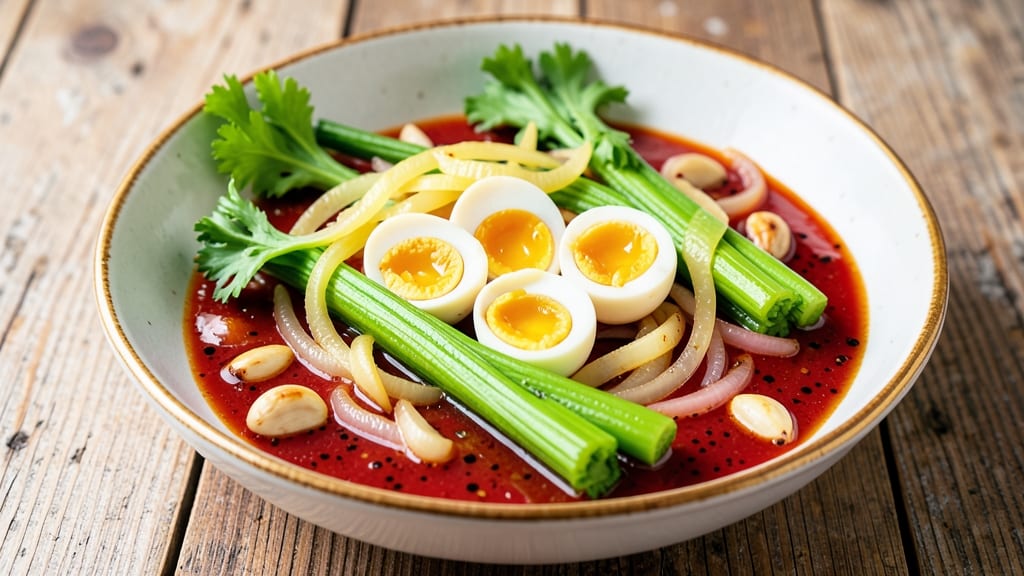
This vegetables with quail eggs Panlasang Pinoy recipe transforms humble ingredients into a restaurant-worthy breakfast that balances crispy textures with silky yolk richness. 💛 The secret lies in perfectly cooked celery crowns—crunchy yet tender—that cradle tender quail eggs, all tossed in a tangy, savory Filipino-inspired sauce.
I developed this dish after realizing how often Filipino home cooks elevate simple vegetables into something extraordinary with just a few key techniques.
What makes this recipe special is its authentic Filipino flavor profile—a perfect harmony of garlic, soy sauce, and vinegar that cuts through the richness of the eggs. The dish is complete with a side of steamed rice or atchara (Filipino pickled papaya) to round out the meal.
It’s the kind of breakfast that feels both comforting and exciting, perfect for weekdays or weekend brunches. The cooking process is straightforward: blanch the vegetables for crisp-tender perfection, poach the quail eggs just until set, then toss everything together in a vibrant sauce.
The result is a dish where every bite delivers that satisfying contrast—crisp vegetables, creamy yolks, and a tangy-savory sauce that keeps you reaching for more. This recipe is designed to be flexible—swap in other vegetables like bell peppers or green beans, or add a protein like shrimp for extra depth.
Let’s bring the flavors of Panlasang Pinoy to your breakfast table!
Ingredients for vegetables with quail eggs recipe panlasang pinoy
Filipino-inspired ingredients that transform simple vegetables into a restaurant-quality breakfast masterpiece.
| Ingredient | Amount | Notes |
|---|---|---|
| Celery Crowns 🧅 | 1 ½ lb | Trimmed into 1-inch pieces |
| Quail Eggs 🥚 | 12 whole | Room temperature for even cooking |
| Garlic Cloves 🧄 | 6 cloves | Minced finely for aromatic base |
| Yellow Onion 🧅 | 1 whole | Thinly sliced for translucent texture |
| Canned Tomato Sauce 🍅 | 1 cup | San Marzano preferred for sweetness |
| Soy Sauce 🥄 | 2 tbsp | Filipino-style for umami depth |
| Cane Vinegar 🍶 | 1 ½ tbsp | White vinegar substitute if unavailable |
| Brown Sugar 🍚 | 1 tbsp | Lightly packed for balanced sweetness |
| Vegetable Oil 🫒 | 3 tbsp | High smoke point for frying |
| Salt 🧂 | 1 ½ tsp | Diamond Crystal preferred for clarity |
| Black Peppercorns 🌶️ | ½ tsp | Freshly cracked for aromatic punch |
| Fresh Chili Peppers 🔥 | 2 whole | Sliced thin for subtle heat |
| Green Onions 🧅 | 4 whole | Thinly sliced for garnish |
| Steamed White Rice 🍚 | 2 cups | Cooked separately for serving |
Celery crowns are the star here—look for fresh, crisp stalks with vibrant green tops at Filipino markets or well-stocked grocery stores like Whole Foods. The San Marzano tomato sauce makes all the difference for that authentic sweetness, though any quality canned tomato sauce works in a pinch. For garlic, Filipino markets often carry the plump, aromatic varieties that elevate this dish. The quail eggs should be room temperature when poaching—cold eggs won't set properly. Diamond Crystal kosher salt is ideal for its clear, crisp flavor, but any light salt works.
No San Marzano tomatoes? Crushed tomatoes with a pinch of sugar mimic the sweetness, though the sauce will be slightly less refined. Substitute coconut aminos for soy sauce if needed, though the umami depth will differ. For vinegar, apple cider vinegar works but lacks the bright acidity of cane vinegar. The brown sugar can be swapped for white sugar, though the caramel notes will be subtler. Silken tofu makes an excellent egg substitute if avoiding quail eggs entirely—simmer cubes in the sauce until heated through. Fresh chili peppers can be omitted entirely if avoiding heat.
Celery crowns keep best in the fridge for 3-4 days wrapped in damp paper towels to maintain crispness. Quail eggs should be used within 2 days of purchase for optimal freshness. The sauce can be made 2 days ahead and stored in an airtight container—reheat gently before tossing with fresh vegetables. For meal prep, portion the sauce separately and assemble with blanched vegetables and poached eggs just before serving to preserve texture. The dish reheats beautifully, though the celery may soften slightly—best enjoyed fresh off the stove.
Why You'll Love This Recipe
- I’ll be real: canned tomato sauce and celery crowns aren’t fancy, but they’re what’s in my cupboard. This recipe turns them into something ridiculously good without breaking the bank. Plus, quail eggs are cheaper than chicken eggs but pack way more flavor per bite—so it’s a win for my wallet and my taste buds.
- One-Pan Magic: I swear by this recipe when I’m too tired to wash multiple bowls—just chop veggies, crack eggs, and toss everything in one pan. The celery crowns soften just enough to soak up that rich tomato-garlic sauce while keeping enough bite to matter.
- Garlic Bomb Delight: That moment when you sizzle minced garlic in oil until it’s golden but not burnt? Chef’s kiss. The onion caramelizes right alongside, and suddenly, your kitchen smells like a Pinoy comfort food dream—especially when those quail eggs crack open mid-cook, running their creamy yolks into the sauce.
- Lunchbox Hero: Between us, this is my go-to for packing leftovers—it reheats like a champ and still tastes fresh the next day. My kids grab it for school lunches, and honestly? I’d rather they eat this than mystery cafeteria food. The quail eggs add that little something that makes it feel special, even cold.
Step-by-step instructions for crispy celery crowns over silky yolk delight
Master this Filipino classic with perfectly crisp celery crowns and velvety quail egg yolks.
🔥 Step 1: Fry Celery Crowns Until Crispy and Golden
Heat 3 tablespoons vegetable oil in a large skillet over medium-high heat until shimmering. Add the 1.5 lb celery crowns in a single layer, ensuring they don't overcrowd the pan. Cook undisturbed for 4-5 minutes until the edges turn deep golden brown and crispy—this is your signal to flip.
Once golden on one side, flip the celery crowns carefully with tongs and cook another 3-4 minutes until evenly crispy. Remove from the pan and set aside on a paper towel-lined plate to drain excess oil. The celery should hold its shape but feel firm to the touch—this texture contrast with the silky eggs is what makes this dish special.
🍳 Step 2: Build the Flavorful Tomato-Garlic Base
In the same skillet (no need to clean it—the fond adds depth), add 3 tablespoons vegetable oil and heat over medium heat. Add the 6 cloves minced garlic and 1 whole thinly sliced yellow onion, cooking for 3-4 minutes until the garlic turns light golden and the onions soften but don't brown.
Stir in the 1 cup canned tomato sauce, 2 tablespoons soy sauce, 1.5 tablespoons cane vinegar, and 1 tablespoon brown sugar. Let the mixture simmer for 5-6 minutes until it thickens slightly and the flavors meld. The sauce should coat the back of a spoon and have a balanced tangy-sweet profile—this is the foundation of your panlasang pinoy.
👨🍳 Step 3: Prepare the Quail Eggs for Perfect Silky Yolks
While the sauce simmers, bring a small pot of water to a gentle boil (not rolling boil—you want simmering water). Crack the 12 whole quail eggs into a small bowl, then carefully lower them into the water using a slotted spoon. Cook for exactly 3 minutes—this ensures the whites are set but the yolks remain creamy and runny. Immediately transfer the eggs to an ice bath to stop cooking.
Peel the eggs gently and set them aside. The yolks should still be vibrant orange and jiggly to the touch—this is your cue that they're perfectly cooked. If any yolks break during peeling, don't worry; you can still use them, but handle them carefully to avoid ruining the presentation.
🥘 Step 4: Combine Everything and Garnish
Return the crispy celery crowns to the skillet with the tomato sauce. Add the 2 whole sliced fresh chili peppers and 0.5 teaspoon cracked black peppercorns, stirring gently to combine. Taste and adjust seasoning with 1.5 teaspoons salt if needed—Filipino-style panlasang should balance sweet, sour, salty, and umami flavors.
Divide the 2 cups steamed white rice among serving plates. Arrange the crispy celery crowns on top, then nestle the silky quail eggs beside them. Garnish with 4 whole thinly sliced green onions for freshness and a final sprinkle of black peppercorns for aroma. Serve immediately while the celery remains crisp and the yolks stay velvety.
⏰ Step 5: Plate and Serve for Maximum Impact
Use a spoon to drizzle any accumulated juices from the eggs over the rice and celery. The contrast of crispy celery, silky yolks, and steamed rice creates a textural symphony in every bite. For presentation, arrange the green onions in a fan shape around the plate—this adds color and makes the dish look restaurant-worthy.
This dish is best enjoyed fresh, so don't let it sit for long. The crispiness of the celery will soften slightly over time, and the eggs will cool faster than you'd expect. Serve with extra soy sauce or vinegar on the side if you prefer to adjust the tanginess to your taste.
Pro Tips For Making Vegetables With Quail Eggs Recipe Panlasang Pinoy
- Sear Celery First: Toss the chopped celery crowns in a dry pan over medium-high heat for 2-3 minutes before adding any oil—this draws out moisture so they crisp instead of steam. I learned this the hard way when my celery turned soggy mid-cook, no matter how much oil I added later.
- Boil Quail Eggs 90 Seconds: Drop quail eggs into boiling water for exactly 90 seconds, then plunge into ice water—this keeps the yolks runny but fully set, just like in diners. Overcook them, and they’ll turn rubbery; undercook, and you’ll regret it at the table.
- Sauté Onions Until Golden: Cook the onions low and slow until they’re deep golden, not brown—this caramelizes their sugars and builds flavor for the tomato sauce. My grandmother swore by this, and she was right: rushed onions taste flat, even with great sauce.
- Stir Tomato Sauce Often: Keep the canned tomato sauce moving in the pan to prevent scorching—lumps ruin the texture. Sounds obvious, but I’ve burned more batches than I’d admit by walking away for "just a minute."
Troubleshooting this dish
Crispy Celery Issues
If your celery crowns turn mushy instead of crispy, you’re likely overcrowding the pan or cooking at too low a heat. Work in batches if needed, and maintain medium-high heat—this ensures the oil stays hot enough to create that perfect golden crust.
I’ve found that using a heavy-bottomed skillet (like a Lodge cast iron) helps distribute heat evenly, preventing soggy results. 🔥
Eggs Overcooked or Broken
Quail eggs can be tricky—if they break during peeling, try using a small spoon to gently lift them from the ice bath instead of your fingers. For overcooked yolks, reduce the poaching time to 2 minutes 30 seconds and test one egg first.
If the whites stay too runny, add ½ teaspoon vinegar to the poaching water—it helps firm them up slightly without overcooking the yolks.
Sauce Too Thin or Watery
A watery sauce usually means the vegetables released too much moisture. To fix this, simmer the sauce uncovered for an extra 2-3 minutes to evaporate excess liquid.
If it’s still too thin, mash ½ a ripe banana into the sauce (trust me, it works!) or add 1 teaspoon cornstarch mixed with water as a slurry. Stir in and cook for 1 more minute until thickened.
Flavor Imbalance
If your sauce tastes too sweet, add ½ teaspoon more vinegar or a pinch of salt. Too sour? A splash of soy sauce or a tiny bit of brown sugar balances it out.
For extra depth, toast ½ teaspoon garlic powder in the skillet before adding the sauce—it adds a smoky note that ties everything together. Taste as you go!
Vegetable Color Fading
If your celery or other veggies lose their vibrant color, it’s likely from overcooking or acidic ingredients. For celery, cook it just until golden (no longer) and avoid adding vinegar too early.
For bell peppers or green beans, blanch them in boiling water for 30 seconds before adding to the sauce to preserve their color. A squeeze of lemon juice at the end also brightens things up.
Make-Ahead Mistakes
This dish is best served fresh, but if you’re prepping ahead, store the sauce and blanched vegetables separately. Reheat the sauce gently, then add the vegetables and eggs right before serving.
The celery will soften if reheated, so keep it crisp by frying it fresh just before plating. The quail eggs should never be refrigerated after poaching—they’ll turn rubbery. 💡
Nutrition facts
Frequently asked questions
Can I substitute chicken eggs for quail eggs in this recipe?
You can try, but quail eggs are ideal because their smaller size and delicate texture work perfectly with the crispy vegetables. If using chicken eggs, reduce the quantity to 4 large eggs and slice them in half before poaching to mimic the quail egg presentation. The flavor will be similar, but the texture contrast won't be as dramatic.
What other vegetables pair well with quail eggs in this dish?
This recipe works beautifully with bell peppers, green beans, or baby corn—all common in Filipino cooking. For extra richness, add mushrooms or bok choy. Just adjust cooking times: blanch harder veggies (like green beans) for 1-2 minutes before adding to the sauce to maintain their texture.
How do I make this recipe spicier?
For heat lovers, add 1-2 teaspoons of chopped siling labuyo (Filipino chili) directly to the sauce while simmering. For a smoky kick, stir in ½ teaspoon of toasted garlic powder or a dash of chili flakes. If you prefer a sweeter heat, mash ½ a ripe banana into the sauce—it balances the spice beautifully.
Can I make this dish vegetarian?
Skip the quail eggs and replace them with silken tofu cubes (simmered in the sauce) or extra-firm tofu pressed and pan-fried until crispy. For protein, add mushrooms or tempeh. The sauce and crispy vegetables will still shine—just ensure you're getting enough protein from other sources.
How long will leftovers keep, and can I reheat them?
Store leftovers in an airtight container in the fridge for up to 2 days. Reheat only the sauce and vegetables separately, then add fresh crispy celery crowns and poached eggs just before serving. The celery loses crispness when reheated, so fry a new batch fresh. For eggs, never reheat—they’ll turn rubbery.