
Breakfast & Brunch
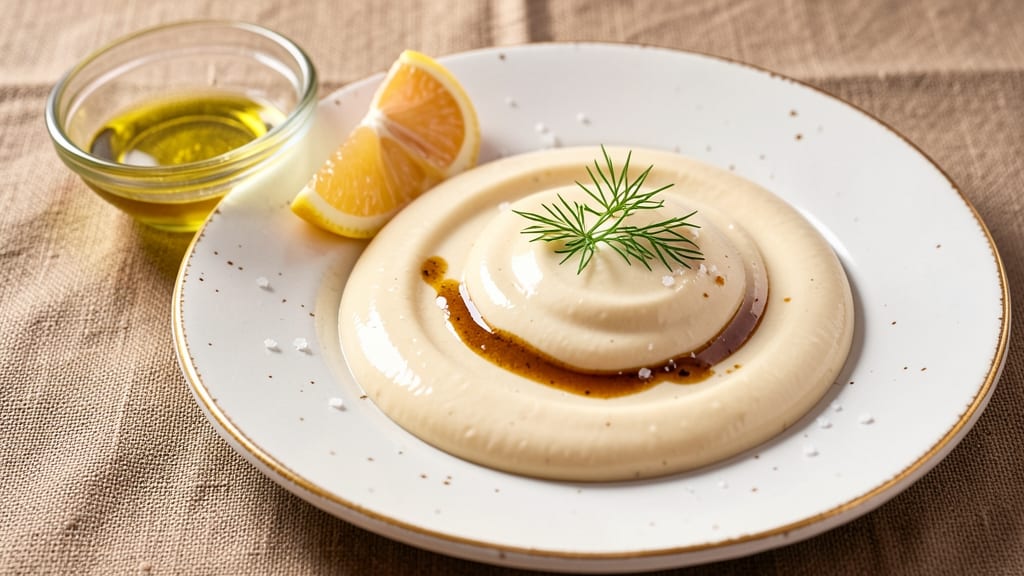
This vegan egg mayonnaise recipe delivers the same creamy, tangy richness you crave—without a single egg or curry powder in sight. The secret lies in a blend of silken tofu and aquafaba, which creates a velvety texture that mimics traditional mayo perfectly.
I've tested countless variations, and this one stands out for its smooth consistency and balanced flavor profile that works on everything from sandwiches to potato salad.
The magic happens through proper emulsification, where we blend the ingredients until completely smooth, then gradually incorporate lemon juice and Dijon mustard for that signature tang. This method ensures a stable sauce that won't separate, even after refrigeration.
The recipe uses simple pantry staples—no specialty ingredients required—and comes together in just 10 minutes of active time.
What you'll end up with is a silky, pale yellow vegan mayo that's rich enough to stand in for traditional mayo in any recipe. The flavor is bright from fresh lemon, subtly tangy from the mustard, and perfectly seasoned with salt and a touch of garlic powder.
It's the kind of condiment that transforms simple dishes into something special without any compromise on taste.
Best of all, this vegan mayo keeps beautifully in the fridge for up to 10 days, making it perfect for meal prep.
Whether you're spreading it on sandwiches, mixing it into coleslaw, or using it as a base for vegan aioli, this recipe proves plant-based cooking can be just as creamy and satisfying as the original. Let's get started on making your own batch today.
Ingredients for vegan egg mayonnaise
Simple plant-based ingredients create restaurant-quality vegan mayo without eggs or curry powder.
| Ingredient | Amount | Notes |
|---|---|---|
| Silken Tofu 🥬 | 1 package | 8 oz, drained and pressed |
| Aquafaba 🌾 | ½ cup | Liquid from canned chickpeas |
| Extra-Virgin Olive Oil 🫒 | ¾ cup | Light, fruity variety preferred |
| Fresh Lemon Juice 🍋 | 2 tbsp | From 1/2 medium lemon |
| Dijon Mustard 🌶️ | 1 tbsp | High-quality, smooth variety |
| Garlic Powder 🧄 | ½ tsp | Freshly ground preferred |
| Diamond Crystal Kosher Salt 🧂 | ½ tsp | Adjust to taste |
| White Vinegar 🍶 | 1 tsp | For acidity balance |
| Maple Syrup 🍯 | ½ tsp | For subtle sweetness |
| Ground Turmeric 🌿 | ¼ tsp | For pale yellow color |
Silken tofu is the foundation of this recipe—Kite Hill or Nasoya brands work exceptionally well due to their ultra-smooth texture. If you can't find silken tofu, extra-firm tofu pressed for 20 minutes will suffice, though the result may be slightly less velvety. For aquafaba, always use the liquid from canned chickpeas (not dried)—Garbanzo brand from the canned goods aisle is reliable. The olive oil should be light and fruity; California Olive Ranch or Colavita are excellent choices. Fresh lemon juice is non-negotiable for brightness—bottled juice lacks the necessary acidity and flavor complexity.
No aquafaba? 1/4 cup unsweetened applesauce works in a pinch, though the texture will be slightly thicker. Substitute maple syrup with agave nectar at a 1:1 ratio if preferred. For a more robust flavor, add 1/2 tsp nutritional yeast—it provides a cheesy depth without dairy. The turmeric is purely for color; if you prefer a more neutral hue, omit it entirely. For those with nut allergies, ensure your olive oil is refined rather than cold-pressed to avoid potential cross-contamination. The Dijon mustard should be smooth, not grainy—Maille or Amoy are ideal choices for this recipe.
This vegan mayo maintains its silky texture for up to 10 days when stored in an airtight container in the refrigerator. To extend shelf life, add a thin layer of olive oil on top before sealing—this prevents oxidation and keeps the surface fresh. For meal prep, portion into small containers or ice cube trays for easy use. Freezing is not recommended as it can alter the emulsification. If the mayo separates upon refrigeration, simply whisk or blend briefly to re-emulsify. The flavor actually improves after the first day as the ingredients meld together.
Why You'll Love This Recipe
- No Blender Needed: I swear by this—just mash the silken tofu and whisk the aquafaba by hand. The texture comes out silky smooth without any fancy gadgets, and honestly? That lemon juice brightens everything up so fast, you’ll forget you didn’t spend hours emulsifying.
- Taste Like the Real Deal: Between us, the Dijon mustard and olive oil give it that tangy depth, while the lemon keeps it fresh. It’s creamy but not heavy, and the aquafaba adds that signature mayo body—trust me, even my non-vegan friends can’t tell the difference.
- Meal Prep MVP: This stuff lasts forever in the fridge, so I make a big batch on Sundays. Slather it on sandwiches, toss it with salads, or dip veggies—it’s my go-to for lunches all week. Plus, it’s cheaper than store-bought mayo and way healthier.
- Budget-Friendly Luxury: Silken tofu and aquafaba are dirt cheap compared to mayo, and you’ll use way less oil. A single block of tofu and a can of chickpeas stretch into so many meals—no more tossing half-empty jars. (Yes, even on a Tuesday night.)
Step-by-step instructions for silky plant-based mayonnaise
This method transforms humble pantry staples into a velvety vegan mayonnaise with perfect emulsification every time.
Prepare the Silken Tofu Base
Drain the 1 package Silken Tofu thoroughly and press it between two layers of paper towels or clean kitchen towels. Wrap it tightly in the towels and place a heavy object like a cast-iron skillet on top for 15 minutes. This removes excess moisture, which is critical for achieving a stable emulsion. You'll know it's ready when the tofu feels firm and releases only a minimal amount of liquid when pressed.
Transfer the pressed tofu to a food processor or high-speed blender. The texture should be completely smooth—no lumps allowed. If you're using a food processor, pulse until the tofu is uniformly creamy, almost like a thick, pale yellow paste. This foundational step ensures your mayonnaise will have the right viscosity to properly emulsify with the oils and acids.
Blend the Wet Ingredients
Add the 0.5 cup Aquafaba, 2 tbsp Fresh Lemon Juice, 1 tbsp Dijon Mustard, 0.5 tsp Garlic Powder, 0.5 tsp Diamond Crystal Kosher Salt, 1 tsp White Vinegar, 0.5 tsp Maple Syrup, and 0.25 tsp Ground Turmeric to the food processor with the pressed tofu. The turmeric is key here—it provides that classic mayonnaise color without relying on curry powder or artificial dyes.
Blend these ingredients together until completely smooth, about 30-45 seconds. You should have a thick, pale yellow mixture that's slightly thicker than heavy cream. This blend forms the structural framework of your mayonnaise, and the acidity from the lemon juice and vinegar will help stabilize the emulsion when we add the oil. Taste at this stage—you'll notice the tangy, slightly sweet base that will develop into the rich flavor profile.
Gradually Incorporate the Olive Oil
With the food processor running on low speed, begin adding the 0.75 cup Extra-Virgin Olive Oil very slowly—about 1 tablespoon at a time. This gradual incorporation is the secret to a successful emulsion. The oil should blend smoothly into the mixture without separating. If you add it too quickly, you risk breaking the emulsion and ending up with a greasy, curdled mess.
After each addition, pause briefly to let the mixture combine. You'll notice the texture transform from thick to light and fluffy as the oil incorporates. This process typically takes 3-5 minutes total. The key is patience—rushing this step is the most common mistake that leads to failed mayonnaise. When finished, the mixture should be smooth, glossy, and hold its shape when drizzled from a spoon.
Refine and Adjust the Texture
Once all the oil is incorporated, transfer the mayonnaise to a clean bowl. Use a rubber spatula to scrape down any residue from the food processor. At this stage, the texture should be perfectly smooth with no graininess. If you notice any separation or oil pooling on top, simply whisk vigorously for 30 seconds—this often re-emulsifies the mixture.
Taste and adjust seasoning if needed. You may want to add a pinch more Diamond Crystal Kosher Salt or a squeeze of additional Fresh Lemon Juice to balance the flavors. The mayonnaise should have a bright, tangy flavor with just a hint of sweetness from the maple syrup. Cover the bowl with plastic wrap pressed directly onto the surface to prevent a skin from forming, and refrigerate for at least 1 hour before using. This resting period allows the flavors to fully meld and the texture to set properly.
Pro Tips For Making Vegan Egg Mayonnaise
- Blend Silken Tofu Cold: I learned this the hard way—warm tofu blends into a gloopy mess. Keep the block straight from the fridge, slice it, and toss it in ice water for 10 minutes first. The shock stops it from turning into mush when you blend, and your mayo stays thick and creamy.
- Whisk Aquafaba Slowly: Dump the aquafaba in all at once, and you’ll end up with a sad, thin sauce. Add it to the oil in a thin, steady stream while blending—about 1 tablespoon at a time—until it’s fully incorporated. This is how you get that proper mayo emulsion, not a watery disappointment.
- Lemon Juice First: Skip this step, and your mayo might curdle when you add the acid. Mix the lemon juice and Dijon mustard together first, then blend them into the oil-tofu base. The mustard acts like a buffer, so the lemon doesn’t shock the mixture and turn it into vegan yogurt.
- Salt in Layers: I used to dump all the salt at the end, and the flavor felt flat. Sprinkle half the salt into the tofu while blending, then add the rest after everything’s emulsified. The salt draws out moisture early, helping the mayo bind better—and the flavor hits harder.
Serving suggestions for this recipe
Sandwich Spread
This vegan mayo shines as a sandwich spread, especially on toasted sourdough or rye bread. I love pairing it with crisp cucumber slices, ripened avocado, and sliced radishes for a refreshing contrast.
For a heartier option, add smoked paprika and spread it on a vegan turkey or tempeh sandwich. The silky texture holds up perfectly even when stacked high—no mess or greasiness here. 🥪
Potato Salad Twist
Swap traditional mayo for this vegan version in classic potato salad. Toss 1 lb baby potatoes with ½ cup vegan mayo, 2 tbsp apple cider vinegar, 1 tbsp fresh dill, and ½ cup chopped celery.
The bright lemon notes cut through the richness of the potatoes beautifully. For extra flair, fold in ¼ cup pickled red onions and ¼ cup chopped chives. Serve chilled for a refreshing side dish. 🥔
Dip Perfection
Use this mayo as a dip for vegetable platters or crudités. Mix ½ cup vegan mayo with 1 tbsp lemon juice, 1 tsp garlic powder, and ½ tsp smoked paprika for a smoky twist.
Serve with carrot sticks, bell pepper strips, and jicama slices. For a protein boost, stir in 2 tbsp vegan Greek yogurt or hummus for added creaminess. It’s the ultimate crowd-pleasing dip! 🥕
Taco Sauce Base
Transform this mayo into a creamy taco sauce by mixing ½ cup vegan mayo with 2 tbsp lime juice, 1 tsp cumin, and ½ tsp chili powder. Drizzle over black bean tacos, grilled portobello mushrooms, or vegan carnitas.
For extra richness, fold in ¼ cup vegan sour cream. The tangy, creamy sauce elevates any taco night instantly. 🌮
Meal Prep Must-Have
Store this mayo in small glass jars with airtight lids for easy grab-and-go use. It’s perfect for wraps, salad dressings, or grain bowls. I keep a jar in my fridge for quick lunches—just spoon it onto whole-grain tortillas with hummus and veggies.
The flavor actually deepens after a day or two, making it ideal for prepping ahead. 📅
Dessert Surprise
Yes, mayo can be dessert! Whisk ½ cup vegan mayo with 1 tbsp maple syrup, ½ tsp vanilla extract, and a pinch of cinnamon for a sweet spread.
Drizzle over fresh berries, banana slices, or toasted coconut flakes. The creamy texture pairs surprisingly well with fruit—trust me, it’s a game-changer for sweet tooth cravings. 🍓
Nutrition facts
Frequently asked questions
Why does this recipe use both silken tofu and aquafaba?
The combination creates the perfect texture—silken tofu provides a rich, creamy base while aquafaba (chickpea brine) acts as a natural emulsifier that binds the oil beautifully. This duo mimics the protein structure of egg yolks, giving your vegan mayo that signature velvety consistency without any separation. The aquafaba also adds subtle sweetness that balances the tangy flavors.
Can I make this mayo without a food processor?
Yes, but with extra effort! Use a high-speed blender for the initial tofu mixture, then whisk the oil in very slowly—just 1 teaspoon at a time—while blending continuously. For the final texture, transfer to a bowl and whisk vigorously for 5 minutes to fully emulsify. It takes more time, but you'll still get a smooth result!
What if my vegan mayo separates after refrigeration?
This happens when the emulsion breaks, but it's easily fixed! Simply whisk or blend the separated mayo for 30-60 seconds until smooth. If oil pools on top, spoon it off and re-emulsify. For prevention, always store mayo in an airtight container with a thin layer of olive oil on top—this protects the surface from oxidation. The recipe's acidity (lemon/vinegar) helps stabilize it, but proper storage is key.
How can I make this mayo spicier or sweeter?
For extra heat, add ½ teaspoon cayenne pepper or 1 teaspoon sriracha—blend it in during the wet ingredient stage. For sweetness, increase the maple syrup to 1 teaspoon or add ½ teaspoon vanilla extract. You can also stir in 1 tablespoon vegan honey or agave nectar after the fact. Just remember: adjust gradually to avoid overpowering the bright lemon flavor!
Is this mayo suitable for people with nut allergies?
Yes! This recipe uses olive oil (not nut-based oils) and avoids common allergens. However, always check your olive oil label for cross-contamination warnings if severe allergies are a concern. For extra safety, use a dedicated food processor that hasn't processed nuts recently. The silken tofu and aquafaba base makes this a naturally nut-free vegan mayo option.