
Side Dishes
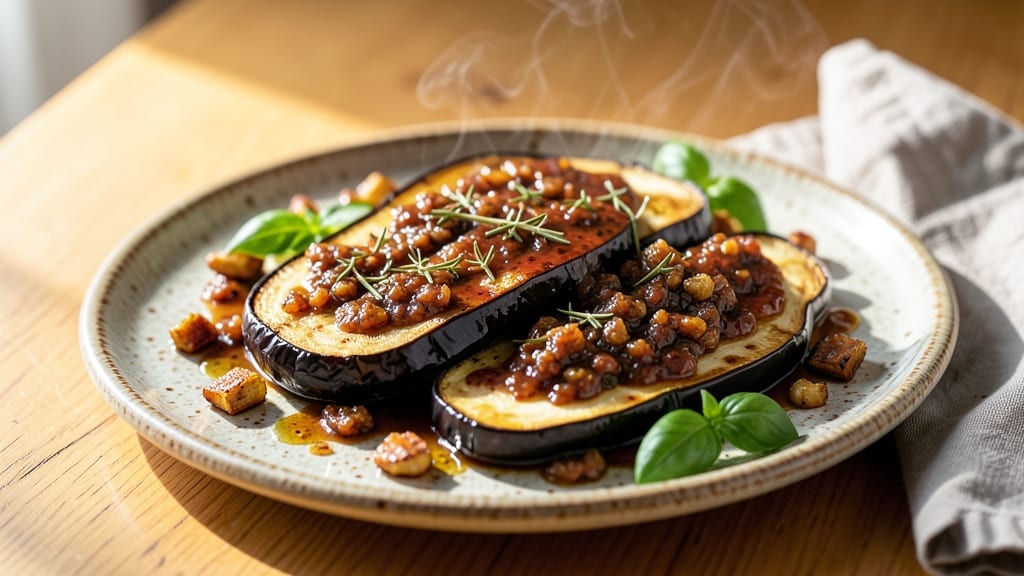
This twice-cooked eggplant recipe transforms humble eggplant into a restaurant-quality side with layers of smoky depth and irresistible texture. The secret lies in cooking it twice—first to soften the flesh, then again to achieve that signature crispy edge that keeps it addictively crunchy.
I perfected this technique after years of experimenting with Mediterranean flavors, and it’s now a staple in my weekly meal rotation. The process starts with roasting or frying the eggplant until tender, then resting it to develop its natural sweetness.
After a quick chill, the second cook—whether in the oven or air fryer—creates that golden, crispy exterior while keeping the inside silky smooth. This method isn’t just about texture; it’s about building flavor with every step, from the initial char to the final caramelization.
What you’ll end up with is a dish that’s versatile enough for any meal—serve it as a side with grilled meats, pile it onto salads, or enjoy it straight from the tray with a drizzle of garlic yogurt or tahini.
The crispy edges stay crispy, the flesh remains tender, and the smoky aroma fills your kitchen like a Mediterranean bistro. This recipe is foolproof, vegetarian-friendly, and packed with flavor—no fancy ingredients, just a simple technique that delivers professional results every time. Let’s get started!
Ingredients for twice cooked eggplant
Twelve ingredients create Mediterranean magic—transforming simple eggplant into restaurant-quality crispy perfection.
| Ingredient | Amount | Notes |
|---|---|---|
| Medium Eggplant 🍆 | 2 whole | Japanese or Italian variety preferred |
| Extra-Virgin Olive Oil 🫒 | ½ cup | High quality, fruity, for roasting |
| Kosher Salt 🧂 | 1 ½ tbsp | Diamond Crystal preferred for precision |
| Smoked Paprika 🌶️ | 1 tbsp | For authentic smoky depth |
| Garlic Cloves 🧄 | 4 cloves | Freshly minced for aromatic base |
| Fresh Rosemary 🌿 | ¼ cup | Finely chopped, stems removed |
| Fresh Thyme Leaves 🌿 | ⅛ cup | Or 1 tbsp dried thyme |
| Lemon Juice 🍋 | 2 tbsp | Freshly squeezed for brightness |
| Vegetable Oil 🫒 | ¼ cup | For second frying, high smoke point |
| Plain Vegetable Broth 💧 | ½ cup | Low-sodium preferred for balance |
| Plain Greek Yogurt 🥛 | ¼ cup | For serving, full-fat preferred |
| Toasted Pine Nuts 🥜 | ¼ cup | Optional garnish for crunch |
| Fresh Parsley Leaves 🌿 | ⅛ cup | Chopped, for garnish |
The eggplant variety matters here. Japanese eggplant (long, slender) holds its shape beautifully, while Italian eggplant offers richer flavor. Whole Foods or Trader Joe's carry excellent selections—look for firm, heavy eggplants with vibrant purple skin. Avoid any with soft spots or wrinkles. For the olive oil, California-based brands like Corto or Lucini deliver that fruity depth essential for roasting. The smoked paprika should be 100% paprika with no additives—check the label. Fresh herbs are non-negotiable for this dish; dried versions won't provide the same aromatic punch when rehydrated.
No smoked paprika? Substitute with 1 tsp liquid smoke plus 1 tsp regular paprika—it's not identical but gets you close. Running low on fresh rosemary? Dried rosemary at one-third the amount works in a pinch, though texture will differ slightly. The vegetable broth can be swapped for water plus 1 tsp vegetable bouillon if needed. For the second frying, avocado oil has an even higher smoke point than vegetable oil. The pine nuts are optional but recommended—they add a luxurious crunch that balances the silky eggplant. If you're avoiding nuts, toasted pumpkin seeds make a worthy substitute.
Eggplant keeps best when refrigerated in an airtight container for 3-4 days after purchase. Once cooked, this dish reheats beautifully—5 minutes at 350°F restores that crispy edge. For meal prep, portion into individual containers and store with a paper towel on top to absorb excess moisture. The cooked eggplant freezes well for up to 3 months—thaw overnight in the fridge before reheating. Fresh herbs should be wrapped in damp paper towels and stored in a sealed bag for up to 5 days. The pine nuts will stay fresh for 6 months in a sealed container in your pantry.
Why You'll Love This Recipe
- One-Pan Magic: I swear by this method—just slice, roast, then crisp again. No chopping boards full of mess, no pots to scrub later. That smoky paprika clinging to the eggplant? Pure flavor with zero fuss.
- Smoky Garlic Kiss: The first roast softens the eggplant, then the second sear locks in that deep, caramelized edge. Toss in minced garlic and a drizzle of olive oil, and you’ve got a dish that tastes like it simmered for hours—but actually took 30 minutes.
- Weeknight Workhorse: I keep a tray of this in the fridge for lazy nights. Serve it over toast with yogurt, stuff it into wraps, or toss it cold into salads. Honestly, I’ve eaten it for breakfast, lunch, and dinner—no judgment here.
- Budget-Friendly Luxury: Eggplant stretches like crazy, and olive oil makes it feel special without breaking the bank. Smoked paprika adds depth for pennies, and garlic? Always a pantry staple. It’s the kind of recipe that makes me feel like I’m cooking gourmet on a Tuesday.
Step-by-step instructions for twice cooked eggplant
Master this technique for restaurant-quality eggplant with contrasting textures every time.
Roast Eggplant Until Tender and Charred
Preheat your oven to 425°F with a rack positioned in the middle. Cut the 2 whole medium eggplant lengthwise into ½-inch thick slices, leaving the skin intact. Arrange the slices on a rimmed baking sheet in a single layer, drizzle with ¼ cup of the extra-virgin olive oil, and sprinkle with 1 tablespoon of the kosher salt and 1 tablespoon of the smoked paprika.
Roast for 20-25 minutes until the eggplant is fork-tender with deep golden-brown char marks. Flip the slices halfway through cooking to ensure even browning. The eggplant should yield slightly when pressed with a fork, indicating it's ready for the second cook. Remove from oven and let cool for 5 minutes before peeling off the skin - it should slide off easily now that the flesh has softened.
Create the Herb-Infused Broth Base
While the eggplant roasts, heat ¼ cup vegetable oil in a large skillet over medium heat. Add the 4 minced garlic cloves and sauté for 30 seconds until fragrant but not browned. Add the ¼ cup chopped fresh rosemary and ⅛ cup fresh thyme leaves, cooking for another 1 minute to release their aromatic oils.
Pour in the ½ cup plain vegetable broth and bring to a gentle simmer. Reduce heat to low and let it reduce by half - about 5 minutes. This concentrated herb broth will form the flavorful base for your eggplant. Remove from heat and stir in the 2 tablespoons lemon juice to brighten the flavors.
Fry Eggplant Slices to Crispy Perfection
Working in batches to avoid crowding, heat ¼ cup extra-virgin olive oil in a clean skillet over medium-high heat until shimmering. Add the peeled eggplant slices and fry for 2-3 minutes per side until golden brown and crispy at the edges. The internal temperature should reach 160°F when checked with an instant-read thermometer.
As each batch cooks, transfer the crispy eggplant slices to paper towels to drain excess oil. The key here is maintaining even heat - if the oil gets too hot, the exterior will burn before the interior cooks through. You want that perfect contrast of crispy exterior with silky interior that defines twice-cooked eggplant.
Assemble with Yogurt Sauce and Garnishes
In a serving bowl, combine the ¼ cup plain Greek yogurt with 1 tablespoon of the remaining extra-virgin olive oil and ½ tablespoon of the kosher salt. Spoon this creamy sauce over the crispy eggplant slices and gently toss to coat. The yogurt will help balance the richness from the fried eggplant while adding a cooling contrast.
Garnish each serving with the ¼ cup toasted pine nuts and ⅛ cup chopped fresh parsley leaves. The pine nuts add a delightful crunch while the parsley provides freshness. Serve immediately while the eggplant maintains its perfect texture contrast - crispy edges with tender, silky centers.
Pro Tips For Making Twice Cooked Eggplant
- SALT THE SLICES FIRST: Toss your eggplant slices in a bowl with 1 teaspoon of kosher salt and let them sit for 10 minutes before cooking. I used to skip this, but it pulls out the bitterness and makes the eggplant absorb the olive oil like a sponge—no more dry, spongy mess after frying.
- USE A SKILLET, NOT A PAN: A heavy cast-iron or stainless steel skillet holds heat better than a flimsy nonstick pan. After the first fry, the eggplant needs to sizzle in ¼ inch of olive oil over medium-high heat until deeply golden—if your pan can’t handle it, you’ll end up with sad, limp slices.
- DON’T SKIP THE REST: After the first fry, spread the eggplant on a wire rack (or a clean kitchen towel) and let it cool for 5-10 minutes. I know, you’re eager to move on, but this step keeps the slices from steaming into a soggy pile when you add them back to the pan for the second cook.
- GARLIC AFTER THE SECOND FRY: Add minced garlic and smoked paprika only in the final 30 seconds of cooking, right after the second quick sear in olive oil. If you toss it in too early, the garlic burns before the eggplant gets its second crisp—wasted flavor, wasted time.
Make-ahead tips for this dish
Prep Ahead Strategy
Start by roasting the eggplant slices up to 2 days in advance—store them in an airtight container at room temperature. The flavor actually deepens as it sits, developing more caramelized notes. Just reheat in a 350°F oven for 10 minutes before the second fry to restore moisture. 💡
Second Cook Timing
For the final crispy step, I recommend frying the eggplant slices just before serving—this ensures maximum crunch. However, you can fry them up to 1 hour ahead and keep warm in a 200°F oven on a wire rack (not a plate) to maintain crispness.
Re-crisp in a skillet for 1-2 minutes per side before serving.
Sauce Prep Shortcut
Make the yogurt sauce 1 day ahead and store it in the fridge. The flavors meld beautifully overnight, and it stays fresh for 2 days. Simply whisk with fresh herbs and lemon juice before serving. I keep mine in a small glass jar for easy storage and portioning.
Freezer-Friendly Method
For long-term storage, freeze the roasted eggplant slices after the first cook. Place them on a tray to freeze solid (prevents sticking), then transfer to a freezer bag for up to 3 months.
Thaw overnight in the fridge, then proceed with the second fry as directed. The texture remains excellent after freezing! ❄️
Portioning for Meals
Divide the final crispy eggplant into individual portions before serving. Store in small airtight containers with a paper towel on top to absorb excess moisture. Reheat at 350°F for 5-7 minutes**—the paper towel helps maintain crispiness. Perfect for meal prep lunches or quick dinners!
Herb Garnish Timing
Toast the pine nuts and chop fresh parsley just before serving to preserve their vibrant flavors. If prepping ahead, store the nuts separately in a sealed container and chop herbs last-minute. The freshness makes all the difference in that final presentation. 🌿
Nutrition facts
Frequently asked questions
Why do we cook eggplant twice in this recipe?
The double-cooking method creates the signature texture that makes this dish special. First, roasting tenderizes the eggplant and develops deep caramelized flavors. Then, frying creates that perfect crispy exterior while keeping the inside silky smooth. This contrast is what makes it so addictive! The first cook also removes excess moisture, ensuring the second cook yields maximum crispiness.
Can I use an air fryer instead of frying for the second cook?
Air frying works beautifully for the second cook. Arrange the roasted eggplant slices in a single layer in your air fryer basket at 375°F for 4-5 minutes, flipping halfway. This method reduces oil while still achieving that crispy texture. Just watch closely to prevent over-browning. The result will be equally delicious with fewer calories!
What if my eggplant slices aren't crispy after the second cook?
This usually happens when the eggplant wasn't properly rested after the first cook or wasn't hot enough during the second cook. Let the roasted slices cool completely before frying, and ensure your oil is at medium-high heat (around 350°F). For extra crispiness, pat them completely dry before the second cook. If needed, give them another 1-2 minutes in the pan.
How can I make this recipe vegetarian-friendly?
This recipe is already vegetarian! The yogurt sauce can be made with plant-based yogurt, and all other ingredients are naturally meat-free. For extra protein, serve with hummus or a chickpea salad. The dish pairs wonderfully with grilled vegetables or as a side to plant-based meats. Just ensure your broth is vegetable-based and check that all ingredients are certified vegetarian if needed.
What are the best ways to serve this eggplant?
This versatile dish works perfectly as a side with grilled meats, fish, or as a vegetarian main. Try it in Mediterranean bowls with quinoa and roasted veggies, or pile it high on a mezze platter with olives and flatbread. The crispy slices also make an excellent pizza topping or salad addition. For extra flavor, drizzle with tahini or serve with warm pita bread.