
Side Dishes
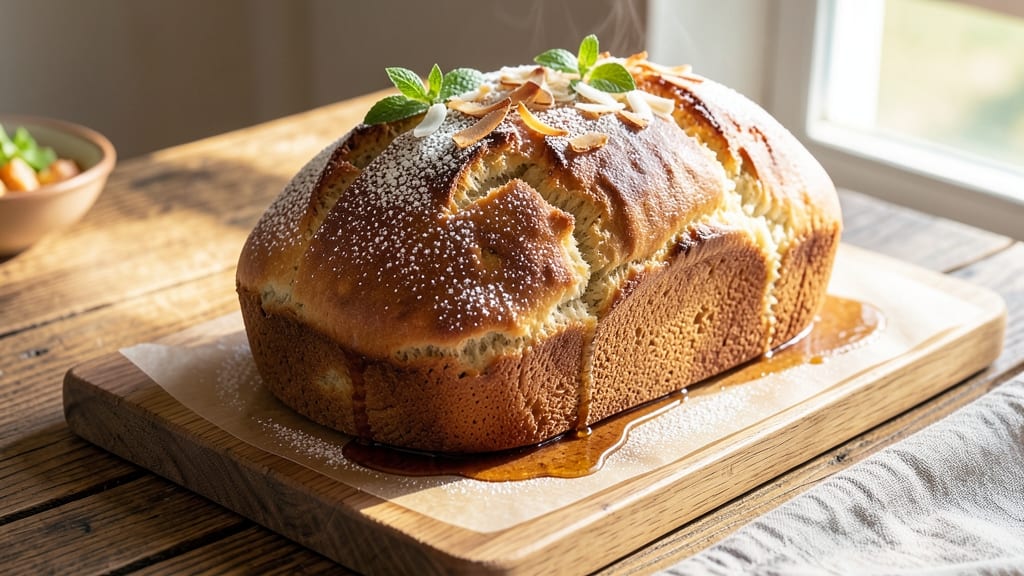
This Trinidad eggless sweet bread delivers the perfect balance of tender crumb and caramelized edges—all without a single egg in sight. 🔥 The secret lies in a clever substitution that maintains its signature softness while letting the warm spices and rum essence shine through.
I've perfected this recipe over years of baking, ensuring every loaf rises beautifully and develops that irresistible golden crust. What makes this recipe truly special is its simplicity combined with rich flavor.
You'll work with basic pantry staples like flour, sugar, and baking powder, but it's the spiced rum infusion that transforms ordinary ingredients into something extraordinary. The bread's tender crumb stays moist for days, making it ideal for breakfast or dessert.
The result is a loaf with a golden, crackly crust that gives way to a soft, pillowy interior infused with warm spices and just the right amount of rum sweetness. This bread pairs beautifully with butter, jam, or even a cup of strong coffee—perfect for any occasion.
Whether you're baking for a family gathering or treating yourself to a homemade indulgence, this recipe delivers restaurant-quality results with minimal effort. Let's get started on creating your perfect loaf!
Ingredients for trinidad eggless sweet bread
Basic pantry staples meet Caribbean magic in this eggless bread—warm spices and rum make every bite special.
| Ingredient | Amount | Notes |
|---|---|---|
| All-Purpose Flour 🌾 | 3 ½ cups | Sifted for light texture |
| Granulated Sugar 🍚 | 1 cup | White or light brown |
| Vegetable Oil 🫒 | ½ cup | Light or canola preferred |
| Spiced Rum 🍹 | ¼ cup | Dark rum for depth of flavor |
| Warm Water 💧 | ¾ cup | 110°F for optimal activation |
| Active Dry Yeast 🍞 | 2 ¼ tsp | Or 1 packet instant yeast |
| Baking Powder 🧂 | 1 ½ tsp | Double-acting for rise |
| Ground Cinnamon 🌿 | 1 tsp | Freshly ground preferred |
| Ground Nutmeg 🌶️ | ½ tsp | Freshly grated nutmeg |
| Ground Cloves 🌿 | ¼ tsp | Lightly toasted for aroma |
| Salt 🧂 | ½ tsp | Fine sea salt preferred |
| Unsweetened Applesauce 🍎 | ½ cup | Replaces eggs for moisture |
| Vanilla Extract 🍃 | 1 tbsp | Pure vanilla preferred |
The flour is the foundation here. King Arthur or Gold Medal brands work best—they handle the rum infusion beautifully without getting gummy. For the rum, Captain Morgan or Gosling's are my go-tos (the spiced varieties add extra depth), but any dark rum in a bottle will do. If you're worried about alcohol content, bake the bread an extra 5 minutes to evaporate it. The yeast is non-negotiable—use active dry and make sure it's fresh (test it in warm water first if you're unsure). For the spices, Penzeys or your local Caribbean market have the best quality—freshly ground nutmeg and cloves make all the difference. Toast the cloves lightly in a dry pan for 30 seconds before grinding to wake up their aroma.
No spiced rum? Substitute with 0.25 cup warm water plus 1 tsp vanilla extract and 0.5 tsp cinnamon—it won't be identical, but you'll still get that warm, cozy flavor. Running low on baking powder? Use 1.5 tsp baking soda plus 0.5 tsp cream of tartar as a substitute (they work together like baking powder). The applesauce is the egg replacement—make sure it's unsweetened or you'll throw off the sugar balance. For extra richness, add 1 tbsp melted butter to the oil mixture (though this makes it technically not vegan—your call!). If you can't find ground cloves, substitute with 0.25 tsp cinnamon plus a pinch of allspice, but trust me on the cloves—they're worth hunting down.
This dough is best used within 4 hours of mixing, but you can refrigerate it overnight if needed (just let it sit at room temp for 1 hour before baking). The bread keeps well at room temperature for 2-3 days in a bread bag, or you can freeze it for up to 3 months—wrap tightly in foil first. For reheating, wrap in foil and warm in a 350°F oven for 10 minutes. Pro tip: Brush warm slices with melted butter and sprinkle with cinnamon sugar for an instant dessert. The crust gets crunchier as it cools, so slice while still slightly warm if you want that perfect balance of crispy and soft.
Why You'll Love This Recipe
- No-Fuss Dough: I swear by this recipe because it’s actually foolproof—no kneading, no waiting for dough to rise. Just mix, let it sit for 30 minutes, and you’re golden. The warm water and oil make it tender without the fuss of yeast or eggs.
- Spiced Rum Magic: That little splash of spiced rum? It’s the secret weapon. It infuses the dough with a warm, caramel-like depth that’s subtly sweet but never cloying. Honestly, I’ve tried it without—don’t.
- Breakfast or Snack: This bread is my go-to for quick toast in the morning, but it’s also perfect for packing in lunchboxes or serving with coffee. The sugar keeps it sweet enough to eat plain, but it’s sturdy enough to hold jam or butter.
- Budget-Friendly Staples: Flour, sugar, oil—these are pantry basics that won’t break the bank. And the leftovers? They last forever if you store them right. I’ve had a loaf last me a full week, and it’s still fresh-tasting.
Step-by-step instructions for Trinidad eggless sweet bread
Here's how to create that signature Trinidad sweet bread with a tender crumb and caramelized edges—no eggs needed!
👨🍳 Step 1: Activate the Yeast and Mix the Wet Ingredients
In a small bowl, combine the 0.75 cup warm water (around 110°F) with the 2.25 tsp active dry yeast. Let it sit for 5-10 minutes until it becomes foamy and bubbly—this tells you the yeast is alive and ready to work. If it doesn't bubble, your yeast might be dead, and you'll need to start over.
In a separate large bowl, whisk together the 1 cup granulated sugar, 0.5 cup vegetable oil, 0.25 cup spiced rum, 0.5 cup unsweetened applesauce, and 1 tbsp vanilla extract. The rum adds that signature depth, while the applesauce keeps the bread tender without eggs. Mix until everything is fully combined and smooth—no lumps should remain.
👨🍳 Step 2: Combine Dry Ingredients and Form the Dough
In the same large bowl, sift in the 3.5 cups all-purpose flour, 1.5 tsp baking powder, 1 tsp ground cinnamon, 0.5 tsp ground nutmeg, 0.25 tsp ground cloves, and 0.5 tsp salt. Give it a quick stir with a wooden spoon to break up any clumps. The spices should be evenly distributed—this is where the warm, aromatic flavors come from.
Make a well in the center and pour in the yeast mixture. Using a wooden spoon or your hands, gently mix everything together until a shaggy dough forms. Avoid overmixing—you're looking for a sticky but manageable dough that comes together when pressed. If it's too dry, add 1 tablespoon warm water at a time until it holds.
⏰ Step 3: Knead and Let the Dough Rise
Turn the dough onto a lightly floured surface and knead for 5-7 minutes until smooth and elastic. You'll know it's ready when it springs back slowly when poked. The dough should be soft but not sticky—if it sticks too much, wet your hands slightly as you knead. This step develops the gluten, giving your bread that perfect texture.
Place the dough in a lightly greased bowl, cover it with a damp kitchen towel, and let it rise in a warm place for 1-1.5 hours or until it has nearly doubled in size. The kitchen towel keeps it from drying out, and the warm environment helps it rise faster. Poke the dough gently—if it springs back slowly, it's ready. If not, give it another 15-20 minutes.
🔥 Step 4: Shape and Bake to Golden Perfection
Preheat your oven to 350°F and grease a 9x5-inch loaf pan. Punch down the risen dough to release any air bubbles, then shape it into a loaf by folding the edges toward the center. Gently press it into the prepared loaf pan, smoothing the top with a wet spatula. The rum aroma will be strong—this is a good sign!
Bake for 50-55 minutes until the top is deep golden brown and a toothpick inserted into the center comes out clean. The edges should be caramelized with a crackly crust, while the inside remains soft and moist. If the top browns too quickly, tent the pan with foil after 25 minutes to prevent over-browning.
⏰ Step 5: Cool and Slice for Maximum Softness
Remove the bread from the oven and let it cool in the pan for 10 minutes before transferring it to a wire rack. This resting period allows the bread to set slightly, making it easier to slice without falling apart. The aroma alone will make your kitchen smell like a Trinidad bakery—worth the wait!
Slice the bread while still slightly warm for the best texture. Serve it plain, toasted, or with a smear of butter. The inside should be tender with a fine crumb, and the caramelized edges will add a touch of sweetness with every bite. Store any leftovers in an airtight container for up to 3 days, or freeze for longer storage.
Pro Tips For Making Trinidad Eggless Sweet Bread
- STOP OVER-MIXING THE DOUGH: Trinidad sweet bread needs just enough handling to bring it together—any more and you’ll activate the gluten too much, making it dense instead of light. Once the flour, sugar, and oil are combined, add the warm water and spiced rum slowly, mixing until the dough barely holds together. It’ll look shaggy, and that’s perfect.
- MEASURE RUM PRECISELY: That bottle of spiced rum might smell amazing, but too much will overpower the bread’s sweetness and make it gummy. Stick to the recipe’s amount—usually around 2 tablespoons—and use a measuring spoon, not a splash. If you’re nervous, warm the rum with the water first; the alcohol flavor mellows out as it cooks.
- LET THE DOUGH REST LONGER: I used to rush this step and wondered why my bread turned out tough. After the first rise, let it sit for at least 30 minutes before shaping—this relaxes the gluten and helps the crumb stay tender. Cover it loosely with a damp towel, and if your kitchen’s cold, give it an extra 10 minutes.
- USE A LITTLE LESS SUGAR: Sugar caramelizes beautifully, but too much in this recipe can make the bread dry out faster. If your recipe calls for 1 cup, try reducing it to ¾ cup—trust me, the flavor’s still rich, but the texture stays moist. Save the extra sugar for sprinkling on top before baking for that golden crust.
Essential equipment for perfect results
Must-Have Mixing Tools
Start with a 9x13-inch glass mixing bowl—I love the Pyrex brand because it's heat-resistant and easy to clean. For the yeast activation, use a small ceramic or glass bowl (no metal—it can kill the yeast).
A wooden spoon is ideal for mixing the wet ingredients, while a damp kitchen towel keeps the dough from drying out during rising. 🌾
Kneading Essentials
For kneading, a lightly floured surface works best. I recommend a marble or granite countertop if you have one—it's cooler than wood and prevents the dough from sticking.
If you're short on space, a stand mixer with a dough hook attachment (like the KitchenAid Artisan) can handle the kneading for you in about 3-4 minutes on medium speed.
Baking Gear
A 9x5-inch loaf pan is non-negotiable for this recipe—I use Wilton brand because it's durable and doesn't rust. For greasing, vegetable oil or butter works, but I prefer coconut oil for its neutral flavor.
A toothpick is essential for checking doneness, and parchment paper helps with easy removal from the pan.
Pro Tips for Better Results
Invest in a digital kitchen scale (like the OXO Good Grips) for precise measurements—especially when working with yeast and baking powder. A thermometer ensures your water is exactly 110°F for optimal yeast activation.
For extra caramelization, brush the baked loaf with melted butter while still warm and sprinkle with cinnamon sugar for a restaurant-style finish. ✨
Budget-Friendly Swaps
No stand mixer? A plastic dough scraper and your hands work just fine. For the loaf pan, a small baking dish (about 8x4 inches) can work in a pinch—just reduce baking time by 5-7 minutes.
A spoon thermometer can double as a yeast tester if you don't have a separate thermometer. The key is adapting while keeping the dough's texture and rise intact.
Storage Solutions
Store baked bread in an airtight container (like Rubbermaid Containers) to keep it fresh for 2-3 days. For freezing, wrap individual slices in plastic wrap and place them in a freezer bag—this prevents freezer burn and makes reheating a breeze.
A wire cooling rack is a must-have for proper cooling after baking. 💫
Nutrition facts
Frequently asked questions
Can I substitute the spiced rum with something else?
Yes! If you don't have spiced rum, mix 0.25 cup warm water with 1 tsp vanilla extract and 0.5 tsp cinnamon for a similar warm flavor. For extra depth, add 1 tbsp molasses—it mimics the rum's caramel notes. The bread will still taste delicious, though the Caribbean essence will be slightly different.
Why did my bread turn out dense instead of soft?
Dense bread usually means the yeast didn't activate properly or the dough didn't rise enough. Double-check your yeast by testing it in warm water first—it should bubble within 5-10 minutes. Also, ensure your kitchen is warm enough (use a 110°F oven with the light on if needed) and don't over-knead the dough. A dense texture can also happen if the baking powder is old—replace it with fresh double-acting baking powder.
How do I make this bread without a loaf pan?
Shape the dough into a round or oval free-form loaf on a parchment-lined baking sheet. Brush with melted butter and bake at 350°F for 40-45 minutes until golden. For extra crispiness, bake on a preheated pizza stone. The texture will be slightly different (more crusty), but still delicious! The bread will keep its signature soft crumb inside.
Can I add chocolate chips or nuts to this recipe?
Fold in 0.5 cup chocolate chips or 0.5 cup chopped walnuts with the dry ingredients. For nuts, lightly toast them first to enhance flavor. Avoid overloading—too many mix-ins can make the bread dense. If using chocolate, use dark or semi-sweet chips for the best pairing with the spiced flavors.
How long can I keep the dough before baking?
The dough is best baked within 4 hours of mixing, but you can refrigerate it overnight for a slower rise. Cover tightly with plastic wrap and let it sit at room temperature for 1 hour before shaping and baking. This cold fermentation enhances flavor but may slightly reduce rise. For longer storage, freeze the shaped dough (unbaked) for up to 1 month—thaw overnight in the fridge before baking.