
Breakfast & Brunch
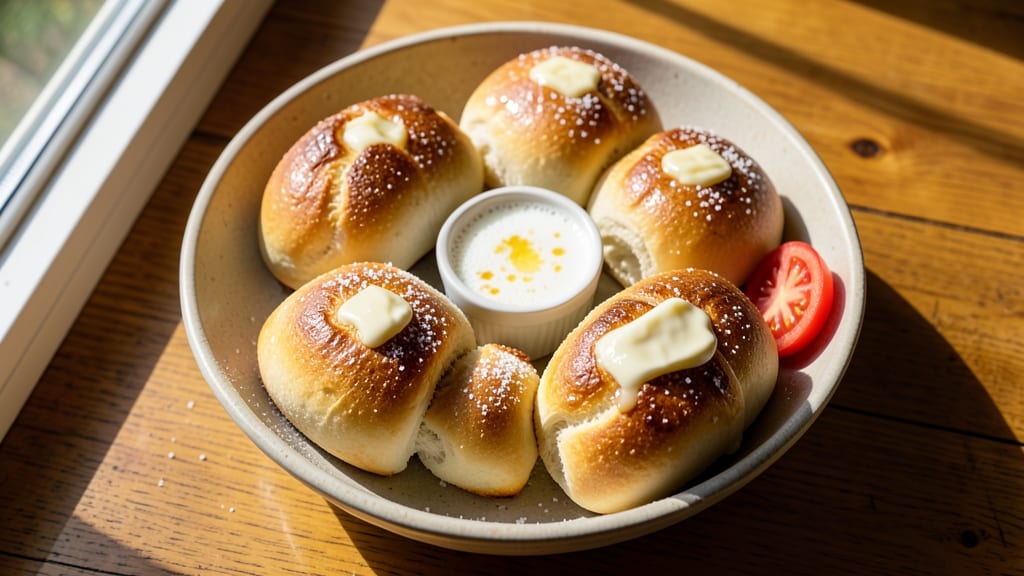
This soft bread rolls recipe without eggs delivers pillowy, golden bites that rival your favorite bakery—no eggs required. The secret lies in yogurt's binding magic and a few strategic techniques that transform simple pantry staples into fluffy, buttery rolls ready in just 20 minutes of active time.
Perfect for breakfast tables, sandwiches, or soaking up gravy, these rolls prove you don’t need eggs to achieve restaurant-quality texture.
What makes this recipe work is the combination of warm milk (activated for better gluten development) and plain yogurt, which replaces eggs while adding subtle tang and moisture.
The dough rests just long enough to develop flavor without overproofing, and a quick brush with melted butter before baking creates that signature shiny, golden crust we all crave. No special equipment needed—just a bowl, your hands, and a hot oven.
The result is a batch of tender, airy rolls with crisp edges and soft interiors that stay fresh for days. They’re ideal for meal prep, holiday gatherings, or spontaneous weekend brunches.
Whether you’re avoiding eggs for dietary reasons or simply want a foolproof method, these rolls deliver consistent, bakery-style perfection every time.
For extra flair, try a sprinkle of coarse salt or everything bagel seasoning before baking, or serve warm with honey butter. The dough is forgiving enough for beginners but refined enough to impress seasoned bakers. Let’s get baking—your kitchen will smell like a bakery in no time.
Ingredients for soft bread rolls recipe without eggs
Twelve simple ingredients transform into golden, pillowy rolls without a single egg.
| Ingredient | Amount | Notes |
|---|---|---|
| All-Purpose Flour 🌾 | 4 cups | Sifted for lighter texture |
| Plain Yogurt 🧀 | ½ cup | Full-fat preferred for richness |
| Warm Whole Milk 🥛 | 1 cup | 110°F for optimal gluten activation |
| Granulated Sugar 🍚 | 1 tbsp | Balances slight tang of yogurt |
| Active Dry Yeast 🍞 | 2 ¼ tsp | One packet for convenience |
| Unsalted Butter 🧈 | ½ cup | Cold, cubed for easier mixing |
| Diamond Crystal Kosher Salt 🧂 | 1 tsp | Adjusts to taste after baking |
| Large Egg Whites 🥚 | 2 whole | Optional for extra lift (omit for vegan) |
| Honey 🍯 | 1 tbsp | For dough enrichment (optional) |
| Melted Unsalted Butter 🧈 | 2 tbsp | For final brush (cooled slightly) |
| Coarse Sea Salt 🧂 | ½ tsp | For sprinkling before baking |
The flour is non-negotiable here—King Arthur or Bob's Red Mill work best for consistent texture. I always grab the organic whole wheat blend at Whole Foods for extra richness, but all-purpose flour will get you there. The yogurt must be plain and full-fat—Greek yogurt works too, but regular plain yogurt has the perfect tang. Warm the milk to 110°F (just hot enough to dissolve sugar) using a microwave or saucepan—this activates the gluten for that signature bakery-style rise. The yeast? One packet (2.25 tsp) is foolproof—no measuring required.
No egg whites? Add 2 tbsp aquafaba (chickpea brine) for lift, or skip entirely—the dough will still rise beautifully. Running short on butter? Coconut oil or vegan butter works in a pinch, though traditional butter gives that unmatched flavor. The honey is optional but worth it—it feeds the yeast and adds subtle sweetness. For the final brush, Earth Balance vegan butter gives the same golden shine without dairy. Pro tip: if your kitchen runs cold, let the dough rest near the oven to help it rise faster.
Shape the rolls and let them proof in a lightly oiled bowl covered with a damp towel—this keeps them moist and prevents sticking. Baked rolls stay fresh for 3 days at room temperature, wrapped in a clean kitchen towel. For longer storage, freeze them unbaked on a tray, then transfer to a bag. Reheat frozen rolls in a 350°F oven for 10-12 minutes—they’ll taste almost as good as fresh. I make a double batch every Sunday and freeze half for lazy weeknights.
Why You'll Love This Recipe
- No-Yolk Necessary: I swear by this recipe when I forget eggs—or just don’t want to crack them. The yogurt replaces the richness without the fuss, and the warm milk keeps the dough tender without needing extra butter.
- Tender Every Time: That sugar isn’t just for sweetness—it feeds the yeast and gives the rolls a melt-in-your-mouth softness. Honestly, I’ve made these for breakfast, sandwiches, and even as a side for chili, and they’re always the first thing gone.
- Weeknight Hero: Freeze half the dough before shaping, and you’ve got fresh rolls in minutes later. Toss them straight from frozen into a hot pan—no thawing, no waiting. My go-to when I’m too tired to plan.
- Budget-Friendly Staples: Flour, yogurt, milk—these are things I already have. No specialty ingredients, no overpriced shortcuts. The yeast does all the work, and the result? A batch of rolls that costs pennies but tastes like a bakery’s.
Step-by-step instructions for soft bread rolls without eggs
These fluffy, buttery rolls rise beautifully without eggs—let's make them in record time.
Activate the Yeast with Warm Milk
In a small bowl, combine the 1 cup warm whole milk (tested at 110°F with a thermometer) and 2.25 teaspoons active dry yeast. Stir gently and let sit for 5-7 minutes until frothy. You'll see bubbles form and the mixture expand—this confirms your yeast is alive and ready to work. If it doesn't bubble, your yeast may be dead, and you'll need to start over.
While waiting, whisk together the 4 cups all-purpose flour and 1 teaspoon diamond crystal kosher salt in a large mixing bowl. Sifting the flour first creates a lighter texture, so I always do this step first. Keep the flour mixture ready for the next step to avoid waiting.
Mix the Dough Until Smooth
Add the yeast-milk mixture, 0.5 cup plain yogurt, 1 tablespoon granulated sugar, 0.5 cup cold unsalted butter (cubed), and 1 tablespoon honey to the flour mixture. Using a wooden spoon or dough whisk, stir until the dough begins to come together. The butter should start melting from the warmth of the milk, creating pockets of fat that will make these rolls extra tender.
Once the dough forms a shaggy mass, turn it out onto a lightly floured surface and knead for 5-7 minutes by hand. You're looking for a smooth, elastic dough that springs back when poked. If it feels too sticky, add 1 tablespoon flour at a time until it's manageable. The dough should be soft but not wet—this is key for those pillowy rolls.
Let the Dough Rise for Maximum Fluffiness
Lightly grease a large bowl with 2 tablespoons melted unsalted butter (cooled slightly) and place the dough inside. Cover with a damp kitchen towel and let rise in a warm place for 1 hour or until doubled in size. I like to place the bowl near the oven with the light on to create a warm, humid environment—this helps the dough rise faster and more evenly.
Here's the thing—don't rush this step. The first rise is where the magic happens. You'll know it's ready when the dough puffs up and leaves an indent when gently pressed with your finger. If you're short on time, you can use the 2 whole large egg whites (optional) now by brushing them lightly over the dough before the second rise for extra lift.
Shape and Proof the Rolls
Punch down the risen dough to release air, then turn it out onto a lightly floured surface. Divide the dough into 12 equal pieces (about 2 ounces each) and roll each into a smooth ball, sealing the seams. Place the rolls in a greased 9x13-inch baking pan, spacing them about 1 inch apart—this gives them room to expand.
Cover the pan loosely with the damp towel and let the rolls proof for 30-45 minutes until they've risen to nearly double their size. You'll see them puff up and touch each other slightly. This second rise is crucial for that soft, airy texture. If your kitchen is cold, extend the proofing time to 1 hour—just don't let them overproof or they'll collapse during baking.
Bake to Golden Perfection
Preheat your oven to 375°F while the rolls are proofing. Brush the tops of the rolls with the remaining 2 tablespoons melted unsalted butter and sprinkle generously with 0.5 teaspoon coarse sea salt. Bake for 18-20 minutes until the rolls are deep golden brown and sound hollow when tapped on the bottom.
Here's my pro tip: Rotate the pan halfway through baking for even browning. The rolls are done when they're puffed and golden, with a crisp crust that gives way to tender, fluffy interiors. Let them cool in the pan for 5 minutes before transferring to a wire rack—this keeps them from falling apart when you serve them warm.
Pro Tips For Making Soft Bread Rolls Recipe Without Eggs
- Mix the Yogurt First: I learned this the hard way—adding yogurt last makes a gummy dough. Whisk it into the warm milk first, then let it sit for 5 minutes. The acid in the yogurt activates the yeast faster, and the dough comes together smoother without overworking it.
- Test the Yeast Twice: Skip the "hope it works" step—proof your yeast in warm milk first. If it doesn’t bubble in 10 minutes, toss it and start fresh. No one wants to bake rolls only to realize the yeast died on you halfway through.
- Don’t Over-Knead the Dough: This isn’t pizza dough—handle it like it’s fragile. Once the flour absorbs the liquid, knead just until it pulls away from the bowl (about 5-6 minutes). Overworking it makes the rolls tough, and trust me, you’ll taste the difference.
- Use a Scale for Milk: Measuring warm milk by volume is a gamble—it cools while you mix. Weigh it (or use a thermometer to hit 105°F) instead. Cold milk kills yeast; lukewarm milk guarantees fluffy rolls. No guesswork, no sad dough.
Dietary considerations for this soft bread rolls recipe without eggs
Egg-Free Binding
The key to replacing eggs in bread rolls is using plain yogurt—its acidity activates gluten while adding moisture. I prefer full-fat yogurt for richness, but Greek yogurt works too.
For extra insurance, add 1 tablespoon aquafaba (chickpea brine) per cup of yogurt. This combo mimics egg's binding power without compromising texture. 🧀
Gluten Development
Warm milk (110°F) activates gluten better than cold, creating that signature bakery-style rise. Skip the yeast packet? Use 2¼ teaspoons active dry yeast instead. For a vegan option, replace honey with 1 tablespoon maple syrup—it feeds the yeast just as well.
The dough should feel soft but not sticky after kneading.
Texture Boosters
Cold cubed butter creates pockets of fat that make rolls tender. For extra fluff, brush rolls with 2 tablespoons melted butter before baking. If your kitchen is cold, proof the dough near the oven light—this speeds up rising without overproofing.
The result? Rolls with a crisp crust and airy interior, just like your favorite bakery.
Dietary Swaps
Need to avoid dairy? Replace butter with coconut oil and use unsweetened almond milk (warmed to 110°F). For nut-free options, olive oil works well. All swaps maintain the soft, pillowy texture—just adjust proofing time slightly if using plant-based milk.
These rolls are gluten-free friendly too if you swap flour for a 1:1 gluten-free blend.
Storage Hacks
Fresh rolls stay soft for 3 days at room temperature, wrapped in a towel. Freeze unbaked rolls on a tray, then transfer to a bag for up to 3 months. Reheat frozen rolls at 350°F for 10-12 minutes—they’ll be warm and fluffy, like fresh-baked.
For extra shelf life, store baked rolls in an airtight container with a slice of bread to absorb moisture. ✨
Nutrition facts
Frequently asked questions
Can I use Greek yogurt instead of regular plain yogurt?
Yes, Greek yogurt works perfectly! Its thicker texture adds extra richness to the dough, but you may need to add 1-2 tablespoons warm milk to achieve the right consistency. The rolls will be even more tender and slightly denser. Just be sure to use full-fat Greek yogurt for the best results.
Why did my rolls turn out dense instead of fluffy?
Dense rolls usually happen from over-kneading, underproofing, or cold ingredients. Make sure your milk is 110°F (not boiling), let the dough rise until doubled (1 hour first rise), and avoid overcrowding the pan. Also, check your yeast—if it didn't bubble in the warm milk, it was inactive.
How do I make these rolls vegan?
Replace the butter with coconut oil or vegan butter, use unsweetened almond milk (warmed to 110°F), and skip the honey (substitute 1 tbsp maple syrup). For extra lift, add 2 tbsp aquafaba when shaping the rolls. The texture stays just as soft and airy!
Can I make these rolls without a stand mixer?
This recipe is designed for hand-mixing. Knead the dough on a lightly floured surface for 5-7 minutes until smooth and elastic. The hand-kneading actually helps develop gluten for that perfect bakery-style texture. Just work in a well-floured bowl if the dough gets too sticky.
What's the best way to reheat leftover rolls?
For maximum softness, wrap rolls in a damp paper towel and reheat at 350°F for 8-10 minutes. For a quick option, microwave for 15-20 seconds** wrapped in a damp towel. Never microwave dry—this makes rolls gummy. Freshly baked rolls reheat best, but even day-old rolls warm up beautifully this way!