
Breakfast & Brunch
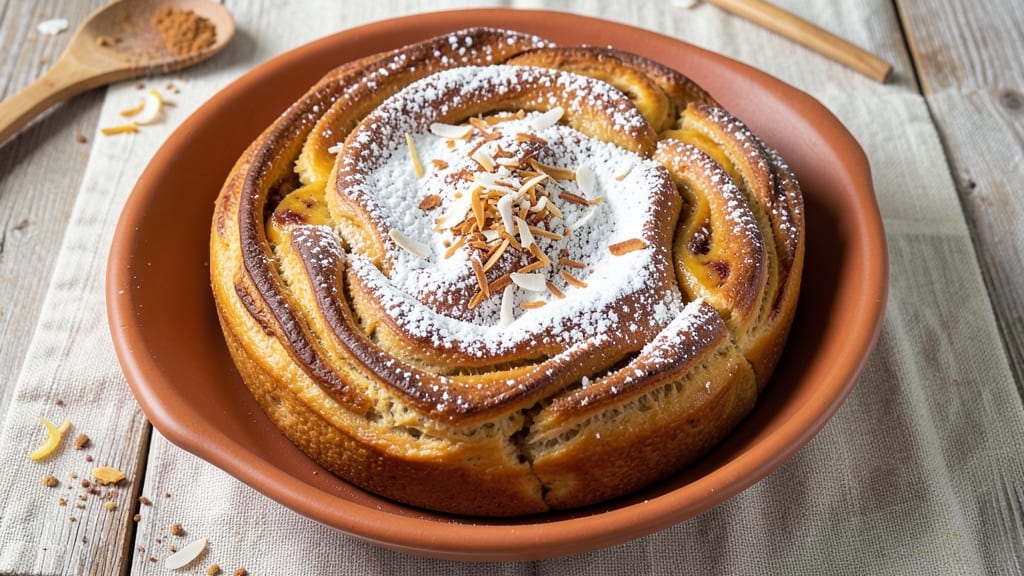
This Trinidad sweet bread recipe without eggs delivers all the fluffy, spiced sweetness of tradition while accommodating dietary needs. The secret lies in a clever egg substitute that maintains that signature tender crumb and caramelized crust—no one will guess it's egg-free.
Growing up in Trinidad, this loaf was a staple breakfast, its warm cinnamon aroma filling homes before dawn.
What makes this version special is the banana puree, which replaces eggs while adding natural sweetness and moisture. The dough comes together with simple pantry staples—flour, sugar, and spices—then bakes into a golden loaf with a crackly top.
The recipe maintains the cultural essence while being adaptable for vegan diets or when eggs aren't available.
By the time it emerges from the oven, you'll have a fragrant loaf with a tender crumb and subtle banana notes that keep it from being too sweet.
The spices—cinnamon, nutmeg, and cloves—create warmth that pairs perfectly with butter or jam. This is comfort food at its finest, made approachable for modern kitchens.
Serve warm with a dusting of powdered sugar or a drizzle of honey for that authentic touch. The recipe yields two loaves, perfect for sharing or freezing for quick breakfasts. Let's get baking—this version proves dietary restrictions don't have to mean sacrificing tradition.
Ingredients for trinidad sweet bread recipe without eggs
Simple pantry staples and ripe bananas create this fluffy, spiced loaf without eggs.
| Ingredient | Amount | Notes |
|---|---|---|
| All-Purpose Flour 🌾 | 4 cups | Sifted for light texture |
| Granulated Sugar 🍚 | 1 ½ cups | White or light brown |
| Ripe Bananas 🍌 | 2 large | Mashed into puree |
| Vegetable Oil 🫒 | ½ cup | Neutral flavor preferred |
| Warm Water 💧 | 1 cup | 110°F for best results |
| Active Dry Yeast 🍞 | 2 ¼ tsp | One packet |
| Ground Cinnamon 🌿 | 1 ½ tsp | Freshly ground preferred |
| Ground Nutmeg 🌿 | ½ tsp | Freshly grated best |
| Ground Cloves 🌶️ | ½ tsp | Whole cloves preferred |
| Salt 🧂 | ½ tsp | Kosher or sea salt |
| Powdered Sugar 🍚 | ¼ cup | For dusting top |
| Honey 🍯 | 2 tbsp | For drizzling (optional) |
The bananas are key here—their natural sweetness and moisture replace eggs perfectly. Use very ripe bananas (black spots, soft to touch) for maximum sweetness and easy mashing. I grab mine from the produce section at Whole Foods or my local Caribbean market, where they're often sold in bulk. For the spices, Penzeys or bulk bins at natural grocery stores ensure freshness. The cinnamon should be ground just before using—pre-ground loses potency quickly. If you're short on time, the Trader Joe's spice aisle has pre-ground options that work in a pinch.
No ripe bananas? Substitute with 1 cup mashed sweet potato or 1 cup unsweetened applesauce, though the flavor will differ slightly. The yeast needs to be fresh—if your packet is older than a few months, test it in warm water with a pinch of sugar to confirm it foams. For a vegan option, skip the honey and use maple syrup instead. The powdered sugar is optional but adds that classic Trinidad finish—just dust it over the loaf right after baking. If you're making this ahead, store the dough in the fridge overnight for deeper flavor development.
This dough rises best in a warm place—try a turned-off oven with a bowl of hot water on the bottom shelf. Once baked, the loaves keep well at room temperature for 2 days or in the fridge for 5 days. For longer storage, slice and freeze portions for up to 3 months. I always make two loaves—they disappear fast, especially when paired with butter or jam. The aroma alone will have your kitchen smelling like a Trinidad bakery.
Why You'll Love This Recipe
- No-Yolk Magic: I’ll admit, I was skeptical about skipping eggs—until I tasted how the ripe bananas and warm water create that tender, slightly dense crumb. The dough comes together in minutes, and honestly? You’d never guess it’s missing eggs.
- Banana-Sugar Bliss: That caramelized sugar crust? Pure satisfaction. The bananas add natural sweetness without overpowering, while the sugar gives it that golden, almost buttery finish. It’s the kind of flavor that makes you reach for a second slice before the first even cools.
- Breakfast or Snack: I make this for lazy mornings, after-school treats, or even as a quick dessert. Toast a slice, spread with butter, and it’s a breakfast hero. Or serve it warm with a dusting of cinnamon—suddenly, it’s a dessert no one will skip.
- Pantry Staple Power: Between us, this recipe uses stuff you already have. No weird ingredients, no last-minute store runs. The bananas get used up, the flour doesn’t go stale, and the leftovers? They stay fresh for days, perfect for when you’re too tired to bake.
Step-by-step instructions for Trinidad sweet bread without eggs
This egg-free version delivers the same tender crumb and aromatic spice blend through precise technique.
Activate the Yeast for Maximum Rise
In a small bowl, combine the 1 cup warm water (tested at 110°F—should feel like bath water) with the 1.5 cups granulated sugar and 2.25 tsp active dry yeast. Stir gently and let sit for 5-10 minutes until frothy. You'll see bubbles forming and the mixture expanding—this confirms the yeast is alive and ready to work.
I always use a clean bowl for this step to avoid any lingering bacteria that could inhibit yeast activity. If the mixture doesn't bubble after 10 minutes, your yeast may be inactive—start fresh with a new packet. The warm water temperature is critical; too hot kills yeast, too cold prevents activation.
Combine Wet Ingredients and Mix to a Smooth Batter
In a large mixing bowl, mash the 2 large ripe bananas into a smooth puree using a fork or potato masher. Add the yeast mixture, 0.5 cup vegetable oil, and the remaining ingredients: 1.5 tsp ground cinnamon, 0.5 tsp ground nutmeg, 0.5 tsp ground cloves, and 0.5 tsp salt. Mix with a wooden spoon until just combined—you should have a thick, sticky batter.
The bananas add natural sweetness and moisture that replaces eggs in this recipe. I like to press the mixture through a fine-mesh sieve to remove any banana skins or large chunks, ensuring a smooth texture. The spices should be evenly distributed—this is where the authentic Trinidad flavor develops.
Gradually Incorporate the Flour for a Light Dough
Add the 4 cups all-purpose flour (sifted for a lighter texture) to the wet mixture. Using a dough whisk or rubber spatula, gently fold the flour into the batter until just combined. The dough will be sticky and shaggy at first—this is normal. Avoid overmixing, which develops gluten and makes the bread dense.
Here's the thing—this dough behaves differently than traditional bread dough. It's more like a thick cake batter than yeast bread. I recommend using a stand mixer with the paddle attachment for 2 minutes on low speed to fully incorporate the flour without overworking it. The dough should pull away from the sides of the bowl but still be quite sticky.
Let the Dough Rise Until Nearly Doubled
Lightly grease a large mixing bowl with vegetable oil and transfer the dough to it. Cover with a clean kitchen towel and let rise in a warm place for 1-1.5 hours, or until the dough has risen about 50-75% of its original volume. You'll know it's ready when the top looks puffy and slightly domed, with small bubbles forming on the surface.
I place my bowl on top of my oven with the light on (creates a warm, moist environment) for consistent rising. Don't skip this step—proper fermentation develops the bread's signature tender crumb. If your kitchen is cold, try placing the bowl near a warm oven or under a heat lamp. The dough should spring back slowly when poked with a finger.
Shape and Bake for a Golden, Fragrant Loaf
Preheat your oven to 350°F and grease a 9x5-inch loaf pan generously with vegetable oil. Carefully transfer the risen dough to the prepared pan, using oiled hands to shape it evenly. Dust the top with 0.25 cup powdered sugar and drizzle with 2 tbsp honey (if using). Bake for 45-50 minutes until the top is golden brown and a toothpick inserted in the center comes out clean.
The powdered sugar creates that signature caramelized crust while the honey adds subtle sweetness. I like to tap the pan gently on the counter before removing the bread—this helps it release cleanly. For extra browning, you can broil for 1-2 minutes at the end, but watch closely to avoid burning. Let the bread cool in the pan for 10 minutes before transferring to a wire rack.
Pro Tips For Making Trinidad Sweet Bread Recipe Without Eggs
- Mash Bananas Properly: Skip the food processor—hand-mashing bananas with a fork until smooth (no lumps) makes a real difference. I learned this the hard way after a batch turned out gummy; ripe bananas break down better when worked by hand, and you’ll feel those tiny chunks in every bite.
- Mix Just Until Combined: Overworking the dough after adding warm water turns it tough. Stir in the wet ingredients until the flour barely comes together—about 10-12 strokes—then stop. The dough will firm up as it rests, and you’ll avoid a dense, chewy loaf.
- Grease the Pan Right: Use a light coat of vegetable oil on the pan, then dust with flour and tap out the excess. I used to skip this, and the bread stuck like glue. A thin layer of oil keeps it moist, but flour ensures it doesn’t steam too much and stay soggy.
- Let It Rise Twice: The first rise (30-45 minutes) is obvious, but the second—after shaping—is where flavor develops. Cover the loaf with a damp towel and let it sit another 10 minutes before baking. Sounds weird, but it works: the bread bakes up taller and less dense.
Regional styles of trinidad sweet bread recipe without eggs
Caribbean Home Version
In Trinidadian households, this bread is often called "sweet bread" or "bannock" and traditionally baked in a cast-iron skillet for a crispier exterior. I remember my grandmother using a heavy Dutch oven lined with banana leaves for extra authenticity—though that’s more for special occasions.
The key difference is the longer baking time (up to 60 minutes) when using cast iron, which creates a rustic, slightly chewy crust.
For home cooks, a 9x5-inch loaf pan works perfectly, but if you want that traditional texture, try baking in a greased skillet for the last 10 minutes of cook time. 🍞
Jamaican Adaptation
Jamaican bakers often add 1 teaspoon of allspice to this recipe, giving it a deeper, slightly earthy warmth that complements the cinnamon. The Jamaican version also sometimes includes 1 cup of raisins or currants for texture—just fold them in during the final mixing step.
For a true Jamaican touch, brush the baked loaf with 1 tablespoon of rum (like Appleton Estate) before serving. The alcohol burns off during baking, leaving behind a subtle, boozy aroma that’s pure comfort food magic. 🌶️
Guyanese Sweet Bread
In Guyana, this bread is often called "paratha-style sweet bread" and is sometimes baked in smaller rounds rather than a loaf. The Guyanese adaptation replaces ½ cup of the flour with cornmeal for a slightly denser, nuttier texture.
They also add 1 teaspoon of grated ginger to the spice mix, which gives the bread a bright, zesty kick. For a Guyanese-style finish, drizzle the baked loaf with 2 tablespoons of coconut cream instead of honey—it pairs beautifully with the warm spices. 🥥
Modern Vegan Twist
For a fully vegan version, swap the honey for 2 tablespoons of maple syrup and use flaxseed "eggs" (1 tablespoon ground flaxseed + 3 tablespoons water per "egg") as an extra binder.
I’ve also seen versions where 1 cup of coconut yogurt replaces the banana puree entirely—though the banana adds that classic sweetness. The texture stays light if you whisk the flaxseed mixture vigorously before adding it to the dough.
This version is perfect for vegan diets but still delivers that rich, spiced aroma that makes it feel special. 🌱
Trinidadian Bakery Style
Authentic Trinidadian bakeries often bake this bread in large, shallow pans for a wider loaf with a thicker crust. The secret? They use less sugar (about 1 cup instead of 1.5 cups) to let the banana’s natural sweetness shine.
For a bakery-style finish, brush the baked loaf with melted butter while still warm and sprinkle with toasted coconut flakes for crunch. The result is a golden, crackly top that’s irresistible. If you’re feeling ambitious, try baking it in a clay pot for an even more rustic texture. 🏺
Breakfast Staple Variations
In Trinidad, this bread is often served warm with butter and jam for breakfast, but it’s also a star at Sunday brunches. For a savory-sweet twist, some families brush the baked loaf with garlic butter and serve it with salted cod (a traditional Trinidadian dish).
Another favorite? Slice it thin, toast it, and use it for French toast—the spices soak into the syrup beautifully. The possibilities are endless, but the banana-spice combo always remains the heart of the dish. ✨
Nutrition facts
Frequently asked questions
Why does this recipe use bananas instead of eggs?
Bananas act as a natural sweetener and binder while adding moisture—perfect for replacing eggs in this spiced loaf. The ripe fruit's natural sugars caramelize during baking, creating that signature sweetness without needing extra sugar. Plus, it keeps the bread tender and fluffy, just like traditional versions.
Can I make this bread without a loaf pan?
For a rustic version, shape the dough into a round and bake in a greased cast-iron skillet. Increase baking time by 5-10 minutes until golden. You can also use a round cake pan or even bake it as individual muffins for mini portions—just reduce baking time to 20-25 minutes.
How do I know when the dough is ready to bake?
The dough is ready when it's puffy with small bubbles and has nearly doubled in size (about 50-75% increase). Gently press your finger into the dough—if it springs back slowly, it's perfect. Overproofing can make the bread dense, so don't let it rise too long. If your kitchen is cold, place the bowl near a warm oven for consistent rising.
What if my bread turns out too dense?
Dense bread usually means overmixing or underproofing. For next time, mix just until combined and avoid kneading. Also ensure your yeast is active (test in warm water with sugar first) and give the dough plenty of rising time in a warm spot. If using whole wheat flour, reduce by 1 cup and add 1 cup all-purpose flour for better texture.
Can I add nuts or dried fruit to this recipe?
Yes! Fold in ½ cup chopped walnuts or pecans during the final mixing step for crunch. For dried fruit, use ½ cup raisins or currants—soak them in warm water first to plump up. Just don't overfill the pan, as this can affect baking time. The spices will complement the fruit beautifully, especially if you add a pinch of cinnamon to the soaking water.