
Breakfast & Brunch
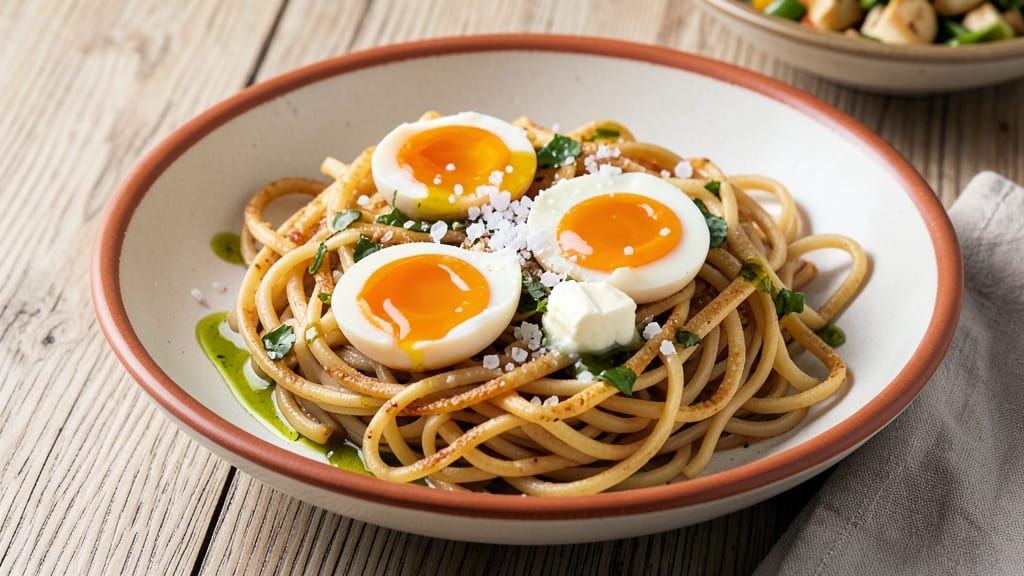
This traditional egg noodle recipe delivers the perfect hand-pulled texture that defines homestyle cooking—chewy, elastic, and impossible to resist. 💛 The secret lies in the dough's precise balance of flour, eggs, and a touch of salt, combined with the right resting time before rolling.
I've made these noodles for decades, and they're the foundation of everything from stir-fries to hearty soups.
The process starts with mixing the dough until it forms a smooth, elastic ball, then resting it for 30 minutes to develop gluten properly. After rolling it paper-thin and cutting into delicate strands, you'll achieve that signature chewiness that separates homemade noodles from store-bought.
This recipe stays true to classic techniques while being approachable for home cooks.
What makes these noodles truly special is their versatility—toss them with a quick stir-fry, nestle them into rich beef broth, or bake them into a comforting casserole.
The texture transforms based on the dish, but the foundation remains the same: tender, springy strands that hold up beautifully to any sauce or cooking method.
Once you master this recipe, you'll never buy noodles again. The satisfaction of pulling perfectly chewy strands from scratch is unmatched, and the results elevate any meal from ordinary to extraordinary. Let's get started on creating your own batch of these timeless noodles.
Ingredients for traditional egg noodle
Eight essential ingredients transform into chewy, restaurant-quality egg noodles with perfect hand-pulled texture.
| Ingredient | Amount | Notes |
|---|---|---|
| All-Purpose Flour 🌾 | 3 cups | High-protein preferred for elasticity |
| Large Eggs 🥚 | 4 whole | Room temperature for even mixing |
| Diamond Crystal Kosher Salt 🧂 | ½ tsp | Adjusts to taste after kneading |
| Unsalted Butter 🧈 | ¼ cup | Cold, cubed for dough enrichment |
| Extra-Virgin Olive Oil 🫒 | 1 tbsp | For dough work surface |
| Water 💧 | ½ cup | Room temperature, as needed |
| Cornstarch 🌾 | 1 tbsp | For dusting rolled dough |
| Fresh Parsley 🌿 | 2 tbsp | Chopped, for finishing garnish |
The flour is non-negotiable—King Arthur or Caputo Tipo 00 yield the best results for that signature chew. I always buy King Arthur high-protein flour for its gluten strength, though all-purpose works in a pinch. The eggs should be large, fresh, and room temperature—cold eggs create pockets in the dough. For the butter, Plugrá or Land O'Lakes unsalted melt beautifully during kneading, enriching the texture without overpowering. Store these in airtight containers with parchment between layers to prevent sticking.
No high-protein flour? Add 1 tbsp vital wheat gluten per 3 cups flour for elasticity. Egg substitutes? 4 tbsp aquafaba per egg mimics binding power, though texture will differ slightly. The olive oil can be swapped for avocado oil, but avoid strong-flavored oils like sesame. For the cornstarch, arrowroot powder works identically. Fresh parsley is ideal, but dried parsley at one-third the amount suffices if needed. The dough requires precise hydration—add water 1 tbsp at a time until just combined.
Once rolled, these noodles keep 3 days in the fridge wrapped tightly in damp towels, or 3 months frozen between parchment sheets. For best texture, cook immediately after rolling. Reheat dried noodles by soaking in warm water for 5 minutes before using. The butter and olive oil can be stored at room temperature, while eggs should remain refrigerated until ready to use. Prep the dough ahead—it rests beautifully overnight sealed in plastic.
Why You'll Love This Recipe
- No-Knead Magic: I swear by this recipe because it’s the only egg noodle method that doesn’t require me to wrestle dough—just mix, rest, roll, and cut. The eggs and flour create that signature tender-yet-firm texture without a single stretch of my arms.
- Butter-Oil Bliss: That simple combo of butter and olive oil tossed in at the end? It’s the secret weapon. The butter melts into rich, golden pockets while the olive oil keeps them silky—no heavy cream or weird shortcuts needed.
- Leftovers That Last: I make a double batch on Sundays, and these noodles reheat like they’re fresh. Toss them with whatever’s in the fridge—sautéed veggies, leftover roast chicken, or just a sprinkle of salt and pepper—and they’re still perfect.
- Budget-Friendly Staple: Flour, eggs, salt, butter—these are ingredients I already have. No specialty items, no markup, just pure, reliable comfort food that fills the house with the best kind of smell while costing next to nothing.
Step-by-step instructions for traditional egg noodles
Master the art of hand-pulled noodles with this time-honored method.
👨🍳 Step 1: Create the Dough Foundation
On a clean work surface lightly dusted with the 1 tablespoon cornstarch, mound the 3 cups all-purpose flour into a well. Make a deep indentation in the center and add the 4 whole large eggs, ½ teaspoon diamond crystal kosher salt, and ¼ cup cold cubed unsalted butter. The cold butter will create pockets of flavor as it melts during kneading.
Using a fork, gradually incorporate the flour into the eggs, mixing until a shaggy dough forms. The texture should resemble wet sand. Avoid overmixing at this stage—just enough to combine. Once the dough comes together, turn it onto the surface and begin kneading with the heels of your hands, pressing down firmly and folding over.
Knead for 10-12 minutes until the dough becomes smooth, elastic, and slightly springy when pressed. You'll know it's ready when it no longer sticks to your hands and forms a clean windowpane when stretched thin. This thorough kneading develops gluten, which gives the noodles their signature chewiness and structure.
🍳 Step 2: Rest and Shape the Dough
Wrap the dough tightly in plastic wrap and refrigerate for at least 30 minutes, or up to 2 hours for best results. This resting period allows the gluten to relax, making it easier to roll out evenly. The cold temperature also helps prevent the butter from melting prematurely.
After resting, divide the dough into 4 equal portions (about ¾ cup each). Working with one piece at a time, dust your work surface with a thin layer of cornstarch to prevent sticking. Roll each portion into a long rope about ½-inch thick and 12-inches long. The goal is consistency—aim for uniform thickness throughout.
Here's the traditional touch: use the 1 tablespoon extra-virgin olive oil to lightly coat your rolling pin. This prevents the dough from sticking as you work. If the dough resists rolling, let it rest for another 5 minutes before continuing. The oil also adds subtle flavor that enhances the finished noodles.
🔪 Step 3: Hand-Pull the Noodles
Using a sharp chef's knife, slice each rope diagonally into ¼-inch thick pieces. These will become your noodle strands. Working with one piece at a time, hold it vertically between your palms and gently pull the ends outward, stretching the dough while rotating your wrists. You're not trying to thin it dramatically—just enough to create delicate strands with a slight taper.
As you pull, you'll notice the dough becomes more pliable. The key is patience—don't force it. If the noodles tear, simply trim the ends and continue. The ½ cup water should be ready nearby; if the dough feels too dry, lightly dampen your hands with a few drops to prevent sticking. The water helps maintain elasticity during pulling.
Continue until all pieces are transformed into noodle strands. Arrange them on a floured surface, leaving space between each strand. This prevents them from sticking together. The final noodles should be about 12-inches long with a slight taper—thinner at the ends and slightly thicker in the middle. This variation creates the perfect bite texture.
⏰ Step 4: Cook to Al Dente Perfection
Bring a large pot of well-salted water to a rolling boil. The water should taste like the sea—this ensures proper seasoning of the noodles. Add the noodles in batches to avoid overcrowding, and cook for 2-3 minutes until they float to the surface. This indicates they're al dente with a perfect bite—firm in the center but tender around the edges.
Drain immediately using a slotted spoon or colander, shaking gently to remove excess water. Toss the hot noodles with a splash of the pasta water to prevent sticking. The starch in the water helps create a silky coating. For serving, transfer to a warmed platter and garnish with the 2 tablespoons chopped fresh parsley. The parsley adds a bright contrast to the rich egg noodles.
Serve immediately with your favorite sauce or in classic preparations like chicken noodle soup. The hand-pulled texture should be evident in every bite—slightly chewy with a delicate, tender center. If storing, cook the noodles 1 minute less than directed, drain, and toss with a little olive oil to prevent sticking. Reheat in boiling water for 30-45 seconds before serving.
Pro Tips For Making Traditional Egg Noodle
- CHILL THE DOUGH: After mixing flour, eggs, and salt, let the dough sit covered for 30 minutes at room temperature—this relaxes the gluten so it stretches smoother. I used to skip this and ended up with tough, chewy noodles every time. Trust me, the wait makes the difference.
- WEIGH THE FLOUR: Use a kitchen scale for the flour (about 2 cups by weight) instead of scooping from the bag—packed cups add extra moisture and throw off the ratio. I learned this the hard way when my noodles turned out gummy instead of tender. Precision here means consistent results.
- SALT THE WATER: Add 2 teaspoons of Diamond Crystal kosher salt to the boiling water for cooking—it seasons the noodles directly and prevents them from turning bland. Too little, and you’ll taste nothing; too much, and the noodles get rubbery. Aim for a taste like the sea.
- REST THE CUT NOODLES: After rolling and cutting the dough into strips, let them rest uncovered for 10 minutes before cooking—this prevents them from sticking together and ensures even cooking. I was skeptical until I tried it: no more clumping, and they cook in half the time.
Flavor customization for traditional egg noodle
Classic Garlic Butter
For a rich, aromatic finish, toss cooked noodles with 2 tablespoons melted unsalted butter, 2 minced garlic cloves, and a pinch of red pepper flakes.
I like to add a splash of lemon juice (about 1 teaspoon) to brighten the flavors. This combination works perfectly with grilled chicken or sautéed mushrooms. 🍋
Spicy Sesame Soy
Create an Asian-inspired twist by combining 2 tablespoons soy sauce, 1 tablespoon toasted sesame oil, 1 teaspoon grated ginger, and 1 teaspoon chili crisp. Toss with noodles and garnish with toasted sesame seeds.
This flavor profile pairs beautifully with stir-fried vegetables or shredded rotisserie chicken. The sesame oil adds nutty depth while the chili crisp brings heat.
Creamy Mushroom
A luxurious option involves sautéing 1 cup sliced cremini mushrooms in 1 tablespoon olive oil until golden, then adding ¼ cup heavy cream and 1 tablespoon fresh thyme. Toss with noodles and finish with grated Parmesan cheese.
This rich sauce complements roasted chicken or crispy prosciutto. The mushrooms add earthy flavor while the cream creates a velvety texture.
Lemon Herb
Brighten your noodles with a zesty lemon-herb sauce made from 2 tablespoons olive oil, 1 tablespoon lemon zest, 2 tablespoons lemon juice, 1 tablespoon chopped fresh dill, and 1 tablespoon chopped fresh parsley.
This refreshing combination works wonderfully with grilled fish or poached shrimp. The acidity cuts through the richness of the egg noodles beautifully.
Brown Butter Tomato
For a rustic Italian-inspired flavor, cook 2 tablespoons butter until nut-brown, then add ½ cup crushed San Marzano tomatoes, 1 teaspoon balsamic vinegar, and ½ teaspoon dried oregano.
Toss with noodles and garnish with fresh basil. This sauce pairs exceptionally well with roasted vegetables or crispy pancetta. The brown butter adds depth while the tomatoes provide acidity.
Sweet Chili
Create a sweet-spicy balance by combining 2 tablespoons sweet chili sauce, 1 tablespoon rice vinegar, and 1 teaspoon honey. Toss with noodles and top with sliced green onions and crushed peanuts.
This flavor combination works wonderfully with grilled shrimp or tofu. The sweetness complements the chewiness of the noodles perfectly while the chili adds just the right amount of heat. 🌶️
Nutrition facts
Frequently asked questions
Why is resting the dough important for egg noodles?
Resting the dough for 30 minutes allows the gluten to relax, making it easier to roll and pull into perfect strands. Without resting, the dough becomes tough and resistant, leading to uneven thickness and potential tearing. The cold temperature also prevents the butter from melting too soon, preserving that rich flavor throughout the process.
Can I make these noodles without a rolling pin? If you don't have a rolling pin, use a clean wine bottle or even a heavy skillet base. The key is to roll the dough as thinly and evenly as possible. For extra thickness control, fold the dough in half after each roll to build up thin layers. Just
How do I fix noodles that stick together after cooking?
If your noodles clump, toss them immediately after draining with a splash of pasta water (about 1-2 tablespoons) and a pat of butter. The starch in the water creates a natural coating that prevents sticking. For extra insurance, add a pinch of salt to the water when reheating. Never let them sit in water after cooking—they'll turn mushy.
What's the best way to store leftover egg noodles?
For short-term storage, wrap cooked noodles tightly in damp paper towels and refrigerate for up to 3 days. For longer storage, freeze them on a floured tray until solid, then transfer to a freezer bag. Cook from frozen by adding 1 minute to your boiling time. To reheat, soak in warm water for 5 minutes before using in dishes. The cornstarch dusting helps prevent sticking during freezing.
Can I use this dough for other pasta shapes?
Yes! This versatile dough works beautifully for fettuccine or tagliatelle. Simply roll the dough to ⅛-inch thickness and cut with a sharp knife or pasta machine. For stuffed pasta like ravioli, divide the dough into 1-inch circles and fill with your favorite mixture before sealing. The high egg content makes it perfect for delicate shapes that hold their form.