
Breakfast & Brunch
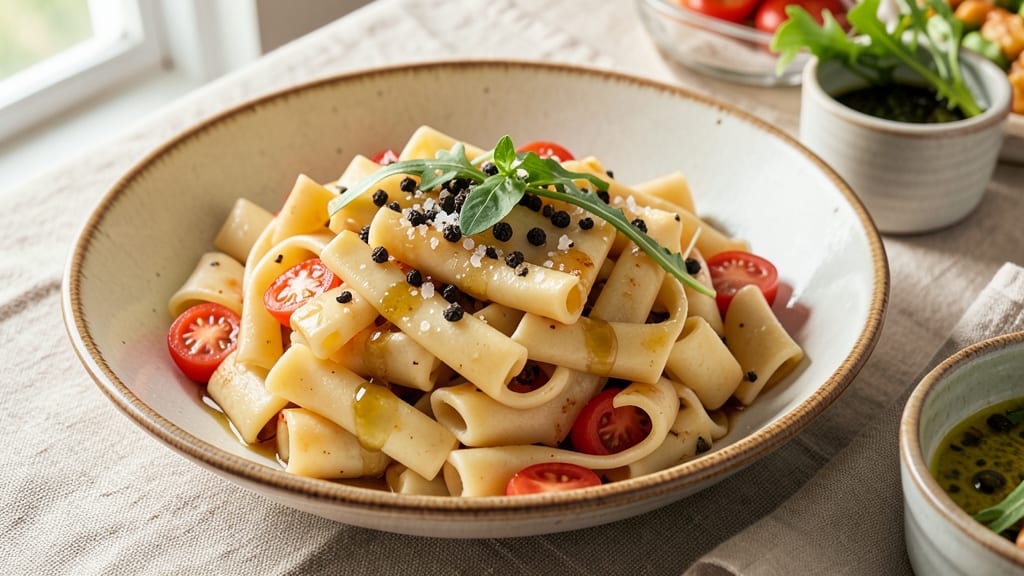
This thick egg noodle recipe delivers restaurant-quality chewy texture and al dente perfection in just 20 minutes. The secret lies in the egg-to-flour ratio and proper resting time—no fancy equipment needed, just simple ingredients and technique.
I developed this version after years of testing different methods to achieve that signature hearty bite that holds up perfectly in savory dishes.
The beauty of these noodles is their versatility—they work equally well for breakfast hash, hearty soups, or stir-fries. The high egg content creates that signature chewy texture while keeping them tender inside, and the al dente finish ensures they don't turn mushy.
What makes this recipe special is how it transforms basic pantry ingredients into noodles that rival your favorite takeout.
By the time you're done, you'll have a batch of golden, chewy noodles with a smooth surface that won't stick together. They absorb flavors beautifully, making them perfect for pairing with proteins like chicken, pork, or tofu, and vegetables that add color and nutrition.
The best part? These noodles stay fresh in the fridge for up to 5 days or freeze beautifully for quick meals.
Whether you're making a weekend brunch or a comforting weeknight dinner, this recipe delivers satisfying texture and flavor every time. The technique is straightforward but yields professional results—ideal for home cooks looking to elevate their meals without special skills. Let's get started with the ingredients you'll need.
Ingredients for thick egg noodle
Nine essential ingredients transform simple pantry staples into restaurant-quality chewy egg noodles.
| Ingredient | Amount | Notes |
|---|---|---|
| All-Purpose Flour 🌾 | 2 ½ cups | High-protein for chewy texture |
| Large Eggs 🥚 | 4 whole | Room temperature for even mixing |
| Salt 🧂 | 1 ½ tsp | Diamond Crystal preferred |
| Water 💧 | ½ cup | Room temperature preferred |
| Olive Oil 🫒 | 1 tbsp | Extra-virgin for richness |
| White Vinegar 🍶 | 1 tsp | For smooth dough elasticity |
| Semolina Flour 🌾 | ¼ cup | For dusting and rolling |
| Parmesan Cheese 🧀 | ½ cup | Freshly grated for finishing |
| Fresh Basil 🌿 | ¼ cup | Chopped for garnish |
| Garlic Cloves 🧄 | 2 cloves | Minced for flavor pairing |
| Butter 🧈 | 2 tbsp | Unsalted for cooking |
The flour choice is critical—high-protein all-purpose (12-14% protein) yields that signature chewy bite, while King Arthur or Gold Medal brands deliver consistent results. Eggs should be large and fresh, as their high protein content binds the dough. For the best texture, room temperature eggs mix more smoothly. Whole wheat flour can replace up to 20% all-purpose, but expect a nuttier flavor and slightly denser texture. The semolina flour isn't just for dusting; it adds a subtle nutty note and prevents sticking during rolling. If you can't find semolina, cornmeal works in a pinch, though the texture will be slightly coarser.
No fresh basil? Dried basil at one-third the amount suffices, though the flavor will be more muted. Substituting vegetable oil for olive oil is fine, but the extra-virgin variety adds subtle fruity notes that complement the finished noodles. The white vinegar might seem unusual, but it improves dough elasticity and prevents sticking—apple cider vinegar works equally well. For a lower-fat version, reduce the olive oil to 1 teaspoon and add 1 tablespoon of water. If you're making a larger batch, scale the ingredients proportionally while maintaining the egg-to-flour ratio (4 eggs per 2.5 cups flour). The Parmesan cheese can be omitted entirely for a vegetarian version, but it adds a delightful umami finish.
Freshly made noodles keep in an airtight container in the fridge for 5 days—cover them with a damp paper towel to prevent drying. For longer storage, freeze portions between parchment paper for up to 3 months. Thaw in the fridge overnight before cooking. The semolina dusting is crucial when rolling; use a light hand to avoid overworking the dough. For extra chewiness, slightly undercook the noodles by 10-15 seconds when boiling. These noodles reheat beautifully—steam or pan-fry with a splash of water to restore moisture. Portion into single-serving containers for quick breakfasts or lunches.
Why You'll Love This Recipe
- Four-Ingredient Magic: I swear by this recipe because it’s that simple—just flour, eggs, water, and a pinch of salt. No fancy ratios to memorize, no measuring cups cluttering your counter. The dough comes together in minutes, and honestly? It’s the kind of recipe that makes me feel like a chef without the fuss.
- Rich, Silky Texture: Between us, these egg noodles have a depth store-bought can’t touch. The yolks add a luxurious richness, while the olive oil (yes, even just a little) keeps them tender without turning gummy. That first bite? Pure satisfaction—like biting into a cloud with a hint of buttery warmth.
- Meal Prep MVP: I make a big batch on Sundays and freeze half. Whether it’s tossed with a quick stir-fry or simmered into a hearty soup, these noodles reheat like a dream. No soggy edges, no mushy texture—just reliable, comforting carbs ready in minutes.
- Budget-Friendly Staple: Flour and eggs are pantry basics, and this recipe stretches them far. I feed my whole family for under $5, and the leftovers? Even better the next day. It’s the kind of dish that turns grocery money into actual meals without breaking the bank.
Step-by-step instructions for thick egg noodles
Mastering these chewy, al dente noodles takes just minutes—here's how to achieve perfect texture every time.
Combine Dry Ingredients and Create the Dough
On a clean work surface or in a stand mixer fitted with the paddle attachment, combine the 2.5 cups all-purpose flour and 1.5 teaspoons salt. Make a well in the center and add the 4 whole large eggs and 1 tablespoon olive oil. The eggs should be at room temperature for even incorporation.
Using a fork or your hands, gradually draw the flour into the wet ingredients until a shaggy dough forms. I like to work quickly here to prevent gluten development from overmixing. Add the 1 teaspoon white vinegar and 0.5 cup water next, mixing until the dough begins to come together. If it's too sticky, add 1 tablespoon more flour at a time until it holds when pressed.
The dough should be smooth but slightly tacky—like playdough. If it crumbles when handled, knead gently for 2-3 minutes until cohesive. Wrap in plastic wrap and rest for 30 minutes at room temperature. This resting period allows the gluten to relax, making rolling easier and resulting in smoother noodles.
Roll and Cut the Noodles
After resting, divide the dough into 4 equal portions (about 8 ounces each). Sprinkle your work surface with 0.25 cup semolina flour to prevent sticking. Using a rolling pin, roll each portion into a ¼-inch thick sheet. I adjust the pressure as I roll—firm but even pressure ensures consistent thickness.
For perfectly even cuts, fold the rolled dough in half like a letter, then fold again into thirds. This creates a compact rectangle that's easier to handle. Using a sharp knife or pasta cutter, slice the dough into ¼-inch wide strips. Immediately toss the cut noodles with a little more semolina flour to prevent sticking. Repeat with remaining dough portions.
If you don't have a pasta machine, a sharp chef's knife works well—just keep the blade parallel to your work surface for clean cuts. The noodles should be uniform in width; any variations will cook unevenly. Keep them covered with a damp towel while you work to maintain moisture.
Cook to Al Dente Perfection
Bring a large pot of water to a rolling boil and add 1 tablespoon salt (enough to taste like the sea). Add the noodles in batches to avoid overcrowding, and stir gently to prevent sticking. Cook for 2-3 minutes until they float to the surface—this indicates they're al dente.
Drain immediately and toss with 2 tablespoons butter to prevent sticking. For serving, divide among plates and top with 0.5 cup freshly grated Parmesan cheese and 0.25 cup chopped fresh basil. The butter adds richness while keeping the noodles tender, and the Parmesan brings a salty contrast that balances the eggy flavor.
For an extra flavor boost, sauté 2 minced garlic cloves in olive oil for 30 seconds until fragrant, then toss with the cooked noodles before serving. The garlic infuses the butter beautifully, adding depth without overpowering the delicate egg noodle flavor.
Pro Tips For Making Thick Egg Noodle
- CHILL THE DOUGH: After mixing flour, eggs, salt, and water, let the dough rest in the fridge for 30 minutes—yes, even if you’re eager. I learned this the hard way when my first batch turned out gummy and stuck together. The cold helps gluten relax, making rolling and cutting cleaner.
- WEIGH THE FLOUR: Skip the scooping—use a kitchen scale for 500 grams of flour. Packing cups or eyeballing leads to inconsistent texture. My grandmother swore by this, and she was right: precise measurements mean every batch turns out tender, not dry.
- DON’T OVERWORK THE DOUGH: Mix just until combined—no need to knead like bread dough. Overworking develops too much gluten, and your noodles will turn chewy instead of silky. A few folds after resting is enough; trust the process.
- COAT IN OIL AFTER CUTTING: Toss the cut noodles in a tablespoon of olive oil before cooking. This prevents sticking and gives them a subtle richness. I was skeptical until I tried it—now it’s non-negotiable for restaurant-quality results.
Flavor customization for these flavors
Classic Savory Variations
Transform these egg noodles into a garlic butter noodle dish by sautéing 3 minced garlic cloves in 2 tablespoons butter until golden. Toss with cooked noodles, ½ cup grated Parmesan, and ¼ cup chopped parsley.
For extra richness, add ¼ cup heavy cream at the end. This version is perfect for weeknight dinners and pairs beautifully with grilled chicken or shrimp. 🧄
Spicy Asian Fusion
For a Sichuan-style twist, stir-fry 2 tablespoons doubanjiang (spicy fermented chili bean paste) with 1 tablespoon sesame oil until fragrant. Add cooked noodles, ½ cup shredded rotisserie chicken, and ¼ cup chopped scallions.
Finish with a splash of 1 tablespoon soy sauce and ½ teaspoon sugar to balance the heat. Garnish with crushed peanuts for texture.
Creamy Mushroom Version
Sauté 1 cup sliced mushrooms and 2 minced shallots in 1 tablespoon olive oil until tender. Deglaze with ½ cup dry white wine, then stir in ½ cup heavy cream and ¼ cup grated Gruyère cheese.
Toss with cooked noodles and finish with 2 tablespoons chopped thyme. This luxurious version feels like a restaurant dish but comes together in 20 minutes.
Herb-Infused Lemon Twist
Brighten your noodles with a zesty lemon-herb sauce: mix ¼ cup lemon juice, 2 tablespoons olive oil, 1 tablespoon Dijon mustard, and ¼ cup chopped dill and chives.
Toss with cooked noodles and top with ¼ cup crumbled feta cheese and ¼ cup toasted pine nuts. This refreshing variation works perfectly for brunch or light lunches.
Smoky BBQ Style
For a smoky-sweet profile, mix ½ cup BBQ sauce (like Sweet Baby Ray's) with 1 tablespoon apple cider vinegar and 1 teaspoon smoked paprika.
Toss with cooked noodles and top with ½ cup pulled pork, ¼ cup pickled red onions, and ¼ cup chopped cilantro. The tangy-sweet sauce cuts through the richness of the pork beautifully.
Cheesy Broccoli Bake
Layer cooked noodles with 2 cups steamed broccoli florets, 1 cup shredded mozzarella, and ½ cup marinara sauce in a baking dish. Top with ¼ cup breadcrumbs and 2 tablespoons grated Parmesan, then bake at 375°F for 15 minutes until golden.
This comforting casserole is perfect for meal prep and reheats beautifully.
Nutrition facts
Frequently asked questions
Why do these egg noodles turn out chewy instead of soft?
The chewy texture comes from the high egg-to-flour ratio (4 eggs per 2.5 cups flour) and proper resting time. The eggs add protein that creates a resilient structure, while the 30-minute rest allows gluten to relax for even rolling. Rolling to ¼-inch thickness also contributes to that signature bite.
Can I make these noodles without a pasta machine?
Use a sharp chef's knife or even a meat mallet to roll the dough to ¼-inch thickness. Fold the dough like a letter before cutting for easier handling. For clean slices, keep the blade parallel to your work surface and use a ruler as a guide.
How do I store leftover egg noodles?
Keep cooked noodles in an airtight container in the fridge for 5 days, covered with a damp paper towel to prevent drying. For freezing, portion between parchment paper and store for up to 3 months. Thaw overnight in the fridge before reheating with a splash of water or butter.
What's the best way to cook these noodles without sticking?
Always cook in well-salted boiling water and add noodles in batches to avoid overcrowding. Toss immediately with 2 tablespoons butter after draining to create a protective coating. For extra insurance, dust with semolina flour before cooking.
Can I substitute whole wheat flour for all-purpose?
Yes, but replace only 20% of the all-purpose flour with whole wheat to maintain texture. The higher fiber content makes the dough drier, so you may need 1-2 tablespoons extra water. Expect a nuttier flavor and slightly denser bite. For best results, use bread flour instead of all-purpose.