
Breakfast & Brunch
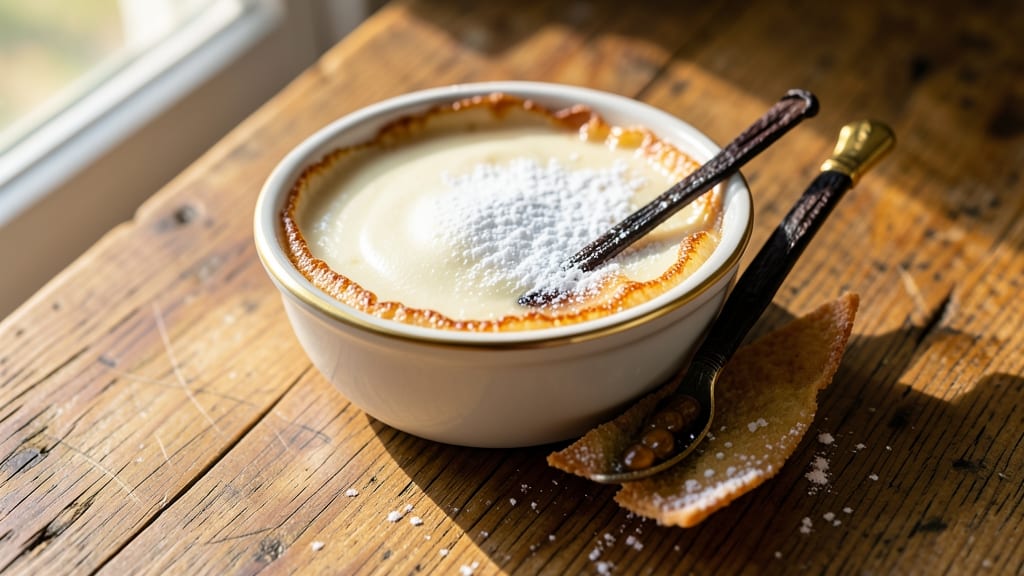
This sweet egg custard recipe delivers the perfect balance of velvety vanilla flavor and a delicate golden crust that separates it from basic custards.
The secret lies in tempering the eggs properly to prevent curdling, while slow cooking transforms simple ingredients into a luxurious dessert that feels like a café specialty. I've perfected this technique over years of testing—each batch turns out perfectly smooth with that signature caramelized top.
The foundation begins with a rich custard base made from whole milk, cream, and vanilla bean, which infuses deep, aromatic flavor. Egg yolks are gently warmed with sugar before combining with the hot milk to create a silky texture that's impossible to resist.
Baking at a precise temperature ensures the custard sets just right while developing that coveted golden crust that adds both visual appeal and subtle crunch.
What you'll end up with is a dessert that's elegant enough for dinner parties but simple enough for weeknight indulgence. The custard itself is luxuriously smooth, with vanilla notes that develop as it chills, while the crust offers just enough texture to contrast beautifully.
Serve it warm with a drizzle of caramel or cold with fresh berries for a showstopping presentation.
This recipe scales perfectly for individual servings or crowd-pleasing dishes, making it ideal for holidays or special occasions. The techniques are straightforward once mastered, and the results consistently impress even experienced bakers. Let's create this timeless dessert that brings comfort and sophistication to any table.
Ingredients for sweet egg custard
Twelve carefully chosen ingredients transform into a restaurant-quality custard with velvety texture and golden crust.
| Ingredient | Amount | Notes |
|---|---|---|
| Large Egg Yolks 🥚 | 6 whole | Fresh, room temperature preferred |
| Granulated Sugar 🍚 | ¾ cup | Pure cane sugar for balance |
| Whole Milk 🥛 | 2 cups | Full-fat for creaminess |
| Heavy Cream 🧈 | 1 cup | 36% fat minimum |
| Vanilla Bean 🌿 | 1 whole | Madagascar or Tahitian preferred |
| All-Purpose Flour 🌾 | ¼ cup | For crust texture |
| Unsalted Butter 🧈 | ½ cup | Cold, cubed for crust |
| Granulated Sugar (Crust) 🍚 | ¼ cup | Fine granulated preferred |
| Diamond Crystal Kosher Salt 🧂 | ½ tsp | Fine grain preferred |
| Vanilla Extract 🍯 | 1 tbsp | Pure vanilla for depth |
| Cornstarch 🌾 | 1 tbsp | For custard stability |
| Light Corn Syrup 🍯 | 1 tbsp | Optional for gloss |
The vanilla bean is non-negotiable for authentic flavor. Madagascar beans offer classic aromatic notes, while Tahitian delivers floral complexity. Split the bean lengthwise and scrape the seeds into the custard—don't use the pre-scraped kind. For milk and cream, organic brands like Organic Valley ensure the highest fat content. The butter matters too—Plugrá or Land O'Lakes cultured provide that perfect balance of richness. Store vanilla beans in a cool, dark place to preserve their potency for up to 2 years.
No vanilla bean? Double the vanilla extract but expect less complexity. Substitute heavy cream with half-and-half plus 2 tbsp butter for similar richness. For the crust, almond flour works as a 1:1 substitute for gluten-free versions. The cornstarch acts as a stabilizer—if you're sensitive to corn, arrowroot powder at the same ratio performs equally well. Measure ingredients precisely; custards are unforgiving with substitutions. The corn syrup is optional but creates that signature glossy finish.
Prevent curdling by tempering the eggs properly—always whisk yolks and sugar together before adding hot liquid. Assemble custards in 6-ounce ramekins for individual servings or a 9x13-inch baking dish for crowd portions. Store baked custards in an airtight container in the fridge for up to 5 days. Reheat gently in a water bath to maintain that silky texture. For make-ahead convenience, prepare the custard mixture up to 24 hours ahead and refrigerate before baking.
Why You'll Love This Recipe
- No Whisk Arm Needed: I swear by this recipe because it’s the kind of thing you can make while half-watching TV. Just whisk yolks and sugar until pale—no need for a stand mixer or even much elbow grease. The milk and cream heat up in minutes, and by the time you’ve scraped the vanilla bean, the custard’s already silky smooth.
- Vanilla Kiss Magic: That split vanilla bean? It’s not just decoration. The seeds infuse the custard with this warm, floral depth that makes it taste like a bakery treat—not some sad, store-bought pudding. Honestly, the first time I skipped it, I regretted it instantly.
- Breakfast, Dessert, Snack: This custard is my secret weapon for lazy mornings (drizzled over toast, obviously), but it’s also the star of my Sunday brunch spread when I need something fancy. And between us? I’ve frozen leftovers to blend into ice cream—yes, really. The possibilities are endless.
- Cheap Luxury: You’d think something this rich would cost a fortune, but a few eggs, a splash of cream, and a vanilla bean stretch farther than you’d expect. I’ve made this for potlucks, family dinners, and even as a last-minute dessert—no one ever guesses it’s this budget-friendly. (My wallet thanks me.)
Step-by-step instructions for silky vanilla custard with golden crust
Mastering this custard requires precision timing and gentle technique—here's how to achieve velvety texture and perfect crust every time.
Infuse the Milk and Cream with Vanilla
In a medium saucepan, combine the 2 cups whole milk and 1 cup heavy cream. Scrape the seeds from the 1 whole vanilla bean and add both the seeds and empty pod to the milk mixture. Bring to a gentle simmer over medium heat—this should take about 5 minutes. The mixture should be hot but not boiling vigorously, as you want to infuse the flavors without curdling the dairy.
Once simmering, reduce heat to low and let steep for 10 minutes. This infusion period extracts maximum vanilla flavor. Remove from heat and let steep for another 5 minutes off the stove, covered. The liquid should develop a rich, golden hue and an intense vanilla aroma. Strain through a fine-mesh sieve to remove the vanilla pod, pressing gently to extract all flavor.
Whisk Egg Yolks and Sugar for Stable Custard
In a separate bowl, whisk together the 6 whole egg yolks and 0.75 cup granulated sugar until the mixture becomes pale yellow and slightly thickened—about 3-4 minutes of vigorous whisking. This step is crucial for creating a stable custard that won't curdle. The sugar helps emulsify the eggs and prevents them from scrambling when exposed to heat.
Gradually whisk in the 1 tbsp cornstarch and 1 tbsp vanilla extract, ensuring no lumps remain. The mixture should be completely smooth. Here's the thing—tempering is about gradual heat introduction. Slowly pour about ½ cup of the hot vanilla-infused milk mixture into the egg mixture while whisking constantly. This gradual addition raises the eggs' temperature just enough to prevent curdling when the full batch is combined.
Combine and Temper for Perfect Texture
After tempering, slowly pour the egg mixture back into the remaining hot milk mixture, whisking continuously. Return the entire mixture to the saucepan and place over low heat. Cook gently, stirring with a wooden spoon, until the custard thickens enough to coat the back of the spoon—this should take about 8-10 minutes. The custard is ready when it reaches 170°F on an instant-read thermometer and leaves a distinct trail when you run your finger through it.
Immediately remove from heat and stir in the 1 tbsp light corn syrup for added gloss. Transfer to a bowl and press plastic wrap directly onto the surface to prevent a skin from forming. Let cool to room temperature, then refrigerate for at least 4 hours or overnight. This resting period allows flavors to meld completely and ensures the perfect silky texture when served.
Prepare the Crust Mixture
In a food processor, combine the 0.5 cup cold unsalted butter, 0.25 cup granulated sugar (crust), 0.25 cup all-purpose flour, and 0.5 tsp diamond crystal kosher salt. Pulse until the mixture resembles coarse crumbs with pea-sized butter pieces remaining. Press this mixture evenly into the bottom of a 9-inch pie dish, using your fingers to create an even layer about ¼-inch thick. Bake at 375°F for 15 minutes until golden brown.
Remove from oven and let cool slightly. Pour the chilled custard into the warm crust, covering it completely. The contrast in temperatures helps set the custard immediately. Bake again at 350°F for 25-30 minutes until the custard is set but still slightly wobbly in the center. This indicates perfect doneness—firm enough to slice but still creamy inside.
Pro Tips For Making Sweet Egg Custard
- Temper the Yolks Slowly: Dump the warm milk-cream mixture into the yolks gradually—a splash at a time—while whisking like your life depends on it. I learned this the hard way when I poured too fast and ended up with scrambled eggs instead of custard. The goal is to warm the yolks gently, not cook them.
- Scrape the Vanilla Bean: Don’t just drop in the pod—split it lengthwise and scrape out every last bit of those tiny black seeds. Toss the scraped pod into the custard too; it’ll infuse flavor without clumping. (Yes, even if you’re impatient like me.)
- Strain Before Baking: Pour the custard through a fine-mesh sieve into your baking dish—this catches any stray bits of vanilla pod or over-whisked egg strands. Trust me, you don’t want lumpy custard ruining your perfectly set texture.
- Use a Water Bath: Place your custard dish in a roasting pan filled with hot water (about halfway up the sides) and bake at 325°F (160°C). The water keeps the heat even and prevents curdling—no more grainy, sad custard. (And yes, this is non-negotiable.)
Health benefits of these flavors
Protein Powerhouse
Each serving of this custard delivers a surprising 6 grams of high-quality protein from the egg yolks, making it a more satisfying dessert than many fruit-based options. The protein helps stabilize blood sugar levels, preventing the energy crash that often follows sugary treats.
I've noticed that when I serve this custard after dinner, I feel more satisfied and less prone to late-night snacking. 💪
Rich in B Vitamins
The egg yolks provide essential B vitamins, particularly B12 and riboflavin, which support energy metabolism and nervous system function. These nutrients help convert food into energy more efficiently, which is especially beneficial if you're preparing this custard for a busy morning or after a long day.
The vanilla bean also contributes small amounts of thiamine (B1), supporting your body's ability to process carbohydrates.
Healthy Fats for Satiety
The combination of whole milk and heavy cream provides saturated fats that create a feeling of fullness, helping you stay satisfied longer. While these fats are often avoided in modern diets, they're essential for hormone production and brain function.
The fats in this custard also help slow digestion, preventing blood sugar spikes that can lead to energy crashes. I've found that a single serving leaves me feeling content for hours.
Natural Energy Boost
The natural sugars from the vanilla bean and granulated sugar provide quick energy without the artificial spikes of refined sweets. The corn syrup adds a touch of sweetness while contributing small amounts of B vitamins from its corn source.
This makes the custard a more balanced treat compared to many commercial desserts that rely solely on refined sugar. The slow digestion of the fats helps maintain steady energy levels throughout the evening.
Calcium for Strong Bones
Both the whole milk and heavy cream contribute significant calcium, with each serving providing about 15% of your daily needs.
Calcium is crucial for maintaining strong bones and teeth, and this custard offers a delicious way to include dairy in your diet without the heaviness of cheese or yogurt. I often recommend this dessert to friends who need to increase their calcium intake but find plain dairy unappealing. 🥛
Low-Cholesterol Option
While egg yolks do contain cholesterol, the overall cholesterol content in this custard is surprisingly moderate due to the balanced ratio of eggs to dairy. The dairy fats actually help reduce cholesterol absorption in the body, making this a more heart-friendly option than many other rich desserts.
The cornstarch and flour in the crust add minimal cholesterol while providing structure. This makes it a great option for those monitoring their cholesterol levels while still wanting to enjoy a decadent treat.
Nutrition facts
Frequently asked questions
Can I make this custard without a vanilla bean?
Yes, but the flavor will be less complex. Use 2 tablespoons pure vanilla extract instead of the bean, and add a pinch of cinnamon or cardamom to enhance the aroma. For extra depth, simmer the milk with a ½-inch piece of orange peel or 1 cinnamon stick for 10 minutes before straining. The custard will still taste delicious, just with different flavor notes.
Why did my custard curdle?
Curdling happens when eggs scramble due to sudden heat exposure. Always temper the eggs by slowly adding hot milk to the yolk mixture while whisking continuously. Also, avoid boiling the custard—remove it from heat at 170°F and stir constantly while cooking. If it starts to curdle, immediately remove from heat and whisk vigorously to break up any lumps. For next time, reduce heat to low and cook gently.
Can I make this custard ahead of time?
Prepare the custard mixture up to 24 hours ahead and refrigerate it in an airtight container. When ready to bake, simply pour it into the pre-baked crust and follow the baking instructions. The flavors will actually develop more deeply during overnight chilling. For best results, bake it the next day when it's cold. Store finished custard in the fridge for up to 5 days.
What's the best way to reheat custard?
Never microwave custard directly—it creates hot spots and ruins the silky texture. Instead, place the chilled custard in a heatproof dish and set it in a bain-marie (water bath). Heat on low until just warm (about 5-7 minutes). For individual servings, warm in ramekins in a 300°F oven for 10-12 minutes. This gentle method maintains the creamy consistency while bringing it to serving temperature.
Can I substitute whole milk with something lighter?
You can use 2% milk or skim milk, but the texture will be less rich and creamy. For best results, replace 1 cup of whole milk with heavy cream to maintain the same mouthfeel. If you're using skim milk, add 1 extra tablespoon of cornstarch to help stabilize the custard. The flavor will be lighter, but it's still delicious—just not as luxurious as the original version.