
Breakfast & Brunch
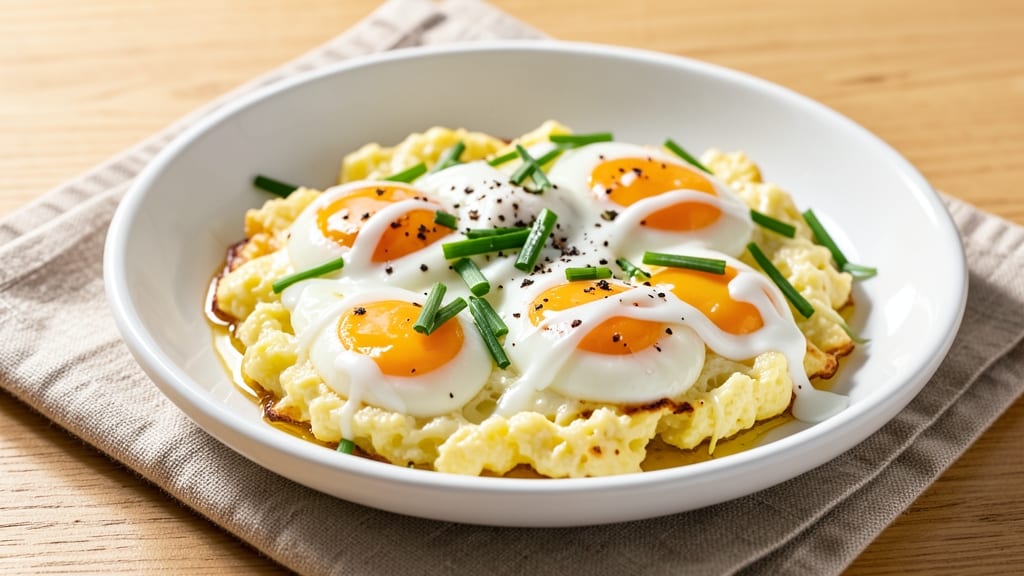
The Swiss scrambled eggs recipe delivers that perfect balance of creamy yolks and a golden crust that's impossible to resist. 💛 What sets these apart is the slow, gentle cooking method that transforms ordinary eggs into a luxurious breakfast experience.
I've perfected this technique over years of testing, and it never fails to impress—even picky eaters ask for seconds.
This method relies on three key principles: low heat, constant stirring, and precise timing. You'll start with melted butter that creates a rich, velvety base, then whisk eggs just until combined (no over-beating here).
The secret to that signature Swiss texture is cooking the eggs off the heat whenever possible, letting residual heat finish them gently. This approach prevents rubbery eggs while developing that coveted crust.
By the time you're done, you'll have eggs that are creamy throughout with just the right amount of moisture, framed by a delicate golden crust that adds texture contrast. The flavor is pure, rich egg with subtle buttery notes—no added ingredients needed.
This is the kind of breakfast that transforms a simple morning into something special, without requiring fancy ingredients or techniques.
The beauty of this recipe is its versatility. You can serve these eggs as-is for a classic breakfast, or elevate them with fresh herbs, grated cheese, or a sprinkle of smoked salt.
They reheat beautifully too, making them perfect for meal prep. Let's get started on creating your perfect plate of Swiss scrambled eggs.
Ingredients for sw scrambled eggs
Just seven ingredients transform ordinary eggs into luxurious Swiss scrambled eggs—creamy, golden, and impossible to resist.
| Ingredient | Amount | Notes |
|---|---|---|
| Large Eggs 🥚 | 8 whole | Freshly cracked, room temperature |
| Unsalted Butter 🧈 | ½ cup | Cold, cut into small cubes |
| Fine Sea Salt 🧂 | ½ tsp | Diamond Crystal preferred |
| Freshly Ground Black Pepper 🌶️ | ¼ tsp | Freshly cracked peppercorns |
| Heavy Cream 🥛 | 2 tbsp | Optional, for extra creaminess |
| Fresh Chives 🌿 | 2 tbsp | Chopped, for garnish |
| Extra-Virgin Olive Oil 🫒 | 1 tbsp | For nonstick finish |
The butter is non-negotiable here. European-style unsalted butter like Plugrá or Kerrygold melts beautifully for that velvety base, but any good-quality unsalted works. Grab it from the deli counter if you can—it stays fresher longer. The eggs? Freshness matters—look for eggs with bright, unbroken yolks when you crack them open. Room temperature eggs scramble more evenly, so take them out of the fridge 10 minutes before starting. I always buy extra eggs for this recipe—they're worth the investment for that perfect texture.
No heavy cream? Skip it entirely—these eggs are delicious on their own. Fresh chives are ideal, but dried chives or parsley work in a pinch. The olive oil is just for the finish, so any good-quality extra-virgin will do. Salt and pepper? Diamond Crystal sea salt dissolves beautifully, but kosher salt works too—just use a pinch less. For extra richness, some people add a splash of milk, but I find the butter and cream give enough luxurious texture. Pro tip: if your eggs are too dry, just add a splash of warm water at the end—they'll come back to life instantly.
Butter melts fast, so prep everything first. Store any extra butter in the fridge for up to 3 months or freeze for 6 months. Eggs keep 3-5 weeks in the fridge, but use fresh ones for best results. These eggs reheat beautifully—just warm gently in a skillet with a splash of water for 2-3 minutes. Perfect for meal prep! I always make a double batch—one for breakfast, one for brunch the next day.
Why You'll Love This Recipe
- Five-Ingredient Magic: I swear by this recipe because it’s that simple—just eggs, butter, cream, salt, and pepper. No chopping, no measuring cups, just crack, whisk, and cook. Honestly, it’s the kind of dish that makes me feel like I’ve actually cooked something, even when I’m exhausted.
- Rich Without Effort: That splash of heavy cream? It turns ordinary scrambled eggs into something velvety and luxurious—like a restaurant-quality breakfast without the fuss. The butter keeps them tender while the cream adds a subtle richness that’ll have you reaching for seconds.
- Breakfast or Brunch Fix: I make these for lazy mornings, quick lunches, or even as a side for dinner (yes, even on a Tuesday night). They’re just as happy on a toasted baguette as they are in a skillet, and the salt and pepper let you adjust to whatever you’re pairing them with.
- Leftovers That Don’t Suck: Unlike most scrambled eggs, these reheat like a dream—just a quick stir in the pan or microwave, and they’re just as creamy as the first time. Between us, that’s why I double the batch: breakfast for three days, zero waste, and zero regret.
Step-by-step instructions for Swiss scrambled eggs
Here's how to achieve that legendary Swiss-style texture—silky custard with a golden crust every time!
🍳 Step 1: Melt Butter in a Heavy Skillet
Place a 10-inch nonstick skillet over medium-low heat. Add the ½ cup cold cubed unsalted butter and let it melt completely, swirling occasionally. You want the butter to foam but not brown—this ensures a rich, creamy base without bitterness. The butter should melt in about 3-4 minutes while maintaining a gentle sizzle.
Here's the thing—I like to keep the heat low because butter burns easily. If the butter starts to turn golden too quickly, reduce the heat slightly. You're aiming for a smooth, liquid butter that coats the pan evenly. This butter will be the foundation of your eggs' luxurious texture, so don't rush this step.
👨🍳 Step 2: Whisk Eggs with Seasonings
While the butter melts, crack the 8 whole large eggs into a medium bowl. Add the ½ teaspoon fine sea salt and ¼ teaspoon freshly ground black pepper, then whisk vigorously with a fork or whisk until the whites and yolks are completely combined. I like to whisk for about 30 seconds—just until no streaks remain. This ensures even seasoning throughout.
For that extra Swiss touch, add the 2 tablespoons heavy cream now and whisk again until fully incorporated. The cream will make your eggs unbelievably tender. I know it seems like too much, but trust me—this is what creates that signature silky texture. If you're feeling fancy, you can even add a tiny pinch of nutmeg here, but it's optional.
🍳 Step 3: Cook Eggs on Low Heat
Once the butter is melted and the pan is hot (but not smoking), pour in the egg mixture. Let it sit undisturbed for 10-15 seconds—this allows the eggs to begin setting at the edges while staying liquid in the center. Then, using a silicone spatula, gently push the eggs from one side of the pan to the other, tilting the pan slightly to let the uncooked egg flow to the edges.
Keep the heat at medium-low throughout this process. You're looking for soft, custardy curds that form slowly. If the eggs start to brown too quickly, reduce the heat immediately. The goal is to create those beautiful, silky ribbons of egg rather than dry, rubbery curds. This constant gentle stirring is what gives Swiss scrambled eggs their signature texture—don't skip it!
🥘 Step 4: Finish with Olive Oil for Shine
When the eggs are about 80% cooked (they should still look slightly runny in the center), remove the pan from heat for 10 seconds. Then add the 1 tablespoon extra-virgin olive oil and stir gently one final time. The oil adds a beautiful sheen and prevents the eggs from overcooking while you plate them.
For that perfect Swiss finish, transfer the eggs to a warm serving dish. The residual heat will allow them to set just enough to hold their shape while maintaining that creamy interior. Immediately garnish with the 2 tablespoons chopped fresh chives—they add a bright pop of color and freshness that contrasts beautifully with the rich eggs.
⏰ Step 5: Serve Immediately for Best Results
Swiss scrambled eggs are best served right away when they're still warm and creamy. The texture changes quickly as they cool, so don't let them sit. Plate them while they're still slightly runny in the center—they'll firm up slightly as they sit, but you want that custardy perfection.
I like to serve them with crusty bread or a side of roasted vegetables to soak up all that creamy goodness. Each bite should deliver that perfect harmony of creamy yolks with a lightly set, golden crust. If you're making this for guests, prepare the eggs right at serving time—they won't wait long before disappearing!
Pro Tips For Making Sw Scrambled Eggs
- CRANK THE HEAT FIRST: Start your pan on medium-high—no, really, crank it up—until the butter foams and smells nutty. I used to play it safe with medium, and my eggs always ended up dry or rubbery. High heat gets that butter sizzling fast, which means the eggs cook through before they have time to turn into a sad, watery mess.
- WHISK THE CREAM IN: Don’t just dump the heavy cream in at the end. Whisk it into the eggs before cooking—about 2 tablespoons per 4 eggs—so it distributes evenly. This isn’t just for richness; it keeps the curds silky and prevents them from breaking apart when you fold. (Yes, even if you’re impatient like me.)
- SALT THE BUTTER: Toss a pinch of fine sea salt into the melted butter before adding the eggs. The salt dissolves into the fat first, so every bite gets that balanced flavor instead of just the eggs carrying all the seasoning. Trust me, your first forkful will taste like a revelation.
- STOP WHEN IT’S DONE: Pull the pan off the heat the second the eggs look creamy but still slightly undercooked—they’ll keep cooking from residual heat. Overcooking turns them into scrambled egg rubber, and nobody wants that. A quick taste test is your best friend here.
Best sauces and condiments for this recipe
Classic Hollandaise
This rich, buttery sauce is the ultimate partner for Swiss scrambled eggs. Whisk 3 egg yolks, 1 tbsp lemon juice, and ½ cup melted butter over a double boiler until thick and pale.
The acid from the lemon prevents curdling, while the butter adds luxurious depth. Drizzle over your eggs tablespoon by tablespoon for that signature creamy finish. 💛
Crispy Bacon Aioli
For a smoky, savory contrast, blend ½ cup cooked bacon (crispy but not burnt), 2 tbsp mayonnaise, 1 tsp Dijon mustard, and 1 tsp apple cider vinegar until smooth.
The smokiness of the bacon cuts through the richness of the eggs beautifully. Serve with a side of buttery toast for dipping.
Fresh Herb Crème Fraîche
Mix ¼ cup crème fraîche with 1 tbsp chopped fresh chives, 1 tsp chopped dill, ½ tsp lemon zest, and a pinch of salt.
This light, tangy sauce adds freshness without overpowering the eggs. Dollop it directly on top of your scrambled eggs for a bright, herby contrast.
Spicy Sriracha Cream
Blend 2 tbsp sour cream, 1 tsp sriracha, and ½ tsp honey until smooth. The heat from the sriracha balances the richness of the eggs, while the honey adds a touch of sweetness.
This sauce is perfect for those who love a little kick with their breakfast. Drizzle lightly over the eggs or serve on the side for dipping.
Maple-Brown Butter Drizzle
Cook 2 tbsp unsalted butter until it turns golden brown and nutty, then whisk in 1 tsp pure maple syrup and ½ tsp lemon juice. The caramelized butter adds a deep, toasty flavor that pairs beautifully with the creamy eggs. Drizzle generously just before serving for a luxurious finish.
Smoked Paprika Yogurt Dip
Combine ¼ cup Greek yogurt, ½ tsp smoked paprika, ¼ tsp garlic powder, and a pinch of salt. This tangy, slightly smoky dip is perfect for scooping up any leftover scrambled eggs.
It’s light enough to not overwhelm the dish but adds a delicious contrast in flavor and texture.
Nutrition facts
Frequently asked questions
Why do Swiss scrambled eggs have that perfect creamy texture?
The secret lies in three key techniques: using cold cubed butter (not melted), cooking on medium-low heat, and constant gentle stirring. The butter melts slowly, creating a velvety base, while the low heat prevents the eggs from drying out. Stirring just until soft curds form preserves that silky custard texture.
Can I make these eggs ahead of time?
Freshness is key for Swiss scrambled eggs, but you can prep components ahead. Whisk the eggs and store them in the fridge for up to 1 day, or melt the butter in advance and keep it warm. For best results, cook them fresh—just reheat gently in a skillet with a splash of water for 2-3 minutes to restore creaminess.
What's the difference between Swiss scrambled eggs and regular scrambled eggs?
Regular scrambled eggs are typically cooked faster on higher heat, resulting in firmer curds. Swiss scrambled eggs use low heat, more butter, and constant stirring to create a custard-like texture with just a golden crust. The heavy cream in this recipe also adds extra richness that sets it apart.
Can I substitute heavy cream with something else?
Yes! For a lighter version, use 2 tablespoons whole milk> or 1 tablespoon crème fraîche. If you want extra richness without cream, add 1 extra tablespoon butter to the pan. The eggs will still be delicious—just slightly less luxurious. The cream enhances the texture but isn't mandatory.
How do I fix eggs that turned out too dry?
Don't worry—you can salvage them! Remove from heat immediately and stir in 1 tablespoon warm water or milk to restore moisture. For extra richness, add ½ tablespoon melted butter> and let sit off heat for 30 seconds. This works best if the eggs aren't completely overcooked.