
Desserts
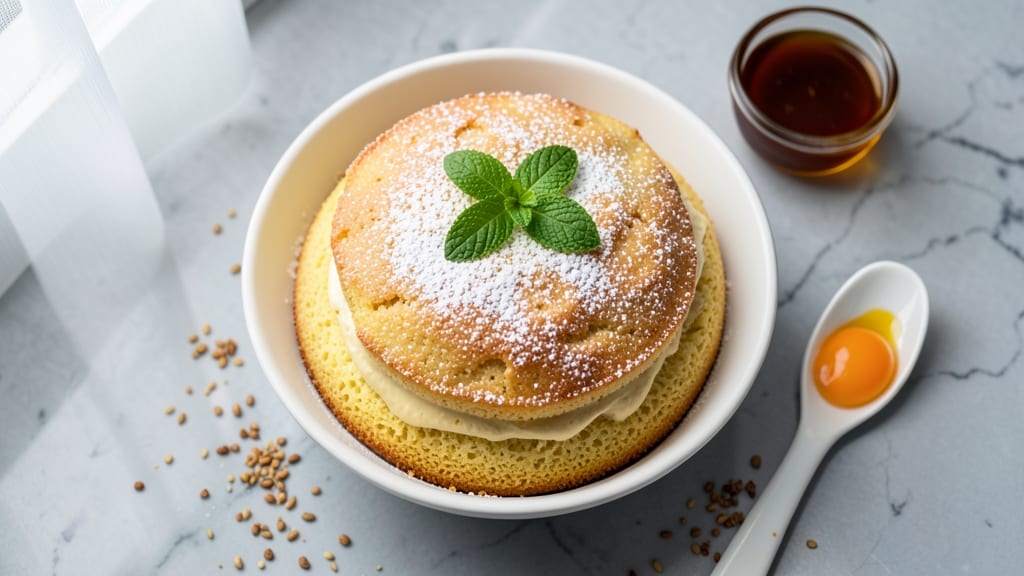
This suji cake with egg recipe delivers the perfect balance of soft, melt-in-your-mouth texture without the risk of overbaking. The eggs play a crucial role here—binding the semolina while keeping the cake tender and moist.
I developed this recipe after years of testing variations, and it consistently turns out light, fluffy, and just slightly golden on top.
The secret lies in the gentle baking technique and precise ingredient ratios. Unlike traditional suji cakes that can turn dense, this version incorporates eggs to create a delicate crumb while maintaining structure.
The result is a cake that's soft enough to cut with a fork but holds its shape beautifully. No special equipment is needed—just a standard mixing bowl and oven.
What makes this recipe stand out is how forgiving it is. Even if you're new to baking, the method ensures a foolproof outcome every time. The eggs not only add moisture but also help create that signature velvety texture that keeps the cake tender for hours after baking.
Perfect for breakfast, tea time, or as a light dessert, this cake is a game-changer for suji lovers.
Once you try this version, you'll never go back to the dry, crumbly cakes of the past. The combination of semolina, eggs, and a touch of sugar creates a harmonious flavor profile that's both comforting and sophisticated. Ready to bake? Let's get started!
Ingredients for suji cake recipe with egg
Simple ingredients that transform into a velvety suji cake—no special tools required.
| Ingredient | Amount | Notes |
|---|---|---|
| Semolina (Suji) Flour 🌾 | 1 cup | Fine grind preferred for texture |
| Large Eggs 🥚 | 2 whole | Room temperature for even mixing |
| Granulated Sugar 🍚 | ½ cup | White or brown sugar works |
| Unsalted Butter 🧈 | ½ cup | Softened, not melted |
| Milk 🥛 | ½ cup | Whole milk for creaminess |
| Baking Powder 🍞 | ½ tsp | Ensures gentle rise |
| Vanilla Extract 🌸 | ½ tsp | Pure extract preferred |
| Salt 🧂 | ¼ tsp | Fine sea salt recommended |
| Cardamom Powder 🌿 | ¼ tsp | Ground cardamom for aroma |
| All-Purpose Flour 🌾 | ¼ cup | For lightness and structure |
| Powdered Sugar 🍚 | 2 tbsp | For dusting and garnish |
The semolina is non-negotiable here—fine grind creates that signature melt-in-mouth texture. Bob's Red Mill or Kashmir brand semolina are my go-tos, but any quality brand works. Eggs should be at room temperature for even mixing, so take them out 20 minutes before starting. The butter needs to be softened, not melted—this ensures the cake stays tender. For the milk, whole milk adds richness, but 2% works in a pinch. Cardamom is the secret spice—ground cardamom is easier to measure than whole pods, and it adds that subtle warmth without overpowering.
No vanilla extract? Almond extract at half the amount works, or skip it entirely—this cake is delicious plain. Short on baking powder? Baking soda plus cream of tartar (1/4 tsp each) is a decent swap. The all-purpose flour can be omitted if you're strict about keeping it gluten-free, but it helps create that delicate crumb. For the sugar, brown sugar adds moisture but may darken the cake slightly. The powdered sugar is just for dusting—any brand works, but sift it first for a smoother finish. If you're baking in a humid climate, reduce the milk by 2 tablespoons to prevent a gummy texture.
This cake keeps beautifully—3 days at room temperature in an airtight container, or 1 week in the fridge if you want to extend freshness. For serving, dust with powdered sugar right before cutting—it adds that restaurant-quality finish. The cake reheats well in the microwave for 10 seconds if you want it warm, but honestly, it's best at room temperature. Store any leftovers wrapped in plastic wrap pressed directly against the cake to maintain moisture. Freezing isn't recommended as it can alter the texture.
Why You'll Love This Recipe
- No-Fuss Mixing: I swear by this recipe because it’s three bowls max—just toast the semolina until it smells nutty, whisk eggs and sugar until fluffy, then fold in melted butter and milk. No sifting, no overworking the batter, just stir until it’s just combined.
- Buttery Eggy Magic: That first bite? The eggs bind the semolina into a tender crumb while the butter—don’t skip the browned kind—adds a caramelized richness. It’s not sweet like a cake; it’s got this warm, toasty depth that makes it feel like a hug in dessert form.
- Breakfast or Dessert: Honestly, I make this for both. Serve it warm with a drizzle of honey for a lazy Sunday brunch, or chill it overnight and slice into squares for a no-bake treat. The semolina’s neutral base means it takes flavors—vanilla, cocoa, or even a pinch of cinnamon—like a champ.
- Leftovers That Don’t Suck: Between us, this cake improves the next day. The semolina soaks up any extra moisture, and the eggs keep it moist without turning gummy. I wrap slices in parchment and freeze them—perfect for when I’m too tired to bake but still want something good, not sad.
Step-by-step instructions for suji cake with egg
Master this delicate balance of semolina and eggs for a cake that stays moist without drying out.
Whisk Eggs and Sugar Until Pale and Ribbon-Like
In a large mixing bowl, combine the 2 whole Large Eggs and 0.5 cup Granulated Sugar. Using a hand mixer or stand mixer with the whisk attachment, beat on medium-high speed for 3-4 minutes until the mixture becomes pale yellow and forms soft ribbons when the whisk is lifted. This step incorporates air, which creates the light, fluffy texture characteristic of this cake.
Here's the thing—don't rush this process. You'll know it's ready when the mixture nearly doubles in volume and leaves clear streaks that hold their shape for a few seconds. If you skip this step or underbeat, your cake will turn out dense rather than melt-in-your-mouth tender.
Add Butter, Milk, and Dry Ingredients in Stages
Reduce the mixer speed to low and gradually add the 0.5 cup Unsalted Butter (softened) and 0.5 cup Milk while mixing continuously. This prevents the butter from separating or creating lumps in the batter. After both are fully incorporated, sift in the 1 cup Semolina (Suji) Flour, 0.25 cup All-Purpose Flour, 0.5 tsp Baking Powder, 0.25 tsp Salt, and 0.25 tsp Cardamom Powder. Mix on low speed for another 1-2 minutes until just combined—you should still see small streaks of flour.
Overmixing develops gluten, which can make the cake tough. The goal here is to blend everything evenly without overworking the batter. When you lift the whisk, the batter should be smooth with no visible flour pockets but still slightly thick in consistency.
Fold in Vanilla and Prepare the Pan
Remove the bowl from the mixer and gently fold in the 0.5 tsp Vanilla Extract using a silicone spatula. This ensures the vanilla is evenly distributed without deflating the air you've incorporated. While the batter rests, preheat your oven to 350°F and grease an 8-inch round cake pan thoroughly with butter. Line the bottom with parchment paper for easy removal.
Here's a pro tip: Tap the pan gently on the countertop to remove any air bubbles that may have formed in the batter. This creates a smoother top and more even baking. The batter should be thick enough to hold its shape when dropped from a spoon, but still pourable.
Bake at Low Heat for Even Cooking
Pour the batter into the prepared pan and smooth the top with a spatula. Bake in the preheated oven for 35-40 minutes. The cake is done when the top is golden brown and a toothpick inserted in the center comes out clean with just a few moist crumbs clinging to it. Avoid opening the oven door during baking—this causes the cake to sink.
This low-and-slow approach is crucial. Suji cakes tend to dry out if baked at high heat. If you notice the edges browning too quickly while the center is still undercooked, tent the cake with aluminum foil to prevent overbrowning while it continues cooking.
Dust with Powdered Sugar and Serve Warm
Remove the cake from the oven and let it cool in the pan for 10 minutes. Then transfer it to a wire rack to cool completely. Once cooled, dust the top generously with 2 tbsp Powdered Sugar using a fine-mesh sieve. This not only adds a beautiful finish but also enhances the cake's natural sweetness.
Serve the cake warm or at room temperature for the best texture. Each slice should be soft, moist, and melt in your mouth—no dry crumbs here. The cardamom adds a subtle warmth that pairs beautifully with the sweetness, making this cake perfect for breakfast or dessert.
Pro Tips For Making Suji Cake Recipe With Egg
- Roast Semolina First: I learned this the hard way—skipping the toasting step makes your cake dense and bland. Heat 2 tablespoons of butter in a pan, add the semolina, and stir constantly over medium heat for 5 minutes until it smells nutty and golden. This step builds flavor and prevents a gummy texture.
- Whisk Eggs Cold: Warm eggs straight from the fridge beat better—they whip up fluffier and incorporate sugar more smoothly. Crack them into a bowl, add sugar, and whisk vigorously until the mixture lightens by 30%. Cold eggs also prevent butter from melting too soon when mixed in later.
- Don’t Overmix the Batter: After burning three batches, I finally figured out semolina batter hates overworking. Mix just until the flour is barely combined with the wet ingredients—lumps are fine. Overmixing develops gluten, turning your cake into a dry, rubbery brick instead of a tender, melt-in-your-mouth treat.
- Use Room-Temp Butter: Sounds weird, but it works: take your unsalted butter out 30 minutes before starting. Soft butter blends into the batter more evenly, creating a smoother texture and preventing greasy pockets. No one wants a cake that tastes like it was made with cold sticks of butter—trust the process.
Wine and beer pairings for suji cake recipe with egg
Sweet Wine Pairings
This delicate suji cake pairs beautifully with Moscato d'Asti—its light effervescence and floral notes complement the cake's subtle cardamom and vanilla flavors. The slight sweetness in the wine mirrors the cake's natural sweetness without overpowering it.
I always keep a bottle of La Giustiniana chilled in my fridge for special occasions. 🍷
Spiced Tea Harmony
For a non-alcoholic option, try masala chai served warm. The cinnamon and cardamom in the tea echo the spices in the cake, creating a cohesive flavor experience.
Brew a strong cup using Tazo Chai Tea Bags and a splash of milk for creaminess. This pairing is perfect for breakfast or afternoon tea.
Creamy Beer Options
A Belgian witbier like Hoegaarden works surprisingly well with this cake. The citrusy notes and slight tartness cut through the richness, balancing the sweetness. For a local option, try a wheat beer with a hint of vanilla—it enhances the cake's natural flavors without competing. 🍺
Coffee Contrast
If you prefer coffee, a light roast Arabica with a touch of honey is ideal. The nutty undertones in the coffee contrast beautifully with the cake's soft texture.
Serve it black or with a splash of milk—either way, the flavors complement each other perfectly. This pairing is a game-changer for dessert lovers.
Fruity Liqueur Finish
For a decadent touch, drizzle a small amount of orange liqueur like Cointreau over the cake before serving. The citrus notes enhance the cardamom and vanilla, while the alcohol adds a sophisticated finish. Pair it with a dry sparkling wine like Prosecco for a festive touch. 💫
Nutrition facts
Frequently asked questions
Why does this suji cake recipe use eggs?
The eggs are essential for creating that signature melt-in-your-mouth texture. They act as a binder, holding the semolina together while adding moisture and structure. Without eggs, the cake can turn out dense or crumbly. The eggs also help incorporate air during mixing, giving the cake its light, fluffy quality.
Can I make this cake without cardamom?
If you don't have cardamom, simply omit it—the cake will still be delicious. For a different flavor profile, try 1/4 tsp cinnamon or 1/4 tsp vanilla bean paste instead. The cake's sweetness and texture won't be affected, but the aroma will change slightly. This makes the recipe very adaptable to what you have on hand.
How do I know when the cake is fully baked?
Your cake is done when the top is golden brown and a toothpick inserted in the center comes out clean with just a few moist crumbs. Avoid overbaking, as suji cakes can dry out quickly. If the edges brown too fast, tent the pan with foil to protect the center. The cake should spring back slightly when gently pressed in the middle.
Can I use this recipe for cupcakes instead?
Yes! The same batter works perfectly for cupcakes. Divide the batter into 12 standard cupcake liners (fill each about 2/3 full) and bake at 350°F for 18-20 minutes. The baking time will be shorter, and you'll get individual portions that are great for parties or snacking. The texture and flavor remain the same—just adjust the portion size.
What if my cake turns out too dense?
Dense texture usually means the batter was overmixed or underbaked. For next time, mix only until the dry ingredients are just combined (no flour streaks should remain), and bake for the full 35-40 minutes. Also, ensure your eggs and butter are at room temperature—this helps create a lighter crumb. If it happens, try slicing thinner portions to enjoy the moist parts.