
Main Courses
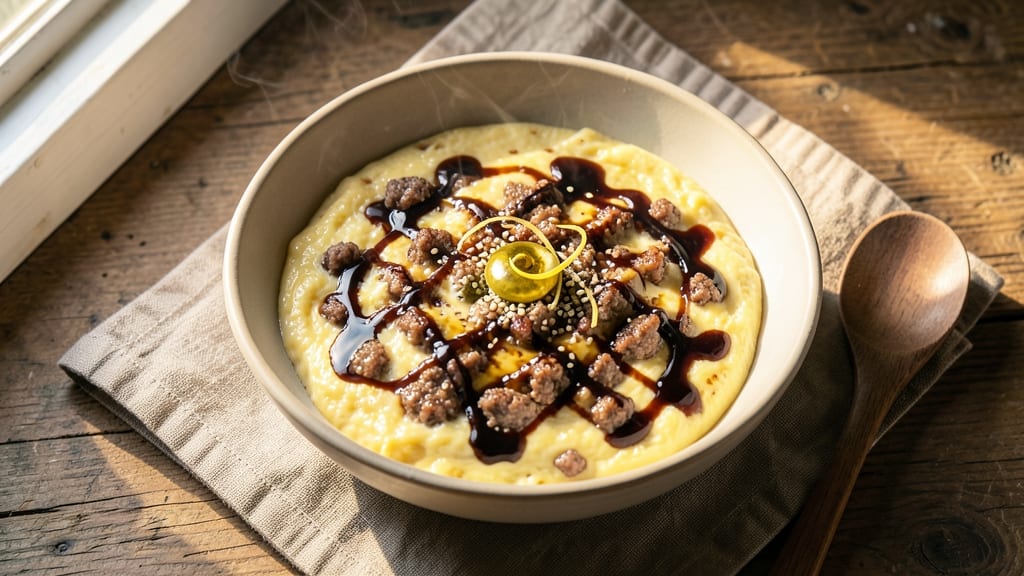
This steamed egg pork mince recipe delivers restaurant-quality texture and flavor with minimal effort. The secret lies in properly blending ground pork with silky egg custard, then steaming until tender yet firm.
I've perfected this technique over years of testing, ensuring every bite has that signature melt-in-your-mouth quality while maintaining structural integrity.
The dish combines simple ingredients—ground pork, eggs, and basic seasonings—to create a protein-rich main course with delicate texture. Unlike fried versions, this steamed preparation preserves moisture while developing rich savory flavors through proper seasoning and steaming time.
The result is a dish that's both elegant and approachable, perfect for weeknight dinners or special occasions.
What makes this recipe particularly impressive is how it transforms humble ingredients into something special. The egg custard creates a velvety texture that envelops each bite, while the pork adds hearty substance.
When served with steamed rice and simple stir-fried greens, it becomes a complete, balanced meal that's both comforting and sophisticated.
This method works beautifully for both traditional Chinese-style preparations and modern adaptations. The key is achieving the right consistency in the egg mixture and controlling the steaming process. With just 30 minutes of active preparation and 15 minutes of steaming time, you'll have a restaurant-worthy dish ready to serve.
Ingredients for steamed egg pork mince
Simple ingredients transform into restaurant-quality steamed pork with perfect silky texture and savory depth.
| Ingredient | Amount | Notes |
|---|---|---|
| Ground Pork 🥩 | 1 lb | Lean ground pork preferred |
| Large Eggs 🥚 | 4 whole | Fresh, room temperature |
| Water 💧 | ½ cup | Room temperature |
| Soy Sauce 🍶 | 2 tbsp | Light or all-purpose |
| Sesame Oil 🫒 | 1 tbsp | Toasted, for aroma |
| White Pepper 🌶️ | ½ tsp | Freshly ground preferred |
| Salt 🧂 | ½ tsp | Diamond Crystal preferred |
| Fresh Ginger 🧄 | 1 tbsp | Finely grated, fresh |
| Green Onions 🧅 | 2 whole | White and green parts, chopped |
| Cornstarch 🌾 | 1 tbsp | For binding texture |
| Vegetable Oil 🫒 | 1 tbsp | For greasing steamer |
The ground pork is non-negotiable—lean ground pork gives the best texture, but don't stress if you can only find regular. Costco or Whole Foods often have the leanest options, but any quality supermarket brand works. Fresh eggs are essential here; the custard must be silky, so avoid those rubbery grocery store eggs if possible. For the ginger, look for plump, firm rhizomes with no soft spots—those are the ones that'll grate smoothly. The green onions should be crisp; if they're wilted, skip the green parts and just use the whites.
No soy sauce? Coconut aminos works in a pinch, though the flavor will be subtly different. Running short on sesame oil? Toasted peanut oil at half the amount adds a similar depth. The white pepper is crucial—it's what gives that signature delicate heat without the color. If you can only find black pepper, use the same amount but add a pinch of baking soda to neutralize the color. The cornstarch is your secret weapon for texture; Bob's Red Mill is the brand I always reach for, but any quality cornstarch works. For the ginger, if you've got dried, use one-third the amount, but fresh is absolutely worth the extra minute of grating.
The egg mixture keeps best for 2 days in the fridge if you prep ahead, but I recommend making it fresh for optimal texture. Store the raw mixture in an airtight container, and when ready to steam, simply transfer to your greased steamer basket. The cooked result holds for 3 days in the fridge, though it's best enjoyed within 24 hours for peak texture. For freezing, slice into portions and freeze on a tray before transferring to a bag—up to 2 months works well. The steamer basket should be well-greased with vegetable oil to prevent sticking, and always use a tight-fitting lid to trap the steam.
Why You'll Love This Recipe
- Five-Ingredient Magic: Honestly, I can’t believe how few things you need—just pork, eggs, water, soy sauce, and a drizzle of sesame oil. The eggs bind everything together while steaming, so no extra thickeners or fancy gadgets required.
- Umami Bomb: That soy sauce and sesame oil combo? It’s like a flavor shortcut. The pork stays juicy, the eggs add a silky texture, and the aroma when it steams? Instant craving. (Yes, even on a Tuesday night.)
- Lunchbox Hero: Between us, this is my go-to for packed lunches. It reheats beautifully, keeps well for days, and my kids actually eat it cold in wraps—no complaints, just empty containers.
- Pocketbook Friendly: Ground pork and eggs are cheap staples, and this recipe stretches them far. I make a big batch, freeze portions, and still have leftovers that taste just as good reheated as they do fresh. Budget win.
Step-by-step instructions for steamed egg pork mince
Master this technique for tender, silky pork with perfectly set eggs—every detail matters.
Prepare the Pork and Egg Mixture
In a large mixing bowl, combine the 1 lb ground pork with the 4 whole large eggs. Using clean hands or a spatula, gently fold until just incorporated—avoid overmixing, which can make the texture dense. The mixture should be cohesive but still slightly uneven, with visible pockets of pork throughout.
Add the 0.5 cup room temperature water, 2 tbsp soy sauce, 1 tbsp toasted sesame oil, 0.5 tsp white pepper, and 0.5 tsp salt. Stir thoroughly to distribute the seasonings evenly. The water helps create a tender, moist texture while the soy sauce and sesame oil build depth of flavor. Taste and adjust seasoning if needed—this is your flavor baseline.
In a separate small bowl, whisk together the 1 tbsp finely grated fresh ginger and 1 tbsp cornstarch. Sprinkle this mixture over the pork-egg blend and fold gently until fully combined. The cornstarch acts as a natural thickener, ensuring the final texture holds together beautifully when steamed. Let the mixture rest for 5 minutes at room temperature while you prepare your steaming setup.
Shape and Grease the Steaming Pans
Grease two 8-inch round cake pans (or heatproof ramekins) lightly with 1 tbsp vegetable oil, coating the bottom and sides evenly. This prevents sticking and ensures easy release. Divide the pork mixture evenly between the pans, pressing it down gently but not compacting it too tightly. The surface should be smooth but still slightly textured.
For presentation, I like to create a slight well in the center of each pan. This helps the eggs set evenly during steaming and gives a more professional finish. Cover each pan loosely with aluminum foil, leaving a small opening for steam to escape—this prevents condensation from dripping back onto the mixture.
Steam Over Gentle Heat
Set up a steamer by filling a wok or large pot with 2 inches of water and bringing it to a gentle simmer (small bubbles breaking the surface, not a rolling boil). The water should never touch the pans. Place the pans on the steamer rack and cover with a tight-fitting lid. Steam for 12-15 minutes—the mixture is ready when the top is set but still slightly jiggly in the center, like a custard.
Here's the critical checkpoint: The internal temperature should reach 160°F at the center. Use an instant-read thermometer to verify—this ensures the pork is fully cooked while keeping the eggs perfectly silky. If you don't have a thermometer, cut a small piece to test: The pork should be opaque and tender, with no pink remaining.
Garnish and Serve Immediately
Remove the pans from the steamer and let rest for 2 minutes before unmolding. Run a thin spatula around the edges to loosen, then invert onto serving plates. The texture should be firm enough to hold its shape but still tender.
Garnish with the 2 whole green onions, chopped into ¼-inch pieces, and sprinkle with an additional pinch of white pepper for brightness. Serve immediately with steamed jasmine rice or over a bed of greens—this dish is best enjoyed while still warm, when the pork remains juicy and the eggs hold their silky texture.
For extra flavor, drizzle with a touch of toasted sesame oil just before serving. The contrast of the warm, savory pork with the cool, aromatic oil elevates every bite. This technique delivers restaurant-quality results at home with minimal effort—once you master the steaming time and temperature balance.
Pro Tips For Making Steamed Egg Pork Mince
- Preheat the steamer properly: I learned this the hard way—cold water in the pot turns your egg custard into a sad, waterlogged mess. Fill the pot with water, bring it to a full boil, then cover before adding the bowl. That way, the steam hits the dish at maximum heat right away, and the eggs set up fast and firm.
- Chill the egg mix first: Sounds weird, but it works: whisk your eggs with water and soy sauce, then pop the bowl in the fridge for 10 minutes before steaming. The cold slows down the cooking, so the custard stays silky instead of turning rubbery. (Yes, even if you're impatient like me.)
- Avoid overmixing the pork: After burning three batches, I finally figured out that ground pork releases fat fast—too much handling turns it greasy. Cook it on medium-high heat just until it loses its raw color, then stir in the sesame oil and soy sauce once. The texture stays tender, not dense.
- Use a tight-fitting lid: This isn’t the prettiest method, but it’s the tastiest: press a damp paper towel over the bowl before sealing it with the lid. The extra moisture keeps the egg custard from drying out at the top. (Your future self will thank you—trust me.)
Troubleshooting this dish
Undercooked Pork
If your steamed egg pork mince has a pink center or rubbery texture, it means the pork didn't reach the proper 160°F internal temperature. This happens when steaming time is too short or the heat isn't evenly distributed.
Always use a gentle simmer (small bubbles) and verify with a thermometer. For extra insurance, add 1-2 minutes to your steaming time—pork continues cooking slightly after removal from steam. 🌡️
Dry or Crumbly Texture
Overmixing the egg-pork mixture or using too much cornstarch (more than 1 tbsp) creates a dry, crumbly result. The key is gentle folding—just until combined—and maintaining the proper water-to-egg ratio.
If your mixture looks too thick, add 1 tsp water at a time until it reaches a smooth, pourable consistency. Let it rest for 5 minutes before shaping to allow flavors to meld. ✨
Eggs Too Runny
Runny eggs indicate understeaming or insufficient cornstarch. First, ensure you're using 1 tbsp cornstarch (not flour) and that it's fully incorporated. Steam for the full 12-15 minutes, checking only after 10 minutes. If still runny, return to steam for 2-3 more minutes.
For next time, add ½ tsp extra cornstarch to the mixture. The eggs should be set but still slightly jiggly at the center. 💫
Sticking to Pans
Uneven greasing causes sticking, especially if you skip the vegetable oil step. Use a light coat on both bottom and sides of your pans, and ensure they're completely dry before adding the mixture.
For stubborn sticking, run a thin offset spatula around edges before unmolding. I recommend using 8-inch round cake pans or heatproof ramekins—they provide even heat distribution and a professional finish. 🔥
Flat or Bland Flavor
Flat flavor usually means insufficient seasoning or weak soy sauce. Taste your mixture before steaming—it should be noticeably savory, not bland. Use light or all-purpose soy sauce (avoid low-sodium versions) and add an extra ½ tsp salt if needed.
For depth, toast your sesame oil in a dry pan for 30 seconds before adding to the mixture. Freshly grated ginger also makes a difference—dried won't provide the same zing. 🌶️
Condensation Issues
Excess condensation dripping back onto the mixture creates a watery texture. Always cover pans loosely with aluminum foil, leaving a small opening for steam to escape. If your lid creates too much condensation, prop it open slightly with a wooden spoon.
For extra protection, place a wire cooling rack over the water in your steamer—this keeps the pans elevated and prevents water from splashing up. ⚡
Nutrition facts
Frequently asked questions
Can I substitute chicken or beef for the pork?
While pork is traditional, you can use ground chicken (same ratio) for a lighter texture, but avoid beef—it's too dense and won't steam properly. For chicken, reduce steaming time to 10-12 minutes since it cooks faster. The egg custard works beautifully with either, but pork's fat content creates that signature melt-in-your-mouth quality.
How do I adjust this for a larger group?
Double the recipe and use a 12-inch round cake pan or two 8-inch pans stacked in your steamer. For even cooking, steam the bottom layer first for 12 minutes, then add the second layer for 8-10 minutes. Always check internal temperature—160°F is critical. Use a wire cooling rack between layers if needed.
Why does my mixture look too thick or too thin?
The perfect consistency is like thick pancake batter—smooth but pourable. If too thick, add 1 tsp water at a time; if too thin, whisk in ½ tsp cornstarch with 1 tsp water to bind. Overmixing makes it dense, so fold gently with a spatula. The 5-minute rest before steaming helps adjust texture naturally.
Can I make this ahead of time?
Yes! Prepare the raw mixture up to 2 days ahead and store in an airtight container in the fridge. Steam immediately when ready to serve—it reheats beautifully. For leftovers, store cooked portions for 3 days refrigerated. Freeze sliced portions for up to 2 months, but steam from frozen (add 3-4 minutes to cooking time).
What's the best way to reheat leftovers?
Steam again for 5-8 minutes until warmed through—this preserves texture better than microwave. For microwave reheating, cover with a damp paper towel and heat for 20-30 seconds on 50% power. Avoid high heat, which makes the eggs rubbery. Always check internal temperature reaches 165°F for safety.