
Beverages
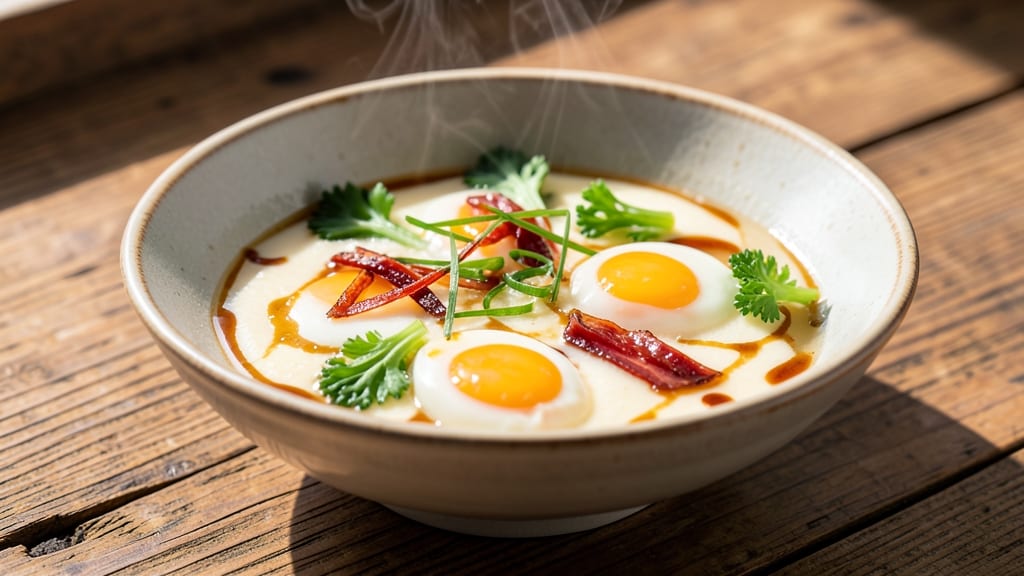
This steamed egg chawanmushi recipe delivers the delicate balance of silky custard and vibrant ingredients that makes it a Japanese dining staple. The secret lies in precise broth preparation and gentle steaming, transforming simple ingredients into a restaurant-worthy dish with just 20 minutes of active time.
What sets this apart is the harmony of textures—creamy yolks, tender vegetables, and delicate seafood—all perfectly set without breaking.
The foundation begins with a rich dashi broth, lightly seasoned with soy sauce and mirin, which infuses the custard with subtle umami depth. Eggs are whipped to a velvety consistency, then layered with thinly sliced celery crowns and optional ingredients like shrimp or mushrooms.
The magic happens during steaming, where the custard achieves that signature wobbling jiggle while remaining perfectly set.
What you'll end up with is a dish that's both elegant and approachable—each bite reveals layers of flavor and texture. The celery crowns add a subtle crunch, while the custard envelops every ingredient in its silky embrace.
This recipe captures the essence of chawanmushi without requiring specialized equipment, making it perfect for both special occasions and everyday indulgence.
Whether you're serving it as a light appetizer or a comforting meal, the presentation is just as important as the taste. The delicate steam creates a crown-like effect on the surface, making it as visually appealing as it is delicious. Ready to master this Japanese classic?
Ingredients for steamed egg chawanmushi
Twelve ingredients transform into a delicate chawanmushi with restaurant-quality texture and umami harmony.
| Ingredient | Amount | Notes |
|---|---|---|
| Large Eggs 🥚 | 6 whole | Room temperature for even whipping |
| Dashi Broth 🍜 | 1 ½ cups | Homemade or quality store-bought |
| Dry White Wine 🍷 | ¼ cup | Subtle acidity enhances flavor |
| Mirin 🍶 | 1 tbsp | High-quality, sweetened rice wine |
| Soy Sauce 🧂 | 1 tbsp | Lightly seasoned for umami depth |
| Celery Crowns 🧅 | ½ cup | Thinly sliced, blanched briefly |
| Shrimp 🦐 | ½ lb | Peeled, deveined, optional |
| Shiitake Mushrooms 🍄 | 4 whole | Thinly sliced, optional |
| Salt 🧂 | ¼ tsp | Fine sea salt for delicate seasoning |
| Sugar 🍚 | ½ tsp | Balances flavors subtly |
| Kuzu Powder 🌾 | ½ tsp | Optional for firmer custard |
| Water 💧 | ¼ cup | For kuzu slurry if using |
The eggs are the heart of this dish—use room temperature ones for perfect whipping and a silky texture. For dashi broth, homemade is ideal, but quality store-bought like Hondashi works beautifully. Celery crowns should be thinly sliced and blanched for a tender bite—they add that signature crunch. Shrimp and shiitake mushrooms are optional but elevate the dish with their delicate flavors; if using shrimp, peel and devein them for a refined presentation. The mirin and soy sauce combination is crucial for achieving that authentic umami depth without overpowering the delicate custard.
No mirin? Substitute with 1 tsp sugar plus 1 tsp white wine vinegar—it mimics the sweetness and acidity. Running short on shrimp? Scallops or thinly sliced chicken work equally well, though cooking times will vary slightly. For a vegetarian version, skip the seafood entirely and rely on mushrooms and vegetables like spinach or zucchini. The kuzu powder is optional but recommended for firmer custard—if omitting, reduce the water slightly to maintain consistency. Always use fine sea salt for delicate seasoning, as coarse varieties can disrupt the dish's delicate balance.
Store unused dashi broth in the fridge for up to 5 days or freeze for 3 months. Prepared custard can be steamed ahead of time and reheated gently in a steamer basket over simmering water for 10-15 minutes—this preserves the signature jiggle. For best presentation, serve immediately after steaming, as the custard begins to set quickly. Leftover custard can be reheated in a water bath but may lose some of its delicate texture. The celery crowns and seafood can be prepped a day ahead, stored separately in the fridge.
Why You'll Love This Recipe
- I’ll be real: this recipe requires zero fancy gadgets. Just eggs, a steamer, and a bowl—no blender, no food processor, no stress. The broth mixes together in minutes while the water heats, and honestly? That’s half the battle won.
- Here’s what sold me: the broth stays rich and flavorful even after reheating. I’ll often make a double batch, steam extra cups, and keep them in the fridge for lazy mornings or late-night cravings. No sad, rubbery texture—just creamy, comforting bites every time.
Step-by-step instructions for steamed egg chawanmushi
A delicate balance of technique and timing transforms simple ingredients into this luxurious Japanese custard.
Prepare the Celery Crowns and Mushrooms
Blanch the 0.5 cup celery crowns in boiling water for 30 seconds until just softened but still vibrant green. Immediately transfer to ice water to stop cooking, then drain thoroughly. Thinly slice the 4 whole shiitake mushrooms—remove stems and slice caps into delicate strips. Set both aside.
For the shrimp, if using, peel and devein the 0.5 lb shrimp, leaving the tails intact for presentation. Pat each piece completely dry with paper towels—this prevents them from turning rubbery during steaming. Arrange all prepared ingredients on a plate, ready for assembly.
Create the Custard Base
In a heatproof mixing bowl, gently whisk together the 6 whole large eggs (room temperature) with the 1.5 cups dashi broth, 0.25 cup dry white wine, 1 tbsp mirin, 1 tbsp soy sauce, 0.25 tsp salt, and 0.5 tsp sugar. The mixture should be smooth but not overly aerated—avoid vigorous whisking that incorporates air bubbles.
If using 0.5 tsp kuzu powder, dissolve it in 0.25 cup water to form a smooth slurry, then temper it by slowly whisking it into the egg mixture. This optional step creates a firmer custard texture. The base should be pale and silky, with no visible lumps.
Assemble and Steam the Chawanmushi
Divide the custard mixture evenly among 4 heatproof ramekins or small bowls (about ¾ full). Arrange the blanched celery crowns, shiitake slices, and shrimp pieces artistically on top—leave space between ingredients to allow the custard to set properly. Cover each ramekin with a round of parchment paper, then place a small heatproof plate on top to create an even steam barrier.
Fill a steamer with 1 inch of water and bring to a gentle simmer. Place the ramekins in the steamer, ensuring they don't touch the water. Steam over medium-low heat for 12-15 minutes until the custard is just set—it should jiggle slightly in the center when gently shaken. Overcooking causes a rubbery texture.
Finish and Serve with Precision
Remove the ramekins from the steamer and let them rest for 2 minutes before unmolding. The custard should release cleanly with a slight wobble at the center—this indicates perfect doneness. Serve immediately with the ramekins inverted onto plates to showcase the silky yolk and delicate ingredients.
Each bite should deliver a harmonious blend of creamy custard, tender shrimp, and the subtle crunch of celery crowns. The wine and mirin add brightness, while the dashi and soy sauce provide umami depth. Enjoy while warm for the optimal texture contrast.
Pro Tips For Making Steamed Egg Chawanmushi
- Preheat the water first: The steamer basket needs to be actively steaming before the eggs go in—no waiting for it to heat up mid-cook. Cold eggs in lukewarm steam turn out watery. Bring a pot of water to a rolling boil, then reduce to a gentle simmer before adding the basket. (Yes, even if your recipe says "medium heat.")
- Use room-temperature eggs: Cold eggs from the fridge whip up stiff and dense, which fights the delicate texture of chawanmushi. Take them out 30 minutes before starting—this also prevents curdling when you add the hot dashi. I learned this the hard way when my first batch looked like scrambled eggs instead of silky custard.
- Don’t overfill the ramekins: Halfway is the magic line. Packing them too full means the eggs will spill over when they puff, and the edges will cook unevenly. Leave at least 1 inch of headspace—this also lets the steam circulate properly, giving you that perfect jiggly center.
- Add the wine last: Pouring it in early turns your broth into a sad, boozy puddle. Instead, mix the mirin and soy sauce with the dashi first, then stir in the beaten eggs, and only add the wine right before steaming. This keeps the alcohol from evaporating too soon, preserving that bright, clean flavor. (And yes, it makes a difference.)
Common mistakes when making perfect results
Overwhisking the Eggs
I’ve seen so many first attempts at chawanmushi end up with air bubbles or a grainy texture—both are classic signs of overwhisking. The eggs should be gently combined with the broth and other liquids, just until smooth.
Vigorous whisking incorporates too much air, which can cause the custard to break or develop a rubbery texture during steaming. Instead, use a spatula or rubber whisk to fold everything together lightly—think of it like making a delicate custard, not a fluffy omelet. 🥚
Skipping the Blanch
The celery crowns are the star of chawanmushi, and skipping the brief 30-second blanch means they’ll stay tough and bitter. This quick step softens them just enough to create that perfect contrast with the creamy custard.
After blanching, the ice water bath stops the cooking process instantly—don’t skip this either, or you’ll end up with mushy celery. Pro tip: Use ice water from your freezer for an even quicker shock.
Uneven Steaming
One of the biggest mistakes is placing ramekins too close to the steamer’s water or letting the heat get too high. The goal is gentle, even heat—if the water boils too vigorously, the custard can set too quickly on top while staying undercooked inside.
Keep the water at a gentle simmer (small bubbles, not a rolling boil) and ensure ramekins are level in the steamer. I like to use a wire rack in the steamer to keep ramekins elevated and prevent condensation from dripping onto the custard.
Overcooking the Custard
That slight wobble in the center? It’s not a mistake—it’s the hallmark of perfect chawanmushi. Overcooking by even 1-2 extra minutes turns the custard from silky to rubbery. Test doneness by gently shaking the ramekin—if the center moves like jelly, it’s ready.
If you’re unsure, err on the side of undercooking; the custard will continue setting slightly as it rests. A thermometer can help here—aim for an internal temp of 160-165°F at the center.
Ignoring the Rest Time
Rushing to unmold the chawanmushi right after steaming is a common rookie move. The 2-minute rest allows the custard to firm up just enough to release cleanly from the ramekin. Skipping this step often results in a messy unmolding experience or even a broken custard.
During this time, the heat redistributes evenly, ensuring that every bite has that signature creamy-yet-jiggly texture. Trust the process—patience is key here. ⏰
Using Cold Ingredients
Room-temperature eggs and broth are non-negotiable for chawanmushi. Cold ingredients can cause the custard to curdle or separate during steaming. Let your eggs sit at room temp for 30 minutes before whipping, and ensure your dashi broth is also at room temperature.
Cold liquids can also cause the custard to set unevenly, leading to a grainy texture. If you’re short on time, place the eggs in warm water for 10 minutes to speed up the process without overcooking them.
Nutrition facts
Frequently asked questions
Can I make chawanmushi without a steamer?
Use a bain-marie (double boiler) instead—place ramekins in a heatproof dish over simmering water. Cover with parchment and a plate to trap steam. Alternatively, use an Instant Pot on high pressure for 8 minutes (quick release), though texture may differ slightly. The key is gentle, even heat—never let water boil vigorously.
What if I don't have mirin?
Create a substitute with 1 tsp sugar + 1 tsp white wine vinegar per tablespoon of mirin called for. This mimics mirin's sweetness and acidity. For deeper umami, add ½ tsp dashi powder to the mix. The custard will still taste delicious, though the balance will be slightly different.
How do I store leftovers?
Chawanmushi is best eaten fresh, but you can store leftovers in the fridge for 1 day in an airtight container. Reheat gently in a steamer over simmering water for 10-12 minutes—never microwave. For longer storage, freeze the custard (without toppings) for up to 1 month. Thaw overnight in the fridge before reheating.
Why did my custard turn grainy?
Grainy texture usually means overwhisking or cold ingredients. Use room-temperature eggs and whisk just until combined—think "smooth, not fluffy." Also check your heat source: too much direct heat causes uneven cooking. For next time, try adding ½ tsp cornstarch to the egg mixture for extra stability.
Can I make this vegetarian?
Yes! Replace shrimp with thinly sliced tofu, mushrooms, or spinach. For extra richness, add ½ cup silken tofu to the custard base. Keep the celery crowns and consider adding shredded nori** for umami. The texture contrast will still be delicious—just adjust cooking times slightly for denser ingredients.