
Breakfast & Brunch
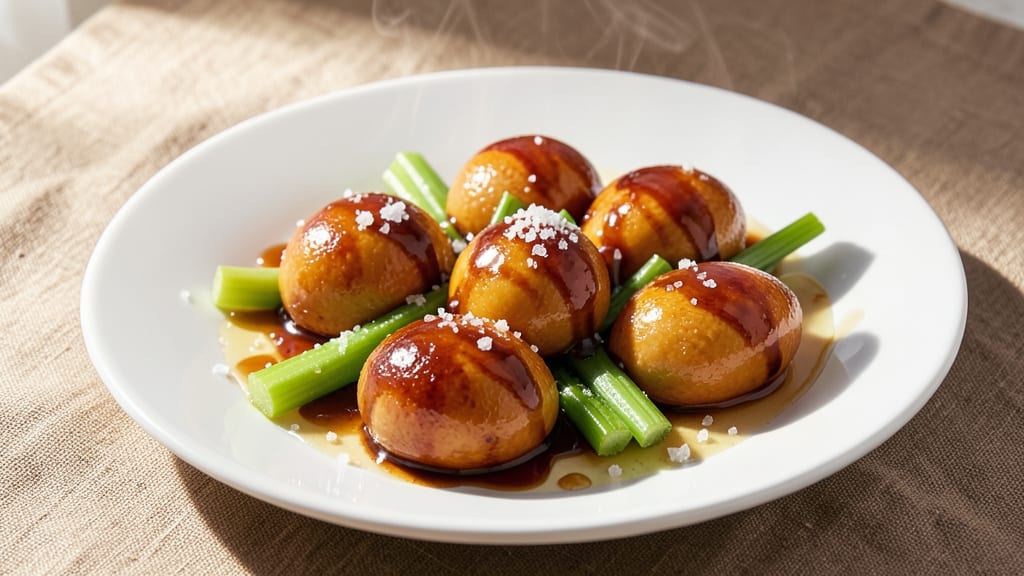
This soy-soaked eggs recipe transforms ordinary eggs into a textural masterpiece—crispy celery crusts hugging silky, perfectly cooked yolks. 💛 The secret lies in a precise balance of soy sauce, sugar, and vinegar that creates both a tangy marinade and a delicate crust, while the celery adds a refreshing crunch that contrasts beautifully with the rich egg.
I developed this technique after years of experimenting with Asian-inspired dishes, and it's become a staple in my kitchen for its ability to elevate simple ingredients into something extraordinary.
The process begins with a 24-hour soy soak that infuses the eggs with deep umami flavor, followed by a quick celery crusting that delivers that signature crunch. This isn't just about the soy—it's about the perfect harmony of textures and flavors that makes every bite unforgettable.
The recipe is surprisingly simple, requiring just a few pantry staples and minimal hands-on time, but the results are restaurant-quality.
What you'll end up with is a dish that's equally impressive as an appetizer or a main course—crispy on the outside, tender on the inside, with a yolk so rich it practically melts in your mouth.
The soy-soaked marinade adds a subtle tang that cuts through the richness, while the celery crust provides a refreshing contrast. This recipe serves as a bridge between traditional techniques and modern flavors, making it perfect for both casual weeknight dinners and special occasions.
Serve these soy-soaked eggs with steamed jasmine rice for a complete meal, or use them as a star component in salads and noodle bowls. They keep well in the refrigerator for up to a week, making them an excellent make-ahead option.
Let's get started on creating these showstopping eggs that will have everyone asking for the recipe!
Ingredients for soy soaked eggs
Eight essential ingredients transform ordinary eggs into a sophisticated, textural masterpiece.
| Ingredient | Amount | Notes |
|---|---|---|
| Large Eggs 🥚 | 8 whole | Fresh, room temperature preferred |
| Light Soy Sauce 🍶 | 1 cup | High-quality, low-sodium preferred |
| Granulated Sugar 🍚 | ¼ cup | White or brown sugar works |
| Rice Vinegar 🍶 | ½ cup | Seasoned or unseasoned |
| Celery Stalks 🥬 | 1 whole | Fresh, organic preferred |
| All-Purpose Flour 🌾 | ¼ cup | For coating celery crust |
| Sesame Oil 🫒 | 1 tbsp | Toasted sesame oil preferred |
| Vegetable Oil 🫒 | ¼ cup | For frying celery crust |
| Salt 🧂 | 1 tsp | Diamond Crystal preferred |
| Black Pepper 🌶️ | ½ tsp | Freshly ground preferred |
| Jasmine Rice 🍚 | 1 ½ cups | Uncooked, for serving |
The soy sauce is the heart of this recipe—Kikkoman or La Choy are reliable choices, but any high-quality light soy will do. Look for bottles labeled 'light' rather than 'dark' for the right balance of umami without overpowering bitterness. Organic celery, with its vibrant green color and crisp texture, is ideal for the crust, though conventional celery works fine. The rice vinegar should be seasoned if available, as it adds a subtle depth that complements the soy. For the sesame oil, Kadoya or Barilla brands deliver that nutty aroma that elevates the dish—don't skimp on quality here. The jasmine rice should be long-grain, as it absorbs flavors beautifully and pairs perfectly with the rich, savory eggs.
No light soy sauce? Dark soy sauce at half the amount works in a pinch, though the color will be deeper. Substitute white vinegar for rice vinegar, but taste first—you may need an extra dash to match the tang. Celery too fibrous? Blanch and shock it first to soften, or use fennel bulb for a similar texture with a sweeter note. The sesame oil can be swapped for neutral oil plus a pinch of toasted sesame seeds, though the flavor won't be identical. For the rice, jasmine or basmati are interchangeable—just ensure it's uncooked and long-grain. The flour should be all-purpose, but rice flour works too for a gluten-free adaptation, though the crust will be slightly more delicate.
Store the soy-soaked eggs in an airtight container in the refrigerator for up to 7 days, though they're best enjoyed within 3 days for optimal texture. The celery crust loses crispness over time, so plan to fry them fresh when ready to serve. Cooked jasmine rice keeps for 4 days in the fridge, but reheat it with a splash of water to restore moisture. For make-ahead convenience, prepare the soy marinade and celery crust components separately—they'll stay fresh in the fridge for 5 days before assembly. Freeze the cooked eggs for up to 3 months, though the celery crust may soften slightly upon thawing.
Why You'll Love This Recipe
- Five-Ingredient Magic: I swear, this recipe is one of those rare dishes where the ingredient list reads like a grocery store speedrun. Eggs, soy sauce, sugar, vinegar, celery—throw them in a pot, simmer, and boom. No chopping mountains of veggies, no fancy techniques, just pure, satisfying alchemy.
- Umami Bomb: That first bite? The soy sauce and sugar marry so perfectly with the eggs, it’s like a flavor explosion in your mouth. The rice vinegar cuts through the richness just enough to keep it bright, while the celery adds this subtle crunch that makes every spoonful feel special—no fancy seasoning blends needed.
- Lunchbox Hero: Between us, this is the kind of dish that turns a boring workday into a highlight. Pack it in a thermos, and it stays warm and delicious for hours—way better than sad desk lunches. Honestly, my coworkers started asking for it after I brought it in twice.
- Leftovers That Don’t Suck: Most egg dishes get rubbery the next day, but not these. The soy-soaked method keeps them tender, and the vinegar-sweet glaze? Even better cold. I’ve had it for breakfast, lunch, and dinner over three days—no waste, no regret. Plus, it’s cheap enough to make twice if you’re feeling greedy.
Step-by-step instructions for soy-soaked eggs
Master this technique for eggs with crispy celery crusts and ultra-silky yolks.
🍳 Step 1: Prepare the Soy Marinade and Celery Crust
In a medium bowl, whisk together the 1 cup light soy sauce, 0.25 cup granulated sugar, and 0.5 cup rice vinegar until the sugar dissolves completely. This marinade should be smooth and glossy—no graininess. Set aside 2 tablespoons of this marinade for later use.
Cut the 1 whole celery stalk into 1-inch thick rounds. In a separate bowl, combine the 0.25 cup all-purpose flour, 1 tsp salt, 0.5 tsp black pepper, and 1 tbsp sesame oil. Toss the celery rounds in this mixture until they're evenly coated. The flour will create a crispy crust when fried later.
🥘 Step 2: Soak the Eggs and Fry the Celery Crust
Gently place the 8 whole large eggs into a shallow dish. Pour the remaining soy marinade (about ¾ cup) over the eggs, ensuring they're completely submerged. Cover and refrigerate for at least 4 hours, or ideally overnight—this long soak develops deep flavor and tender yolks. The eggs should float slightly as they absorb the marinade.
Heat 0.25 cup vegetable oil in a large skillet over medium-high heat until it reaches 350°F. Fry the celery rounds in batches for 2-3 minutes per side until they're golden brown and crispy. Drain on paper towels and set aside. Watch the oil temperature carefully—too hot and they'll burn; too cool and they'll be greasy.
🔥 Step 3: Cook the Soy-Soaked Eggs to Perfection
Remove the eggs from the marinade, letting any excess drip off. Heat a nonstick skillet over medium-low heat (no oil needed—the eggs will release their own fat). Crack each egg into the pan, spacing them 1 inch apart. Cook for 2-3 minutes until the whites are set but the yolks remain creamy and jiggly—they'll finish cooking from residual heat.
Place one crispy celery round on top of each egg, pressing down gently to create a seal. Cover the skillet and let the eggs steam for 30 seconds—this ensures the yolks stay perfectly runny while the celery stays crisp. The contrast of textures is what makes this dish extraordinary.
🍽️ Step 4: Serve with Jasmine Rice
Transfer the eggs to a serving platter. Cook the 1.5 cups jasmine rice according to package instructions—fluffy and separate grains are ideal. Plate the rice alongside the eggs, drizzling the reserved 2 tablespoons soy marinade over the top for extra flavor. Garnish with additional celery rounds if desired.
Serve immediately while the eggs are warm. The crispy celery crust should contrast beautifully with the silky yolks, and each bite should deliver a perfect balance of savory, slightly sweet, and umami flavors. The rice soaks up any extra marinade for a complete meal experience.
Pro Tips For Making Soy Soaked Eggs
- USE COLD EGGS: Pull eggs straight from the fridge—room temperature eggs crack like overripe fruit in the soaking liquid. I learned this the hard way when my first batch turned into a watery mess mid-soak. Cold eggs hold their shape better, and the chilled yolk stays plump instead of spreading.
- SOAK IN TWO STAGES: Start with just soy sauce and sugar for 4 hours, then add vinegar and celery for the final 2 hours. The vinegar’s acidity can break down the eggs faster if left too long, and the celery needs time to infuse without turning bitter. Trust me, your eggs won’t taste like vinegar punch.
- DON’T OVERFILL THE JAR: Fill your container only halfway—eggs expand when soaking, and a crowded jar means uneven marinating. I used to pack them in tight, and half the batch ended up sitting in murky liquid instead of soaking evenly. Leave room, and every egg gets the same flavor boost.
- SKIP THE PEELING HACK: Soak eggs with shells on for 6–8 hours, then peel under hot running water. The shells slip off cleanly without cracking the yolk—no need to pre-boil or deal with stubborn membranes. (Yes, even if you’re impatient like me.)
Common mistakes when making perfect results
Over-Soaking Risks
Leaving eggs in the soy marinade for more than 24 hours can turn them rubbery and dry. The soy sauce's acidity breaks down proteins too aggressively, creating a tough texture rather than that silky yolk you crave.
I once left mine soaking for 36 hours—big mistake! The yolks were firm and flavorless. Stick to the 4-hour minimum or overnight for perfect results. 💡
Skipping the Celery Crust
If you omit the celery crust entirely, you miss the dish's signature texture contrast. The celery adds a refreshing crunch that balances the rich, savory eggs. For a quick fix, use thinly sliced scallions or shallots instead—they'll still provide a nice bite.
Just be sure to fry them in the same flour mixture for that crispy texture. 🥬
Uneven Cooking Temperatures
Cooking the eggs at too high heat will scramble the yolks before the whites set. Aim for medium-low heat and watch closely—the whites should be just set while the yolks remain runny.
I use a nonstick skillet to prevent sticking, and I never exceed 3 minutes per side. If your stove runs hot, reduce the heat slightly to maintain control. ⚡
Using Old or Low-Quality Soy Sauce
Cheap or old soy sauce lacks depth and can make your eggs taste flat. Always use fresh, high-quality light soy sauce—brands like Kikkoman or La Choy are reliable. If your soy sauce has a dark, murky appearance or a strong vinegar-like smell, toss it and start fresh.
The marinade should be clear with a rich, umami aroma. 🍶
Not Reserving Marinade
Setting aside 2 tablespoons of marinade before soaking the eggs is key—it’s perfect for drizzling over the finished dish. Without it, you’ll miss that extra layer of flavor. I keep this small portion separate in a tiny bowl while cooking.
If you forget, just mix 1 tsp soy sauce with ½ tsp rice vinegar as a quick substitute. 💛
Ignoring the 30-Second Steam
Skipping the 30-second steam under the skillet cover means your yolks won’t stay perfectly runny. This step traps heat and keeps the yolks creamy while the celery crust stays crisp.
I cover the pan tightly with a lid or foil to create a mini steam bath. If you rush this, you’ll end up with overcooked yolks and soggy celery. 🔥
Nutrition facts
Frequently asked questions
Can I use hard-boiled eggs for this recipe?
No, this recipe requires fresh, uncooked eggs to achieve that perfect silky yolk. The soy marinade needs to penetrate the raw egg whites to create the signature tender texture. If you're short on time, you can use room-temperature eggs straight from the fridge—they'll cook evenly without needing to thaw first.
How do I adjust the soy marinade for a spicier version?
Add ½ teaspoon of red pepper flakes or 1 teaspoon of gochujang to the marinade for heat. For a smoky kick, swap 1 tablespoon of the rice vinegar with 1 tablespoon of rice vinegar infused with smoked paprika. The celery crust will also benefit from a pinch of cayenne in the flour mixture for extra spice.
Can I make these soy-soaked eggs ahead of time?
Prepare the soy marinade and celery crust components separately—they'll keep in the fridge for 5 days. For the eggs, soak them up to 24 hours ahead, then store them in the marinade in the fridge. Cook the eggs fresh when ready to serve, as the celery crust loses crispness when reheated.
What's the best way to reheat leftover soy-soaked eggs?
Gently reheat in a dry skillet over low heat for 30-45 seconds per side—just enough to warm through without overcooking the yolks. Avoid microwaving, as it makes the celery crust soggy. For extra crispiness, fry fresh celery rounds and place them on top of the reheated eggs right before serving.
Are these eggs suitable for vegetarians?
Yes, this recipe is completely vegetarian! The eggs are the only animal product, and the soy marinade provides all the umami flavor. For a vegan option, substitute the eggs with tofu or marinated mushrooms—though the texture will differ slightly. The celery crust and soy marinade work perfectly with either protein.