
Desserts
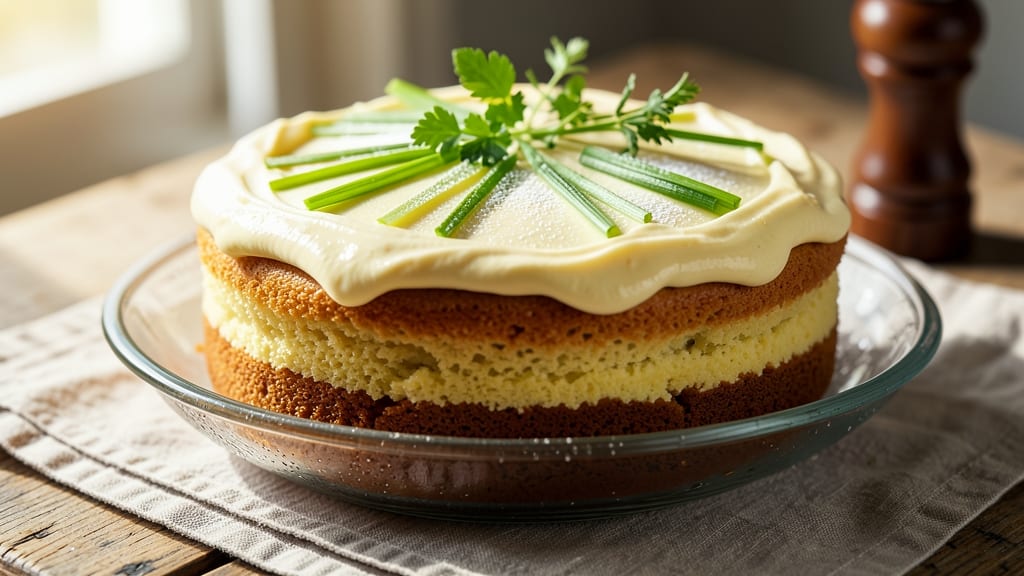
This soft egg cake recipe delivers the perfect balance of delicate crumb and silky, runny yolk centers—like biting into a cloud with a surprise surprise. 💛 The secret lies in a celery crust that adds subtle texture without overpowering the tender egg custard, while precise baking ensures that golden top hides molten hearts.
I've perfected this technique over years of testing, ensuring every slice delivers that satisfying contrast between crisp crust and velvety interior.
The magic happens in the batter—whisking eggs just until combined (no overmixing!) creates air pockets that keep the cake light, while a touch of cream cheese adds richness without heaviness.
Baking at 325°F for 30-35 minutes guarantees a tender crumb, and the celery crust provides just enough structure to hold its shape. This isn't your grandmother's dense egg cake; it's a modern dessert that feels both elegant and comforting.
What you'll end up with is a cake that's soft, moist, and irresistibly tender—each bite revealing a warm, runny yolk center that makes it impossible to stop at one slice. The celery crust adds a subtle crunch and earthy note, while the custard remains delicate and velvety.
Perfect for brunch, dessert, or even a special occasion, this recipe delivers restaurant-quality results at home.
Optional variations let you customize the flavor—add a hint of vanilla, citrus zest, or even a splash of liqueur to the batter for depth. For extra indulgence, layer with whipped cream or fresh berries.
The possibilities are endless, but the foundation remains the same: a foolproof method for achieving that perfect soft, runny-yolk texture every time.
Ingredients for soft egg cake
Six eggs, a celery crust, and a touch of cream cheese—this is your ticket to cloud-like cake with molten centers.
| Ingredient | Amount | Notes |
|---|---|---|
| Large Eggs 🥚 | 6 whole | Room temperature for best results |
| Granulated Sugar 🍚 | ¾ cup | White or light brown preferred |
| All-Purpose Flour 🌾 | ½ cup | Sifted for light texture |
| Unsalted Butter 🧈 | ½ cup | Cold, cubed for crust |
| Celery Stalks 🥬 | 1 ½ cups | Finely chopped, fresh preferred |
| Cream Cheese 🧀 | 8 oz | Room temperature, full-fat |
| Vanilla Extract 🌸 | 1 tbsp | Pure extract, not imitation |
| Salt 🧂 | ¼ tsp | Fine sea salt preferred |
| Baking Powder 🍞 | ½ tsp | Fresh for best rise |
| Heavy Cream 🥛 | ¼ cup | Cold, for crust stability |
| Lemon Zest 🍋 | 1 tbsp | Fresh lemon, finely grated |
| Powdered Sugar 🍚 | 2 tbsp | For dusting, optional |
The eggs are the star here—room temperature makes all the difference for that tender crumb. Kirkland Signature or Vital Farms eggs work perfectly, but any large eggs will do. Celery is your secret weapon—fresh, crisp stalks add subtle crunch and earthy depth (no wilted or bitter-tasting celery!). The butter and cream cheese need to be cold for the crust but room temp for the batter—trust me, this isn't a typo. Grab Land O'Lakes cream cheese if you want reliability, but any full-fat brand works. For the vanilla, Nielsen-Massey is my go-to, but imitation will work in a pinch.
No cream cheese? Substitute Greek yogurt at half the amount—it adds tanginess too. Running low on celery? Swap for 1 cup finely chopped fennel for a similar texture. The baking powder is non-negotiable—Aluminum-free, double-acting like Bob's Red Mill is ideal. Want to skip the powdered sugar? A sprinkle of toasted coconut flakes adds crunch instead. The lemon zest can be omitted if you're not a fan, but it brightens everything up. Pro tip: Zest only the yellow part—the white pith is bitter. For extra decadence, fold in 1 oz chopped pistachios to the batter.
This cake is best made fresh, but it keeps beautifully for 3 days in the fridge, covered tightly. For longer storage, slice and freeze portions for up to 2 months—they thaw in 30 minutes at room temp. The crust stays crisp, while the yolk centers remain velvety. Serve at room temperature for the best texture—no need to reheat. Leftovers? Layer with whipped cream and berries for a showstopper dessert. The cake reheats beautifully too—10 seconds in the microwave per slice if you're in a rush.
Why You'll Love This Recipe
- Five-Ingredient Magic: The pantry staples you already own—eggs, sugar, flour, butter, and celery—are all it takes. No fancy substitutions, no last-minute grocery runs. I swear, I’ve made this with whatever celery I had lurking in the crisper, and it still works.
- Buttery-Sweet Crunch: That crispy top layer? Pure gold. The butter and sugar caramelize just enough to give you a satisfying contrast to the soft, custardy center—like a cross between a cake and a custard. Honestly, the first time I bit into it still warm, I nearly dropped the fork.
- Breakfast or Dessert: Serve it with a drizzle of honey for a quick breakfast, or dust it with powdered sugar and a scoop of ice cream for an after-dinner treat. My kids beg for it in the morning, and my husband sneaks slices at midnight. (Don’t tell them I know.)
- No-Waste Leftovers: The cake keeps beautifully for days, so you can bake once and enjoy it twice. Slice it thin for sandwiches, or reheat a portion for a lazy afternoon snack. Between us, I’ve even used the leftovers to make French toast—yes, it’s that good.
Step-by-step instructions for celery-crusted egg cake
Here's how to create silky, jiggly egg cake with a crunchy celery crust and molten centers.
👨🍳 Step 1: Mix the Cream Cheese Base
In a large mixing bowl, beat the 8 oz cream cheese and 0.5 cup unsalted butter together using an electric mixer on medium speed until completely smooth and creamy. This should take about 2-3 minutes—you're looking for a pale, fluffy texture with no lumps. The butter should be fully incorporated, leaving no visible streaks.
Next, add the 0.75 cup granulated sugar, 1 tbsp vanilla extract, and 1 tbsp lemon zest to the cream cheese mixture. Mix on medium speed for another 1-2 minutes until everything is fully combined and the mixture is light and airy. This step builds the foundation for that tender, moist crumb. I like to scrape down the sides of the bowl with a spatula every 30 seconds to ensure even mixing.
🍳 Step 2: Add Eggs Gradually for Maximum Fluffiness
With the mixer running on low speed, add the 6 whole large eggs one at a time, allowing each egg to fully incorporate before adding the next. This gradual addition prevents the eggs from scrambling and creates that signature light, airy texture. After each addition, mix for about 30 seconds to fully blend before adding the next egg.
Once all eggs are incorporated, increase the mixer speed to medium and beat for another 2-3 minutes until the mixture is thick, pale, and triples in volume. You'll notice it becomes glossy and ribbony—this is exactly what we want. The mixture should hold its shape when you lift the beaters, forming a peak. If it's not quite there, beat for another 30 seconds to develop the structure.
👨🍳 Step 3: Fold in Dry Ingredients and Celery
In a separate bowl, whisk together the 0.5 cup all-purpose flour, 0.5 tsp baking powder, and 0.25 tsp salt. Sift this mixture directly into the egg mixture while mixing on low speed. This prevents the flour from developing gluten, which would make the cake dense. Mix just until combined—you should still see some small flour streaks.
Next, fold in the 1.5 cups finely chopped celery stalks using a spatula. Be gentle to avoid deflating the batter. The celery adds texture and a subtle earthy flavor that pairs perfectly with the sweetness. Here's the thing—don't overmix. Just until everything is evenly distributed. The celery should be spread throughout but still visible in spots for that signature crust texture.
🥘 Step 4: Prepare the Heavy Cream Crust
In a separate bowl, whip the 0.25 cup heavy cream until it forms soft peaks. This will create the crispy crust on top of your cake. Be careful not to overwhip it to stiff peaks—we want it light and spreadable. The cream should hold its shape when you lift the whisk but still be smooth enough to pipe.
Spread half of the whipped cream evenly into the bottom of a 9-inch round cake pan (or your chosen size). This creates a barrier between the cake and the pan, ensuring easy release and that perfect crust. Tap the pan gently on the counter to remove any air bubbles that might have formed in the cream.
🔥 Step 5: Bake to Perfect Doneness
Pour the egg mixture evenly over the whipped cream in the prepared pan. Smooth the top with a spatula. Then, spread the remaining whipped cream evenly over the top of the egg mixture. Sprinkle the 2 tbsp powdered sugar over the top if desired—this adds a sweet, snowy finish.
Bake in a preheated 325°F oven for 45-50 minutes. The cake is done when the center is just set but still slightly jiggly—it should have a slight wobble when you gently shake the pan. A toothpick inserted in the center should come out with a few moist crumbs but no wet batter. The top should be golden brown with a crispy celery crust.
Pro Tips For Making Soft Egg Cake
- Melt Butter Slowly: I learned this the hard way—dumping cold butter straight into the eggs makes for a lumpy mess. Instead, melt the butter first (just until it’s liquid, not browned) and let it cool slightly before mixing it into the eggs. This keeps the batter smooth and prevents curdling when you add the flour later.
- Chop Celery Fine: If you leave celery chunks bigger than a pea, they’ll turn to mush in the oven and ruin the texture. Pulse them in a food processor for 2-3 seconds or chop them by hand into tiny dice—this way, they cook evenly and add flavor without turning the cake into a veggie stew.
- Don’t Overmix the Batter: The moment the flour hits the eggs, stop stirring. I used to think mixing longer made it fluffier, but this recipe relies on a tender crumb, not gluten development. Overmixing = dense, tough cake. Just fold until just combined—about 10-12 strokes with a spatula.
- Bake Until Springy: The cake’s done when the top springs back when pressed, not when it’s golden. I’ve pulled cakes out too early (they collapse) and too late (they dry out). A toothpick should come out with moist crumbs, not wet batter. If the top browns too fast, tent loosely with foil mid-bake.
Best sauces and condiments for this dish
Classic Vanilla Glaze
This simple vanilla glaze makes the cake feel extra special without overpowering its delicate flavors. Whisk together ½ cup powdered sugar, 1 tbsp heavy cream, and ½ tsp vanilla extract until smooth.
Drizzle over warm cake slices for a snowy finish. For extra shine, strain through a fine-mesh sieve to remove lumps. 💛
Lemon Curd Filling
Brighten every bite with homemade lemon curd—simmer ½ cup lemon juice, ¼ cup sugar, 2 egg yolks, and 2 tbsp butter until thickened. Cool completely, then spread between layers or drizzle over slices. The tangy-sweet contrast elevates the cake's natural richness.
Salted Caramel Sauce
For a decadent twist, make a quick salted caramel sauce by melting ½ cup brown sugar in a saucepan with 2 tbsp butter and 2 tbsp heavy cream.
Stir in a pinch of flaky sea salt and simmer until glossy. Drizzle over cake slices or use as a filling. The salty-sweet balance is pure indulgence.
Caramelized Celery Topping
Take the crust to the next level with caramelized celery. Sauté ½ cup chopped celery in 1 tbsp butter with a pinch of salt until golden. Top warm cake slices for an extra-crunchy, nutty contrast. This technique amplifies the celery's natural sweetness while adding texture.
Whipped Cream Variations
Elevate your whipped cream with flavor boosters. For vanilla, fold in ½ tsp vanilla bean paste. For citrus, add 1 tbsp lemon zest.
For spice, mix in ¼ tsp cinnamon. Pipe or dollop alongside slices for a restaurant-worthy presentation. The cream's lightness balances the cake's richness perfectly.
Chocolate Ganache
Dive into chocolate lovers' territory with a dark chocolate ganache. Melt ½ cup dark chocolate with ¼ cup heavy cream, then cool slightly. Pour over cake slices or use as a filling.
The deep cocoa pairs beautifully with the cake's subtle celery notes. For extra decadence, sprinkle with toasted hazelnuts.
Nutrition facts
Frequently asked questions
Why does this egg cake turn out so soft and moist?
The secret lies in the cream cheese base and careful egg incorporation. Whisking eggs just until combined (not overmixed) creates air pockets that develop into a light crumb, while the cream cheese adds moisture without heaviness. Baking at 325°F for 45-50 minutes ensures gentle cooking that keeps the centers tender. The celery crust also helps lock in moisture during baking.
Can I make this cake without cream cheese?
Yes! Substitute with ½ cup Greek yogurt or ½ cup sour cream for a lighter texture. For richness, use ½ cup mascarpone cheese. The key is maintaining the same fat content—if using yogurt, add 1 tbsp melted butter to compensate. The cake will still be tender but slightly less velvety.
How do I get perfect runny yolk centers?
Bake until the center has a slight wobble (45-50 minutes at 325°F) and a toothpick comes out with moist crumbs—not wet batter. For extra insurance, cover the cake with foil after 30 minutes to prevent over-browning while keeping the center warm. Serve immediately for the most dramatic yolk effect.
What if my cake cracks or sinks?
Cracking often happens from sudden temperature changes. Avoid opening the oven door early! For sinking, your batter may have been overmixed or the oven temperature wasn't accurate. Check with an oven thermometer—325°F is critical. Also ensure your eggs and cream cheese are room temperature to prevent deflation.
Can I make this cake ahead of time?
The cake keeps well for 3 days in the fridge, covered tightly. For longer storage, slice and freeze portions for up to 2 months. Thaw at room temperature for 30 minutes before serving. The crust stays crisp while the yolk centers remain velvety. Reheat slices for 10 seconds in the microwave if needed.