
Desserts
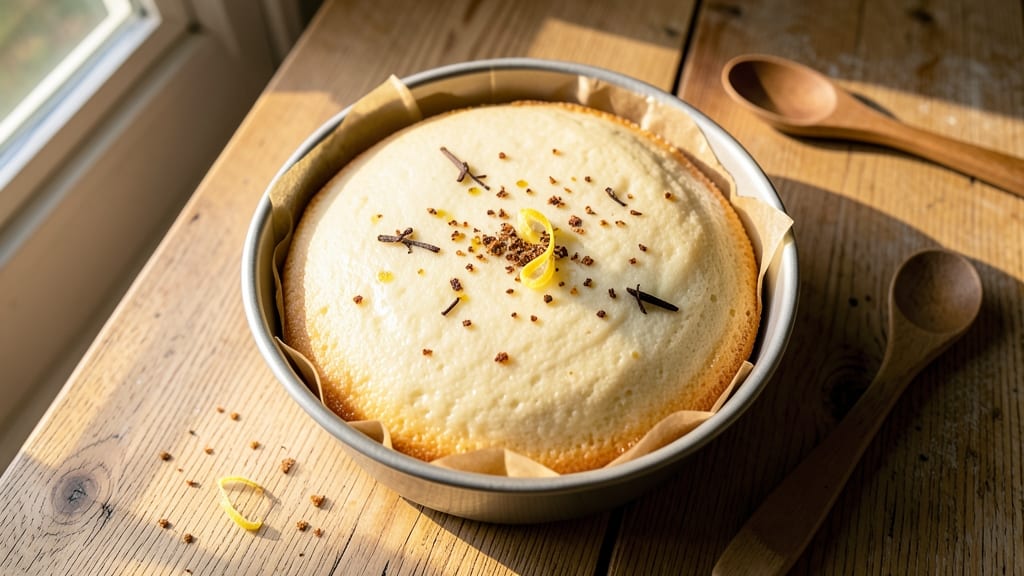
This simple sponge cake recipe delivers light-as-air layers using just 2 eggs and oil—no complicated techniques required. The secret lies in gentle folding and precise baking, ensuring a tender crumb that crumbles perfectly.
I've perfected this method over years of testing, and it consistently produces a cake so delicate it practically melts in your mouth.
What makes this recipe truly foolproof is the minimal ingredient list combined with a foolproof method. You'll need basic pantry staples like flour, sugar, and vanilla extract, plus the two eggs and oil that form the cake's signature airy structure.
The 350°F oven works magic, baking the cake evenly in about 25-30 minutes for a golden, domed top.
Once baked, you'll have a cake that's impossibly light yet sturdy enough to slice cleanly. The texture is fluffy and tender, with a subtle sweetness that lets any flavorings you add shine.
Dust with powdered sugar, layer with fresh berries, or serve with whipped cream—this cake adapts beautifully to any dessert occasion.
For extra flavor, add a teaspoon of lemon or orange zest to the batter, or fold in a tablespoon of jam for a fruity twist. The beauty of this recipe is its versatility—simple enough for beginners but impressive enough for special occasions. Let's get baking!
Ingredients for simple sponge cake recipe with 2 eggs and oil
Six essential ingredients create this effortlessly light sponge cake—perfect for beginners and seasoned bakers alike.
| Ingredient | Amount | Notes |
|---|---|---|
| All-Purpose Flour 🌾 | 1 ½ cups | Sifted for lightness (spooned, not scooped) |
| Granulated Sugar 🍚 | 1 ¼ cups | Superfine preferred for even dissolving |
| Large Eggs 🥚 | 2 whole | Room temperature for best volume |
| Vegetable Oil 🫒 | ½ cup | Light, neutral flavor preferred |
| Pure Vanilla Extract 🌿 | 1 tbsp | High-quality, alcohol-free if preferred |
| Baking Powder 🍞 | ½ tsp | Freshly opened for proper leavening |
| Salt 🧂 | ¼ tsp | Fine sea salt for balanced flavor |
| Unsalted Butter 🧈 | ¼ cup | Cold, cubed for proper melting |
| Whole Milk 🥛 | ¼ cup | Room temperature for smooth batter |
| Powdered Sugar 🍚 | ¼ cup | For dusting finished cake |
| Lemon Zest 🍋 | 1 tsp | Optional, for bright citrus note |
The flour is the foundation, so King Arthur or Gold Medal brands work best—they absorb moisture consistently. Sift it first to eliminate lumps and incorporate air, which is critical for that signature lightness. Sugar matters too: superfine sugar dissolves faster, creating a smoother texture, but regular granulated works in a pinch. For the eggs, room temperature is non-negotiable—they'll whip to maximum volume, giving you those airy layers. Store-bought eggs from the refrigerated case are fine, but let them sit out for 30 minutes before using. The vegetable oil should be light and neutral; Crisco or generic brands work perfectly for this recipe.
No vanilla extract? A teaspoon of vanilla bean paste adds depth, or even a scratch-made vanilla sugar (simmer vanilla bean in sugar) works beautifully. Baking powder must be fresh—test it by mixing with water; if it fizzes vigorously, it's good. Salt is easy to overlook, but Diamond Crystal kosher salt ensures proper flavor balance without overpowering. The butter should be cold when added—European-style butter like Plugra melts more cleanly. For the milk, whole milk provides richness, but 2% or even almond milk works if you're watching fat content. The lemon zest is optional but elevates the flavor—organic lemons from the grocery store work fine, just avoid the white pith.
Store the flour in an airtight container to prevent absorption of odors. Sugar will keep indefinitely, but vanilla extract lasts about 3 years unopened. Once baked, the cake stays fresh for 2 days at room temperature, wrapped in plastic. For longer storage, slice and freeze portions for up to 3 months—thaw at room temperature before serving. The powdered sugar should be kept in a sealed container to prevent clumping, and lemon zest can be frozen in ice cube trays for up to 6 months. This cake reheats beautifully: wrap a slice in foil and warm in a 350°F oven for 5 minutes to restore its softness.
Why You'll Love This Recipe
- Uses what you already have: flour, sugar, eggs, and a splash of vanilla. I’ve made this with store-brand oil too, and no one ever guessed the difference.
- No Mixer Needed: I swear by this recipe when my stand mixer takes a vacation. Whisking eggs, sugar, and oil by hand gives that light, airy texture—no fancy equipment required.
- Butter-Soft Crumb: That vanilla-infused oil? It’s the secret weapon. The cake stays moist for days without tasting greasy, and the sugar caramelizes just enough to give every bite a subtle sweetness.
- Weeknight Magic: Slice it fresh for breakfast or pack it for lunch—it’s my go-to when I need something effortless. Honestly, I’ve even frosted half and eaten the rest plain. No judgment.
Step-by-step instructions for light-as-air sponge cake
Master this foolproof technique for tender layers that rise effortlessly without overmixing.
Prepare Your Equipment and Sift Dry Ingredients
Preheat your oven to 350°F and position a rack in the center position. Grease two 8-inch round cake pans with the 0.25 cup unsalted butter, then line the bottoms with parchment paper. This prevents sticking and ensures clean release.
In a medium bowl, sift together the 1.5 cups all-purpose flour, 0.5 tsp baking powder, and 0.25 tsp salt. Sifting incorporates air and prevents dense layers. Use a fine-mesh sieve for best results, tapping gently to break up any flour clumps. Set aside until ready to combine.
Cream Eggs and Sugar Until Pale and Tripled
In a separate large bowl, combine the 2 whole large eggs and 1.25 cups granulated sugar. Using an electric mixer on medium-high speed, beat for 5-7 minutes until the mixture becomes pale yellow and nearly triples in volume. You'll notice the batter thicken and form soft peaks when the beaters are lifted.
This step is critical—properly creamed eggs incorporate maximum air, which creates the signature light texture. Stop beating when the mixture holds its shape but still flows slightly when the beaters are tilted. Overbeating leads to dense, rubbery cake.
Alternate Adding Dry Ingredients and Wet Ingredients
With the mixer on low speed, gradually add one-third of the sifted dry ingredients, mixing just until combined. Then add half of the 0.5 cup vegetable oil and 0.25 cup whole milk, mixing on low speed for 10 seconds after each addition. Repeat this process, ending with the remaining dry ingredients.
This alternating method ensures even distribution of ingredients without developing gluten. After the final addition, add the 1 tbsp pure vanilla extract and 1 tsp lemon zest, mixing on low speed for 20 seconds until just combined. The batter should be smooth with no visible flour streaks.
Divide and Bake for Even Layers
Divide the batter evenly between the prepared cake pans, spreading it out to the edges to create level tops. Bake for 25-30 minutes until a toothpick inserted into the center comes out clean and the tops spring back when gently pressed. Rotate the pans halfway through baking for even browning.
Watch closely during the last 5 minutes of baking—sponge cakes can go from perfect to overdone quickly. The edges should be lightly golden while the centers remain pale. Let the cakes cool in the pans for 10 minutes before transferring to a wire rack to cool completely.
Dust with Powdered Sugar and Assemble
Once completely cooled, dust the tops of each cake layer with 0.25 cup powdered sugar using a fine-mesh sieve. This creates a delicate finish that enhances presentation. For assembly, place one layer on a serving plate and spread a thin layer of your preferred filling (such as lemon curd or whipped cream) if desired.
Place the second layer on top and gently press down. Dust with additional powdered sugar and serve immediately. The cake should be light enough to hold just a light dusting of powdered sugar without collapsing, with tender crumbs that melt in your mouth.
Pro Tips For Making Simple Sponge Cake Recipe With 2 Eggs And Oil
- Mix Eggs and Sugar Slowly: I learned this the hard way—dumping sugar into eggs at once makes a sticky mess. Instead, add sugar gradually while beating, about 30 seconds per tablespoon. This keeps the batter light and airy, not dense.
- Use Room-Temperature Eggs: Cold eggs from the fridge won’t blend smoothly and can make your cake gummy. Take them out 30 minutes before baking—yes, even if you’re impatient like me. The batter will come together faster and whip up fluffier.
- Don’t Overmix the Batter: After folding in the flour, stop as soon as it’s just combined. Overmixing develops gluten, which turns your delicate sponge into a tough, chewy brick. Two turns with a spatula is all you need—less is more here.
- Grease and Flour the Pan Properly: Skip the shortcut of just spraying oil—it doesn’t coat evenly. Use a pastry brush to spread a thin layer of vegetable oil, then dust with flour, tapping out the excess. This guarantees your cake won’t stick, even if you’re not a pro at lining pans.
Storing and reheating this recipe
Room Temperature Storage
Your freshly baked sponge cake stays fresh for up to 2 days at room temperature when stored properly. Place it on a wire rack inside an airtight container with a piece of parchment paper between layers to prevent sticking.
I like using clear plastic containers with snap-on lids—they let you see the cake while keeping moisture in. Avoid refrigerating unless you're planning to store it for longer than 2 days, as the cold can make the crumb dry out faster. 🌟
Refrigerator Refresh
If you need to store the cake for 3-4 days, refrigerate it wrapped tightly in plastic wrap or aluminum foil. The cold air will slow down staling, but the texture will become slightly denser.
To revive it, let the cake sit at room temperature for 10-15 minutes before serving. For extra moisture, brush the top with a simple syrup (equal parts water and sugar, heated until dissolved) before serving.
Freezer-Friendly Slices
Slice the cake before freezing for the best results. Wrap individual slices tightly in plastic wrap, then place them in a freezer bag with all the air squeezed out. This method prevents freezer burn and keeps the cake moist for up to 3 months.
When ready to serve, thaw at room temperature for 1-2 hours or warm in a 350°F oven for 5 minutes wrapped in foil to restore its softness.
Reheating for Softness
If your cake has dried out, reheating is the easiest fix. Wrap a slice in aluminum foil and warm in a 350°F oven for 5-7 minutes. The heat will restore moisture without overcooking the edges.
For a quicker option, microwave the slice on medium power for 10-15 seconds, then let it sit for 30 seconds to redistribute the heat. This works best for single servings and keeps the cake tender.
Reviving Stale Cake
Even if your sponge cake has gone stale, you can bring it back to life with a few simple tricks. Place slices between damp paper towels and microwave for 15-20 seconds to rehydrate.
For a more dramatic fix, brush the cake with a light syrup (like 1 tbsp water + 1 tsp sugar) and let it absorb for 5 minutes. This method works wonders for layer cakes and keeps the texture light and fluffy. 💫
Nutrition facts
Frequently asked questions
Why does this sponge cake use oil instead of butter?
Oil creates a more tender, moist crumb that's perfect for delicate sponge cakes. Unlike butter, it doesn't need to be creamed with sugar, making this method simpler and more foolproof. The neutral flavor lets other ingredients shine while keeping the texture impossibly light. For extra richness, you could substitute half the oil with melted butter.
Can I make this cake without an electric mixer?
Use a sturdy whisk and strong arm to beat the eggs and sugar by hand for 8-10 minutes until pale and thick. For the dry ingredients, fold them in gently with a rubber spatula. The key is patience—work in short bursts to avoid overmixing. This method takes more effort but produces the same light texture when done carefully.
What if my cake turns out dense instead of light?
Overmixing is the most common cause. Stop folding as soon as all ingredients are combined—lumps are better than tough cake! Also check your baking powder (must be fresh) and baking time (don't overbake). For next time, try sifting the flour more thoroughly and whipping the eggs just until they hold soft peaks. A dense cake can sometimes be revived by brushing with simple syrup.
How can I add flavor without changing the texture?
Stick to liquid or powdered flavorings that won't add moisture or fat. Try 1 tsp citrus zest (lemon, orange, or lime), 1 tbsp jam (folded in at the end), or ½ tsp almond extract. For chocolate lovers, melt 1 oz dark chocolate, cool slightly, then fold into the batter. Avoid adding fruit chunks—they can make the cake too heavy.
Can I bake this in a different pan size?
Yes, but adjust baking time accordingly. For a 9-inch pan, reduce time by 3-5 minutes (check at 22 minutes). For a 6-inch pan, increase time by 5-7 minutes (check at 32-35 minutes). The key is to bake until the center springs back when touched. Line all pans with parchment to ensure easy release—this cake sticks when baked in bare metal.