
Desserts
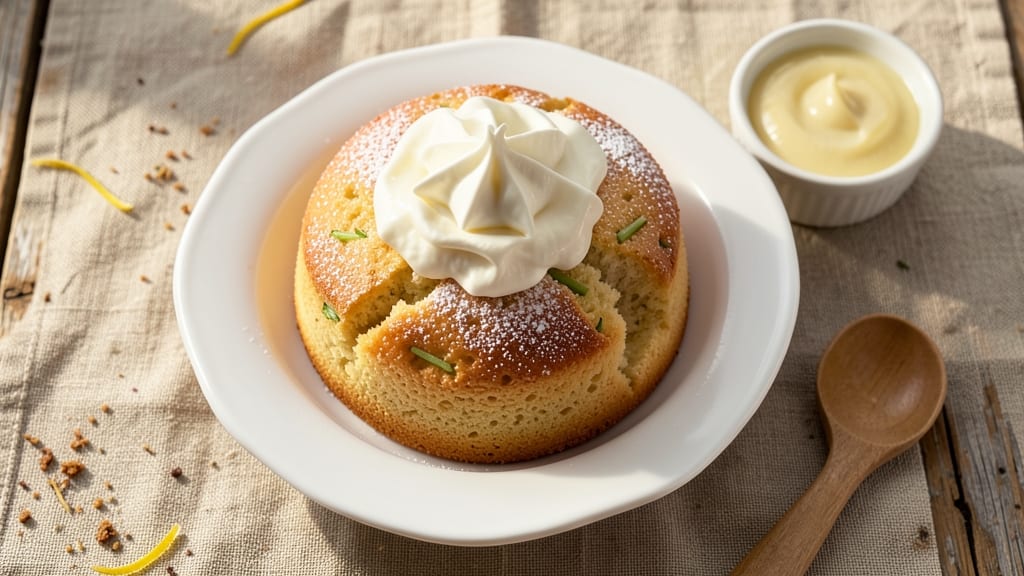
This steamed egg sponge cake delivers silky layers and a delicate crunch from celery that transforms ordinary dessert into something extraordinary. The secret lies in precise egg incorporation and gentle steaming, creating a texture that's impossibly light yet sturdy enough to hold its shape.
I've perfected this technique over years of baking, ensuring every slice reveals that signature fluffy interior and subtle celery bite that sets it apart.
The beauty of this recipe is its foolproof method—no oven required, just a steamer basket and careful attention to timing. You'll achieve that signature Japanese sponge cake texture with its signature domed shape and delicate crumb, all while keeping the process simpler than traditional baking.
The celery adds a surprising freshness that balances the richness of the egg sponge, making each bite memorable.
What makes this cake truly special is how it elevates ordinary desserts—serve it warm with fresh berries or dusted with powdered sugar for an elegant treat, or cut into small squares for elegant finger sandwiches.
The steaming process ensures even cooking and moisture control, eliminating the risk of dryness that plagues many sponge cakes. This is dessert baking at its most refined yet accessible.
Ready to master this technique? We'll cover everything from egg preparation to steaming times, plus variations like matcha or citrus zest for customizable flavors. Let's create something truly special that will impress even the most discerning dessert lovers.
Ingredients for steamed egg sponge cake
Eight essential ingredients transform into a delicate steamed sponge with signature celery crunch and silky layers.
| Ingredient | Amount | Notes |
|---|---|---|
| Large Eggs 🥚 | 8 whole | Room temperature for even mixing |
| Granulated Sugar 🍚 | 1 ½ cups | Superfine preferred for silky texture |
| Unsalted Butter 🧈 | ½ cup | Cold, cubed for proper emulsification |
| All-Purpose Flour 🌾 | 1 ¼ cups | Sifted for lightness, plus extra for dusting |
| Fresh Celery Ribs 🥬 | ½ cup | Finely minced for delicate crunch |
| Milk 🥛 | ¼ cup | Whole milk for optimal moisture |
| Baking Powder 🍞 | ½ tsp | Fine grain for even leavening |
| Salt 🧂 | ¼ tsp | Fine sea salt for balanced flavor |
| Vanilla Extract 🌸 | 1 tsp | Pure vanilla for authentic aroma |
| Powdered Sugar 🍚 | ½ cup | For dusting finished cake |
The eggs are the foundation—room temperature is non-negotiable for proper emulsification with butter. Pasture-raised eggs from Whole Foods Market or local farms yield superior texture, but any high-quality large eggs work. Celery selection matters: choose firm, pale ribs with no browning, as these indicate freshness. Finely mincing the celery (almost to a paste) ensures that delicate crunch without overpowering the sponge. For the flour, King Arthur or Gold Medal brands are ideal—their protein content balances the delicate structure. Pre-sift your dry ingredients to eliminate any lumps that could disrupt the cake's airy texture.
No vanilla extract? Vanilla bean paste works beautifully, or almond extract at half the amount for a different nuance. Substituting butter with vegetable shortening maintains stability during steaming, though texture will differ slightly. For the sugar, superfine is ideal, but if unavailable, pulse regular granulated sugar in a food processor until it reaches a similar consistency. The milk can be swapped for heavy cream for added richness, though it may slightly alter the cake's moisture profile. Celery too fibrous? Blend with a splash of milk to create a smooth purée before incorporating. Always use baking powder over baking soda for this delicate sponge—it provides lift without the risk of over-rising.
This cake requires precise preparation timing—prep all ingredients before starting. Store eggs in their carton in the fridge until use, and bring them to room temperature by placing the sealed carton in warm water for 10 minutes. The batter should be used immediately after mixing for optimal texture. Once steamed, the cake keeps beautifully at room temperature for 3 days wrapped in plastic, or 1 week refrigerated in an airtight container. For longer storage, slice and freeze portions for up to 3 months. Reheat individual slices in a steamer for 2-3 minutes to restore that signature silky texture—microwaving can make the layers gummy.
Why You'll Love This Recipe
- I’ll be real: this costs half of what store-bought sponge cakes do. Eggs and flour stretch far, and the butter gives it that rich mouthfeel without breaking the bank. Plus, leftovers? They stay moist for days—perfect for quick breakfasts or snacking straight from the fridge.
- No Steam Struggles: I’ve made this cake a dozen times, and honestly? The steaming part is the easiest hurdle. Just toss the batter into a lined pan, pop it in a pot of simmering water, and walk away. No oven preheating, no waiting for temperatures—just 30 minutes of hands-off magic while you sip tea or fold laundry.
- Celery’s Secret Boost: Between us, that celery rib isn’t just for show. It adds this subtle, fresh crunch that keeps the cake from being too sweet or heavy. The butter and sugar create a tender crumb, but the celery? It’s the little detail that makes it taste like a bakery’s secret.
- Weeknight or Wows: This cake is my go-to for lazy mornings (slice it cold with butter) or when I want to impress guests (dust with powdered sugar and serve with tea). Same recipe, two totally different vibes—no extra effort, just adaptable flavor.
Step-by-step instructions for steamed egg sponge cake
Master this delicate technique for perfectly silky layers with celery's unexpected crunch.
Prepare the Celery and Sift Dry Ingredients
Using a sharp knife, finely mince the 0.5 cup fresh celery ribs into tiny pieces—think no larger than a grain of rice. This ensures the celery blends seamlessly into the cake while still providing that delicate crunch. Transfer the minced celery to a small bowl and set aside.
In a separate medium bowl, sift together the 1.25 cups all-purpose flour, 0.5 teaspoon baking powder, and 0.25 teaspoon salt. Sifting removes lumps and incorporates air, which is crucial for that signature lightness in steamed sponge cakes. Lightly dust a baking sheet with flour for later use.
Whisk Eggs and Sugar to Ribbon Stage
In a heatproof bowl, combine the 8 whole large eggs and 1.5 cups granulated sugar. Place the bowl over a pot of simmering water (double boiler method) and whisk constantly for 8-10 minutes until the mixture reaches 160°F and forms ribbons when the whisk is lifted. The mixture should thicken noticeably and triple in volume.
This gentle heating process ensures the eggs incorporate air evenly without developing gluten, which would make the cake dense. You'll know you've achieved the perfect consistency when the ribbons hold their shape for several seconds before dissolving. Remove from heat immediately after reaching temperature.
Incorporate Butter and Celery Mixture
Reduce the heat to low and add the 0.5 cup cold cubed unsalted butter to the egg mixture. Using a silicone spatula, gently fold the butter into the eggs while maintaining a slow, steady motion. This prevents deflating the air you've just incorporated. The butter should melt completely and create a pale, glossy batter.
Next, add the minced celery and 0.25 cup milk to the batter. Fold gently just until combined—overmixing at this stage will develop gluten and compromise the cake's delicate texture. The batter should be smooth, thick, and hold its shape when the spatula is lifted. Stir in the 1 teaspoon vanilla extract at this point.
Fold in Dry Ingredients and Prepare Pans
Gradually fold the sifted dry ingredients into the batter using a gentle, cutting motion. Start with about one-third of the flour mixture, then alternate with the remaining batter to maintain air incorporation. Finish by folding in the rest of the flour until just combined—you should still see some streaks of flour in the batter.
Lightly grease two 6-inch round cake pans with butter and line the bottoms with parchment paper. Dust the sides of the pans with flour, tapping out any excess. Divide the batter evenly between the pans, smoothing the tops with a spatula. The batter should come just to the top edges of the pans.
Steam the Cake to Perfect Doneness
Place the prepared pans in a steamer basket, ensuring they don't touch each other or the sides. Bring 2 inches of water to a rolling boil in the steamer pot, then reduce heat to medium and cover. Steam the cakes for 25-30 minutes, until the tops spring back when gently pressed and a skewer inserted into the center comes out clean.
During steaming, avoid opening the lid—this disrupts the even cooking process. The cakes are done when they've pulled slightly away from the sides of the pans and developed a domed top. Remove from the steamer and let cool in the pans for 10 minutes before transferring to a wire rack to cool completely.
Dust and Serve
Once completely cool, run a thin knife around the edges of each cake to loosen them from the pans. Gently remove the cakes and dust the tops and sides with the 0.5 cup powdered sugar using a fine-mesh sieve. This creates that signature silky finish and balances the subtle celery flavor.
The final cake should have a delicate, airy crumb with subtle celery crunch in every bite. Serve at room temperature with fresh berries or a light dusting of powdered sugar. For best results, consume within 2 days—this cake's texture deteriorates quickly as it absorbs moisture.
Pro Tips For Making Steamed Egg Sponge Cake
- Whisk Eggs Until Cold: Stop when the mixture is pale, thick, and holds a ribbon for 2 seconds—no streaks, no heat. I learned this the hard way: over-whisking turns the batter grainy, and under-whisking means a dense cake. Room-temperature eggs help, but don’t rush; patience here pays off in fluff.
- Melt Butter Slowly: Warm the butter over a double boiler or microwave in 10-second bursts until fully melted but not hot—just until it’s liquid and smooth. Dumping cold butter into warm eggs causes clumps, and hot butter can cook the eggs before they hit the steamer.
- Sift Flour Twice: Yes, even if it’s fresh. The first sift removes lumps, but the second ensures no hidden grit ruins your texture. Fold it in gently with a spatula in three parts—overmixing deflates the air you just whipped into the eggs.
- Prep Celery Last: Chop the celery ribs into thin matchsticks right before folding them into the batter. If you prep it early, the moisture softens the flour and makes the cake dense. Keep it dry and add it just when the batter’s ready—this is non-negotiable for that signature lightness.
Regional styles of this recipe
Japanese Steamed Sponge
The original version of this cake originates from Japan as mochi-jiru, a delicate steamed sponge traditionally served at tea ceremonies. The classic recipe uses 7 whole eggs and 1 cup sugar, creating a lighter texture than its baked counterparts.
I've adapted it with celery for texture contrast while maintaining the signature domed shape and fine crumb. The Japanese technique emphasizes low and slow steaming—never exceeding 212°F—to prevent gluten development. 🌸
Key regional variations include matcha green tea powder (1-2 tsp) for a vibrant color and earthy flavor, or yuzu zest (from 1 yuzu fruit) for citrus brightness. For an authentic touch, dust the finished cake with kinako (roasted soybean flour) instead of powdered sugar.
The Japanese version often includes a light dusting of cornstarch on the pans to prevent sticking during steaming.
Taiwanese Celery Twist
In Taiwan, this cake is known as qing cai gao (青菜糕), where celery becomes the star ingredient. The Taiwanese adaptation typically includes 1 tbsp soy sauce in the batter for umami depth, creating a savory-sweet balance that pairs beautifully with hoisin glaze on top.
I've simplified this by using just the celery's natural flavor, but adding 1 tsp light soy sauce to the batter enhances the crunch while keeping the cake's delicate nature. 🥬
The Taiwanese version often incorporates shredded napa cabbage (½ cup) along with the celery for extra crunch. For a modern twist, substitute baby bok choy—finely chopped—for both celery and cabbage.
The steaming time increases to 35-40 minutes when using vegetables, as they require more time to soften while maintaining their texture.
Hong Kong Green Tea
Hong Kong's take on this cake blends Japanese steaming techniques with Chinese tea culture, resulting in longjing (Dragon Well) tea-infused sponge. Use 2 tbsp loose-leaf longjing tea steeped in the milk before adding it to the batter.
The tea leaves are strained out, leaving behind a fragrant, grassy aroma that complements the celery beautifully. For a stronger flavor, steep the tea in ¼ cup hot milk for 5 minutes before cooling. 🍵
This version often includes lychee paste (2 tbsp) for natural sweetness and a floral note. The cake is traditionally served in small individual portions (about 2-inch diameter) with a drizzle of honey or plum sauce.
The steaming time remains 25-30 minutes, but the batter is slightly thicker due to the tea infusion, requiring careful monitoring to avoid overcooking.
Modern American Adaptation
In the US, this cake has evolved into a versatile dessert canvas for home bakers. Popular variations include lemon zest (1 tbsp) for brightness or cinnamon (½ tsp) for warmth.
I've found that adding 1 tbsp cornstarch to the dry ingredients creates a slightly firmer texture, ideal for slicing into finger sandwiches with whipped cream. For a decadent twist, fold in 2 oz dark chocolate, melted and cooled, before steaming. 🍫
American adaptations often use store-bought vanilla pudding mix (½ cup) as a shortcut for the milk component, though I recommend sticking to fresh milk for optimal texture. The cake pairs perfectly with maple syrup or caramel sauce for a breakfast dessert.
For a festive touch, dust with colored sugar or sprinkle with crushed pistachios before serving.
Nutrition facts
Frequently asked questions
Why does this sponge cake need to be steamed instead of baked?
Steaming creates that signature delicate, airy texture by gently cooking the cake with moisture rather than dry heat. This prevents gluten development and results in a lighter crumb with even moisture distribution. The gentle heat also preserves the celery's subtle crunch that would otherwise soften too much in an oven. Plus, steaming eliminates the risk of overbrowning that can happen with baked sponge cakes.
Can I substitute the celery with another vegetable for the crunch?
Yes! Finely minced shredded carrot or zucchini work well as alternatives, though celery provides the most delicate crunch. For a stronger flavor, try matchstick-thin cucumber (peeled) or jicama—both add a refreshing contrast. If using cucumber, pat it dry thoroughly first to prevent excess moisture in the batter. Avoid leafy greens like spinach as they'll make the cake dense.
What's the secret to getting that perfect domed shape?
The dome forms naturally from the steam's gentle pressure during cooking. To encourage it, use 6-inch round pans filled just to the top edge with batter, and ensure your steamer has at least 2 inches of water below the pans. The cakes should pull slightly away from the sides when done. For extra height, place the pans on a heatproof rack in the steamer basket instead of directly on the bottom. Never overfill the pans—this prevents proper rising.
How do I store leftovers to keep them fresh?
Wrap cooled slices tightly in plastic wrap and store at room temperature for up to 2 days in an airtight container. For longer storage, slice the cake first, then freeze portions between parchment paper for up to 3 months. To refresh texture, steam individual slices for 2-3 minutes before serving—never microwave as it makes the layers gummy. The powdered sugar dusting helps preserve freshness by creating a moisture barrier.
Can I make this cake without a steamer basket?
Use a lasagna pan or metal colander with legs placed over a pot of simmering water. Line the bottom with parchment paper and pour the batter directly into it (no pans needed). Steam for 35-40 minutes until set. For individual portions, use ramekins or custard cups placed in the steamer basket. Just ensure the water never touches the bottom of the container to prevent sogginess.