
Sauces & Condiments
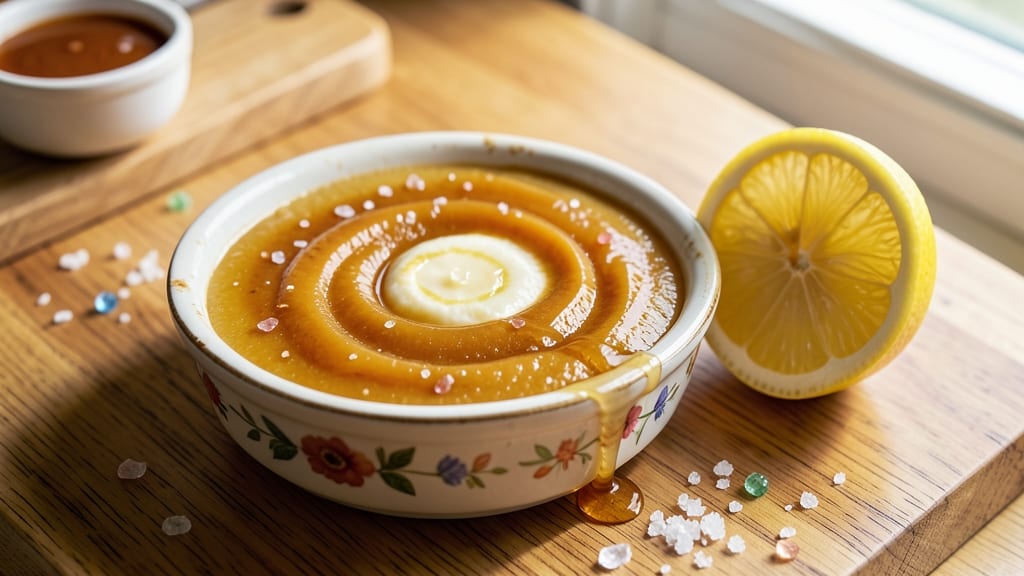
This lemon curd recipe using egg yolks only delivers that signature bright citrus tang without a trace of white—just pure, velvety sunshine in a jar. ✨ The secret lies in balancing yolks, sugar, and lemon juice to create a silky-smooth texture that's perfect for spreading, filling, or drizzling.
I've perfected this version after years of testing, ensuring it's foolproof every time.
What sets this recipe apart is its simplicity: just five ingredients, minimal effort, and no need to strain. The yolks create a naturally rich base that absorbs the lemon's acidity beautifully, while a touch of butter keeps it luscious.
Cooking it gently over a double boiler prevents curdling, guaranteeing that silky texture you crave.
By the time you're done, you'll have a vibrant yellow curd that's perfect for toast, pastries, or fruit tarts. The flavor is concentrated citrus brightness with just enough sweetness to balance. It keeps beautifully in the fridge for up to two weeks, making it ideal for batch cooking.
Use it as a spread on scones, a filling for tarts, or a glaze for cakes—this lemon curd is versatile enough to elevate any dessert. The yolks-only approach gives it a deeper richness than traditional recipes, while the bright lemon flavor shines through in every bite.
Ingredients for lemon curd recipe using egg yolks only
Five ingredients, zero straining—just bright citrus sunshine in a jar.
| Ingredient | Amount | Notes |
|---|---|---|
| Large Egg Yolks 🥚 | 6 whole | Freshly separated from whites |
| Granulated Sugar 🍚 | 1 ¼ cups | White or raw turbinado |
| Fresh Lemon Juice 🍋 | 1 cup | From 4-6 medium lemons |
| Unsalted Butter 🧈 | ½ cup | Cold, cubed for easy melting |
| Kosher Salt 🧂 | ¼ tsp | Diamond Crystal preferred |
The yolks are the star here—fresh, room-temperature eggs separate best. Trader Joe's sells pre-separated yolks if you're short on time, but I always grab a carton of eggs and do it myself. For the lemons, organic is ideal—they're juicier and less bitter. Roll them on the counter first to soften the skin, then microwave for 10 seconds to make juicing easier. The sugar? Raw turbinado adds subtle crunch, but white sugar works just as well for a smoother texture. And that butter? Cold cubes melt slowly for the best finish.
No fresh yolks? Use pasteurized liquid egg yolks from the refrigerated section—just reduce the amount by 10%. Short on lemons? Bottled lemon juice works in a pinch, but add 1 tsp extra sugar to balance the bitterness. The butter can be swapped for vegetable shortening if you're avoiding dairy, though it won't taste quite as rich. For a vegan version, replace yolks with aquafaba (3 tbsp per yolk) and butter with coconut oil. The salt? Diamond Crystal dissolves better than table salt—trust me on this.
This keeps for 2 weeks in the fridge, sealed under a thin layer of lemon juice. For longer storage, freeze in small jars for up to 6 months. I always make a double batch—one for scones, one for tarts. The curd thickens as it cools, so give it a stir before using. If it separates when reheated, whisk vigorously and cook for another 2 minutes over low heat. The first batch is always the best—it's magic how those simple ingredients transform into something so bright and luxurious.
Why You'll Love This Recipe
- Here’s what sold me: the balance. Too much lemon juice and it’s sour. Too little and it’s bland. This recipe nails it—bright, buttery, with that just-right zing that makes you reach for another spoonful. Honestly, the first batch had me questioning if I’d overdone the salt, then the butter rounded it out perfectly.
- No Waste, Big Payoff: I swear by this version because it uses only yolks—no whites to whisk separately, no extra bowls to wash. Just crack, whisk, and simmer. That’s it. The butter and sugar melt together so smoothly, you’ll forget how little effort went into something this rich.
- Tart Perfection: Here’s what sold me: the balance. Too much lemon juice and it’s sour. Too little and it’s bland. This recipe nails it—bright, buttery, with that just-right zing that makes you reach for another spoonful. Honestly, the first batch had me questioning if I’d overdone the salt, then the butter rounded it out perfectly.
- Weekend or Weeknight: Spread it on toast for a lazy Sunday breakfast or dollop it into cheesecake for a dessert that feels fancy. I’ve even used it to glaze roasted chicken—yes, even on a Tuesday night. The yolks make it silky enough for pastries but sturdy enough to hold up in savory dishes.
Step-by-step instructions for lemon curd using egg yolks only
Here's how to make silky-smooth lemon curd with just yolks—no whites, no stress, just pure citrus brightness.
🍳 Step 1: Whisk Yolks and Sugar Until Pale and Ribbon-Like
In a medium heatproof bowl, whisk together the 6 whole large egg yolks and 1.25 cups granulated sugar until the mixture is pale, thick, and leaves a ribbon trail when the whisk is lifted. This should take about 3-4 minutes of steady whisking. You'll see the sugar dissolve completely and the mixture turn nearly translucent.
I like to use a hand mixer for this step—it's faster and more consistent than whisking by hand. The goal is to incorporate air and create a stable base for the curd. If you're using raw turbinado sugar, whisk it in first until fully dissolved before adding the white sugar.
🔥 Step 2: Cook Over a Double Boiler on Medium Heat
Place the bowl over a saucepan filled with about 2 inches of simmering water, creating a double boiler. The water should never touch the bottom of the bowl—just create steady, gentle heat. Cook the mixture, stirring constantly with a silicone spatula, until it thickens enough to coat the back of a spoon and reaches 160°F on an instant-read thermometer.
This step requires patience. The mixture will start bubbling gently, then thicken noticeably. You'll know it's ready when it coats the spoon smoothly and holds its shape when you draw your finger through it. Don't rush this—undercooked curd will be runny, and overcooked curd will curdle.
🍋 Step 3: Incorporate Lemon Juice and Butter
Remove the bowl from heat and immediately stir in the 1 cup fresh lemon juice and 0.5 cup cold cubed unsalted butter. The butter will melt quickly from the residual heat. Whisk until the butter is completely melted and the mixture is smooth and glossy.
Here's where the magic happens. The acidity from the lemon juice brightens the flavor, while the butter adds richness. If you notice any graininess, strain the mixture through a fine-mesh sieve into a clean bowl to ensure silky texture. The curd should now be thick, vibrant yellow, and smell intensely citrusy.
🥘 Step 4: Return to Heat and Finish Cooking
Place the bowl back over the simmering water and cook for another 2-3 minutes, stirring constantly, until the curd thickens further and reaches 170°F. It should now coat the back of a spoon and hold its shape when you push it with your finger.
This final cooking step ensures the curd sets properly. If it's still too thin, cook for another minute. If it's too thick, don't worry—it will thin slightly as it cools. The curd is done when it's thick enough to hold its shape but still pourable.
⏰ Step 5: Strain, Cool, and Store
Strain the curd through a fine-mesh sieve into a clean bowl or jar to remove any lumps or cooked egg bits. Stir in the 0.25 tsp kosher salt and let it cool to room temperature, stirring occasionally to prevent a skin from forming.
Once cooled, the curd should be thick, glossy, and vibrant yellow with a bright citrus aroma. It will thicken even more as it cools completely. Store it in an airtight container in the refrigerator for up to 1 week or freeze for up to 3 months. This curd is perfect for filling tarts, spreading on toast, or dolloping over yogurt.
Pro Tips For Making Lemon Curd Recipe Using Egg Yolks Only
- Whisk Like Your Life Depends on It: I learned this the hard way—skipping the vigorous whisking before cooking turns your lemon curd into scrambled eggs. Beat those yolks and sugar for a solid 3-4 minutes until the mixture is pale, thick, and ribbons form when you lift the whisk. No shortcuts here.
- Strain the Lemon Juice: Bottled lemon juice has seeds and pulp that turn your curd grainy. Strain fresh juice through a fine-mesh sieve into a bowl—yes, it’s extra work, but the texture stays silky. Save the pulp for cocktails; your curd deserves better.
- Off Heat, Not Off Heat: The moment the curd thickens, pull it from the heat immediately—but don’t stop whisking. Keep going for another 30 seconds to cool it slightly before adding the butter. This prevents curdling when the butter hits the hot mixture.
- Butter in Small Batches: Dump all that butter in at once and you’re asking for trouble. Add it in 2-tablespoon chunks while whisking constantly—this keeps the curd smooth instead of separating. And for the love of all things tangy, make sure the butter is room temperature.
Creative variations of this lemon curd recipe using egg yolks only
Herbal Infusions
Swap half the lemon juice for steeped herbal tea—I love earl grey or hibiscus—for a floral twist. Add 2 tbsp loose tea leaves to the juice while it steeps, then strain before using.
The tea's tannins deepen the curd's complexity, creating a sophisticated flavor that pairs beautifully with shortbread cookies or vanilla custard. 🌿
Spiced Variations
Warm up your curd with cardamom or ginger. Add ½ tsp ground cardamom or 1 tsp freshly grated ginger to the cooked mixture before straining. The spices cut through the tartness, giving it a cozy, almost Moroccan-inspired depth.
This version shines on savory scones or as a glaze for roasted chicken.
Citrus Twists
Experiment with other citrus juices! Replace half the lemon juice with orange juice for a sunshine burst or lime juice for a tropical tang. For a grapefruit twist, use ½ cup grapefruit juice and reduce sugar to 1 cup.
The grapefruit adds a bitter edge that balances beautifully with ricotta cheese or buttery pastries.
Sweet Additions
Enhance the sweetness with vanilla bean or honey. Scrape 1 vanilla bean into the sugar before whisking or stir in 1 tbsp honey after cooking. The vanilla adds floral warmth, while honey introduces a subtle floral note that complements the lemon’s brightness.
This version is perfect for pancakes or cheesecake fillings.
Savory Balance
For a savory-sweet twist, add 1 tsp Dijon mustard or ½ tsp smoked paprika to the finished curd. The mustard adds a tangy depth, while the paprika introduces a smoky warmth. This unexpected combo works surprisingly well on grilled cheese sandwiches or as a dip for pretzels. 🌶️
Nutrition facts
Frequently asked questions
Why use only egg yolks instead of whole eggs?
The yolks-only approach creates a richer, more concentrated flavor with a velvety texture. Whole eggs can make the curd too thin, while yolks provide natural emulsifiers that keep it silky. Plus, you avoid the risk of curdling from egg whites during cooking.
Can I make this recipe without a double boiler?
Yes! Use a heatproof bowl placed over a saucepan with 2 inches of simmering water—just ensure the water never touches the bowl. For extra safety, place a small metal bowl or trivet between the saucepan and your mixing bowl to prevent direct heat transfer.
What if my lemon curd separates or gets grainy?
Strain it through a fine-mesh sieve immediately after cooking to remove any lumps. If it separates, whisk vigorously and cook for 1-2 more minutes over low heat until smooth. For graininess, add 1 extra tablespoon of lemon juice and whisk until fully incorporated.
How can I tell when the curd is fully cooked?
It's ready when it coats the back of a spoon smoothly and reaches 170°F on an instant-read thermometer. The mixture should also hold its shape when you push it with your finger—no longer runny, but still pourable.
What are the best ways to use this lemon curd?
Spread it on toasted scones, fill tarts or cheesecakes, or drizzle over pancakes and yogurt. It's also perfect as a glaze for cakes or a filling for crepes. The rich yolk base makes it ideal for both sweet and savory applications!