
Breakfast & Brunch
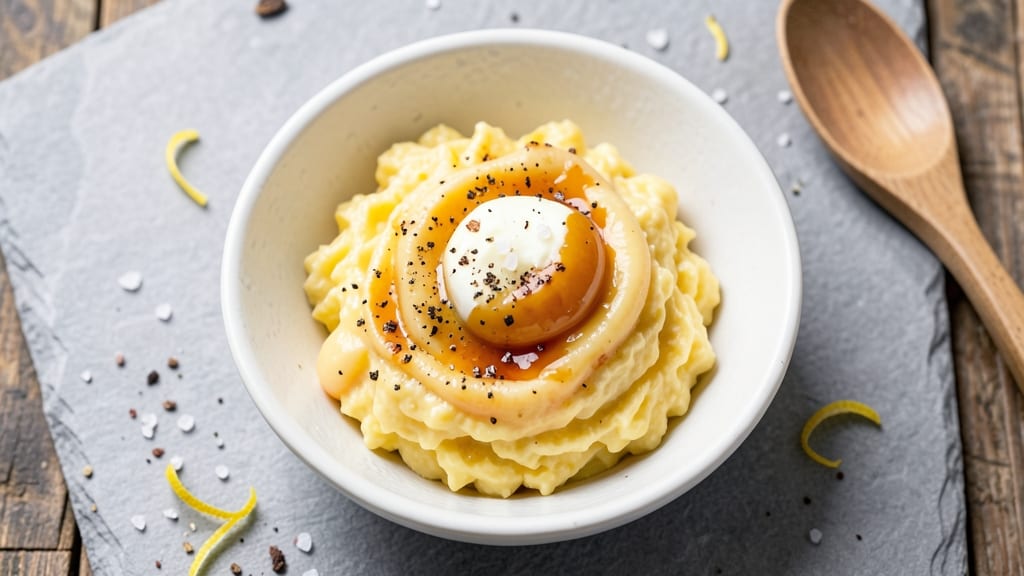
Two-egg scrambled eggs are the perfect breakfast—creamy, buttery, and ready in just 5 minutes without a single rubbery bite. The secret lies in low-and-slow cooking, gentle whisking, and the right amount of butter to create that signature velvety texture. I’ve perfected this method after years of trial and error (and a few too many overcooked batches), so you’ll get it right the first time.
This recipe starts with fresh eggs whisked to a silky consistency, seasoned simply with salt and pepper, and cooked in a nonstick pan over low heat. The butter isn’t just for flavor—it coats each egg gently, preventing dryness while adding richness.
Most importantly, constant stirring keeps the curds small and tender, not tough. No flipping or high heat required; just patience and attention.
What you’ll end up with is a plate of golden, buttery scrambled eggs with a smooth, custard-like texture that melts on your tongue. The edges stay slightly runny for dipping toast, but the center remains perfectly set.
It’s the kind of breakfast that feels indulgent yet effortless—ideal for busy mornings or lazy weekends.
Once you master this base, you can customize it with cheese, herbs, or even a splash of cream. The method stays the same, but the possibilities are endless. Let’s get started—your perfect scrambled eggs are just minutes away.
Ingredients for 2 egg scrambled eggs
Five simple ingredients transform into velvety scrambled eggs with restaurant-quality texture.
| Ingredient | Amount | Notes |
|---|---|---|
| Large Eggs 🥚 | 2 whole | Freshly cracked, room temperature |
| Unsalted Butter 🧈 | 2 tbsp | European-style preferred for flavor |
| Diamond Crystal Kosher Salt 🧂 | ¼ tsp | Fine grain for even dissolving |
| Freshly Ground Black Pepper 🌶️ | ⅛ tsp | Cracked from whole peppercorns |
| Nonstick Skillet 🍳 | 1 whole | 8-inch, well-seasoned preferred |
| Wooden Spoon 🪵 | 1 whole | Silicon or heatproof alternative |
| Heavy Cream 🥛 | 1 tbsp | Optional for extra richness |
| Fresh Chives 🌿 | 1 tbsp | Chopped, for garnish |
| Extra-Virgin Olive Oil 🫒 | ½ tsp | For pan coating if needed |
The eggs are non-negotiable—farm-fresh from the grocery store's refrigerated case beats carton eggs every time. For butter, Plugrá or European-style melts beautifully without burning. I grab mine from the specialty cheese counter at Whole Foods—it costs more but makes a world of difference. The nonstick skillet? All-Clad or Calphalon if you're investing, but any well-seasoned pan works. Pro tip: if your pan isn't nonstick, add a drizzle of olive oil before heating to prevent sticking. Salt and pepper should be freshly ground—pre-ground loses potency fast.
No heavy cream? Whole milk or even a splash of water works in a pinch, but you'll lose that luxurious mouthfeel. Short on chives? Fresh parsley or green onions add brightness too. The olive oil is your backup plan—only needed if your pan isn't nonstick or if you're cooking more than two eggs. For the pepper, black peppercorns cracked in a mortar taste best, but pre-ground works fine. And if you're feeling fancy, a pinch of smoked paprika adds depth without changing the texture. The key is keeping everything simple—no overcomplicating with too many add-ins.
Eggs keep best in the fridge for 3 weeks if stored pointy-end down. Butter stays fresh for 3 months in the pantry, but once opened, keep it sealed in the fridge. Prep your ingredients ahead: crack the eggs into a bowl, measure your butter, and chop your herbs. This method reheats beautifully—just add a splash of water and cover for 20 seconds in the microwave. For leftovers, store in an airtight container for up to 2 days—though honestly, they rarely last that long around here.
Why You'll Love This Recipe
- Two-Ingredient Magic: I swear by this—just eggs and butter, no extra fuss. Honestly, the only "cooking" is melting butter in a pan and letting the eggs do their thing. That’s it.
- Butter Perfection: The secret’s in the fat. Rich, melted butter coats every bite, giving you that creamy, velvety texture without a drop of oil. (Yes, even on a Tuesday night.)
- Breakfast Anywhere: Pack these for a quick office meal or toss them in a wrap for lunch. They’re my go-to when I need something fast but still feels like a proper breakfast.
- Budget Breakthrough: Two eggs? That’s less than $1 for a filling, protein-packed meal. No waste, no guilt—just pure, simple satisfaction when my wallet’s tight.
Step-by-step instructions for perfectly silky scrambled eggs
Here's how to create restaurant-quality scrambled eggs with a velvety texture and rich flavor.
Prepare Ingredients for Maximum Freshness
Crack the 2 whole large eggs into a small bowl and whisk them vigorously until the yolks and whites are fully combined and the mixture is uniform in color. The eggs should be at room temperature for best results—this ensures even cooking. I like to let them sit out for about 10 minutes before starting.
While the eggs whisk, measure out the 2 tablespoons of unsalted butter and the 0.25 teaspoon of Diamond Crystal kosher salt. The European-style butter adds a subtle richness that makes all the difference in the final texture. Keep the freshly ground black pepper nearby—you'll add it just before serving to preserve its fresh, bright flavor.
Create the Perfect Cooking Surface
Place the 8-inch nonstick skillet over medium-low heat. Add the 0.5 teaspoon of extra-virgin olive oil and swirl to coat the entire surface evenly. This light coating prevents sticking while allowing the eggs to develop that beautiful golden crust. Let the oil heat for about 30 seconds until it's just shimmering—you'll see tiny bubbles forming around the edges.
Once the oil is hot, add the 2 tablespoons of butter. Watch as it melts and begins to foam gently. This is your signal that the pan is ready. The butter should bubble softly but not brown—this creates the ideal fat content for silky eggs without overpowering the flavor. Keep the heat steady at medium-low throughout the cooking process.
Cook the Eggs with Gentle Technique
Pour the whisked eggs into the skillet. Immediately begin stirring gently with the wooden spoon, using small circular motions to distribute the eggs evenly. The key here is patience—let the eggs set slightly before stirring again. You'll notice they'll start to form soft curds within about 10-15 seconds.
Continue stirring gently for about 2-3 minutes total, until the eggs are just set but still slightly moist in the center. They should look creamy rather than dry or rubbery. This texture comes from the low heat and constant gentle movement. If you see any spots starting to brown too quickly, reduce the heat slightly to maintain even cooking throughout.
Finish with Cream and Season
When the eggs are nearly set but still slightly runny in the center, remove the skillet from heat. Add the 1 tablespoon of heavy cream and stir immediately to incorporate. The residual heat will gently cook the cream into the eggs, adding luxurious richness. This is where the magic happens—the cream creates that signature velvety texture that separates great scrambled eggs from good ones.
Return the skillet to the heat for just 10-15 seconds to warm through completely. Then remove from heat again and stir in the 0.25 teaspoon kosher salt and 0.125 teaspoon freshly ground black pepper. The salt should dissolve completely, and the pepper should be evenly distributed throughout. The eggs should be just warm through but still tender.
Serve Immediately with Fresh Garnish
Transfer the scrambled eggs to warmed plates and garnish immediately with the 1 tablespoon of chopped fresh chives. The chives add a bright, fresh contrast to the rich eggs and a pop of color. Serve while the eggs are still warm—this is when they're at their peak texture and flavor.
Each bite should be silky and tender with a slight sheen from the butter and cream. The eggs should be fully cooked but still moist, with no dry or rubbery spots. The chives should add a fresh, slightly onion-like brightness that cuts through the richness. Enjoy immediately for the perfect breakfast or brunch experience.
Pro Tips For Making 2 Egg Scrambled Eggs
- Whisk Like You Mean It: Crack those eggs into a bowl first, then whisk vigorously for 10-15 seconds until the whites are fully broken up and yolks are slightly frothy. I used to half-ass this step, and my scrambled eggs always ended up with weird, rubbery chunks—this ensures they cook evenly and stay tender.
- Use Half the Butter: Melt just ½ tablespoon of unsalted butter in your nonstick skillet over medium-low heat—enough to coat the bottom but not drown the eggs. More butter doesn’t mean better flavor; it just makes your eggs greasy and loses that perfect buttery richness.
- Pull Heat Before They Set: As soon as the eggs start to thicken (about 30-45 seconds after adding them), immediately reduce the heat to the lowest setting or remove the pan from the burner. High heat turns scrambled eggs into scrambled rubber—this keeps them creamy and custardy.
- Salt the Butter First: Toss in a pinch of kosher salt with the butter while it’s melting—this dissolves completely and seasons the eggs from the start. I learned this the hard way after adding salt at the end and ending up with uneven flavor. (Yes, even if you’re impatient like me.)
Best sauces and condiments for this recipe
Classic Hollandaise
This rich, buttery sauce is the ultimate companion to scrambled eggs—it elevates them from simple to luxurious. Start with 2 egg yolks and 1 tablespoon lemon juice whisked together over a double boiler with ¼ cup melted butter added gradually.
Keep the heat at low and whisk constantly until thickened to a glossy ribbon stage. The acidity from the lemon brightens the eggs' richness, while the butter adds velvety depth. 🍳
Spicy Sriracha Cream
For a kick, mix 2 tablespoons sour cream with 1 teaspoon sriracha and a pinch of salt. Dollop this over your eggs for a creamy, spicy contrast that cuts through the buttery texture.
I like to add a dash of hot honey for sweetness to balance the heat. This sauce is perfect for brunch or a quick lunch.
Pesto Swirl
Store-bought or homemade basil pesto adds a vibrant, herby flavor that pairs beautifully with eggs. Warm 1 tablespoon pesto in a small pan over low heat for 30 seconds, then swirl it into the finished scrambled eggs.
The garlic and pine nuts in pesto complement the eggs' richness without overpowering them. For extra flair, top with toasted pine nuts.
Cheesy Gruyère
Shave 2 tablespoons Gruyère cheese (or any melty cheese) into the eggs during the last 30 seconds of cooking. The cheese melts into the eggs, creating pockets of gooey goodness.
For added depth, stir in ½ teaspoon Dijon mustard to balance the richness. This sauce is ideal for a heartier breakfast or brunch plate.
Smoky Chipotle
Blend 1 tablespoon sour cream with ½ teaspoon adobo sauce (from canned chipotles) and a pinch of smoked paprika. This sauce adds a deep, smoky heat that pairs perfectly with the buttery eggs.
Drizzle it over the top or mix it in for a fully integrated flavor. The adobo sauce adds a subtle tang that keeps the dish from feeling too heavy.
Nutrition facts
Frequently asked questions
Why do my scrambled eggs turn out rubbery instead of creamy?
Rubbery eggs happen when they're overcooked or stirred too vigorously. Use low heat and stir constantly with a wooden spoon—just until the eggs are 80% set. Remove them from heat when they still look slightly wet in the center. The residual heat will finish cooking them perfectly without drying.
Can I make these scrambled eggs ahead of time?
Fresh is best, but you can prep them the night before! Cook as directed, then store in an airtight container in the fridge for up to 2 days. Reheat gently in a skillet over low heat with a splash of water or milk to restore moisture. Microwave reheating often makes eggs dry and rubbery.
What's the best way to cook eggs for two people?
This recipe is perfect for two servings—just follow the instructions exactly. For portion control, divide the eggs into two small plates (about 1 cup per person) while still warm. Serve with toast or fresh fruit for a complete meal. The 2-egg portion is ideal for a light breakfast or brunch side.
How do I adjust this for 4 eggs instead?
Double everything: use 4 tablespoons butter, 2 tablespoons heavy cream, and keep the heat at medium-low. Cook in batches if needed—overcrowding the pan will make the eggs steam instead of set properly. Stir gently but consistently for about 3-4 minutes total until just set.
Can I use salted butter instead of unsalted?
Yes, but reduce the added salt to ¼ teaspoon instead of ¼ teaspoon to avoid over-salting. Salted butter contains about ¼ teaspoon salt per tablespoon, so you'll need to adjust. European-style salted butter (like Plugrá) has less salt than American brands—check the label if you're unsure.