
Main Courses
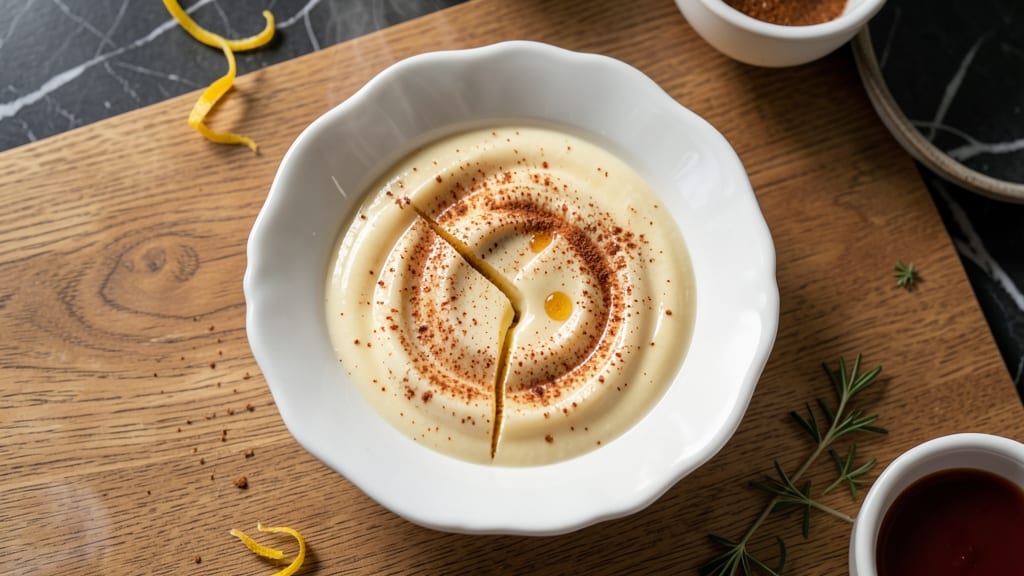
This vanilla custard recipe with egg yolks delivers velvety, spice-infused creaminess that transforms any dessert into something extraordinary. The secret lies in tempering the yolks just right—no curdling, just silky perfection—while infusing warm spices and vanilla for depth.
I developed this recipe after years of perfecting the balance between rich texture and subtle sweetness, ensuring every spoonful feels like a hug in dessert form.
What sets this custard apart is its foolproof method: slow cooking on the stovetop until thickened just enough to coat a spoon, then finishing with a touch of vanilla and spices for warmth. The result?
A custard so smooth it practically melts on the tongue, with just enough body to hold its shape when chilled. It’s the kind of recipe that makes you want to pause and savor each bite—no rushing, just pure indulgence.
Serve this custard warm with a sprinkle of cinnamon and a dollop of whipped cream, or chill it overnight for a refreshing parfait layered with berries.
The versatility is its best feature: use it as a filling for pastries, a topping for pancakes, or even a luxurious sauce for fruit tarts. This is comfort food at its finest, where technique meets simplicity to create something truly special.
Fair warning: once you master this custard, you’ll find yourself making it for every occasion—birthdays, holidays, or just because you deserve a little extra creaminess in your life. The process is straightforward, but the results are anything but ordinary. Let’s get started on creating your perfect bowl of vanilla custard.
Ingredients for vanilla custard recipe egg yolks
Six yolks, two cups milk, and a touch of spice—simple ingredients for extraordinary custard.
| Ingredient | Amount | Notes |
|---|---|---|
| Large Egg Yolks 🥚 | 6 whole | Fresh, room temperature preferred |
| Granulated Sugar 🍚 | ¾ cup | White or light brown |
| Whole Milk 🥛 | 2 cups | Full-fat for creaminess |
| Vanilla Extract 🌿 | 2 tsp | Pure vanilla, not imitation |
| Ground Cinnamon 🌶️ | ½ tsp | Freshly ground preferred |
| Ground Nutmeg 🌶️ | ¼ tsp | Freshly grated for best flavor |
| Salt 🧂 | ¼ tsp | Kosher or sea salt |
| Unsalted Butter 🧈 | 2 tbsp | Cold, cubed for finishing |
| Heavy Cream 🥛 | ½ cup | For optional whipped topping |
Egg yolks are the heart of this custard—fresh is key. Grab them from the back of the fridge an hour before cooking so they're room temp (no curdling!). Whole milk gives the richest texture, but 2% works too if that's what you've got. For the spices, Penzeys or bulk bins at Whole Foods have the freshest ground cinnamon and nutmeg—worth the extra penny. Sugar? Any white or light brown will do, but Turbinado adds a nice crunch if you're feeling fancy. I always double-check the vanilla extract label—imitation smells like artificial stuff.
No vanilla extract? Vanilla bean paste works great, or scrape seeds from a pod. Short on milk? Evaporated milk at half the amount thickens things up nicely. Want more warmth? Add a pinch of cardamom. The butter at the end is non-negotiable—it's what gives that luxurious finish. For the heavy cream topping, Trader Joe's has the best-priced stuff in those little cartons. If you're making this ahead, skip the cream until serving—it whips best fresh.
This custard tastes even better the next day, so make it ahead. Store in the fridge for up to 5 days—just reheat gently on low. For freezing, portion into small jars (it thickens more when frozen). The butter topping? Add it right before serving—melts into perfection when warmed. Leftovers? Perfect for pancake toppings or filling donuts. The spices mellow over time, so it actually gets better with age—just stir well before reheating.
Why You'll Love This Recipe
- No Whisk Arm Fatigue: I swear by the tempering method—just whisking yolks and sugar until pale, then slowly adding warm milk. It’s labor, but the result? Silky, never grainy. (And yes, I’ve tried the microwave shortcut—don’t.)
- Vanilla-Cinnamon Magic: That pinch of cinnamon? It’s the secret weapon. The vanilla’s warm, creamy depth gets a cozy lift, like a hug in dessert form. Honestly, I’ve made this for breakfast, snacks, and even drizzled over toast—it’s that good.
- Leftovers That Last: This custard thickens beautifully when chilled, so I make a big batch on Sundays. Spread it on pancakes all week or fold it into cheesecakes. No sad, watery leftovers here—just pure, rich versatility.
- Pantry Staple Luxury: Five ingredients, zero specialty items. The yolks add richness, the milk makes it luscious, and the sugar balances the vanilla’s sweetness. I’ll be real: it’s the kind of thing that makes me feel like I’m baking something fancy, even when I’m just standing at the stove.
Step-by-step instructions for warm vanilla custard
Here's how to make silky, spiced custard that's rich and comforting every time.
Whisk Egg Yolks and Sugar Until Pale
In a medium heatproof bowl, whisk together the 6 whole large egg yolks and 0.75 cup granulated sugar until the mixture becomes thick, pale yellow, and nearly doubles in volume. This should take about 3-4 minutes of vigorous whisking—you'll see ribbons form when you lift the whisk. The sugar helps emulsify the eggs and creates that signature custard texture.
I like to use a wire whisk for this step because it incorporates air more effectively than a fork. If you're using a stand mixer, work on medium speed to avoid creating too many air bubbles. The mixture should be smooth with no visible streaks of sugar remaining. This is your base, so take your time here—rushing leads to grainy custard.
Temper the Egg Mixture with Warm Milk
In a separate saucepan, heat the 2 cups whole milk over medium heat until it's steaming but not boiling—you should see small bubbles forming around the edges, and the milk should register about 160°F on an instant-read thermometer. This gentle warmth is crucial for tempering the eggs.
Slowly pour about ½ cup of the warm milk into the egg mixture while whisking constantly. This gradual addition prevents the eggs from scrambling. Once incorporated, continue whisking and add another ½ cup of milk. Repeat this process until all the milk is added. The mixture should be fully combined with no visible streaks of egg or milk. This tempering step ensures your custard cooks smoothly without curdling.
Add Spices and Return to Heat
Stir in the 2 teaspoons vanilla extract, 0.5 teaspoon ground cinnamon, 0.25 teaspoon ground nutmeg, and 0.25 teaspoon salt until fully dissolved. The spices should be evenly distributed, and the mixture should smell warmly aromatic. Return the bowl to the saucepan and place it over medium-low heat.
Stir constantly with a wooden spoon, keeping the mixture moving to prevent any bits from sticking to the bottom. You'll notice it starts to thicken after about 5-7 minutes—this is when it reaches the perfect custard consistency. It should coat the back of a spoon but still be slightly pourable. If it thickens too quickly, remove it from heat and stir in a splash of cold milk to loosen it.
Finish with Butter and Heavy Cream
Once the custard reaches 170°F and coats the spoon like thick pudding, remove it from heat. Immediately stir in the 2 tablespoons cold cubed unsalted butter and 0.5 cup heavy cream. The butter adds richness and prevents a skin from forming, while the heavy cream gives it a luxurious finish. Let the custard sit for 5 minutes to fully incorporate.
For the smoothest texture, strain the custard through a fine-mesh sieve into a clean bowl or pitcher. This removes any potential lumps and gives you that ultra-silky consistency. Taste and adjust seasoning if needed—sometimes the spices need a little more salt to balance their warmth. Serve warm, straight from the bowl, or chill for a creamy dessert sauce.
Pro Tips For Making Vanilla Custard Recipe Egg Yolks
- Whisk Yolks Like Mad: Beat those egg yolks and sugar together until the mixture is pale, thick, and almost ribbon-like—at least 2-3 minutes with a hand mixer or until the bowl gets noticeably warmer. I learned this the hard way: skipping this step means your custard will curdle faster than you can say "overcooked."
- Warm the Milk First: Heat the whole milk to just under simmering—around 160°F (71°C)—before tempering the yolks. Cold milk shocks the eggs and risks scrambling them, while milk that’s too hot can cook the yolks before they’re ready. A quick thermometer check saves more custards than you’d think.
- Temper Slowly, Strain Smart: Pour the warm milk into the yolk mixture in a thin, steady stream while whisking constantly—no ladling or dumping. Then, strain the whole mixture through a fine-mesh sieve before pouring it back into the pot. This removes any stray cooked bits and guarantees silky texture. (Yes, it’s extra work, but your custard will thank you.)
- Vanilla Matters—Use Real: Skip the imitation stuff and grab a small bottle of pure vanilla extract (or even better, scrape a vanilla bean). The difference in flavor is night and day, and a little goes a long way—start with 1 teaspoon, taste, then adjust. I was skeptical until I tried it, and now I refuse to go back.
Wine and beer pairings for this recipe
Warm Spice Pairings
This vanilla custard’s warm spices—cinnamon and nutmeg—pair beautifully with chai-spiced teas like Masala Chai from Tazo. The cardamom and ginger notes in the tea complement the custard’s warmth, creating a cozy dessert experience.
For a non-alcoholic option, try hot apple cider with a cinnamon stick—it’s like wrapping yourself in autumn flavors. 🍂
Wine Complements
A Moscato d'Asti from Italy brings light sweetness and bubbles that cut through the custard’s richness without overpowering it. I love Sutter Home Moscato for its affordability and perfect balance.
For something more robust, a late-harvest Riesling with its honeyed notes enhances the vanilla and spices beautifully. Avoid heavy reds—they’ll clash with the custard’s delicate texture. 🍷
Coffee Contrasts
For a morning treat, serve this custard with a dark roast coffee like Starbucks Sumatra or Peet’s Major Dickason’s Blend. The bitterness of the coffee balances the custard’s sweetness, while the spices in both create a harmonious flavor bridge.
If you prefer espresso, a cortado (equal parts espresso and steamed milk) keeps the custard’s creaminess from feeling too heavy. ☕
Beer Pairings
Surprisingly, a Belgian-style witbier like Hoegaarden works wonders—its citrusy notes and subtle spice mirror the custard’s vanilla and cinnamon. For a richer option, try a honey ale from New Belgium Brewing (like Sun King). Avoid hoppy IPAs or stouts, as their bold flavors will overpower the delicate custard. 🍺
Seasonal Adaptations
In summer, serve this custard chilled with sparkling lemonade (mix Sprite with fresh lemon juice) to refresh the palate. For winter, a mulled wine (like Barefoot Merlot) with cinnamon sticks adds warmth.
The key is balancing the custard’s richness with something light and refreshing—never heavy or overly sweet. ❄️
Nutrition facts
Frequently asked questions
Why do you need to temper egg yolks when making custard?
Tempering prevents the yolks from scrambling when exposed to heat. When you slowly add warm milk to the yolks while whisking, you gradually raise their temperature—this keeps the proteins stable and creates that signature silky texture. Skip this step, and you risk grainy or curdled custard. The key is patience: add milk in small increments while whisking constantly.
Can I make this custard without a thermometer?
Watch for visual cues: the milk should be steaming but not boiling when tempering the yolks, and the custard should thicken to a point where it coats the back of a spoon but still moves slowly. For extra assurance, test by dipping a spoon in cold water—if the custard forms a skin, it's ready. The ideal temperature is around 170°F, but visual cues work well with practice.
What if my custard gets too thick or curdles?
If it thickens too quickly, remove it from heat immediately and whisk in 1-2 tablespoons of cold milk to loosen it. For curdling, strain the mixture through a fine-mesh sieve to remove lumps, then return it to low heat while stirring constantly. The butter added at the end also helps smooth out any imperfections. Prevention is key—stir consistently and avoid boiling the milk.
How long can I store leftover custard?
Store in an airtight container in the fridge for up to 5 days. For longer storage, freeze in small portions (it thickens more when frozen). Thaw overnight in the fridge before reheating gently on low heat, stirring often. The flavors actually improve over time—just give it a good stir before serving. Avoid reheating in the microwave, as it can create a skin.
Can I substitute cream for milk in this recipe?
You can, but it will make the custard richer and slightly heavier. Use 1 cup milk + 1 cup heavy cream for a balance. The custard will have a thicker texture, so adjust the cooking time accordingly—it may reach the right consistency faster. For a lighter version, try half-and-half, but expect a less creamy result. The original recipe uses milk for its classic, smooth texture.