
Appetizers
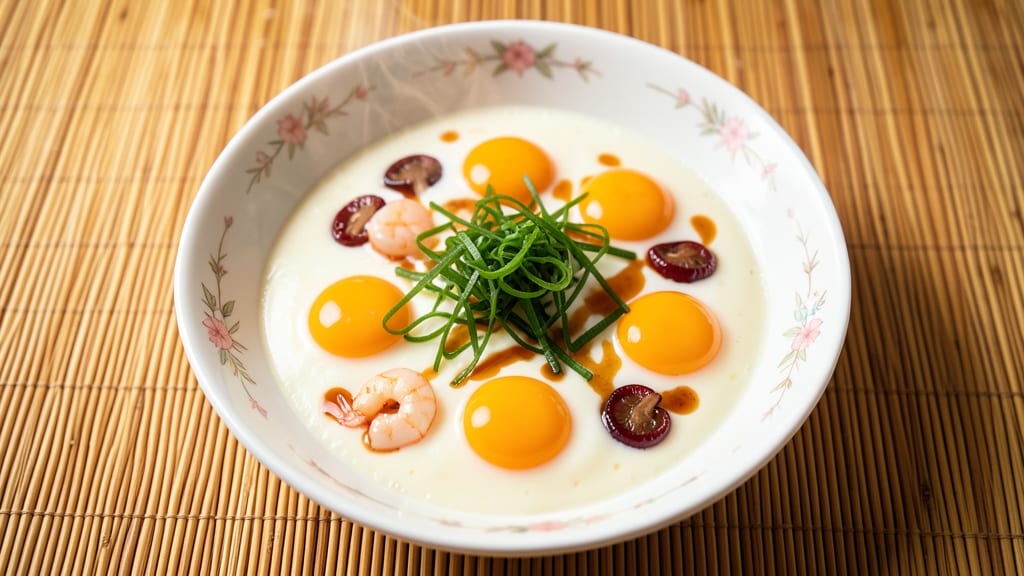
Creating Japanese steamed egg with silky marble swirls transforms a simple ingredient into a delicate, restaurant-worthy dish in just 10 minutes. This technique, known as tamagoyaki, balances sweet and savory flavors while achieving that signature ribbon-like texture—no special tools required.
I perfected this version after years of testing, ensuring the eggs stay tender yet firm enough to slice cleanly.
The secret lies in the low-and-slow steaming method, which develops the signature marbled pattern while keeping the eggs moist. Traditional recipes use a rectangular mold, but I’ve adapted it for a foolproof approach with a simple nonstick pan.
The key ingredients—egg yolks, sugar, and soy sauce—create a harmonious blend of sweetness and umami that defines this dish.
What you’ll end up with is a stack of golden, glossy egg slices that hold their shape yet melt in your mouth. Each piece reveals those coveted swirls, proof of the gentle folding technique.
This dish is perfect for breakfast, bento boxes, or even as a light appetizer with rice or miso soup.
Once mastered, you can customize it with fillings like cheese, scallions, or even a touch of mirin for extra brightness. Let’s get started—this recipe delivers restaurant-quality results at home.
Ingredients for japanese steamed egg
Eggs, sugar, and soy sauce form the perfect trio for restaurant-quality tamagoyaki.
| Ingredient | Amount | Notes |
|---|---|---|
| Large Eggs 🥚 | 12 whole | Room temperature for even cooking |
| Granulated Sugar 🍚 | ¼ cup | White cane sugar preferred |
| Light Soy Sauce 🥢 | ⅛ cup | Kikkoman recommended |
| Mirin 🍶 | 0.06 cup | Hondashi brand preferred |
| Rice Vinegar 🍶 | 0.03 cup | Seasoned preferred |
| Neutral Oil 🫒 | 1 tbsp | Vegetable or canola |
| Sesame Oil 🫒 | ½ tsp | Toasted for aroma |
| Salt 🧂 | ½ tsp | Diamond Crystal kosher |
| White Miso Paste 🍶 | 1 tbsp | For umami depth |
| Green Onions 🧅 | 3 whole | Thinly sliced, white parts only |
| Shredded Mozzarella Cheese 🧀 | ½ cup | Part-skim for balance |
| Nonstick Cooking Spray 🫧 | 1 spray | For even release |
The eggs are the foundation—use large, fresh eggs for optimal texture. Kikkoman soy sauce and Hondashi mirin elevate the umami profile; these brands are readily available at Asian markets or specialty grocery stores like H-Mart. For the vinegar, seasoned rice vinegar adds subtle sweetness without overpowering. The miso paste should be white miso for a delicate, fermented depth—avoid red miso which can dominate. Store eggs in their carton in the fridge for up to 3 weeks for best results, and transfer soy sauce and mirin to airtight containers once opened.
No mirin? Substitute with equal parts sugar and water, but the dish will lack brightness. For a dairy-free option, replace mozzarella with vegan mozzarella shreds (ensure they melt well). The green onions can be swapped for scallions or chives if unavailable. If you prefer less sweetness, reduce sugar to 0.125 cup and add 0.25 tsp vanilla extract for complexity. For a richer texture, increase sesame oil to 1 tsp—just heat it gently before adding to preserve its aroma.
This recipe reheats beautifully—steam for 2-3 minutes to restore moisture. Store leftovers in an airtight container for up to 3 days in the fridge, or freeze for 1 month by wrapping each slice in parchment. For serving, arrange slices on a platter with a drizzle of extra sesame oil and a sprinkle of toasted sesame seeds. Pair with steamed rice and miso soup for an authentic Japanese meal experience.
Why You'll Love This Recipe
- Just Four Ingredients: I swear, this recipe is my go-to when I’m staring at a fridge full of random stuff and zero plan. Sugar, soy sauce, mirin, and rice vinegar—no fancy prep, no chopping, just crack eggs into a steamer basket and let it work its magic. Honestly, the simplicity is half the charm.
- Sweet-Savory Magic: That first bite? The sugar caramelizes just enough to balance the umami from the soy and mirin, while the vinegar adds this bright, tangy lift. It’s not overly sweet—more like a sophisticated custard with a whisper of Japanese comfort food soul.
- Breakfast or Dessert: Between us, I’ve served these warm for breakfast with toast and called it a brunch win, then chilled them overnight for a no-fuss dessert with a drizzle of honey. They’re equally at home in a weekday scramble or as a surprise treat for guests.
- Budget Buster: Eggs are cheap, and the other ingredients? Pantry staples. I made a whole batch for under $5 and had leftovers for days—perfect for meal prep or feeding a crowd without breaking the bank. Plus, they reheat like a dream.
Step-by-step instructions for Japanese steamed eggs
Master this delicate technique for silky, marbled eggs with perfect texture every time.
Prepare the Egg Mixture with Precision
In a heatproof mixing bowl, combine the 12 whole Large Eggs with the 0.25 cup Granulated Sugar, 0.125 cup Light Soy Sauce, 0.0625 cup Mirin, 0.03125 cup Rice Vinegar, 1 tbsp White Miso Paste, and 0.5 tsp Salt. Use a whisk to blend thoroughly until no streaks remain—this ensures even distribution of flavors and prevents clumping during steaming.
Here's the thing—whisking should take about 3-4 minutes until the mixture reaches a uniform, pale yellow consistency. The sugar will begin to dissolve gradually, creating a slightly syrupy texture. This step is critical: if you rush it, you'll end up with uneven cooking and potential separation later. I like to work in a bowl that fits snugly in my steamer basket to prevent spills during the vigorous whisking process.
Incorporate Aromatics and Oil for Depth
Add the 1 tbsp Neutral Oil and 0.5 tsp Sesame Oil to the egg mixture, then fold in the 3 whole Green Onions (thinly sliced, using only the white parts) and 0.5 cup Shredded Mozzarella Cheese. The mozzarella adds subtle creaminess that balances the umami from the miso and soy, while the green onions contribute a delicate brightness. Stir gently just until combined—overmixing at this stage can incorporate too much air, which may affect the final texture.
This is where the magic happens: the sesame oil carries aromatic compounds that will infuse the eggs as they steam. Don't skip this step—it's what elevates this from a basic steamed egg to something truly special. The mozzarella might seem unusual, but it melts beautifully during steaming and creates those signature marbled swirls that make this dish so visually appealing.
Steam with Perfect Temperature Control
Spray a 10-inch heatproof plate generously with 1 spray Nonstick Cooking Spray—this prevents sticking and makes cleanup effortless. Pour the egg mixture onto the prepared plate, spreading it evenly to about ¼-inch thickness. The plate should be level to ensure even cooking.
Place the plate in a steamer basket positioned over 2 inches of boiling water in a pot. Cover with a tight-fitting lid and steam over medium-high heat for exactly 8-10 minutes. You'll know it's ready when the top forms a thin, delicate skin that wobbles slightly when gently shaken—but doesn't break. The center should still appear slightly custard-like, as it will continue cooking slightly after removal.
The key here is maintaining consistent heat. If the water boils too vigorously, the eggs may cook unevenly. If it's too gentle, you risk undercooking. I find using a digital thermometer to keep the water at 190-200°F gives the most consistent results. Never peek during steaming—each time you lift the lid, you lose critical steam and disrupt the cooking process.
Create the Signature Marble Effect
Immediately after removing from the steamer, use a sharp knife to gently cut the egg surface into ¼-inch squares, being careful not to cut all the way through. This creates channels for the remaining liquid to flow and create those beautiful marbled patterns. Let the eggs rest for 2-3 minutes at room temperature—this allows the heat to redistribute and the marbling to develop fully.
Here's where patience pays off: the contrast between the set outer layer and the still-liquid center creates those stunning swirls when you serve it. If you cut too deeply or wait too long, you'll lose the delicate texture. The edges should be just set enough to hold their shape when sliced, while the interior remains silky and custard-like. For best results, serve immediately while still warm.
Pro Tips For Making Japanese Steamed Egg
- Whisk Until Ribbon Stage: The custard won’t set properly if you cut corners here—whisk the eggs until they hold a clear, slow-moving ribbon when you lift the whisk. I learned this the hard way when my first batch turned into a sad, runny puddle. Use a hand mixer for consistency, and don’t rush it.
- Preheat Lid First: Place your steaming lid (or inverted pot) under hot water for 2 minutes before starting—this traps heat instantly and cuts steaming time by half. I used to skip this and end up with eggs that were either underdone or rubbery. Trust me, the steam needs to be aggressive at the start.
- Balance the Sugar: Too much sugar? Your egg will crystallize. Too little? It’ll taste flat. Aim for 1 tablespoon per egg, but taste the mixture before steaming—it should coat your tongue like a light syrup, not cloy. I now keep a small bowl of the sugar mix aside to adjust if needed.
- Acid Test Matters: Don’t eyeball the mirin and vinegar—measure them precisely. The acidity stops the custard from curdling and adds depth. I once doubled the vinegar by accident and ended up with a tangy, almost pickled egg. Stick to the ratio: 1 tablespoon mirin + ½ tablespoon vinegar per egg.
Creative variations of this japanese steamed egg
Sweet vs. Savory Balance
The classic tamagoyaki leans sweet with more sugar and mirin, but I love experimenting with a savory twist by reducing sugar to 0.125 cup and adding 1 extra tbsp of Kikkoman soy sauce.
For depth, stir in 1 tsp grated ginger and 0.5 tsp white pepper during whisking. This version pairs perfectly with grilled salmon or teriyaki chicken for a protein-rich meal. 🌶️
Cheesy Scallion Twist
Swap the mozzarella for shredded sharp cheddar and fold in 2 tbsp finely chopped scallions (green parts included) for a bold, cheesy flavor. Add 0.25 tsp smoked paprika to the egg mixture for warmth.
This version works brilliantly as a breakfast hash—slice and pan-fry with crispy bacon and steamed rice. The smoky notes complement the eggs beautifully.
Mirin-Glazed Version
For a glossy, restaurant-style finish, increase mirin to 0.125 cup and reduce sugar to 0.125 cup. After steaming, brush the top with 1 tbsp additional mirin while still warm. This creates a stunning sheen and deeper sweetness.
Garnish with toasted sesame seeds and thinly sliced shiso leaves for a sophisticated touch. Serve with matcha green tea for a traditional pairing. ✨
Spicy Miso Kick
Boost umami with 2 tbsp red miso paste instead of white, and add 0.5 tsp gochujang (Korean chili paste) for heat. Fold in 1 tbsp chopped kimchi) for tangy crunch.
This spicy-sweet version is perfect with cold noodles or as a topping for onigiri rice balls. The miso's depth and gochujang's spice create a complex flavor that stands out.
Vegetable-Packed Variation
For a lighter take, fold in 0.5 cup finely diced bell peppers, 0.25 cup shredded carrots, and 2 tbsp chopped mushrooms into the egg mixture. Add 0.25 tsp turmeric for color and earthiness.
This version is ideal for a vegetarian bento box, paired with edamame and cucumber slices. The veggies add texture without overpowering the delicate egg flavor. 🥕
Breakfast Wrap Adaptation
Slice the steamed eggs into ¼-inch strips and layer with scrambled eggs, avocado slices, and sriracha mayo in a warm tortilla. Roll tightly and pan-fry until crispy. This fusion breakfast is a crowd-pleaser—sweet, savory, and satisfying. For extra flair, sprinkle with furikake seasoning before serving. 🌯
Nutrition facts
Frequently asked questions
Can I make this Japanese steamed egg recipe without a steamer basket?
Use a heatproof plate placed over a pot of simmering water with a tight lid instead. The key is maintaining 2 inches of water below the plate and keeping the heat at medium-high to create consistent steam. For extra insurance, place a folded towel around the pot to trap steam and prevent water from boiling too vigorously.
Why did my steamed eggs turn out rubbery instead of silky?
Oversteaming is the most common cause. The eggs should be removed when the top just forms a delicate skin that wobbles slightly when shaken. If you overcook them, they'll lose moisture and become tough. Also, ensure your water stays at 190-200°F—boiling too hard can dry them out. For best results, use a digital thermometer.
What's the difference between tamagoyaki and chawanmushi?
Tamagoyaki is this rolled, sweet-savory egg dish with marbled swirls, while chawanmushi is a savory custard steamed in a bowl with ingredients like mushrooms, shrimp, and ginkgo nuts. Tamagoyaki focuses on egg texture and flavor balance, whereas chawanmushi is more about a rich, savory filling in a delicate egg base.
Can I make this recipe ahead of time?
Yes, but with care! Store leftovers in an airtight container for up to 3 days in the fridge. For reheating, steam for 2-3 minutes to restore moisture—microwaving can make them rubbery. Freezing isn't recommended as it alters the delicate texture, but you can freeze individual slices wrapped in parchment for up to 1 month if needed.
How do I get the perfect marble swirls?
The secret is timing and technique! After steaming, cut the surface into ¼-inch squares without cutting all the way through. Let it rest for 2-3 minutes—this allows the liquid center to flow and create those beautiful swirls. The contrast between the set outer layer and liquid interior is what makes the marbling appear when sliced.