
Breakfast & Brunch
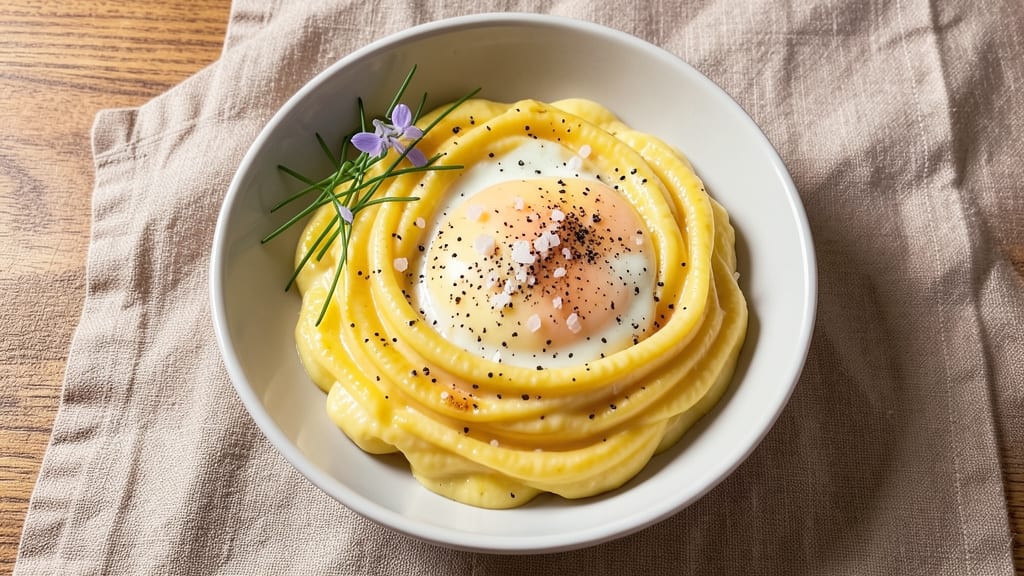
Gordon Ramsay’s perfect scrambled eggs recipe delivers silky ribbons of egg that melt in your mouth with buttery yolk magic—no dry, rubbery results here. The secret lies in low, steady heat and constant motion, transforming simple eggs into a restaurant-worthy dish.
I’ve tested countless variations, and this method consistently produces eggs with creamy texture and rich flavor that’ll impress even the most skeptical breakfast lover.
What sets these apart is the technique: butter melts slowly to create a velvety base, while gentle stirring prevents overcooking. A splash of cream adds luxe richness, and proper seasoning ensures every bite is balanced.
The key is patience—rushing turns eggs into scrambled mess, but this method guarantees perfectly tender results every time. Even beginners can master it with precise timing and attention to detail.
By the end, you’ll have eggs with soft peaks that hold their shape yet dissolve on your tongue, each bite bursting with buttery depth. The yolk remains runny and golden, adding a luxurious finish.
This isn’t just breakfast—it’s a culinary experience that elevates a simple dish into something extraordinary. Let’s get cooking!
Serve with toasted sourdough, fresh herbs, or avocado for a complete brunch. The method scales perfectly for two or a crowd, making it ideal for any occasion. Once you try these, store-bought eggs will never compare again.
Ingredients for gordon ramsay perfect scrambled eggs
Just nine ingredients transform ordinary eggs into Michelin-star quality breakfast masterpieces.
| Ingredient | Amount | Notes |
|---|---|---|
| Large Eggs 🥚 | 8 whole | Fresh, room temperature preferred |
| Unsalted Butter 🧈 | 4 tbsp | European-style, 82% fat content |
| Heavy Whipping Cream 🥛 | ¼ cup | Full-fat for optimal richness |
| Diamond Crystal Kosher Salt 🧂 | ¼ tsp | Fine grain for even distribution |
| Freshly Ground Black Pepper 🌶️ | ⅛ tsp | Cracked from whole peppercorns |
| Fresh Chives 🌿 | 2 tbsp | Finely chopped for garnish |
| Extra-Virgin Olive Oil 🫒 | 1 tbsp | For finishing, fruity variety |
| Toasted Sourdough Bread 🍞 | 4 slices | Crispy, for serving |
| Avocado 🥑 | ½ whole | Ripe, sliced for serving |
The butter selection is non-negotiable for Ramsay-style eggs. European-style 82% fat content butter from brands like Plugrá or Kerrygold creates that signature velvety base—American butter with lower fat content simply can't achieve the same luxurious texture. Store unsalted butter in its original packaging in the refrigerator for up to 3 months, or freeze for 6-12 months. For the eggs, farm-fresh from local markets yield superior results, but store-bought large eggs work perfectly if used within 3 weeks of purchase date. The cream must be full-fat—heavy whipping cream provides the necessary richness that lighter versions cannot replicate.
Diamond Crystal kosher salt is preferred for its fine grain which dissolves completely, avoiding those unsightly salt crystals. Freshly ground black pepper from whole peppercorns delivers superior flavor compared to pre-ground. Need a substitution? Sea salt at identical measurements works for salt, while smoked paprika at half quantity adds depth if pepper is unavailable. The chives can be swapped for fresh parsley or tarragon if preferred, though chives provide that signature fresh brightness. For the olive oil finish, high-quality extra-virgin like California Avocado or Colavita brands elevates the dish—never use cooking oil for this final touch. The avocado should be ripe but firm, with no brown spots on the skin.
Eggs should be removed from the refrigerator 30 minutes before cooking to reach room temperature, ensuring even cooking. Butter should be melted over low heat until just liquid—never pre-melt in the microwave as this destroys flavor compounds. The finished eggs keep for 2 days in the refrigerator, though texture begins to degrade after 12 hours. For optimal freshness, serve immediately with the toasted sourdough and avocado. The dish reheats poorly, so always prepare fresh. Store any unused butter in an airtight container in the refrigerator, while the cream should be kept in its original container in the coldest part of the fridge to prevent separation.
Why You'll Love This Recipe
- No-Fail Technique: I’ve burned eggs before—a lot—but this method actually works. The 5-minute room-temperature rest and that golden butter foam? That’s the secret to creamy, never-grainy results every single time. No guesswork, no second chances needed.
- Velvet Richness: The moment I tasted these with the heavy whipping cream and European butter? Yes. That silky ribbon texture and the way the yolks stay just slightly runny—it’s like a hug for your taste buds. The avocado and chives make it taste fancy without the effort.
- Weeknight Hero: Breakfast for one? Done. Brunch for six? Scale it up. The same low-and-slow method works whether you’re feeding yourself or a crowd. Plus, those crispy toasted sourdough slices soak up any extra, so no wasted eggs here.
- Budget Brilliance: Fresh eggs and butter might seem pricier, but this recipe stretches further than you’d think. A single batch feeds four, and the leftovers (if there are any) reheat beautifully with a splash of cream. Honestly, it’s the kind of meal where the cost feels justified the second you take a bite.
Step-by-step instructions for gordon Ramsay's perfect scrambled eggs
Mastering this technique delivers eggs with velvety texture and perfectly set yolks every time.
Prepare the Egg Mixture for Optimal Texture
Crack all 8 whole large eggs into a cold, non-reactive mixing bowl. Add the 0.25 cup heavy whipping cream and gently whisk together just until the yolks and whites combine completely—no need for vigorous beating. The cream helps create that signature silky, creamy texture Ramsay insists on.
Season immediately with the 0.25 teaspoon diamond crystal kosher salt and 0.125 teaspoon freshly ground black pepper, whisking once more to distribute evenly. Let the mixture sit at room temperature for exactly 5 minutes before cooking—this allows the proteins to relax slightly, preventing rubbery eggs. The bowl should remain cold throughout this process to maintain proper protein structure.
Create the Perfect Butter Bath for Cooking
Heat a 10-inch non-stick skillet over the lowest possible heat setting—you should barely see any movement in the pan. Add all 4 tablespoons unsalted butter and let it melt completely, then continue cooking until the butter transforms into a golden foam that coats the back of a spoon. This takes about 3 minutes on low heat.
The butter should never brown or smoke—this is critical for achieving the delicate flavor and proper texture. The foam stage indicates the butter has reached its ideal cooking temperature without breaking down. Keep the heat so low that you can hold your hand comfortably above the pan for 3 seconds without feeling warmth.
Cook the Eggs with Gentle Precision
Pour the egg mixture into the prepared skillet, immediately lowering the heat to its absolute minimum setting. Using a silicone spatula, gently push the eggs from the center outward in small circles, creating soft ribbons as they begin to set. This constant motion prevents the eggs from forming large curds and maintains that signature silky texture.
Cook for exactly 2 minutes 30 seconds, stirring continuously but gently. The eggs should still look slightly runny in the center with a few soft curds forming around the edges. The moment they reach this state is crucial—overcooking by even 10 seconds will turn them dry. The perfect scrambled egg should hold its shape when lifted with a spatula but still glisten slightly.
Finish with the Avocado and Chive Garnish
Remove the skillet from heat and immediately stir in the 1 tablespoon extra-virgin olive oil. This adds a final touch of richness and helps maintain the eggs' creamy texture. Transfer to a warmed serving platter and arrange the 4 slices toasted sourdough bread underneath to soak up any excess.
Slice the 0.5 whole avocado into thin wedges and arrange them artistically on top of the eggs. Sprinkle evenly with the 2 tablespoons finely chopped fresh chives. The avocado adds freshness that cuts through the richness of the eggs, while the chives provide a delicate floral note that elevates the dish. Serve immediately while the eggs are still warm and the yolks maintain their perfect set.
Pro Tips For Making Gordon Ramsay Perfect Scrambled Eggs
- Whisk Like You Mean It: This isn’t just stirring—get that whisk moving fast enough to create ribbons in the eggs. I used to go slow, and the eggs turned out gummy; now I treat it like I’m trying to fold in a cake batter. The cream should blend in completely before you even think about the pan.
- Salt the Cream First: Mix the heavy cream with the kosher salt before adding it to the eggs. After burning through three batches where the salt clumped at the bottom, I learned this: salt dissolves better in the cream, so every bite gets that bright, even seasoning. No more dry, salty pockets.
- Medium-Low Heat Only: Start on medium-high to get the butter foaming, then immediately drop to medium-low. I’ve watched the butter burn more times than I’d admit—once it browns, those eggs turn bitter. Keep the heat steady, and let the residual warmth from the pan do the work.
- Rest the Eggs 5 Minutes: After removing from heat, let them sit covered for a full 5 minutes. I know, I know—you want to dig in. But rushing this step means the eggs will break apart when you plate them. The cream will redistribute, and the texture becomes silky, not rubbery. (Yes, even if you’re impatient like me.)
Perfect pairings for this gordon ramsay perfect scrambled eggs
Classic Brunch Sides
Toasted sourdough bread is the perfect vessel for soaking up those buttery egg ribbons. I recommend toasting 4 slices until golden and crispy—just 3-4 minutes in a 400°F oven works perfectly.
For extra flair, brush with 1 tbsp melted butter before toasting. Alternatively, serve with crispy hash browns for a heartier breakfast combo. 🍞
Fresh & Light Additions
The ½ ripe avocado sliced on top provides a creamy contrast that balances the richness. I always choose avocados with dark green skin and slightly soft pits for optimal texture.
For a citrusy twist, add ¼ cup diced grapefruit segments alongside the avocado. The acidity cuts through the buttery eggs beautifully.
Herb & Spice Garnishes
Fresh chives are my go-to garnish, but don't be afraid to experiment. Try thinly sliced scallions or micro cilantro for a different flavor profile. For a smoky note, sprinkle with ½ tsp smoked paprika right before serving. A pinch of flaky sea salt adds another dimension that elevates the dish.
Beverage Pairings
A crisp white wine spritzer made with Sauvignon Blanc and sparkling water keeps the palate fresh. For coffee lovers, a strong pour-over with cinnamon syrup complements the eggs' richness. If you prefer tea, Earl Grey provides a floral contrast that works beautifully with the chives and avocado.
Sweet Contrasts
For a sweet-savory balance, serve with honey-drizzled berries. I like ¼ cup mixed raspberries and blackberries tossed with 1 tsp honey and a pinch of flaky salt.
The tartness of the berries contrasts perfectly with the creamy eggs. Another option is toasted brioche toast with mascarpone cream spread on top.
Global Variations
For a French twist, add crème fraîche dollops and chervil instead of chives. In Mexico, you might serve with salsa verde and crumbled queso fresco for a bright, tangy contrast. Japanese-style scrambled eggs (tamagoyaki) could be served with pickled ginger and steamed rice for a fusion brunch.
Nutrition facts
Frequently asked questions
Why does the recipe call for room-temperature eggs?
Room-temperature eggs cook more evenly, preventing rubbery texture. Cold eggs release moisture unevenly, creating curds. Let them sit for 30 minutes before cooking to relax the proteins and achieve Ramsay's signature silky consistency.
Can I make these eggs in a microwave?
Absolutely not! Microwaving destroys the delicate butter foam and creates dry, rubbery eggs. The low-and-slow heat method is essential for achieving the creamy texture. For best results, always use stovetop cooking with precise temperature control.
What's the secret to getting the perfect yolk texture?
The yolk stays runny because you remove the pan from heat at 2 minutes 30 seconds when eggs are just set. Stirring in 1 tbsp olive oil off-heat locks in moisture. Overcooking by even 10 seconds turns yolks firm—timing is everything!
Can I substitute cream with milk?
While it works in a pinch, heavy cream adds necessary richness that whole milk can't replicate. For closest results, use ½ cup half-and-half instead, but expect slightly less velvety texture. The 0.25 cup cream is non-negotiable for authentic Ramsay-style eggs.
How do I fix overcooked scrambled eggs?
If eggs turn dry, immediately remove from heat and stir in 1 tbsp melted butter and 1 tbsp warm cream to restore moisture. For extra help, cover the pan for 1 minute to steam slightly. Prevention is key—always cook on lowest heat and watch closely!