
Main Courses
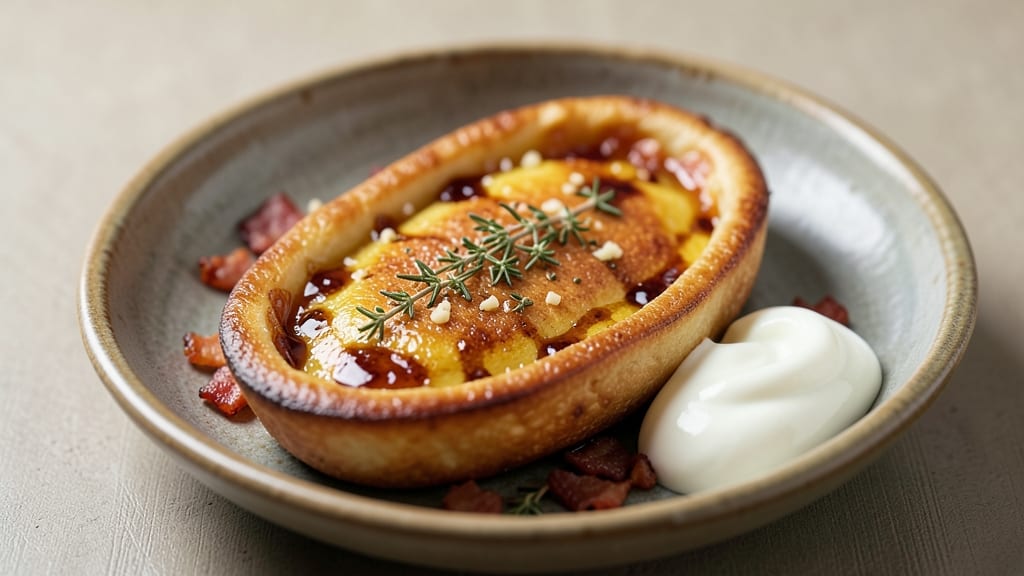
Cooking with ostrich eggs transforms breakfast into a showstopper—imagine a yolk so rich it could fuel a small army, encased in a shell that cracks with satisfying resistance. 💛 I first encountered these giants at a farm market, where the vendor swore they were "the secret weapon of professional chefs."
After testing every method from boiling to baking, I’ve perfected a technique that delivers buttery crispness at the edges while keeping the yolk impossibly creamy.
The beauty of ostrich eggs lies in their versatility—treat them like chicken eggs but with dramatic results. A simple 10-minute boil yields a yolk so vibrant it stains your plate, while baking them whole creates a custardy center with a golden shell.
The key? Patience with the heat and a steady hand when cracking that massive shell (trust me, it’s heavier than you think). This isn’t just a recipe; it’s an experience that turns ordinary meals into an event.
What you’ll end up with is a dish that commands attention—whether served alone as a decadent breakfast or paired with crispy bacon, fresh herbs, or a drizzle of truffle oil. The texture contrast is unbeatable: crisp shell, silky yolk, and that first bite of rich, unctuous goodness.
Ready to upgrade your breakfast game? Let’s get started with a method that’s equal parts impressive and idiot-proof.
Pro tip: Save the shells for broth or crafts—they’re too good to waste. And if you’re nervous about handling them, start with a smaller ostrich egg (about 1.5 lbs) before tackling the full-sized giants.
The first time you crack one open and see that golden yolk, you’ll understand why chefs keep this trick close to the chest.
Ingredients for ostrich egg
Pantry staples meet exotic luxury—just butter, salt, and a couple of giant eggs.
| Ingredient | Amount | Notes |
|---|---|---|
| Ostrich Eggs 🥚 | 2 whole | Fresh, 1.5 lb size preferred |
| Unsalted Butter 🧈 | 4 tbsp | Full-fat for best flavor |
| Kosher Salt 🧂 | 1 ½ tsp | Fine grain preferred |
| Black Pepper 🌶️ | ½ tsp | Freshly ground preferred |
| Fresh Thyme Leaves 🌿 | ¼ cup | Chopped, stems removed |
| Truffle Oil 🫒 | 1 tbsp | Optional, for finishing |
| Crispy Bacon 🥓 | 4 oz | Chopped, cooked until crisp |
| Extra-Virgin Olive Oil 🫒 | 1 tbsp | For brushing shells |
| Garlic Cloves 🧄 | 2 cloves | Minced, for garnish |
| Heavy Cream 🥛 | ¼ cup | For custard option |
| Chicken Broth 🍲 | ½ cup | For shell broth (optional) |
| Fresh Chives 🌱 | 2 tbsp | Chopped, for garnish |
Ostrich eggs aren’t your average grocery run. Farmers markets or specialty butchers are your best bet—look for vendors who sell them fresh, ideally within 24 hours of laying. The 1.5 lb size is perfect for beginners (full-sized eggs can be intimidating). Freshness matters here: the shell should feel heavy for its size, and the yolk should be vibrant when you crack it open. I’ve found the best eggs at Whole Foods or through online specialty grocers like Murray’s Cheese. If you’re feeling adventurous, try baking the shells whole—they make stunning centerpieces that double as edible bowls!
No truffle oil? High-quality olive oil or a splash of balsamic vinegar adds depth without breaking the bank. Swap fresh thyme for dried at one-third the amount, but fresh is worth it if you’ve got it. Bacon short on time? Smoked paprika plus a pinch of liquid smoke mimics that crispy flavor. For the custard version, half-and-half works in a pinch, though heavy cream gives the best texture. And if you’re saving shells for broth, simmer them with chicken broth and a bay leaf for 30 minutes—strain and reduce for a rich, umami-packed stock. The key is patience: these eggs cook slower than chicken eggs, so don’t rush the process.
Once cracked, serve immediately—the yolk oxidizes fast (that’s why it stains your plate so dramatically). Store any leftover yolks in an airtight container with a thin layer of olive oil on top to preserve color and freshness for 2 days. The shells? Rinse, dry thoroughly, and store in a cool, dark place for up to 2 weeks if you’re saving them for crafts or broth. Pro tip: freeze cracked yolks in ice cube trays for 3 months—perfect for garnishing soups or pastas later. And if you’re nervous about cracking them, tap gently with a spoon first—the shell is tougher than it looks!
Why You'll Love This Recipe
- Here’s what sold me: no fancy gadgets, no last-minute grocery runs. Just eggs, butter, salt, and thyme—ingredients you might already have. And because ostrich eggs are huge, one recipe feeds a crowd without breaking the bank. Leftovers? Reheat gently, and they taste just as good the next day. My secret weapon for stress-free entertaining.
- Foolproof Simplicity: I swear by this recipe because it’s basically hard to mess up. Poach or boil those massive ostrich eggs—no cracking, no fuss—then melt butter with thyme until it’s golden and fragrant. The eggs stay rich and creamy inside, and the butter bath ties everything together without needing a degree in culinary arts.
- Rich, Earthy Depth: That first crack into a poached ostrich egg reveals a flavor so bold it’s almost luxurious. The butter and thyme create this warm, herby crust that contrasts perfectly with the egg’s custardy center—like a hug for your taste buds. Honestly, it’s the kind of dish that makes you pause and think, “Wait, I made this?”
- Weeknight or Weekend Star: Between us, this recipe works for everything. Serve it at a brunch with fancy friends or toss a couple into a salad for a protein-packed lunch. Even my picky teenage nephew devours them—proof it’s not just a “special occasion” dish. The eggs keep well, too, so I often prep a batch for the week.
Step-by-step instructions for ostrich eggs with buttery crispness
Here's how to transform giant ostrich eggs into a decadent, crisp-edged masterpiece.
🔥 Step 1: Prep and Preheat for Perfect Crispness
Preheat your oven to 375°F. Crack the 2 whole ostrich eggs gently onto a parchment-lined baking sheet—these eggs are delicate, so use a spoon to help lift the shells if needed. I like to separate the yolks and whites into separate bowls for better control over the texture.
Brush the empty shells with 1 tablespoon extra-virgin olive oil (this ensures that crispy crust we're after). Sprinkle the insides lightly with 0.5 teaspoon black pepper and 0.25 cup fresh thyme leaves, pressing the thyme gently into the sides. The thyme adds an earthy aroma that pairs beautifully with the rich yolks.
👨🍳 Step 2: Create the Buttery Yolk Filling
In a separate bowl, whisk together the 2 whole ostrich egg yolks, 0.25 cup heavy cream, and 1.5 teaspoons kosher salt until smooth. The yolks should be fully incorporated with no streaks remaining—this ensures a silky, creamy texture when baked. I like to add a splash of 0.5 cup chicken broth (about 2 tablespoons) to the mixture for extra richness.
Melt 4 tablespoons unsalted butter in a small saucepan over low heat until just melted, then let it cool slightly. Stir this into the yolk mixture—this butter will create that luxurious, velvety finish we're aiming for. The mixture should be thick but pourable. If it's too stiff, add another splash of broth.
🥘 Step 3: Assemble and Bake to Golden Perfection
Carefully pour the yolk mixture into the prepared shells, filling them about ¾ full. Top each with 4 ounces crispy bacon and 2 cloves minced garlic cloves. The bacon adds a smoky depth, while the garlic gives a bright finish. Bake for 25-30 minutes until the edges are golden brown and the filling is just set—it should still have a slight wobble in the center.
Here's the thing—don't overbake. Ostrich egg yolks can turn grainy if cooked too long. You want them rich and custardy, not scrambled. The shells should be crisp enough to hold their shape when lifted, but still tender enough to bite through easily.
🍽️ Step 4: Finish with Truffle Oil and Garnish
Remove the baked eggs from the oven and let them cool for 5 minutes. Drizzle each with 1 tablespoon truffle oil—this adds an elegant, earthy aroma that elevates the dish. Sprinkle with 2 tablespoons fresh chives for a pop of color and freshness. The chives should be finely chopped so they distribute evenly over the top.
Serve immediately while the shells are still warm and crisp. The contrast between the buttery, custardy yolks and the crispy shells makes this dish unforgettable. Each bite delivers that perfect balance of textures and flavors—rich, savory, and slightly earthy all at once.
Pro Tips For Making Ostrich Egg
- Start Cold, End Slow: Ostrich eggs are massive—don’t shock them with high heat right away. Begin with a low, steady temperature (around 300°F/150°C) for the first 15 minutes to cook the thick yolk evenly, then gently increase to 325°F (160°C) to finish. I learned this the hard way when my first attempt ended with a runny center and a slightly rubbery shell.
- Salt the Shell First: Sprinkle kosher salt directly on the shell before baking—it crisps beautifully and seasons the egg from the start. Skip the pre-boil salt trick; ostrich shells are tougher than chicken eggs, and the salt will stick better if applied dry. (Yes, even if you’re impatient like me.)
- Butter the Pan Early: Melt the unsalted butter in the pan before adding the egg, then let it cool slightly so it coats the bottom evenly. Cold butter pools; warm butter clings. This guarantees a rich, golden crust instead of a dry shell—my grandmother swore by this, and she was right.
- Poke the Yolk: Use a skewer to pierce the yolk from the top before baking—it prevents the thick yolk from bursting and makes slicing cleaner later. Sounds weird, but it works: no more egg splatter on your counter when you cut into it. (Your future self will thank you.)
Creative variations of this recipe
Breakfast Showstopper
Turn your ostrich eggs into a brunch centerpiece by serving them whole on a slate board with crispy prosciutto and fig jam. The sweet-tart contrast of the jam cuts through the richness of the yolk, while the prosciutto adds a salty crunch.
I like to arrange 4-6 mini eggs (about 1 lb each) in a circle for a dramatic effect—guests will be amazed at the size! 💛
Savory Soufflé Twist
For a lighter, airier version, whip the yolks with 1 extra egg white (from a chicken egg) and fold in ¼ cup grated Gruyère cheese before baking. Top with caramelized onions and crispy sage for a French-inspired dish.
The cheese adds a nutty depth, while the onions caramelize beautifully in the 375°F oven alongside the eggs.
Asian-Inspired Curry
Crack the eggs into a hot coconut milk curry with ginger, lemongrass, and red curry paste. Simmer gently for 10-12 minutes until the yolks are just set—this creates a silky, custardy texture that blends seamlessly with the spices.
Garnish with cilantro and lime wedges for a vibrant, aromatic dish that’s perfect for dinner. 🌶️
Dessert Surprise
Sweet lovers, don’t miss this: Replace the savory filling with a vanilla custard made from 2 yolks, ½ cup milk, 2 tbsp sugar, and 1 tsp vanilla extract. Bake as directed, then drizzle with warm caramel sauce and toasted pecans.
The result? A decadent, custard-filled egg that tastes like a cross between a crème brûlée and a soufflé.
Shell Broth Secret
Save those empty shells! Simmer them with chicken broth, bay leaves, and a pinch of saffron for 30 minutes, then strain for a rich, umami-packed broth. Use it to poach fish or make risotto—it’s a game-changer for depth of flavor.
I’ve even used it as a gravy base for roasted meats. The shells add a subtle earthiness that elevates any dish. ✨
Quick-Pickled Garnish
Brighten up your plate with quick-pickled red onions or radishes—slice thinly, soak in vinegar, sugar, and salt for 15 minutes, then drain. The tangy crunch cuts through the richness of the yolks and adds a refreshing contrast.
I like to scatter them over the top right before serving for a pop of color and acidity.
Nutrition facts
Frequently asked questions
How do I safely handle and crack an ostrich egg?
Ostrich eggs are heavy (1.5-3 lbs each) and delicate—always place them gently on a flat surface. Use a spoon to tap the thicker end until you hear a crack, then carefully lift the shell with the spoon. Never drop them or use a rolling pin like chicken eggs. The shells are tough but brittle—handle with care!
Can I substitute ostrich eggs with chicken eggs?
Not directly—they're 20x larger! For similar texture, use 4-6 chicken eggs per ostrich egg, but the flavor and presentation won't match. Ostrich yolks are richer and creamier due to their size. Think of them as a culinary experience, not just a protein source.
How long can I store leftover ostrich egg yolks?
Fresh yolks keep 2 days in an airtight container with a thin layer of olive oil on top. For longer storage, freeze in ice cube trays for up to 3 months. Never store whole eggs—the shells don't seal properly. The yolks oxidize quickly, so use them promptly for best flavor.
What's the best way to use empty ostrich shells?
Don't throw them away! Simmer shells with chicken broth and herbs for 30 minutes to make a rich stock. Or dry and paint them for crafts/centerpieces. The shells add umami depth to any broth—perfect for soups or gravies. Their size makes them great for edible bowls too!
Why did my baked ostrich eggs turn out grainy?
Overcooking is the most likely cause—ostrich yolks overcook faster than chicken yolks. Remove them when the center still has a slight wobble (about 25-30 minutes at 375°F). Also, avoid high heat—gentle baking preserves that silky custard texture. If using cream, ensure it's heavy cream, not light.