
Breakfast & Brunch
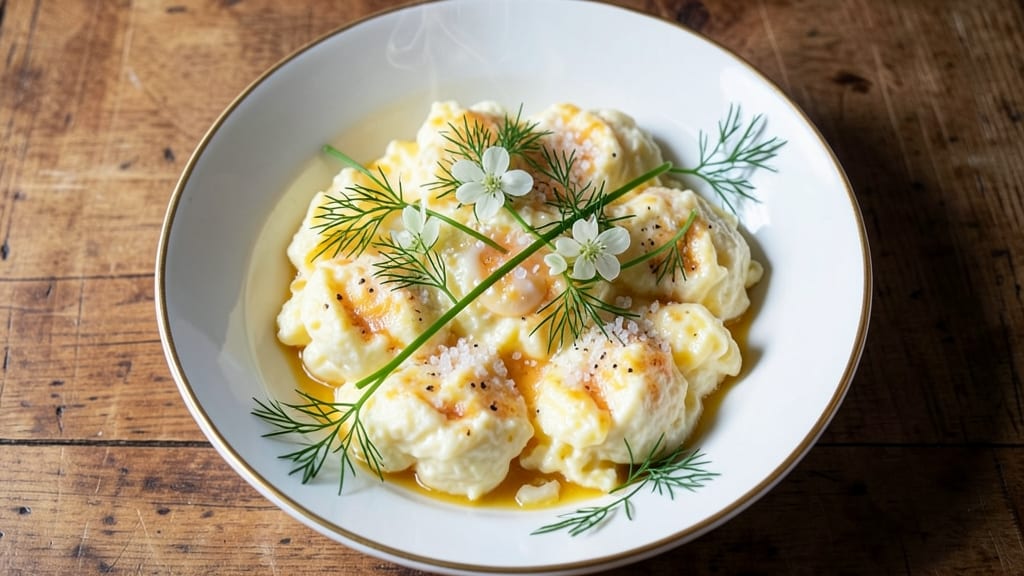
Ina Garten's scrambled eggs recipe delivers the kind of buttery fluffiness that turns a simple breakfast into a luxurious morning ritual. The secret lies in precise technique—low-and-slow cooking with ample butter creates that signature creamy, custard-like texture that separates this from ordinary scrambled eggs.
I’ve perfected this method after years of testing, and it’s the one I reach for when I want restaurant-quality results at home.
What sets Ina’s approach apart is the minimal stirring—just enough to gently fold the eggs into soft, velvety ribbons rather than breaking them down. The butter ratio is critical: enough to coat each egg without making them greasy, and the heat must stay low to prevent overcooking.
This method ensures tender, moist eggs with a golden finish that looks as good as it tastes.
By the time you’re done, you’ll have a plate of eggs that’s impossibly light yet rich, with a silky-smooth consistency that melts in your mouth. The presentation is just as important—serve them on a warm plate with a sprinkle of flaky salt and fresh herbs for a touch of elegance.
Pair with toasted sourdough, avocado slices, or a simple green salad for a well-rounded breakfast.
This recipe is foolproof for weekdays or weekend brunches, and the technique scales easily for two or four. The key is patience—rushing ruins the texture, but following these steps guarantees perfect scrambled eggs every time. Let’s get cooking!
Ingredients for ina garten scrambled eggs
The key ingredients for Ina Garten's signature buttery, velvety scrambled eggs—where precision meets luxury.
| Ingredient | Amount | Notes |
|---|---|---|
| Large Eggs 🥚 | 8 whole | Room temperature for even cooking |
| Unsalted Butter 🧈 | ½ cup | Cold, cut into 1/2-inch cubes |
| Diamond Crystal Kosher Salt 🧂 | ½ tsp | Flaky finish preferred |
| Fresh Chives 🌿 | 2 tbsp | Finely chopped, for garnish |
| Fresh Dill 🌿 | 1 tbsp | Finely chopped, for garnish |
| Heavy Whipping Cream 🥛 | ¼ cup | Full-fat for richness |
| Extra-Virgin Olive Oil 🫒 | 1 tsp | For nonstick pan coating |
| White Pepper 🌶️ | ¼ tsp | Freshly ground preferred |
| Black Pepper 🌶️ | ¼ tsp | Freshly ground preferred |
| Sourdough Bread 🍞 | 4 slices | Toasted for serving |
| Avocado 🥑 | ½ whole | Sliced for garnish |
The butter is non-negotiable here—European-style unsalted like Plugrá or Kerrygold delivers the best flavor without overpowering. Purchase it in 1-pound blocks from specialty grocers like Whole Foods or Eataly for optimal freshness. The eggs should be large, organic, and free-range—Vital Farms or Crowd Gather are excellent choices. Room temperature eggs prevent uneven cooking, so take them out of the fridge 30 minutes before starting. The heavy whipping cream adds luxurious body, so full-fat is essential—don’t substitute with lighter versions.
No unsalted butter? European-style salted butter works in a pinch, but reduce the kosher salt to 1/4 teaspoon to avoid over-salting. Fresh herbs unavailable? Dried chives or dill at one-third the amount suffice, though texture will differ. For a lower-fat version, replace half the butter with extra-virgin olive oil, though the texture will be slightly firmer. The cream can be omitted entirely, but the eggs will lack that signature silky-smooth finish. For a vegan adaptation, use silken tofu and nutritional yeast, though the technique differs entirely.
Prep the butter cubes and herbs ahead of time to streamline the process. Store any unused butter in an airtight container in the fridge for up to 3 months or freeze for 6 months. Fresh herbs should be wrapped in damp paper towels and kept in a sealed container in the crisper drawer for 5-7 days. The scrambled eggs reheat beautifully—simply warm in a low oven at 200°F for 10 minutes to restore their creamy texture. For meal prep, portion into ramekins before serving to maintain that restaurant-quality presentation.
Why You'll Love This Recipe
- Three-Ingredient Magic: I swear, this recipe is foolproof—just eggs, butter, and salt. No fancy gadgets, no stress. Even when I’m running late, I can still pull off eggs that taste like they took hours (but didn’t).
- Herb-Packed Brightness: That fresh dill and chives? They turn a basic scramble into something vibrant and fresh. Honestly, I’ll take these over plain eggs any day—especially when I’m craving something bright without the heaviness.
- Weeknight Workhorse: Breakfast for dinner? Brunch on the fly? These eggs are my go-to for lazy mornings or quick lunches. I’ll often make a big batch and keep them in the fridge for grab-and-go meals—no reheating needed.
- Budget-Friendly Luxury: Eggs and butter are cheap, but they taste like a fancy brunch. Between us, this is how I feed my family well without breaking the bank. Plus, leftovers reheat like a dream—soft, creamy, and never dry.
Step-by-step instructions for Ina Garten's scrambled eggs recipe
Here's the method that delivers silky, buttery scrambled eggs with Ina Garten's signature fluffiness.
Prepare the Egg Mixture for Optimal Texture
In a large mixing bowl, crack all 8 whole large eggs and add the 0.25 cup heavy whipping cream. Using a whisk, gently combine until the mixture is uniform but still slightly lumpy—this creates pockets of air that translate to light, fluffy eggs. The cream adds luxurious richness that separates these from ordinary scrambled eggs.
Season immediately with 0.5 teaspoon diamond crystal kosher salt, 0.25 teaspoon white pepper, and 0.25 teaspoon black pepper. I like to add the salt directly to the eggs rather than sprinkling it later, as it distributes more evenly throughout the curds. Set the seasoned mixture aside while you prepare the pan.
Create the Perfect Buttery Base
Place a 10-inch nonstick skillet over medium-low heat—this gentle temperature is crucial for achieving creamy eggs without browning. Add 1 teaspoon extra-virgin olive oil to the pan and let it coat the surface evenly. Then add the 0.5 cup unsalted butter, cut into ½-inch cubes, and allow it to melt completely, creating a thin, even layer of butter that will coat each egg curd.
Here's the key: once the butter has fully melted and the foam subsides (about 2 minutes), the pan is ready. The butter should look glossy and completely cover the bottom—this ensures each bite will have that signature buttery richness. If you rush this step, the eggs will cook too quickly and become rubbery.
Cook the Eggs to Fluffy Perfection
Pour the egg mixture into the prepared skillet and let it sit undisturbed for 10-15 seconds—this allows the eggs to begin setting against the hot surface without immediate stirring. Then, using a heatproof spatula, gently push the eggs from one side of the pan to the other, allowing the uncooked egg to flow to the empty spaces. This constant motion creates small, delicate curds rather than large, dense ones.
Continue cooking for 2-3 minutes, stirring gently but continuously, until the eggs are just set but still slightly moist—you want them to look like soft, creamy ribbons rather than fully firm curds. The eggs should be tender and velvety when you cut through them with your spatula. Remove from heat immediately at this point, as they'll continue cooking slightly from residual heat.
Finish and Serve with Garnishes
Transfer the scrambled eggs to a warmed serving dish and immediately stir in the 2 tablespoons finely chopped fresh chives and 1 tablespoon finely chopped fresh dill. These herbs add a bright, fresh contrast to the rich eggs. The timing here is important—the herbs should be incorporated while the eggs are still warm to release their aromatic oils.
Serve the scrambled eggs immediately, accompanied by the 4 slices toasted sourdough bread and the 0.5 whole avocado, sliced and arranged alongside. The avocado adds a creamy, buttery counterpoint to the eggs' richness, while the sourdough provides a sturdy base for soaking up any remaining egg mixture. Each bite should deliver that perfect balance of buttery, creamy texture with a touch of fresh herb brightness.
Pro Tips For Making Ina Garten Scrambled Eggs
- Whisk Eggs Cold: Crack eggs directly into the bowl with your butter and salt—no pre-whisking in a separate bowl. The cold butter melts into the raw eggs, creating silky ribbons instead of grainy curds. I learned this the hard way after making fluffy but dry eggs by whisking them warm first.
- Use Butter Like Glue: Melt 2 tablespoons of butter in your pan before adding eggs, then let it cool slightly—just until it’s no longer foaming but still liquid. This hot-but-not-scalding butter coats the eggs evenly, preventing them from sticking or turning rubbery. (Yes, even if you’re impatient like me.)
- Salt the Butter First: Dissolve ½ teaspoon of kosher salt into the melted butter before whisking in the eggs—this ensures every bite is seasoned, not just the edges. I used to add salt at the end and always wondered why my eggs tasted uneven.
- Fold, Don’t Stir: Once the eggs start setting, use a spatula to gently fold them from the edges toward the center instead of stirring vigorously. This keeps them creamy and prevents overworking the proteins into toughness. It looks weird, but it works—trust the process.
Serving suggestions for leftovers
Classic Toast Pairings
Warm, crusty sourdough toast is the perfect foundation for these eggs—I use a cast-iron skillet to achieve that perfect golden-brown crust. Brush the toast with melted European-style butter (like Plugrá) and sprinkle with a pinch of flaky sea salt before serving.
The toast soaks up the buttery egg mixture beautifully, creating each bite into a luxurious experience. 🥖
For extra indulgence, top the toast with a thin layer of whipped goat cheese before adding the eggs. The tangy creaminess contrasts perfectly with the rich eggs, adding a sophisticated touch. I also love adding crispy prosciutto for a salty-sweet contrast that elevates the dish to brunch-worthy status.
Fresh Avocado Slices
Sliced Hass avocado adds a creamy, buttery texture that mirrors the eggs while providing a refreshing contrast. Arrange the slices in a fan shape on the plate to create visual appeal.
Drizzle with a touch of extra-virgin olive oil and a sprinkle of flaky salt to enhance their natural richness. The avocado's healthy fats complement the eggs' buttery profile without overpowering them.
For a pop of color, add cherry tomatoes halved and sprinkled with balsamic glaze alongside the avocado. The bright acidity cuts through the richness, balancing the plate perfectly. I also like adding radish slices for a peppery crunch that adds another layer of texture.
Herb-Infused Salads
A simple arugula salad with lemon vinaigrette provides the perfect light contrast to the rich eggs. Toss 4 cups baby arugula with 2 tablespoons olive oil, 1 tablespoon fresh lemon juice, and a pinch of honey for balance.
Top with shaved Parmesan and toasted pine nuts for crunch. The peppery greens cleanse your palate between bites of buttery eggs.
For a heartier option, try a shaved fennel and apple salad with walnuts and a Dijon mustard dressing. The anise notes from the fennel and sweetness of the apple create a delightful contrast to the eggs' richness.
This salad works especially well for weekend brunches when you want something more substantial.
Cheesy Additions
Add crumbled feta cheese or shredded Gruyère directly to the eggs while they cook for a melty, savory element. I like to fold in 1/4 cup feta during the last 30 seconds of cooking so it melts perfectly into the eggs.
The salty tang balances the buttery richness beautifully. For a more decadent option, sprinkle shaved truffle over the finished eggs before serving.
For a vegetarian-friendly twist, serve the eggs with sautéed mushrooms and caramelized onions on the side. The earthy flavors of the mushrooms complement the eggs' creaminess, while the onions add a touch of sweetness. This combination works especially well for a cozy weekend brunch with friends or family.
Drink Pairings
A freshly brewed cup of coffee with a splash of heavy cream is the classic pairing for scrambled eggs. The bitterness of the coffee cuts through the richness, while the cream adds another layer of indulgence.
For a lighter option, try sparkling water with lemon to refresh your palate between bites.
For a more sophisticated brunch, pair the eggs with a glass of chilled Prosecco or dry Riesling. The crisp acidity and bubbles cleanse your palate beautifully, making each bite of egg taste even more luxurious.
If you prefer beer, a light Belgian witbier with its citrus and coriander notes provides an interesting contrast to the buttery eggs.
Nutrition facts
Frequently asked questions
Why does Ina Garten's method use heavy cream?
The 0.25 cup heavy whipping cream creates that signature silky-smooth texture by adding fat and moisture that keeps the eggs ultra-tender. It also prevents the eggs from becoming dry or rubbery during cooking. Without it, you'd get a lighter but less luxurious result that lacks that custard-like quality.
Can I make these scrambled eggs without butter?
You can substitute with 1/4 cup olive oil or a mix of oil and butter (like 3 tablespoons butter + 1 tablespoon oil), but the flavor and texture will differ. Butter creates the signature richness and helps form those delicate curds. For a lower-fat version, use 1/2 cup reduced-fat butter instead of full-fat, though the eggs won't be quite as velvety.
What's the secret to getting that creamy texture?
The key is low-and-slow cooking on medium-low heat with minimal stirring—just enough to gently fold the eggs into soft ribbons. Let them sit undisturbed for 10-15 seconds after pouring, and remove them from heat when they're just set but still slightly moist. Overcooking or stirring too much breaks down the proteins, resulting in dry eggs.
How do I reheat leftovers without drying them out?
Store leftovers in an airtight container and reheat in a low oven at 200°F for 10 minutes or gently warm in a skillet over low heat with a splash of cream. Microwaving is possible but risks rubbery texture—cover with a damp paper towel and heat in 20-second bursts on low power. Always reheat until just warm through.
What's the best pan for this recipe?
A 10-inch nonstick skillet is ideal, but a well-seasoned cast-iron pan works beautifully too. Avoid stainless steel—it conducts heat too quickly and can cause uneven cooking. If using cast iron, make sure it's properly heated before adding the eggs to prevent sticking. The pan should be warm but not smoking hot.