
Beverages
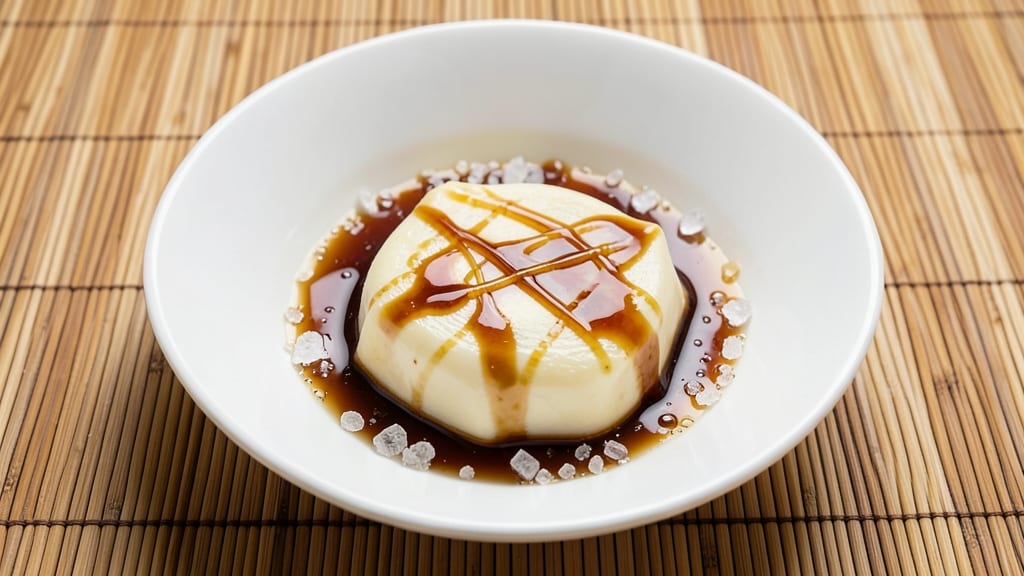
This Chinese steamed egg tofu recipe transforms ordinary eggs into a silky cloud of protein that defines Cantonese breakfast tables.
The secret lies in whisking eggs to ribbons and steaming them until they achieve that signature jelly-like texture—tender yet firm, with a delicate bounce that makes every bite satisfying.
I first discovered this dish in a Hong Kong café where the aroma of soy sauce and sesame oil filled the air, and it became an instant obsession.
The beauty of steamed egg tofu is its versatility—it’s equally at home as a light breakfast dish or a sophisticated appetizer.
Traditional seasonings like light soy sauce, dark soy sauce, and sesame oil create that umami depth that balances the egg’s mild flavor, while a touch of sugar enhances its natural sweetness. The dish pairs perfectly with pickled vegetables, congee, or even a simple green salad for a complete meal.
What makes this recipe truly special is how it elevates simple ingredients into something extraordinary. With just eggs, water, and a few pantry staples, you’ll create a dish that’s restaurant-quality without the fuss.
The steaming process ensures a clean, delicate texture that’s impossible to achieve through frying or boiling, making it a standout in any Chinese-inspired menu.
Once mastered, you can customize it with scallions, chili oil, or even a sprinkle of five-spice powder for added complexity. This isn’t just a recipe—it’s a culinary experience that transports you to the bustling breakfast culture of southern China. Let’s get started on creating your own silky cloud of flavor.
Ingredients for chinese steamed egg tofu
Just eggs, water, and a few pantry staples transform into Cantonese café perfection.
| Ingredient | Amount | Notes |
|---|---|---|
| Large Eggs 🥚 | 12 whole | Room temperature for best whisking |
| Water 💧 | ½ cup | Room temperature preferred |
| Light Soy Sauce 🍶 | 2 tbsp | High-quality, low-sodium preferred |
| Dark Soy Sauce 🍶 | 1 tbsp | For color depth and richness |
| Sesame Oil 🫒 | 1 tbsp | Toasted, for nutty aroma |
| Granulated Sugar 🍯 | 1 tbsp | White or brown sugar works |
| Scallions 🧅 | 3 whole | Thinly sliced, green parts included |
| Vegetable Oil 🫒 | 1 tbsp | For greasing mold if needed |
| Cornstarch 🌾 | 1 tsp | For dusting mold (optional) |
| Sesame Seeds 🌰 | 1 tbsp | Toasted, for garnish |
| Chili Oil 🌶️ | 1 tsp | Optional, for heat |
| Salt 🧂 | ½ tsp | Fine sea salt for seasoning |
The eggs are non-negotiable—room temperature is key for even whisking. Organic or pasture-raised eggs from Whole Foods or your local farmers market have richer yolks, but any large eggs work. The soy sauces? Lee Kum Kee or Pearl River Bridge brands are my go-tos for that authentic umami punch. If you're using pre-made chili oil, Lao Gan Ma is the gold standard, but homemade with chili flakes and oil is just as good. Toast your sesame seeds in a dry pan for 30 seconds—they’ll add crunch and depth to the final dish.
No light soy sauce? Substitute with 1 tbsp dark soy sauce plus 1 tsp sugar—it won’t be identical, but it’ll work. Running short on scallions? Green onions or chives at the same amount give a milder flavor. The cornstarch is optional but worth it if you’re using a non-stick mold—just dust lightly to prevent sticking. For the sugar, coconut sugar or honey can replace granulated at a 1:1 ratio, though white sugar keeps the color cleaner. And if you’re feeling adventurous, swap the chili oil for a sprinkle of five-spice powder for warmth instead of heat.
This keeps beautifully in the fridge for 3-4 days if stored in an airtight container with a thin layer of oil on top—prevents drying. For longer storage, freeze portions for up to 2 months (thaw in the fridge overnight). I like to portion mine into individual containers so I can grab one for breakfast or add it to congee. The texture holds up surprisingly well when reheated—just steam for 5-7 minutes to restore that silky cloud. Garnish with fresh scallions and sesame seeds right before serving, or they’ll lose their pop.
Why You'll Love This Recipe
- No-Fuss Setup: I swear by this recipe because it’s just eggs, water, and soy sauce—no chopping, no dicing, no fancy gadgets. Honestly, I’ve made it in a bamboo steamer, a colander over boiling water, even a clean toaster oven when I forgot to take the steamer out. The only real prep is whisking eggs until they’re just thick enough to hold their shape.
- Umami Magic: That first bite of the dark soy glaze caramelizing on the edges? It’s like a little flavor explosion. Between the light soy’s salty brightness and the dark soy’s deep, almost molasses-like richness, plus a drizzle of sesame oil at the end—it’s the kind of dish that makes you go, “Wait, this is just eggs?” (Yes, even on a Tuesday night.)
- Steamer for Days: I make a big batch on Sunday and keep it in the fridge for snacks, quick lunches, or even as a side for takeout. It reheats in seconds—just a splash of water in the steamer—and tastes just as good cold as it does hot. My kids grab it straight from the fridge after school, and my partner sneaks seconds when he thinks I’m not looking.
- Budget Breakthrough: Eggs are cheap, soy sauce lasts forever, and you’re looking at maybe $5 for a week’s worth of meals. I’ll be real: this recipe saved me during grad school when I was living on ramen and hope. Now? It’s my go-to when I want something satisfying without breaking the bank—or my willpower.
Step-by-step instructions for Chinese steamed egg tofu
Here's the method to achieve that signature silky texture and rich umami flavor every time.
Whisk the Egg Mixture to Perfect Consistency
In a large heatproof bowl, combine the 12 whole large eggs and 0.5 cup water. Add the 0.5 teaspoon salt and 1 tablespoon granulated sugar, then whisk vigorously until the mixture becomes frothy and pale yellow. This step is critical—the eggs should be fully incorporated with no visible streaks. The sugar helps balance the savory flavors while the salt ensures proper seasoning throughout.
Next, add the 2 tablespoons light soy sauce and 1 tablespoon dark soy sauce to deepen the umami and add that signature caramelized color. Whisk continuously for another 2 minutes until the mixture is completely smooth. The dark soy sauce will give your egg tofu its characteristic rich hue, so don't skip this. Here's the thing—this mixture should be at room temperature for best results, so if your eggs are straight from the fridge, let them sit for 10 minutes before starting.
Prepare the Scallion Garnish and Mold
While the egg mixture rests, slice the 3 whole scallions into thin rings, keeping the green parts intact for color contrast. Set them aside for garnishing later. Lightly grease a 4-inch round steaming mold (or a heatproof ramekin) with 1 tablespoon vegetable oil—this prevents sticking and makes removal effortless. For extra insurance, dust the inside lightly with 1 teaspoon cornstarch using a fine-mesh sieve, tapping out any excess.
The mold should be positioned on a heatproof plate or directly in your steamer basket. If you're using a traditional bamboo steamer, line the bottom with parchment paper first to catch any drips. This step ensures your egg tofu holds its shape beautifully when unmolded, giving you that perfect dome shape that's characteristic of restaurant-quality versions.
Steam to Silky Perfection
Bring a pot of water to a gentle simmer and place a steaming rack inside. The water should be about 2 inches below the rack—if it's too close, you'll risk steaming the egg mixture directly with water instead of creating that delicate cloud texture. Pour the egg mixture into the prepared mold and smooth the top with a wet spatula, creating an even surface.
Cover with a tight-fitting lid (or foil directly on the mold if no lid is available) and steam over medium-low heat for 12-15 minutes. You'll know it's ready when the top is set but still slightly jiggly in the center—like a custard that's just barely firm. The center should pull away from the edges when gently shaken, but not be completely liquid. This is the moment that matters: oversteaming will make it dense, while understeaming leaves it too wet.
Finish with Aromatics and Garnish
Remove the mold from the steamer and carefully invert the egg tofu onto a serving plate. The bottom should release cleanly if you've greased properly. Drizzle with 1 tablespoon sesame oil and 1 teaspoon chili oil (if using), then sprinkle with the sliced scallions and 1 tablespoon toasted sesame seeds. The sesame oil adds nutty depth, while the chili oil introduces just the right amount of heat to complement the egg's mild flavor.
For serving, cut into wedges with a sharp knife—this is where the texture really shines. The interior should be smooth and custard-like, with no visible egg streaks. If you see any, your whisking wasn't thorough enough next time. Serve immediately with steamed greens or congee to soak up that rich, savory sauce. The contrast between the silky egg tofu and the crisp scallions makes every bite unforgettable.
Pro Tips For Making Chinese Steamed Egg Tofu
- Whisk Eggs Until Thick: Don’t just stir—beat those eggs until they’re ribbon-like and hold their shape when you lift the whisk. I learned this the hard way when my first batch turned out like scrambled eggs. The thicker the batter, the firmer the tofu holds up to steaming.
- Use Room-Temp Eggs: Cold eggs from the fridge won’t blend evenly, and you’ll end up with pockets of uncooked egg in your tofu. Crack them into a bowl and let them sit for 10 minutes before whisking—trust me, it makes a real difference in texture.
- Don’t Overcrowd the Steamer: Pile the egg tofu too high, and the bottom layers will steam unevenly—some parts soggy, others dry. Pour the batter into a shallow pan or divide it into two thinner layers. Even cooking is the goal here.
- Finish with Dark Soy: Skip the dark soy sauce in the batter—add it after steaming. Drizzle it over the hot tofu for a glossy, caramelized crust. I was skeptical until I tried it—now I won’t make it any other way.
Wine and beer pairings for this dish
Light & Crisp Whites
Steamed egg tofu’s delicate texture pairs beautifully with dry, crisp white wines that won’t overpower its subtle umami. A Chardonnay from China’s Yangtze Delta region—like a Longwan Laojiao—is my go-to choice.
The wine’s citrus and mineral notes cut through the richness while complementing the soy sauce’s depth. Serve it slightly chilled (45-50°F) to enhance its refreshing qualities. 🍷
Rice Wine Elevation
For a more authentic Cantonese experience, skip the Western wine entirely and reach for Chinese Shaoxing wine (also called huangjiu). Just 1-2 tablespoons poured over the steamed egg tofu before serving adds a honeyed, nutty complexity that mirrors the dish’s traditional seasonings.
The alcohol cooks off slightly, leaving behind a warm, aromatic finish that bridges the gap between the egg’s mild flavor and the soy sauce’s saltiness.
Light Beer Balance
If you prefer beer, opt for a Japanese junmai sake or a light lager with no hop bitterness. A Sapporo Classic or Asahi Super Dry provides a clean, crisp canvas that highlights the egg tofu’s silky texture without competing.
For a bolder option, try a Chinese baijiu-infused beer like Tsingtao—its subtle grain notes harmonize with the soy and sesame flavors. Serve beer at 40-45°F to preserve its crispness.
Non-Alcoholic Pairings
For a refreshing non-alcoholic match, serve steamed egg tofu with jasmine green tea or pu-erh tea. The tea’s earthy, floral notes contrast beautifully with the dish’s savory profile. For something more festive, try a lychee or osmanthus iced tea—the sweet floral aroma balances the soy’s saltiness.
Even a simple sparkling mineral water with a squeeze of lemon adds a bright, cleansing finish that cleanses the palate between bites.
Spicy Variations
If you’ve added chili oil to your egg tofu, pair it with a lightly spiced Chinese rice wine or a Mexican horchata (made with rice and cinnamon). The warm cinnamon notes in horchata soothe the heat while complementing the sesame oil’s nuttiness.
For a beer option, a wheat beer with a touch of ginger—like Blue Moon—adds a spicy-sweet contrast that elevates the dish’s heat.
Nutrition facts
Frequently asked questions
What makes Chinese steamed egg tofu different from regular egg tofu?
The steaming method creates a signature jelly-like texture that's impossible with boiling or frying. Traditional egg tofu is denser, while steamed egg tofu has that silky cloud consistency with a delicate bounce. The soy sauce marinade also gives it deeper umami flavor compared to plain egg tofu.
Can I make this without a special steaming mold?
Use a heatproof ramekin or even a small ceramic bowl. Grease it well with oil and dust with cornstarch to prevent sticking. For even cooking, place it on a heatproof plate in your steamer basket. The key is maintaining medium-low heat for 12-15 minutes—don't rush it!
Why did my egg tofu come out dense instead of silky?
This usually happens from oversteaming or insufficient whisking. The egg mixture must be completely smooth (no streaks) and steamed just until the center is slightly jiggly. If you see liquid pooling on top, reduce heat immediately. For best results, use room temperature eggs and whisk for at least 3 minutes.
What are the best ways to serve this dish?
This versatile dish works as a breakfast centerpiece or appetizer. Try serving with pickled vegetables, congee, or steamed greens. For extra flavor, drizzle with chili oil or Shaoxing wine before eating. It's also delicious in egg tofu rice bowls or as a topping for noodle soups.
Can I make this ahead of time?
Yes! Store in an airtight container with a thin layer of oil on top to prevent drying. It keeps well in the fridge for 3-4 days or freezes for up to 2 months. Reheat by steaming for 5-7 minutes to restore that silky texture. Garnish with fresh scallions and sesame seeds right before serving for best flavor.