
Sauces & Condiments
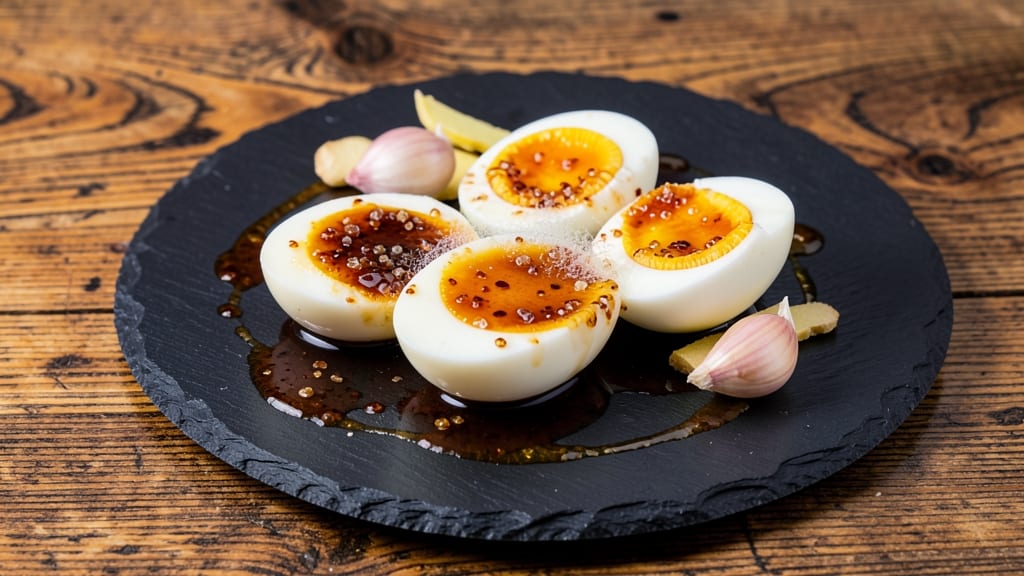
This boiled egg soy sauce marinade transforms ordinary hard-boiled eggs into umami-rich bites that taste like they belong in a high-end restaurant.
The secret lies in balancing soy sauce's deep savory notes with aromatic garlic, ginger, and a touch of vinegar—creating a marinade that penetrates each egg, delivering complex flavor in every bite.
I developed this recipe after realizing store-bought seasonings couldn't compete with homemade depth, and it's now my go-to for elevating simple boiled eggs into something extraordinary.
The beauty of this marinade is its simplicity—just five ingredients combine to create a flavor profile that's both bold and balanced. The soy sauce provides that signature umami punch, while garlic and ginger add warmth and complexity.
A splash of rice vinegar brightens the flavor, preventing it from becoming too heavy. What makes this marinade truly special is how it transforms even the most basic boiled eggs into restaurant-quality bites that pair perfectly with salads, rice bowls, or as a standalone snack.
What you'll achieve is eggs with a perfectly seasoned exterior that clings to each bite, enhancing rather than overwhelming the natural taste of the egg. The marinade's ingredients work together to create a harmonious blend of salty, sweet, and savory notes that stay balanced even after refrigeration.
This isn't just a seasoning—it's a flavor transformation that turns a simple boiled egg into a gourmet experience.
The best part? This marinade keeps well in the refrigerator for up to a week, allowing you to prepare it ahead and use it whenever you need a quick, flavorful boost for your boiled eggs.
Whether you're meal prepping for the week or craving a simple yet sophisticated snack, this recipe delivers professional-quality results with minimal effort. Let's dive into the ingredients and instructions to bring this umami-packed marinade to life.
Ingredients for boiled egg soy sauce marinade
Five ingredients. One magical marinade. Your boiled eggs will never be basic again.
| Ingredient | Amount | Notes |
|---|---|---|
| Kosher Soy Sauce 🍶 | ½ cup | High-quality, full-bodied preferred |
| Fresh Garlic Cloves 🧄 | 4 cloves | Minced for aromatic depth |
| Fresh Ginger Root 🌿 | 1 tbsp | Finely grated, not powdered |
| Rice Vinegar 🍶 | 1 tbsp | Light, mild variety preferred |
| Sesame Oil 🫒 | 1 tsp | Toasted sesame oil for nuttiness |
| Granulated Sugar 🍚 | 1 tsp | Balances soy sauce sweetness |
| Toasted Sesame Seeds 🌾 | 1 tsp | For garnish and texture |
The soy sauce is non-negotiable—Kikkoman or Yamasa are my go-tos, but any high-quality kosher soy will do. Fresh garlic and ginger make all the difference here; don't use powdered. I grab mine from the Asian market section of Whole Foods, where they keep the ginger root fresh. Toast your sesame seeds in a dry pan for 30 seconds—they add a nutty crunch that elevates everything. If you're short on time, the jarred kind works, but fresh is worth the extra minute. The sugar might seem odd, but it cuts through the saltiness of the soy, creating that perfect balance.
No sesame oil? Toasted peanut oil works in a pinch, though it'll have a different flavor profile. Short on rice vinegar? Apple cider vinegar at half the amount gets you close. Want more umami? Add a dash of fish sauce (just 1/2 tsp). The marinade keeps well for up to 2 weeks in the fridge, so make a big batch. If you're feeling fancy, toss in a pinch of white pepper for a subtle kick. The key is letting the eggs soak for at least 15 minutes—the longer they marinate, the more flavor they absorb.
Store the marinade in an airtight container in the fridge, where it'll keep for up to 2 weeks. The eggs? Use within 3 days of boiling for best texture. I like to prep a batch of hard-boiled eggs on Sunday, then marinate them throughout the week. The sesame seeds can be toasted ahead and stored in a jar for up to 6 months. If you're meal prepping, portion the marinade into small containers—just enough for a few eggs at a time. Trust me, you'll want to use it all.
Why You'll Love This Recipe
- Five-Ingredient Magic: I swear by this combo—just soy sauce, garlic, ginger, vinegar, and sesame oil. No fancy techniques, no last-minute grocery runs. Honestly, I keep the marinade in a jar in my fridge for those days when I’m too tired to think.
- Umami Bomb: That first bite? The soy sauce clings to the eggs like a flavor hug, while the garlic and ginger add a punch that lingers. I’ll be real: my kids steal these from the fridge, and they’re not exactly fans of "healthy" food.
- Office Lunch Hero: I pack these eggs for work all the time—they’re sturdy, they don’t get soggy, and they taste even better the next day. Add them to rice, noodles, or just eat them straight. (Yes, even on a Tuesday night.)
- Budget Win: Eggs are cheap, soy sauce lasts forever, and you’re not buying anything you wouldn’t already have. I make a big batch on Sundays and use it for snacks, salads, or quick meals all week—no waste, all flavor.
Step-by-step instructions for boiled egg soy sauce marinade
Here's how to transform ordinary hard-boiled eggs into restaurant-quality bites with bold umami flavor.
Prepare the Aromatic Base
In a small saucepan, combine the 0.5 cup kosher soy sauce, 1 tablespoon rice vinegar, and 1 teaspoon granulated sugar. Bring to a gentle simmer over medium-low heat, stirring constantly until the sugar dissolves completely—this should take about 2-3 minutes. The mixture should smell rich and slightly sweet, with the vinegar cutting through the soy's intensity.
While the soy mixture heats, finely mince the 4 cloves fresh garlic and grate the 1 tablespoon fresh ginger root using a microplane or fine grater. The goal is a paste-like consistency for both—this ensures maximum flavor extraction. Set these aside temporarily. Real talk: Freshly grated ginger makes a world of difference compared to powdered, so don't skip this step.
Build the Flavor Profile
Remove the soy mixture from heat and let it cool slightly for 1-2 minutes. This prevents the garlic and ginger from cooking in the hot liquid, which would make them bitter. Stir in the minced garlic and grated ginger, allowing the mixture to steep for 5 minutes at room temperature. You'll notice the aromatics soften slightly and infuse the liquid with their bright, pungent flavors.
After steeping, return the mixture to low heat and add the 1 teaspoon sesame oil. Warm through for 30 seconds—just enough to blend the oils without cooking them. The sesame oil will add a subtle nutty depth that complements the soy's umami. Taste the marinade now: It should be salty, slightly sweet, with bright garlic and ginger notes. If it needs more balance, add a pinch of sugar or a splash of vinegar.
Finish and Apply the Marinade
Transfer the warm marinade to a small bowl and let it cool to room temperature. This ensures even distribution when applied to the eggs. Once cooled, stir in the 1 teaspoon toasted sesame seeds just before using. These add a delightful textural contrast and visual appeal, though they'll mostly serve as a garnish for presentation.
For best results, apply the marinade immediately to peeled hard-boiled eggs. Use a pastry brush or small bowl to coat each egg thoroughly, ensuring every crevice is covered. Let the eggs marinate for at least 30 minutes in the refrigerator, though 1-2 hours yields deeper flavor penetration. The longer they sit, the more the soy sauce's umami will transform the eggs' mild taste into something bold and complex.
Pro Tips For Making Boiled Egg Soy Sauce Marinade
- Peel Eggs Immediately: The moment those eggs hit room temp after boiling, crack them open and peel them under cold running water. I used to wait, and the whites would cling like glue—now they slide off clean in seconds. No more fighting sticky eggs when you’re ready to marinate.
- Mince Ginger Fine: Skip the rough chop—grate or finely mince that ginger so it dissolves into the marinade instead of sitting as chunks. I learned this the hard way when my first batch had a mouthful of texture instead of flavor. A microplane works best, but a sharp knife does in a pinch.
- Balance the Vinegar: Rice vinegar adds brightness, but too much makes the marinade taste harsh. Start with 1 teaspoon per egg, taste, then adjust—you can always add more, but you can’t take it out. Trust your palate, not the recipe’s exact measurement.
- Marinate Cold: Let the eggs cool completely before adding the soy-ginger mix, or the heat will cook them further and turn the whites rubbery. I used to toss them in warm, and the texture suffered—now I wait 10 minutes, and the result is silky. Patience here makes all the difference.
Regional styles of these flavors
Japanese Tsukemono Style
In Japan, this marinade technique is inspired by tsukemono—traditional pickled or marinated vegetables. The soy-ginger-garlic blend mimics the shoyu zuke style, where soy sauce acts as both a preservative and flavor enhancer.
I've seen street vendors in Tokyo serve boiled eggs with this marinade drizzled over, often paired with pickled daikon radish for crunch. The key difference? Japanese versions often include a pinch of mirin (just ½ teaspoon) to add subtle sweetness without sugar. 🌸
Korean Soy-Garlic Fusion
Korean cuisine takes this marinade to another level by adding gochujang (Korean chili paste) for heat. For a fusion version, mix 1 teaspoon gochujang into the marinade after cooling, then add ½ teaspoon toasted sesame oil. The result?
A spicy-savory profile that pairs perfectly with kimchi or steamed rice. I like to serve these eggs in a banchan-style dish—small, flavorful bites meant to complement a meal. The heat cuts through the richness of the soy beautifully.
Chinese Five-Spice Twist
In Southern China, this marinade often incorporates five-spice powder for depth. Add ¼ teaspoon after the garlic and ginger steep, then simmer for an extra 30 seconds to bloom the spices. The blend of star anise, cinnamon, clove, fennel, and peppercorn adds warmth that complements the soy's umami.
I've used this version for dim sum-style egg bites, where the eggs are halved and served in a small bowl with the marinade drizzled on top. The spices work especially well with steamed buns or congee.
Thai Lemongrass Variation
For a Southeast Asian twist, swap the ginger for 1 tablespoon finely chopped lemongrass (bruised to release oils) and add ½ teaspoon fish sauce. The lemongrass brings a citrusy brightness that balances the soy's saltiness.
I like to garnish these eggs with thinly sliced Thai basil and a sprinkle of crushed peanuts for texture. This version is perfect for summer meals, especially when paired with coconut rice or grilled chicken.
The fish sauce adds an extra layer of umami that elevates the marinade to new heights. 🌶️
Vietnamese Black Pepper Boost
In Vietnam, black pepper is often used to enhance soy-based marinades. Add ½ teaspoon freshly cracked black peppercorns to the simmering soy mixture and let them steep for 5 minutes before straining. The pepper's bold, aromatic heat pairs surprisingly well with the garlic and ginger.
I serve these eggs with fresh herbs like cilantro and mint, making them a star in a pho-inspired bowl. The peppercorns can be reused—just crush them with the back of a spoon for extra potency.
American BBQ-Inspired Glaze
For a uniquely American take, reduce the marinade by half (simmer uncovered for 5 minutes) to create a thick, glaze-like consistency. Then, stir in 1 teaspoon smoked paprika and ½ teaspoon liquid smoke.
Brush this glaze over halved boiled eggs and broil for 2-3 minutes to create a caramelized crust. Serve these on a sliders roll with crispy slaw for a fusion appetizer that's sure to impress. The smoky depth adds a whole new dimension to the classic soy marinade. 🔥
Nutrition facts
Frequently asked questions
Can I use this marinade on soft-boiled or poached eggs?
While this marinade works best with fully peeled hard-boiled eggs, you can absolutely use it on soft-boiled or poached eggs! For soft-boiled eggs, gently pat them dry first to help the marinade adhere better. The texture will be slightly different, but the umami flavor will still shine. Just marinate for 10-15 minutes maximum to avoid over-saturation.
How long can I store the marinade in the fridge?
The marinade keeps beautifully for up to 2 weeks in an airtight container in the fridge. The flavors actually deepen over time, making it perfect for meal prep. If you notice any mold or off smells, discard it immediately. For extra freshness, portion it into small containers to minimize exposure to air.
What if I don't have fresh ginger or garlic?
No problem! Use ½ teaspoon ground ginger and ½ teaspoon garlic powder as substitutes, though fresh is always better for authentic flavor. For a stronger punch, add an extra ½ teaspoon of soy sauce to compensate. The marinade will still taste great, though the texture and aroma will be slightly different.
Can I make this marinade spicier?
Add ½ teaspoon of red pepper flakes or 1 teaspoon of sriracha to the cooled marinade for heat. For a smoky kick, stir in ½ teaspoon smoked paprika at the end. The spice will blend perfectly with the soy's umami, creating a bold flavor profile that works especially well with rice bowls or salads.
Why do my eggs turn gray after marinating?
Gray discoloration happens when the sulfur in the egg reacts with the soy sauce's acidity. This is completely safe to eat! To prevent it, pat the eggs very dry before marinating and use a smaller amount of vinegar (½ tablespoon instead of 1). For a whiter appearance, you can lightly rinse the eggs in cold water after marinating and pat them dry again.