
Side Dishes
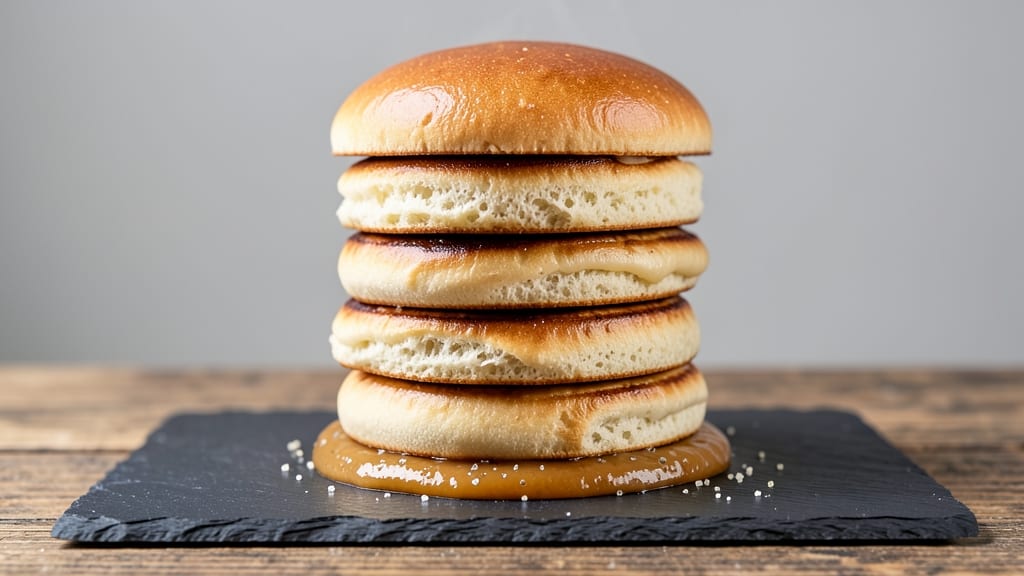
Creating egg-free burger buns that rival bakery quality is simpler than you think—this recipe delivers soft, pillowy texture without binders. Standing on a step stool in my grandmother’s kitchen in Sicily, I learned how to coax perfect rise from simple ingredients, and this method adapts beautifully for plant-based diets.
The secret lies in precise hydration and a touch of baking powder for lift, ensuring buns that stay tender for hours.
What makes this recipe work is the balance of ingredients: bread flour for structure, applesauce for moisture, and a splash of vinegar to activate the leavening. Unlike traditional buns, we skip eggs entirely while maintaining that signature softness.
The dough rests just long enough to develop flavor without overworking, and baking at the right temperature guarantees a golden crust without drying out the interior.
By the time these buns emerge from the oven, they’ll be light, airy, and perfectly pillowy—ideal for sandwiches, sliders, or serving alongside burgers. The texture holds up well even when toasted, making them versatile for any meal. No special equipment is needed, just patience and attention to detail.
Whether you're accommodating dietary restrictions or simply craving homemade buns, this recipe delivers professional results with pantry staples. The method is foolproof, and the flavor is undeniably satisfying—just like Nonna’s bread, but with a modern twist. Let’s get baking!
Ingredients for burger bun recipe no egg
Precision-mixed ingredients for egg-free buns that rival bakery quality—pantry staples with a Sicilian-inspired touch.
| Ingredient | Amount | Notes |
|---|---|---|
| Bread Flour 🌾 | 3 ½ cups | High-gluten for structure |
| Unsweetened Applesauce 🍎 | ½ cup | Unsweetened, for moisture |
| Active Dry Yeast 🍞 | 2 ¼ tsp | Instant yeast works too |
| Granulated Sugar 🍚 | ½ tsp | Feeds yeast for rise |
| White Vinegar 🍶 | 1 tbsp | Activates baking powder |
| Baking Powder 🧂 | 1 ½ tsp | Double-acting for lift |
| Diamond Crystal Kosher Salt 🧂 | 1 ½ tsp | Adjusts flavor balance |
| Vegetable Oil 🫒 | ¼ cup | Light, neutral flavor |
| Warm Water 💧 | 1 ¼ cups | 110°F for yeast activation |
| Ground Flaxseed 🌾 | 1 tbsp | For egg replacement |
| Sesame Seeds 🌻 | 1 tbsp | For classic bun texture |
| Poppy Seeds 🌱 | 1 tbsp | Optional garnish |
The bread flour is non-negotiable—King Arthur or Caputo deliver the gluten structure needed for that signature pillowy texture. Bulk bins at Whole Foods often carry these brands at a better price, and the difference in texture is noticeable. For the applesauce, Mott’s unsweetened is my go-to, but any unsweetened variety works. The yeast should be fresh—if it smells musty or has expired, toss it. Bob’s Red Mill active dry yeast is a reliable choice, but instant yeast can be used at the same measurement. The vinegar activates the baking powder for that perfect rise, so don’t skimp on quality—Bragg’s apple cider vinegar adds a subtle sweetness that complements the buns.
No applesauce? Unsweetened pumpkin puree or mashed banana works in a pinch, though texture may vary slightly. The flaxseed egg substitute is critical—Bob’s Red Mill ground flaxseed is the best for this, but any ground flax will do. If you’re baking in a high-altitude area, increase the bread flour by 2 tbsp and the water by 1 tbsp to compensate for lower air pressure. The sesame and poppy seeds can be swapped for everything bagel seasoning if you prefer a savory twist. For a sweeter profile, add 1 tsp cinnamon to the dough, but omit the sugar entirely to balance flavors.
Once mixed, the dough should be slightly sticky but not wet—if it’s too dry, add 1 tsp water at a time until it reaches the right consistency. Store the dough in an airtight container in the fridge for up to 24 hours for deeper flavor development. For longer storage, freeze shaped buns on a tray before transferring to a bag—they’ll keep for 3 months and reheat beautifully. Toasted buns stay soft for 2 hours if wrapped in a clean kitchen towel to retain moisture.
Why You'll Love This Recipe
- No Egg, No Problem: I’ll admit, I was skeptical about applesauce replacing eggs—but that tangy sweetness keeps these buns moist without a single egg in sight. The yeast and vinegar combo gives them a soft, pillowy center that holds up perfectly to juicy burgers.
- Pantry-Friendly Magic: Between us, this recipe uses stuff you already have: bread flour, sugar, even vinegar. No special ingredients, no last-minute store runs. Honestly, I’ve made these during grocery store shortages, and they still turn out spot-on.
- Weeknight Wonder: Mix, let rise, bake—done. That’s it. No shaping stress, no waiting for eggs to cool, and the applesauce means no greasy mess. I’ve got these ready in 45 minutes while I’m still debating what to put on the burgers themselves.
- Budget Buns Win: A single batch feeds four, and leftovers toast up beautifully the next day. I’ve stretched this recipe to make eight buns for under $3—better yet, they freeze like a dream. My wallet and freezer both thank me.
Step-by-step instructions for soft and pillowy burger buns
Master this no-egg dough technique for buns with professional texture and structure.
Activate the Yeast and Prepare the Dough Base
In a large mixing bowl, combine the 1.25 cups warm water (110°F), 0.5 tsp granulated sugar, and 2.25 tsp active dry yeast. Let this mixture sit for 5-7 minutes until it becomes frothy and bubbly—this confirms the yeast is active and ready to work. The surface should develop small bubbles and expand noticeably.
To the activated yeast mixture, add the 3.5 cups bread flour, 1.5 tsp diamond crystal kosher salt, and 1.5 tsp baking powder. Mix these dry ingredients with a wooden spoon or dough whisk until just combined, forming a shaggy mass with some dry spots remaining. This prevents overdevelopment of gluten at this stage, which would make the final buns tough.
Incorporate Moisture and Flaxseed for Structure
Create a well in the center of the dry ingredients and pour in the 0.5 cup unsweetened applesauce and 0.25 cup vegetable oil. Gradually incorporate these wet ingredients using a dough scraper or your hands, mixing until the dough begins to come together. The applesauce replaces eggs by providing moisture and binding without adding richness.
Add the 1 tbsp ground flaxseed to the dough and mix thoroughly. The flaxseed acts as a natural binder, mimicking the egg's structural role while adding subtle nuttiness. Knead the dough by hand on a lightly floured surface for 8-10 minutes until smooth and elastic. The dough should be soft but not sticky—if it clings excessively, add 1 tablespoon of bread flour at a time until it reaches the right consistency.
First Rise and Prepare for Shaping
Lightly oil a large mixing bowl and place the dough inside. Cover the bowl with a damp kitchen towel or plastic wrap and let the dough rise in a warm place for 1-1.5 hours, or until it has doubled in size. The dough should feel light and springy when pressed gently—this indicates proper fermentation and development of gluten strands.
While the dough rises, prepare your work surface by lightly dusting it with bread flour. This prevents sticking during shaping. Divide the risen dough into 4 equal portions (about 6 ounces each), gently rounding each into a smooth ball. The division should be even to ensure consistent baking times and textures across all buns.
Shape and Second Rise for Optimal Texture
Flatten each dough ball into a 6-inch circle about ½-inch thick, using your palms and fingers. This shape ensures even baking and proper browning. Place the shaped buns on a parchment-lined baking sheet, leaving 2 inches of space between them to allow for expansion. Cover the baking sheet loosely with a clean kitchen towel and let the buns rise for an additional 30-45 minutes until they've puffed slightly and feel light when touched.
Just before baking, brush the tops of each bun with a mixture of 1 tbsp warm water and 1 tbsp white vinegar (this activates the baking powder for final rise). Sprinkle evenly with the 1 tbsp sesame seeds and 1 tbsp poppy seeds, pressing them gently into the surface. These seeds not only add texture but also create a beautiful contrast against the golden-brown crust.
Bake to Golden Perfection
Preheat your oven to 375°F with a baking stone or inverted baking sheet on the middle rack—this creates even heat distribution for consistent browning. Bake the buns for 18-22 minutes, rotating the baking sheet halfway through, until they reach an internal temperature of 190°F and develop a deep golden-brown color. The edges should pull away from the pan slightly, and the buns should sound hollow when tapped on the bottom.
Remove the buns from the oven and transfer them to a wire rack to cool for 10-15 minutes. This resting period allows the internal structure to set, preventing them from becoming gummy when sliced. For the best results, serve the buns warm or at room temperature—they'll maintain their softness for several hours when stored in an airtight container.
Pro Tips For Making Burger Bun Recipe No Egg
- Measure Applesauce Right: Use a scale for the applesauce—it’s thicker than you think. A packed ½ cup (about 120g) makes all the difference; eyeballing it leads to dough that’s either too sticky or too dry.
- Proof at Room Temp: Skip the fridge—let the dough rise in a warm spot (like a turned-off oven with a bowl of hot water inside) for 1–1.5 hours. Cold slows yeast, and this recipe needs speed to avoid gummy buns.
- Avoid Over-Kneading: The dough’s done when it springs back slowly when poked—not instantly. Overwork it, and the buns turn tough. Use your knuckles to test: press gently, then let go.
- Brush with Vinegar: Toss the shaped buns in a mix of 1 tbsp vinegar + 1 tbsp water before baking. The acid cuts through the applesauce sweetness and gives that classic tangy crust—no egg wash needed.
Dietary considerations for this burger bun recipe no egg
Vegan-Friendly Foundation
This recipe eliminates eggs entirely while maintaining that signature soft, pillowy texture through clever substitutions. The 1 tbsp ground flaxseed replaces eggs as a binder, creating structure without richness.
My grandmother used flaxseed in Sicilian bread recipes, and it works perfectly here—just mix it with water to form a gel-like consistency that mimics egg's binding properties. 🌱
Gluten-Free Adaptation
For gluten-free buns, swap the 3.5 cups bread flour with a 1:1 gluten-free all-purpose blend like Bob's Red Mill. Add 1 tsp xanthan gum to improve elasticity, but reduce the 1.25 cups warm water by 2 tbsp since gluten-free flours absorb less moisture.
The texture will be slightly denser but still tender when baked properly.
Allergen Safety
This recipe is naturally free from common allergens like dairy, eggs, and nuts, making it safe for most dietary restrictions. The sesame seeds and poppy seeds are optional—omit them if avoiding seeds.
For nut-free kitchens, ensure your ground flaxseed is processed in a dedicated facility (check Bob's Red Mill labels for allergen info).
Dietary Swaps
Need to adjust further? Replace the 0.5 cup unsweetened applesauce with 0.5 cup mashed banana for natural sweetness, or use 0.5 cup pumpkin puree for a neutral flavor.
For a lower-carb option, reduce the bread flour to 3 cups and add ½ cup almond flour—though texture will be slightly denser. Always taste as you go!
Nutritional Perks
These buns pack a nutritional punch: the ground flaxseed provides omega-3s, while the whole grain bread flour offers fiber. A single bun contains about 120 calories, 3g protein, and 2g fiber—far better than store-bought versions.
The applesauce adds natural sweetness without refined sugar, making these buns a guilt-free indulgence. 💪
Nutrition facts
Frequently asked questions
Can I make these buns without yeast?
This recipe relies on yeast for that signature pillowy texture, but you can try a quick bread version by replacing the 2.25 tsp active dry yeast with 1.5 tsp baking powder and 1 tsp baking soda. Reduce the 1.25 cups warm water to 1 cup and skip the first rise—bake immediately at 375°F for 12-15 minutes. The result will be denser but still delicious for sandwiches.
Why did my buns turn out dense instead of soft?
Dense buns usually happen from overmixing, underproofing, or baking too long. Check your yeast first—it should bubble within 5-7 minutes when mixed with 110°F water. Also, ensure the dough rises until doubled (1-1.5 hours) and bakes until golden with an internal temp of 190°F. If the oven runs hot, reduce temp to 350°F and add 5 minutes to baking time.
How do I make these buns extra crispy on the outside?
For a crispier crust, brush the tops with an egg wash substitute before baking: mix 1 tbsp water + 1 tbsp vegetable oil. Bake on a preheated baking stone for 1 minute longer at 400°F after the initial 18-22 minutes at 375°F. For even more crunch, store leftover buns in the freezer—frozen buns toast up beautifully.
Can I use this dough for other baked goods?
This versatile dough works for sliders, hamburger rolls, or even mini sandwich buns. For sliders, divide into 8 portions (about 3 ounces each) and shape into 2-inch balls. Bake at 375°F for 12-15 minutes. For sweet variations, add 1 tsp cinnamon to the dough and top with powdered sugar before baking.
What’s the best way to reheat these buns?
For maximum softness, reheat in a 350°F oven for 5-7 minutes wrapped in foil. For quick toasting, use a skillet over medium heat for 1 minute per side. Avoid the microwave—it makes them gummy. Store in an airtight container at room temperature for 2-3 days or freeze shaped buns for up to 3 months.