
Side Dishes
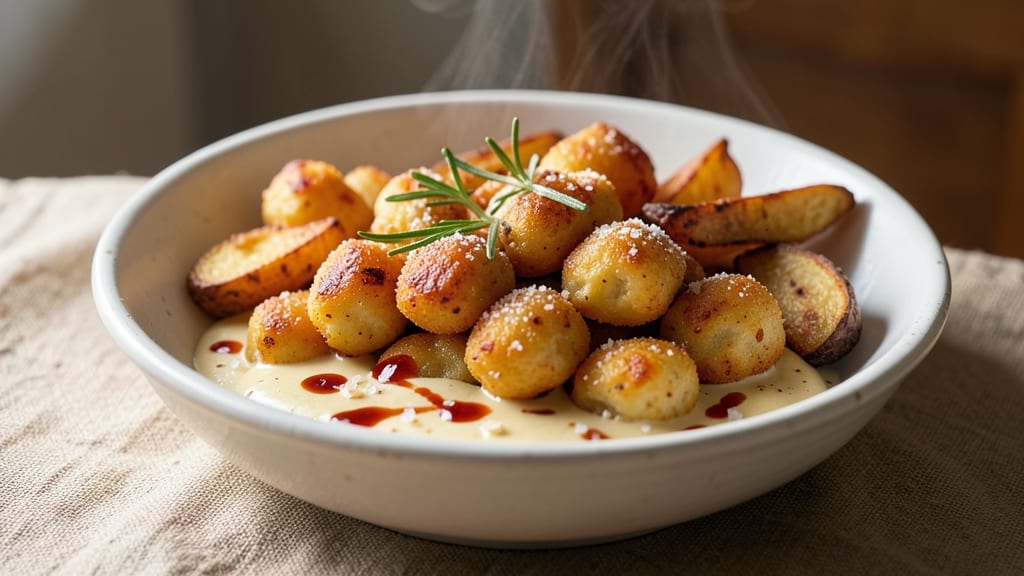
This sweet potato gnocchi recipe delivers pillowy, egg-free clouds that balance earthy sweetness with tender texture—perfect for vegetarian meals. The secret lies in using mashed potato and aquafaba (chickpea brine) to replace eggs, creating a dough that's both sturdy and delicate.
What makes this recipe stand out is how it transforms humble ingredients into restaurant-worthy gnocchi with minimal effort.
What you'll achieve is a dish that's naturally sweet, vibrant orange, and impossibly light—each piece collapsing into fluffy perfection when boiled. The dough requires just 15 minutes of prep time and rests for 30 minutes before shaping, ensuring foolproof results even for beginners.
This method also works beautifully for vegan diets with simple adjustments.
The beauty of this recipe lies in its versatility—serve it with brown butter and sage, a rich tomato sauce, or even as a hearty breakfast dish with fried eggs on top.
The sweet potatoes add natural sweetness that pairs wonderfully with savory flavors, while the pillowy texture makes every bite satisfying.
Ready in under 45 minutes total, this recipe proves you don't need eggs to create gnocchi that steals the show. The key techniques—proper dough resting, gentle shaping, and perfect boiling—will give you professional-quality results at home. Let's get started on these sweet potato clouds!
Ingredients for sweet potato gnocchi recipe no egg
Transform humble root vegetables and pantry staples into restaurant-quality gnocchi without a single egg.
| Ingredient | Amount | Notes |
|---|---|---|
| Large Sweet Potatoes 🍠 | 2 whole | Organic preferred, peeled and boiled |
| Russet Potatoes 🥔 | 1 ½ lb | Yukon gold works too, peeled |
| Aquafaba 🥫 | ½ cup | From canned chickpeas, unsalted |
| All-Purpose Flour 🌾 | 1 ½ cups | Gluten-free blend for GF option |
| Semolina Flour 🌾 | ½ cup | For dusting and texture |
| Salt 🧂 | 1 tsp | Diamond Crystal preferred |
| Nutritional Yeast 🧀 | 2 tbsp | For cheesy flavor, optional |
| Extra-Virgin Olive Oil 🫒 | 2 tbsp | For dough and finishing |
| Fresh Sage Leaves 🌿 | ¼ cup | Chopped for serving |
| Garlic Cloves 🧄 | 3 cloves | Minced for brown butter |
| Unsalted Butter 🧈 | ½ cup | Browned for sauce |
| Vegetable Stock 💧 | ½ cup | For finishing sauce |
The sweet potatoes are the foundation—organic varieties like Jewel or Garnet have the best texture and sweetness. Most grocery stores carry them year-round, but local farmers markets in fall often have the freshest selection. For the russet potatoes, Idaho-grown (when available) yields the fluffiest mash. The aquafaba should come from low-sodium canned chickpeas—drain and measure carefully, as the liquid level varies by brand. If you can't find semolina, fine cornmeal works in a pinch, though the gnocchi will be slightly less rustic. Nutritional yeast adds depth without dairy, and Bob's Red Mill or Bragg brands are reliable choices for consistent flavor.
No aquafaba? Flax eggs (2 tbsp ground flaxseed + 6 tbsp water) mimic the binding properties, though the texture will be denser. Swap semolina for all-purpose flour if needed, but the gnocchi may stick more during cooking. For the brown butter, European-style butter (like Plugrá) has higher fat content and browns more beautifully. If you're vegetarian but also vegan, replace butter with vegan butter or coconut oil—just note the flavor will differ slightly. The vegetable stock can be homemade or a quality low-sodium brand like Pacific Foods or Imagine. Fresh sage is ideal, but dried sage at half the amount works if you're in a bind.
Store the gnocchi dough in an airtight container between uses, covered with a damp towel to prevent drying. It keeps for up to 24 hours in the fridge, though fresh is always best. For longer storage, freeze shaped gnocchi on a parchment-lined tray before transferring to a bag—this prevents sticking. Thaw overnight in the fridge before boiling. The brown butter sauce can be made ahead and reheated gently, adding a splash of vegetable stock to restore moisture. Leftovers reheat beautifully in a 350°F oven for 10-12 minutes until golden and crispy.
Why You'll Love This Recipe
- No Egg, No Problem: I’ll admit, I was skeptical about aquafaba holding it together—but that chickpea brine? Chef’s kiss. The gnocchi stays light, pillowy, and never falls apart, even when tossed with heavy sauces.
- Sweet & Savory Balance: The sweet potatoes bring natural sweetness that caramelizes beautifully, while the russet adds that classic gnocchi bite. Honestly, it’s the kind of dish where every bite feels like a hug—comforting but not heavy.
- Meal Prep MVP: Between us, this makes my freezer life so much easier. I portion the dough into little balls, freeze them raw, and boil straight from frozen when I’m too tired to plan. Zero waste, zero stress.
- Budget-Friendly Luxury: Russets and sweet potatoes are pantry staples, and aquafaba? Free if you buy chickpeas anyway. I’ve made this for date nights, family dinners, and even potlucks—no one ever guesses it’s not from a fancy restaurant.
Step-by-step instructions for sweet potato gnocchi
Mastering this egg-free technique transforms humble sweet potatoes into pillowy, melt-in-your-mouth gnocchi.
🍳 Step 1: Prepare the Sweet Potato and Russet Potato Base
Boil the 2 whole Large Sweet Potatoes and 1.5 lb Russet Potatoes in salted water until fork-tender—about 20-25 minutes. Drain immediately and let cool slightly before peeling. I like to work with slightly warm potatoes; they're easier to mash without sticking.
Transfer the peeled potatoes to a clean kitchen towel and press firmly to remove excess moisture. This step is crucial—wet potatoes make the dough sticky and impossible to handle. Once dry, return them to the pot and mash until completely smooth with no lumps. The texture should resemble thick mashed potatoes with a slightly grainy consistency.
While the potatoes cool, whisk together the 0.5 cup Aquafaba and 1 tsp Salt in a small bowl until frothy. This mixture will act as our egg substitute, binding the dough without adding richness. Set aside at room temperature until ready to use.
👨🍳 Step 2: Combine Potatoes with Flour and Aquafaba
Transfer the mashed potatoes to a clean work surface and create a well in the center. Pour in the 1.5 cups All-Purpose Flour and 0.5 cup Semolina Flour, then add the whipped Aquafaba mixture. Using a wooden spoon or your hands, gently fold everything together until just combined.
Here's the thing—you want the dough to be soft but not sticky. If it feels too dry, add 1 tablespoon of water at a time until it holds together when pressed. If it's too wet, sprinkle in additional flour. The ideal texture should be like damp playdough that doesn't cling to your fingers when handled gently.
Knead lightly for 2-3 minutes until smooth. Avoid overworking the dough, as this develops gluten and makes the gnocchi tough. Wrap the dough in plastic wrap and let it rest at room temperature for 30 minutes—this allows the flour to fully hydrate and the dough to firm up slightly.
🔪 Step 3: Shape the Gnocchi by Hand
Divide the rested dough into 4 equal pieces and roll each piece into a long rope about 1-inch thick. Using a sharp knife or gnocchi board, cut the rope into 1-inch pieces. For the classic ridged texture, roll each piece gently over the back of a fork or a gnocchi board to create ridges.
I press down firmly on the fork ridges—this ensures they'll hold their shape when cooked. If the dough feels too sticky, dust your work surface with additional semolina flour. Arrange the shaped gnocchi on a floured baking sheet and cover with a damp towel to prevent drying while you work.
For best results, cook the gnocchi immediately after shaping. If you need to wait, refrigerate them for up to 2 hours before cooking. Never freeze uncooked gnocchi made with aquafaba—they won't hold their shape properly.
🍳 Step 4: Cook to Perfect Pillowy Perfection
Bring a large pot of salted water to a gentle boil—it should be rolling but not violent. Add the gnocchi in batches (don't overcrowd) and stir gently to prevent sticking. Cook for 2-3 minutes until they float to the surface and are tender when pierced with a fork.
Remove with a slotted spoon and drain well. The key here is timing—gnocchi cook quickly once they float, so watch them closely. Overcooking turns them gummy; undercooking leaves them dense. For the best texture, finish cooking in the sauce if you're serving them immediately.
🥘 Step 5: Prepare the Brown Butter Sage Sauce
In a large skillet, melt the 0.5 cup Unsalted Butter over medium heat. Add the 3 cloves Garlic Cloves and cook until the butter turns golden brown and fragrant—about 3-4 minutes. Remove the garlic immediately to prevent burning.
Stir in the 0.25 cup Fresh Sage Leaves and cook for 30 seconds until wilted. Pour in the 0.5 cup Vegetable Stock and simmer for 1 minute until slightly reduced. Toss in the cooked gnocchi and any accumulated juices, then add the 2 tbsp Nutritional Yeast and 2 tbsp Extra-Virgin Olive Oil. Toss gently to coat everything in the sauce.
Serve immediately while hot, garnished with additional fresh sage leaves. The sauce should cling beautifully to each pillowy gnocchi, creating a perfect balance of earthy sweetness and nutty richness. Each bite should deliver that signature melt-in-your-mouth texture with a satisfying bite from the ridges.
Pro Tips For Making Sweet Potato Gnocchi Recipe No Egg
- Boil Until Fork-Tender: Peel and cut your sweet potatoes and russets into even chunks—about 2 inches thick—so they cook uniformly. I learned this the hard way: mushy centers mean gnocchi that fall apart when rolled, and no one wants that. Boil them until you can pierce them with a fork with zero resistance, then let them cool completely before mashing.
- Chill the Dough: After mixing your dough with aquafaba, flour, and semolina, resist the urge to rush. Wrap it in plastic and refrigerate for at least 30 minutes—this makes rolling and cutting so much easier, especially if your kitchen is warm. I used to skip this, and the dough stuck to everything like glue.
- Use a Ruler for Rolls: Skip the guesswork when rolling the dough into ropes: press it through a fluted gnocchi board or use a ruler to guide your knife for even, consistent ridges. Uneven rolls mean uneven cooking, and that’s frustrating when some pieces turn to mush while others stay undercooked.
- Toast the Semolina: Before mixing, lightly toast the semolina in a dry pan over medium heat for 2-3 minutes until it smells nutty. This adds depth to the flavor and prevents the gnocchi from turning gummy when cooked. I was skeptical at first, but it’s the subtle detail that makes this egg-free version actually taste like the real deal.
Dietary considerations for this sweet potato gnocchi recipe no egg
Egg-Free Binders
Traditional gnocchi relies on eggs for structure, but this recipe uses aquafaba (chickpea brine) to bind the dough while keeping it light and airy. The 0.5 cup aquafaba mimics egg proteins, creating elasticity without adding richness.
For a flaxseed alternative, mix 2 tbsp ground flaxseed with 6 tbsp water—let it sit for 5 minutes to thicken before using. Both substitutes work, but aquafaba yields a more tender texture. 🥫
Vegetarian Adaptations
This recipe is naturally vegetarian, but for vegan adjustments, replace the 0.5 cup unsalted butter with vegan butter (like Miyoko's) or coconut oil. The brown butter's nutty depth will shift slightly, but the dish remains delicious.
Nutritional yeast adds a cheesy flavor without dairy—skip it for a strictly plant-based version. For extra protein, toss cooked gnocchi with 1 cup sautéed mushrooms or crispy chickpeas.
Gluten-Free Options
Swap the 1.5 cups all-purpose flour and 0.5 cup semolina for a 1:1 gluten-free flour blend (like King Arthur or Bob's Red Mill). Add 1 tbsp xanthan gum to improve binding. The texture will be slightly denser, but the sweet potatoes' natural sweetness balances it.
For extra moisture, reduce the flour by 2 tbsp—gluten-free doughs absorb liquid differently. Always check your blend's instructions for best results. 🌾
Allergen-Friendly Tips
To avoid cross-contamination, use separate utensils and surfaces for this recipe if allergies are a concern. For nut-free kitchens, ensure your semolina flour is processed in a nut-free facility (some brands contain trace amounts).
If avoiding chickpeas, substitute aquafaba with 1 tbsp ground chia seeds + 3 tbsp water—let it gel for 10 minutes before using. Always label your gnocchi clearly if sharing with others who have dietary restrictions.
Sweet Potato Variations
For a deeper sweetness, roast the sweet potatoes at 400°F for 30 minutes before mashing—they caramelize slightly, enhancing flavor. Swap 1 cup of the russet potatoes for butternut squash (peeled and boiled) for a milder, creamier texture.
Purple sweet potatoes add vibrant color and a slightly earthier taste, though the texture remains identical. Adjust the sauce sweetness by adding 1 tsp maple syrup** if serving to kids or as a dessert.
Nutrition facts
Frequently asked questions
Why does this recipe use aquafaba instead of eggs?
Aquafaba mimics egg proteins perfectly—it creates elasticity while keeping the gnocchi light and airy. The 0.5 cup used here binds the dough without adding richness, making it ideal for vegetarian or vegan diets. Plus, it's a zero-waste kitchen trick!
Can I make these gnocchi ahead of time?
Yes! Shape the gnocchi and refrigerate them on a floured tray for up to 2 hours before cooking. For longer storage, freeze them raw (uncooked) on a tray first, then transfer to a bag. Cook from frozen—just add 1 minute to the boiling time. Never freeze uncooked gnocchi made with aquafaba—they won't hold their shape.
What if my dough feels too sticky?
Add 1 tablespoon semolina flour at a time until the dough holds together when pressed. The ideal texture should be soft but not clingy—like damp playdough. If it's too dry, add 1 teaspoon water. Remember: overworking the dough makes it tough, so handle gently!
How do I know when the gnocchi are done?
They're ready when they float to the surface and a fork pierces them easily (about 2-3 minutes of boiling). Overcooking turns them gummy, so remove them immediately! For extra flavor, finish cooking in the sauce for 30 seconds—this helps them absorb the brown butter sage perfectly.
Can I use regular potatoes instead of sweet potatoes?
You can, but you'll lose the natural sweetness and vibrant color. For best results, stick with the sweet potato base—it balances beautifully with the savory brown butter sauce. If you're set on regular potatoes, add 1 teaspoon cinnamon or maple syrup to the dough for depth.