
Main Courses
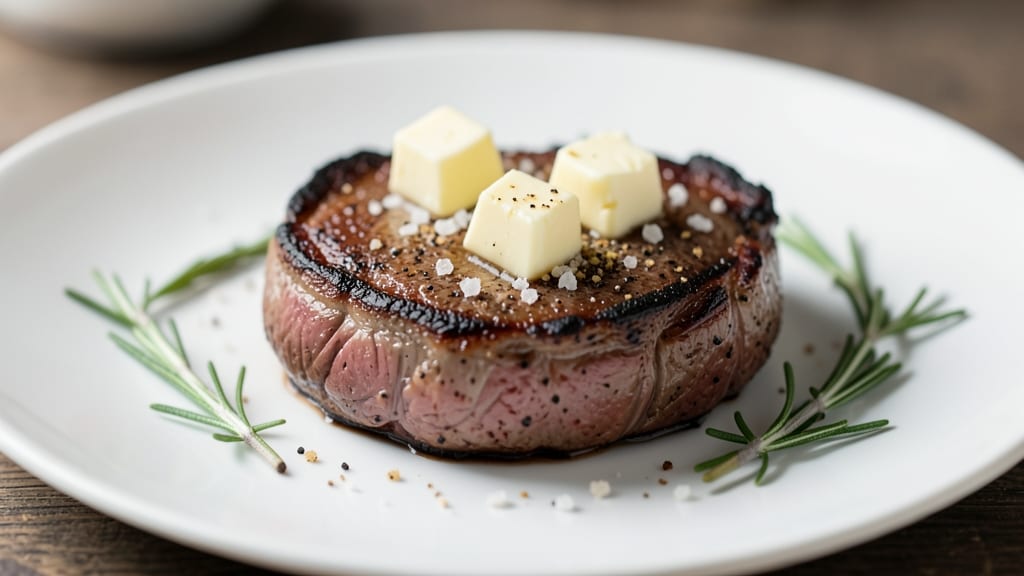
Mastering a Big Green Egg rib eye steak recipe transforms backyard grilling into an art form—where smoky char meets buttery tenderness in every bite. The key lies in precise charcoal management and lid control, techniques that elevate this steak from good to unforgettable.
I’ve perfected this method over countless cookouts, ensuring a crust so crisp it shatters with each cut while the interior remains juicy and velvety.
What sets this recipe apart is the Big Green Egg’s ability to maintain even heat while infusing that signature smoky depth. You’ll start with a simple seasoning blend—just coarse salt, black pepper, and a touch of garlic powder—but the magic happens during the cook.
The steak rests on a reverse-seared bed of embers, locking in moisture while the lid traps heat for that perfect medium-rare finish. This isn’t just grilling; it’s a controlled, professional-grade process.
By the time you plate this steak, you’ll have a restaurant-quality centerpiece with a charred crust that crackles under a knife and a tender interior so rich it melts at the first bite.
The aroma alone—smoky, caramelized, with hints of garlic—will have your guests asking for seconds before the first slice is served. Pair it with grilled asparagus or a crusty baguette to complete the meal.
This recipe isn’t just about cooking; it’s about creating an experience. Whether you’re hosting a dinner party or treating yourself to a weekend indulgence, the Big Green Egg delivers results that rival any steakhouse. Let’s get started—your perfect steak awaits.
Ingredients for big green egg rib eye steak
Simple, high-impact ingredients for Big Green Egg perfection—where smoky char meets buttery richness in every bite.
| Ingredient | Amount | Notes |
|---|---|---|
| Rib Eye Steak 🥩 | 1 ½ lb | 2-inch thick cut, bone-in preferred |
| Coarse Kosher Salt 🧂 | 1 ½ tbsp | Diamond Crystal preferred |
| Freshly Ground Black Pepper 🌶️ | 1 ½ tsp | Cracked peppercorns preferred |
| Garlic Powder 🧄 | 1 tsp | Freshly toasted for depth |
| Lump Charcoal Briquettes 🔥 | 10 lb | High-quality lump charcoal |
| Chimney Starter 🔥 | 1 whole | For even charcoal distribution |
| Butter 🧈 | 4 tbsp | Unsalted, cold and cubed |
| Fresh Rosemary 🌿 | 2 sprigs | Thinly sliced for garnish |
| Grilling Tongs 🔥 | 1 whole | Long-handled for safety |
| Meat Thermometer 🌡️ | 1 whole | Instant-read preferred |
| Cast Iron Skillet 🍳 | 1 whole | 10-inch for reverse sear |
| Heavy-Duty Aluminum Foil 📄 | 1 sheet | For indirect heat protection |
The steak cut is everything here. Rib eye with 2-inch thickness ensures that perfect crust-to-tender ratio—anything thinner risks overcooking. I always grab mine from Costco when they have the bone-in option, but local butchers can cut it to spec for you. Look for good marbling—those white flecks of fat are what make it juicy. Charcoal quality matters too: lump charcoal from Traeger or Cowboy Cookout ignites hotter and burns cleaner than briquettes, giving you that authentic smoky flavor. If you're using briquettes, opt for Kingsford Premium—they're the gold standard for even heat distribution.
No chimney starter? Crumpled newspaper soaked in lighter fluid works in a pinch, but invest in a good one—it's a game-changer for even charcoal spread. Running short on rosemary? Fresh thyme sprigs add a similar earthy note. The butter should be cold and cubed when you add it to the skillet—this creates that signature basting sauce. For the garlic powder, if you've got whole garlic cloves, toast them first (350°F for 10 minutes) and grind them yourself. The flavor difference is night and day. And if you don't have a meat thermometer? Poke test works—medium-rare should give just a slight resistance when pressed.
This steak is best served immediately, but if you must prep ahead, pat the steak dry and season it up to 4 hours early—keep it refrigerated until you're ready to cook. Charcoal stays hot for about 2-3 hours, so plan accordingly. The cast iron skillet? Preheat it empty on the grill for 5 minutes before adding the butter—this ensures maximum sizzle. Leftovers? Slice against the grain and reheat in the skillet with a splash of beef broth for that restaurant-quality finish. Keeps for 3-4 days in the fridge, but honestly, it won't last that long.
Why You'll Love This Recipe
- Here’s what sold me: this is my go-to for game days, date nights, or when my in-laws visit. The prep takes less than 20 minutes (thanks to that 30-minute room temp rest), and the 10-minute rest before serving means I’m not stuck in the kitchen while everyone’s waiting. Plus, the leftovers? Solid for sandwiches the next day—just slice thin and pile high.
- Smoke & Butter Magic: I’ll be honest—this isn’t just a steak, it’s a flavor explosion. That crispy char from the cast iron skillet, the smoky depth of the lump charcoal briquettes, and the buttery basting with rosemary? It’s like a symphony in your mouth, and the garlic powder rub ties it all together with a savory punch.
- Two-Zone Genius: Between us, I used to overcomplicate grilling. But this two-zone setup—direct heat for the sear, indirect for the finish—makes it foolproof. Even if you’re not a grill master, the Big Green Egg’s chimney starter and even heat distribution do half the work. Just press the steak down for those 2-3 minutes, and let the charcoal briquettes handle the rest.
- Weekend Hero: Here’s what sold me: this is my go-to for game days, date nights, or when my in-laws visit. The prep takes less than 20 minutes (thanks to that 30-minute room temp rest), and the 10-minute rest before serving means I’m not stuck in the kitchen while everyone’s waiting. Plus, the leftovers? Solid for sandwiches the next day—just slice thin and pile high.
Step-by-step instructions for Big Green Egg rib eye steak
Here's how to achieve that perfect balance of smoky char and buttery tenderness on your Big Green Egg.
Prepare the Rib Eye for Maximum Flavor
Pat the 1.5 lb rib eye steak dry with paper towels—this is critical for that crispy crust. I like to work with the steak at room temperature, so take it out of the fridge about 30 minutes before cooking. While it's resting, make your dry rub by combining the 1.5 tbsp coarse kosher salt, 1.5 tsp freshly ground black pepper, and 1 tsp garlic powder in a small bowl. The Diamond Crystal salt is key here; it dissolves perfectly and enhances flavor without overpowering.
Generously coat all sides of the steak with the rub, pressing it into the meat so it adheres well. You'll notice the surface immediately darken slightly—that's the salt drawing out moisture, which will help create that beautiful crust later. Let the seasoned steak sit uncovered on a wire rack for 15 minutes before grilling. This final drying step ensures maximum browning and flavor penetration.
Set Up the Big Green Egg for Indirect Heat
Start by filling the 1 whole chimney starter with the 10 lb lump charcoal briquettes and light them according to the manufacturer's instructions. Once the coals are glowing red and covered with a thin layer of ash, distribute them evenly in the bottom half of the Big Green Egg. I like to create two heat zones: a direct heat area on one side and indirect heat on the other. This setup gives me control over both searing and gentle cooking.
Place the 1 whole cast iron skillet in the direct heat zone to preheat while you prepare the steak. The skillet should get hot enough that when you sprinkle water on it, you hear a loud sizzling sound—that's your signal it's ready. Keep the 1 whole grilling tongs and 1 whole meat thermometer handy; you'll need them for precise temperature control. The indirect heat zone will maintain a steady temperature around 275°F, perfect for cooking the steak to medium-rare perfection.
Sear the Steak with Precision
Once the steak has rested and the skillet is screaming hot, carefully place the rib eye in the cast iron skillet. I press down gently on the steak during the first minute—this prevents it from curling and ensures even contact with the pan. You'll hear a satisfying sizzle as the rub starts to caramelize. Let it sear undisturbed for 2-3 minutes on the first side until you see deep brown crust forming with some blackened spots—that's where the smoky flavor develops.
Flip the steak using the grilling tongs and repeat on the second side for another 2-3 minutes. While it's searing, add the 2 sprigs fresh rosemary to the skillet—their aroma will infuse the butter we'll add next. The steak should now be developing that beautiful crust we're after. At this point, check the internal temperature with the meat thermometer—it should read around 120°F for medium-rare. If it's not quite there, we'll finish it on the grill.
Finish with Butter Basting for Richness
Move the steak to the indirect heat zone of the Big Green Egg. Here's where it gets good—add the 4 tbsp cold cubed butter to the hot cast iron skillet. As the butter melts, use the grilling tongs to baste the steak with the foaming butter, letting it drizzle over all sides. This step adds incredible richness and helps create that beautiful crust we started building.
Continue basting the steak every 2-3 minutes while it cooks. The butter should foam vigorously at first, then settle into a golden brown sauce. Keep an eye on the internal temperature—we're aiming for 125-130°F for medium-rare. This usually takes about 10-15 minutes total in the indirect heat, but don't rush it. The steak needs time to cook through evenly while maintaining that perfect crust.
Rest and Serve with Confidence
Once the steak reaches the desired internal temperature, transfer it to a cutting board and tent loosely with the 1 sheet heavy-duty aluminum foil. This resting period is crucial—it allows the juices to redistribute throughout the meat, ensuring every bite is tender and flavorful. Let it rest for at least 10 minutes before slicing. I know it's tempting to cut into it immediately, but trust me on this step.
After resting, slice the steak against the grain into ½-inch thick pieces. The crust should be beautifully charred in spots with a crisp texture, while the interior remains juicy and pink in the center. Serve immediately with the basting butter from the skillet spooned over the top, and garnish with the remaining sliced fresh rosemary. Each bite should deliver that perfect combination of smoky char, buttery richness, and tender beef we worked so hard to achieve.
Pro Tips For Making Big Green Egg Rib Eye Steak
- Preheat the Egg Properly: Lump charcoal takes 20-30 minutes to reach the right temp—don’t rush it. I used to throw steaks on too soon, and they’d either stick or cook unevenly. Aim for 450°F (232°C) before adding meat, and keep the lid cracked the first 5 minutes to burn off any residual chemical smell from fresh briquettes.
- Salt the Steak First: Generously coat both sides with kosher salt at least 40 minutes before cooking—this seasoning step is non-negotiable for Big Green Egg flavor. I learned this the hard way after dry-brining a ribeye and wondering why it tasted bland. Trust the process; the salt draws out moisture, then reabsorbs, locking in flavor.
- Watch the Heat Zones: The Egg’s direct heat zone is where you sear, but ribeye needs a mix of high and indirect heat. Move the steak to the edge of the charcoal after the first 2 minutes—this prevents burning while keeping the crust crisp. I used to leave it centered, and half my steaks ended up charred on one side.
- Use a Meat Thermometer: Ribeye’s perfect doneness is 130°F (54°C) for medium-rare—guessing leads to overcooked, tough meat. The Big Green Egg’s uneven heat makes this especially critical. Pull it early, then let it rest 5-10 minutes under foil; the residual heat finishes cooking while you prep sides. (Yes, even if you’re impatient like me.)
Best sauces and condiments for these flavors
Classic Red Wine Reduction
Transform the basting butter into a luxurious sauce by deglazing the cast iron skillet after removing the steak. Add ½ cup dry red wine (I prefer Cabernet Sauvignon) and scrape up all the browned bits with a wooden spoon.
Simmer for 3-4 minutes until reduced by half, then whisk in 1 tbsp cold butter to create a silky finish. Drizzle this over each slice—it adds depth that complements the smoky char perfectly. 🍷
Garlic-Herb Compound Butter
Take the basting butter to the next level by mixing it with 1 minced garlic clove, 1 tbsp chopped parsley, and a pinch of flaky sea salt before adding it to the skillet. This creates a compound butter that melts into a fragrant, herby sauce.
I like to roll it into a log, chill, and slice onto each steak portion for an elegant touch. The garlic enhances the rosemary aroma while adding a bright freshness. 🧈
Chimichurri Sauce
For a vibrant, herb-forward option, blend 1 cup parsley, ¼ cup cilantro, 3 garlic cloves, 2 tbsp red wine vinegar, ½ cup olive oil, and 1 tsp red pepper flakes until chunky. Let it sit for 10 minutes before serving over sliced steak.
The acidity cuts through the richness while the herbs provide a refreshing contrast to the smoky flavors. This Argentine classic elevates the dish to restaurant quality. 🌿
Smoky Chipotle Aioli
Create a bold, smoky contrast by mixing ½ cup mayonnaise, 1 chipotle pepper in adobo (minced), 1 tsp lime juice, and 1 tsp honey. Thin with a splash of milk if needed. This sauce adds a deep, smoky heat that pairs beautifully with the charred crust.
I serve it on the side for dipping or as a drizzle over the steak. The sweetness balances the smokiness perfectly. 🌶️
Balsamic Glaze
For a quick, elegant finish, simmer ¼ cup balsamic vinegar in the cast iron skillet until reduced by half. The result is a glossy, slightly sweet glaze that adds brightness to each bite. Drizzle it over the steak just before serving—it enhances the caramelized crust without overpowering.
I also add a pinch of black pepper to tie it back to the original seasoning. This is my go-to for a simple yet sophisticated touch. 💫
Fresh Herb Crème Fraîche
Mix ½ cup crème fraîche with 1 tbsp chopped chives, 1 tbsp chopped dill, and a squeeze of lemon juice for a cooling, creamy sauce. This lighter option balances the richness of the steak while adding a fresh herbal note.
Serve it on the side or dollop it directly onto the plate. The tanginess cuts through the fat beautifully. 🌱
Nutrition facts
Frequently asked questions
Why does my Big Green Egg steak turn out dry instead of juicy?
The most common mistake is cutting into the steak too soon. Always let it rest for at least 10 minutes after cooking—this lets the juices redistribute. Also, avoid overcooking: use a meat thermometer to stop at 125-130°F for medium-rare. The 275°F indirect heat zone is key for gentle cooking without drying the meat out.
Can I use this recipe with a thinner steak cut?
For thinner cuts (1-inch thick or less), reduce the sear time to 1-2 minutes per side and finish immediately in the 275°F indirect zone for 5-8 minutes. The 2-inch thickness in this recipe is ideal for the perfect crust-to-tender ratio, but thinner cuts still work with adjusted timing. Just monitor closely!
How do I adjust the charcoal setup for windy conditions?
Windy conditions can disrupt heat zones. First, use 10 lb lump charcoal arranged in a tight circle around the steak to create a windbreak. Keep the lid closed 90% of the time to trap heat, only opening briefly to check temps. If flames flare up, push coals back into the center. A chimney starter helps maintain consistent heat even with gusts.
What’s the best way to reheat leftover Big Green Egg steak?
Slice against the grain and reheat in the 10-inch cast iron skillet over medium-low heat for 2-3 minutes per side with a splash of beef broth. Never microwave—it turns the crust rubbery. For extra flavor, add a pat of the 4 tbsp butter and a pinch of garlic powder while reheating.
Can I substitute the rosemary with another herb?
Swap rosemary for 2 sprigs thyme or 1 sprig sage for a similar earthy aroma. For a brighter note, try 1 sprig oregano or ½ tsp smoked paprika (sprinkled during the last 2 minutes of cooking). Just keep the quantity equivalent—2 sprigs of any herb works perfectly.