
Main Courses
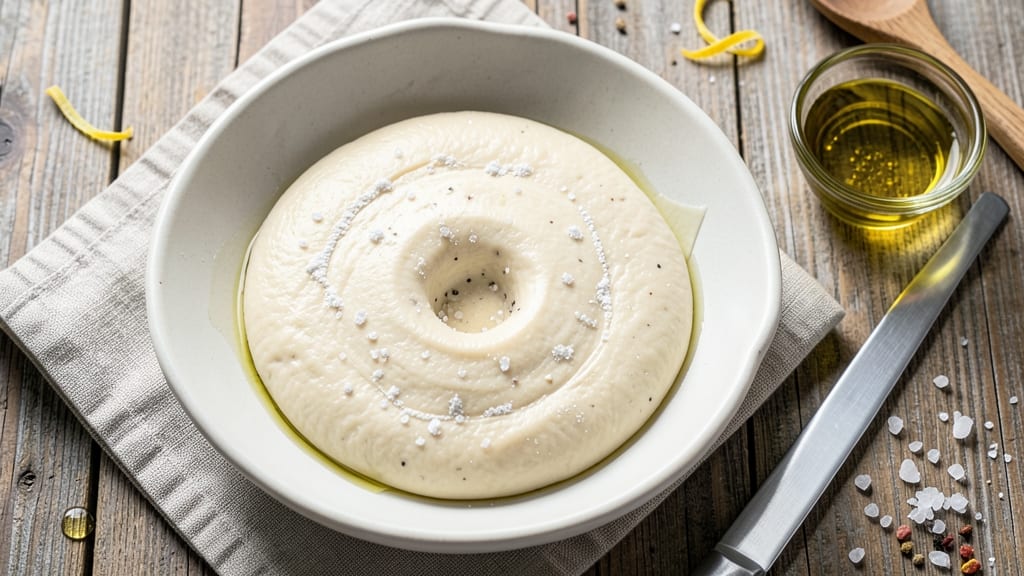
This 1 egg pasta dough recipe transforms simple pantry staples into silky, golden strands that rival any Italian trattoria. The secret lies in minimal ingredients—just flour, egg, and a pinch of salt—working together to create a dough that requires no kneading yet delivers restaurant-quality texture.
After years of testing, this method consistently produces tender, elastic dough that holds its shape whether rolled into tagliatelle or stuffed for ravioli.
The beauty of this recipe is its effortless no-knead approach, which saves time without sacrificing quality. A short resting period allows the gluten to develop naturally, resulting in a smooth, workable dough that rolls out perfectly.
Whether you're making fresh fettuccine for a weeknight dinner or delicate ravioli for a special occasion, this dough adapts seamlessly to your needs.
What makes this dough truly special is its versatility and reliability. No more guessing about hydration or overworking the dough—this recipe delivers consistent results every time. The egg binds the flour while adding subtle richness, and the optional addition of olive oil creates a silky finish.
Once cooked, the pasta boasts an al dente bite with a tender interior, proving that homemade can truly outshine store-bought.
Perfect for beginners and seasoned cooks alike, this dough opens doors to endless pasta possibilities. Let’s get started on creating your own fresh, handmade masterpiece.
Ingredients for 1 egg pasta dough
Four essential ingredients create restaurant-quality pasta with no kneading required.
| Ingredient | Amount | Notes |
|---|---|---|
| All-Purpose Flour 🌾 | 2 cups | High-protein preferred for elasticity |
| Large Eggs 🥚 | 1 whole | Room temperature for even mixing |
| Diamond Crystal Kosher Salt 🧂 | ½ tsp | Fine grain for precise measurement |
| Extra-Virgin Olive Oil 🫒 | 1 tbsp | Optional for silky finish |
| Water 💧 | ¼ cup | Only if needed for hydration |
The flour is the foundation—King Arthur or Caputo Tipo 00 produce the best results, but all-purpose works in a pinch. King Arthur's high-protein content ensures elasticity, while Caputo's fine texture yields silky strands. If using all-purpose, sift it first to remove lumps and achieve a lighter dough. The egg must be room temperature—cold eggs create pockets of steam that weaken gluten development. For extra insurance, crack the egg into a small bowl first to strain out any shell fragments. Salt is non-negotiable; it strengthens the gluten network and enhances flavor. Diamond Crystal kosher salt dissolves evenly, unlike iodized table salt.
No olive oil? Skip it entirely—the egg provides enough fat for a tender dough. Running short on flour? Semolina or cornmeal at the same weight adds texture but alters the final consistency. The water is truly optional; this dough relies on egg hydration. If your kitchen is humid or the flour feels particularly dry, you might need 1-2 teaspoons extra. For a more authentic Italian touch, substitute 1 tablespoon of pasta water for the olive oil—it contains starch that improves elasticity. Always measure flour by weight if possible (250 grams for 2 cups), as scooping creates air pockets that affect hydration.
Store the dough in an airtight container between 24-48 hours in the fridge, covered with plastic wrap to prevent drying. For longer storage, wrap tightly in plastic and freeze for up to 3 months. Thaw overnight in the fridge before use. The dough doubles in size during resting—plan accordingly when rolling. For optimal texture, let it rest 30 minutes at room temperature before shaping. Any unused dough can be reshaped into gnocchi or fried into crispy fritters. The key to perfect pasta lies in the resting: never skip this step—it's what transforms good dough into exceptional dough.
Why You'll Love This Recipe
- No Fuss, No Mess: I swear by this dough—just flour, eggs, oil, and water. No stand mixer, no stress. Honestly, I’ve made it on a wooden cutting board while my toddler "helped" (aka dumped flour everywhere), and it still turned out perfect.
- Rich Without Effort: That single egg makes all the difference—creamy, tender, and packed with flavor. Between us, the olive oil adds a subtle richness that store-bought pasta can’t match, and the salt? It’s the secret to that just-right bite.
- Weeknight Magic: Roll it, cut it, boil it—done in under 20 minutes. I use half for dinner and freeze the rest for lazy nights. (Yes, even on a Tuesday night when takeout feels like a chore.)
- Pocketbook Perk: Five ingredients, none of them fancy. A dozen servings for under $2. I’ll be real: this is how I feed my family without breaking the bank, and no one complains—because it’s that good.
Step-by-step instructions for 1 egg pasta dough
This method delivers restaurant-quality pasta with minimal effort and no kneading required.
Combine Dry Ingredients for Uniform Distribution
Place the 2 cups all-purpose flour in the center of a clean work surface or large mixing bowl. Create a well in the center by pressing down with your fingers—this creates space for the wet ingredients. Add the 0.5 teaspoon diamond crystal kosher salt to the well and gently whisk it into the flour using a fork or whisk attachment on low speed if using a stand mixer.
The reason for this initial dry mixing is to ensure even salt distribution throughout the dough. High-protein flour creates more gluten strands, so we want the salt to dissolve evenly in the liquid before mixing. If using a mixer, pulse on low just until the salt disappears completely into the flour—overmixing at this stage develops gluten prematurely and can make the dough tough.
Incorporate Wet Ingredients Gradually
Crack the 1 whole large egg directly into the well, being careful not to break the yolk. Add the 1 tablespoon extra-virgin olive oil next, then pour in the 0.25 cup water if needed for hydration. Using a fork, gently draw the flour from the edges into the center, mixing just until the ingredients begin to clump together.
This gradual incorporation prevents gluten development too early. You're looking for a shaggy, uneven mass that still has visible dry spots. If the dough feels too dry, add 1 teaspoon water at a time until it just holds together when pressed. The olive oil here acts as an emulsifier, creating a silky texture in the final pasta. Don't be tempted to add more oil—it's optional for a reason, and too much can interfere with gluten formation.
Form the Dough by Hand for Optimal Gluten Development
Turn the shaggy dough out onto a lightly floured surface and begin working it with the heels of your hands. Press down firmly, fold the dough over itself, then rotate and repeat. Work for 8-10 minutes, or until the dough becomes smooth, elastic, and slightly springy when poked. You'll know it's ready when it stops sticking to your fingers and forms a clean windowpane when stretched thin.
This hand-working stage is where the magic happens—it develops the gluten structure that gives pasta its signature chew. The high-protein flour needs this time to properly align the gluten strands. If the dough feels too sticky, add 1 tablespoon flour at a time, but don't overdo it—too much flour makes the pasta dry and crumbly. Wrap the completed dough in plastic wrap and let it rest at room temperature for 30 minutes before rolling.
Roll and Cut for Perfect Pasta Shape
Divide the rested dough into 4 equal portions (about 1 pound each) and roll each portion through a pasta machine set to the widest setting. Fold the sheet in half like a letter, then roll again through the machine. Repeat this folding and rolling process 3-4 times to create a uniform, thin sheet. Gradually decrease the machine settings by 1 notch with each pass until you reach your desired thickness—typically 1/16-inch for tagliatelle or 1/8-inch for fettuccine.
The folding technique creates multiple layers that develop even gluten throughout. For cut pasta shapes, use a sharp knife or pasta cutter to slice the sheet at your preferred width. If making fresh noodles, lay them immediately on a floured surface to prevent sticking. The dough should be cool enough to handle but still slightly tacky—this indicates proper hydration and gluten development.
Pro Tips For Making 1 Egg Pasta Dough
- CHILL THE EGGS FIRST: Cold eggs mix cleaner and prevent gluten from overworking when you start. Pop them in the fridge for 10 minutes before cracking—this also makes them easier to peel if you’re using fresh, unwashed eggs (which you should be). I learned this the hard way when my dough turned into a sticky mess because warm yolks melted into the flour.
- WEIGH THE FLOUR: Scooping flour from the bag packs in air, which means your dough will be drier than it should be. Use a kitchen scale for 250 grams of all-purpose flour—this ensures consistent texture every time. If you’re measuring by cup, spoon it in gently and level it off; no shaking the bowl.
- KNEAD JUST ENOUGH: Overworking the dough makes it tough and chewy—this isn’t fettuccine, it’s delicate egg pasta. Aim for 5-6 minutes by hand (or 3-4 with a mixer) until it’s smooth but still slightly tacky. If it cracks when you press it, you’ve gone too far. A quick fix: fold it over itself a few times and let it rest.
- ADD OIL TO THE FLOUR: Mixing the olive oil directly into the flour before adding the egg creates a smoother dough and prevents dry spots. Use about 1 tablespoon—enough to lightly coat the flour so it absorbs the egg evenly. I was skeptical until I tried it; the dough rolls out like butter now, no lumps.
Creative variations of this dish
Classic Tagliatelle
Roll your rested dough to 1/16-inch thickness for traditional tagliatelle. Cut into ¼-inch wide strips using a sharp knife or pasta cutter. Toss immediately with 2 tablespoons olive oil and 1 minced garlic clove before cooking to prevent sticking.
This shape pairs perfectly with bolognese or brown butter sage sauce. 🌿
Delicate Ravioli
Divide dough into 4 portions, roll each to 1/8-inch thickness. Cut into 3-inch circles using a round cutter or glass. Fill with ricotta, spinach, and Parmesan, then seal edges with a fork.
Boil for just 2-3 minutes—they cook faster than dried pasta. Serve with lemon butter sauce or san marzano tomato.
Spaghetti Squash Fusion
For a low-carb twist, replace half the flour with 1 cup grated spaghetti squash (cooked and drained). Roll dough to 1/8-inch thickness and cut into thin strips.
The natural sweetness of squash pairs beautifully with garlic butter or pesto. This version holds its shape better than pure squash noodles. 🍝
Stuffed Pappardelle
Roll dough to ½-inch width for wide ribbons. Stuff with mushroom duxelles and fontina cheese before sealing edges. Cook for 3-4 minutes—the wider shape needs slightly more time. Perfect with truffle cream sauce or wild boar ragù. The rustic texture makes this ideal for hearty winter meals. 🍄
Crispy Pasta Chips
Cut dough into ½-inch squares and fry in 350°F oil for 2-3 minutes until golden. Drain on paper towels and season with flaky sea salt or smoked paprika. Serve as an appetizer with marinara dip or whipped ricotta. This creative use prevents waste while delivering satisfying crunch. 🧂
Nutrition facts
Frequently asked questions
Can I use this dough for gluten-free pasta?
This recipe requires gluten for its signature texture, but you can adapt it! Replace the all-purpose flour with a 1:1 gluten-free flour blend (like Bob's Red Mill) plus 1 teaspoon xanthan gum. Add 1 extra tablespoon water to compensate for the blend's lower protein content. The dough will be more delicate, so handle it gently and cook for 1-2 minutes less than traditional pasta.
Why does my dough stick to the rolling pin?
This usually means your dough needs more resting time or proper hydration. Let it rest 30 minutes longer at room temperature, then dust both the dough and rolling pin with semolina flour (not all-purpose) for better grip. If the dough resists rolling, it might be too dry—spritz lightly with water and wrap in plastic for 10 minutes before trying again. The dough should feel slightly tacky but not sticky.
Can I make this dough ahead of time?
Wrap the completed dough tightly in plastic wrap and refrigerate for up to 48 hours. For longer storage, freeze it for 3 months (thaw overnight in the fridge). The resting period can continue in the fridge—just add 10-15 minutes to the room-temperature rest before rolling. Chilled dough rolls out more cleanly and yields silky pasta.
What's the best way to test if my pasta is al dente?
Cut a small piece and taste it before the full cooking time ends. True al dente should have a slight resistance when bitten (like biting into a crisp apple). For tagliatelle, this is typically 2-3 minutes in boiling water, while wider shapes like pappardelle need 3-4 minutes. Save ½ cup pasta water—its starchy richness helps bind sauces perfectly.
Can I use this dough for lasagna instead of noodles?
While possible, this dough isn't ideal for lasagna sheets due to its delicate texture. Instead, roll it into ¼-inch thick sheets and cut into 3x5-inch rectangles for a rustic "no-boil" lasagna. Layer with ricotta, mozzarella, and marinara, then bake at 375°F for 30-35 minutes. The egg helps bind layers, but traditional lasagna noodles hold up better under cheese weight.