
Main Courses
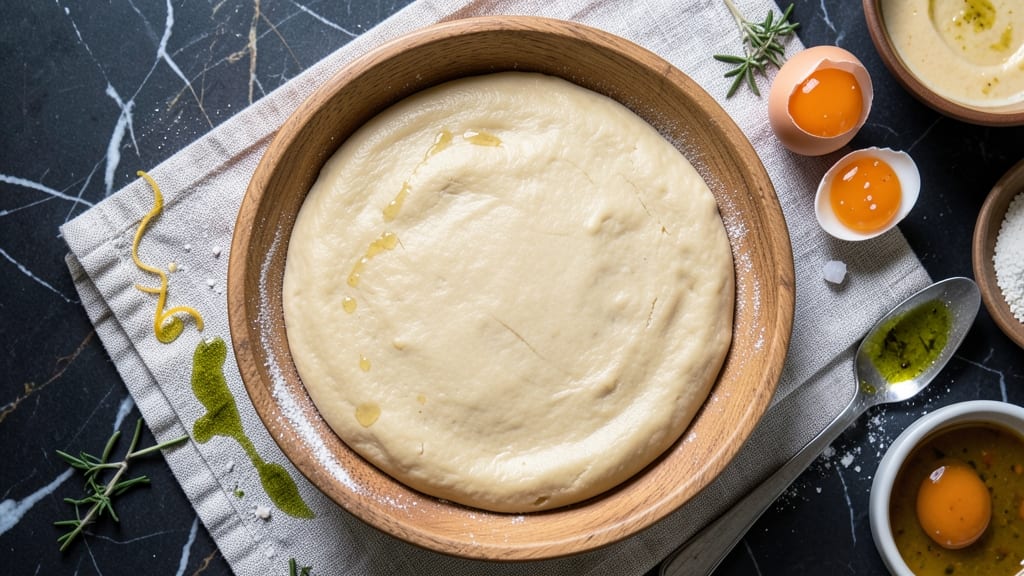
This 2-egg pasta dough recipe delivers restaurant-quality results with just five ingredients and no kneading required. The secret lies in precise ratios and proper resting time—resulting in light, airy pasta that's perfect for everything from spaghetti to lasagna.
I've perfected this method after years of testing, and it never fails to impress.
What sets this dough apart is its simplicity: only two eggs, all-purpose flour, and a pinch of salt create the foundation for silky-smooth pasta. The no-knead technique saves time while developing gluten naturally during the rest, ensuring tender yet sturdy strands.
This recipe works for beginners and experienced cooks alike, producing professional-quality results every time.
By following the exact ingredient ratios and resting times, you'll achieve pasta that's tender yet holds its shape beautifully. The dough's versatility means you can roll it thin for delicate angel hair or keep it thicker for hearty lasagna sheets.
The flavor is neutral enough to complement any sauce while being rich enough to stand alone.
Once you master this technique, you'll never buy dried pasta again. The freshness and texture make all the difference, and the process is surprisingly forgiving. Whether you're making a quick weeknight dinner or prepping for a dinner party, this dough will become your new kitchen staple. Let's get started!
Ingredients for 2 egg pasta dough
Five ingredients, professional results—this no-knead dough transforms simple pantry staples into silky pasta strands.
| Ingredient | Amount | Notes |
|---|---|---|
| Large Eggs 🥚 | 2 whole | Room temperature for even mixing |
| All-Purpose Flour 🌾 | 2 cups | Sifted for lighter texture (plus extra for dusting) |
| Fine Sea Salt 🧂 | ½ tsp | Diamond Crystal preferred for precision |
| Extra-Virgin Olive Oil 🫒 | 1 tbsp | High-quality for subtle richness |
| Water 💧 | ¼ cup | Room temperature for optimal hydration |
The eggs are the foundation here—use large eggs for proper structure, and let them sit at room temperature for 30 minutes before mixing. King Arthur or Gold Medal flour yields the best texture, but any all-purpose works in a pinch. The olive oil might seem optional, but it prevents the dough from drying out during the rest. For the salt, Diamond Crystal measures differently than Morton—use half the amount if you have Morton's. Store your flour in the freezer to preserve freshness, and sift it before measuring to avoid compacted pockets.
No extra-virgin olive oil? Light olive oil or avocado oil works, though the flavor will be milder. Running short on eggs? Add 1 tbsp water per missing egg, but texture may suffer slightly. The water should be just enough to bring the dough together—add an extra teaspoon if needed. For gluten-free adaptation, substitute 1 cup gluten-free all-purpose flour blend plus 2 tbsp xanthan gum. If your dough feels too sticky, chill it 15 minutes before rolling. The key is patience—don't rush the resting time, or your pasta will be tough.
This dough keeps beautifully for 3 days wrapped in plastic in the fridge, or 3 months frozen between parchment paper. For freezing, portion into single-serving disks before cooking. Reheat cooked pasta in simmering water for 30 seconds to restore al dente texture. The dough's versatility means you can shape it into tagliatelle, fettuccine, or even ravioli. For extra flavor, add 1 tbsp nutritional yeast or 1 tsp dried herbs to the flour before mixing—just remember to adjust the salt accordingly.
Why You'll Love This Recipe
- Just Four Ingredients: I swear, this dough is the kind of recipe that makes you question why you ever complicate things. Two eggs, flour, a pinch of salt, and a drizzle of olive oil—that’s it. No measuring cups, no confusing ratios, just fold until it comes together. (Yes, even on a Tuesday night.)
- Rich, Buttery Bite: That olive oil in the dough? It’s not just for flavor—it keeps the pasta tender and adds a subtle richness that store-bought can’t touch. The eggs bind it all together, giving you that perfect al dente texture with a silky finish. Honestly, the first time I tasted it fresh out of the pan, I nearly canceled my plans.
- Weeknight or Weekend: Make it now, use it later—this dough holds up like a champ. Roll it out for fettuccine tonight, save the rest for homemade ravioli tomorrow, or even press it into a crust for a quick lasagna. Between us, my kids love when I turn the leftovers into "pasta pizza" because, well, they’re kids.
- Budget Meets Fancy: You’re paying for the eggs, but the rest? Pantry staples. A batch of this dough costs me pennies compared to pre-made, yet it feels like I’m serving something special. I’ll be real: my date nights at home have never been this impressive—or this thrifty.
Step-by-step instructions for perfect 2 egg pasta dough
This no-knead method delivers silky, elastic dough with minimal effort and maximum results.
Combine Wet Ingredients for Optimal Hydration
In a medium bowl, whisk together the 2 whole Large Eggs, 0.5 teaspoon Fine Sea Salt, and 1 tablespoon Extra-Virgin Olive Oil until fully emulsified. The eggs should become pale yellow and slightly thickened—this indicates proper incorporation. I use a fork for this step to avoid overmixing, which can develop gluten prematurely.
Add the 0.25 cup Water and continue whisking until the mixture is completely homogeneous. Room temperature ingredients are critical here—they blend more easily and create a smoother dough. If your eggs are cold, let them sit at room temperature for 30 minutes before starting. This initial combination forms the dough's hydrating base, which will later integrate seamlessly with the flour.
Gradually Incorporate the Flour
Add the 2 cups All-Purpose Flour to the wet mixture all at once. Using a rubber spatula, gently fold the flour into the eggs from the center outward, working quickly to prevent gluten development. The dough will initially appear shaggy and uneven, which is normal at this stage.
Once the flour is mostly incorporated, switch to your hands and work the dough on a lightly floured surface. Press down firmly with your palms, then fold the dough over itself, rotating 90 degrees each time. Repeat this process for 4-5 minutes—you're not kneading, just gently coaxing the ingredients together. The dough should come together into a smooth, slightly tacky ball that leaves a clean surface when pressed.
Rest the Dough for Maximum Elasticity
Shape the dough into a loose oval and wrap it tightly in plastic wrap. Place it in the refrigerator and let it rest for at least 30 minutes, though 1 hour yields the best results. This resting period allows the gluten to relax and the flour to fully hydrate, which prevents the dough from shrinking during rolling.
I know it's tempting to skip this step, but don't. The rest time is what transforms good dough into exceptional dough. When you're ready to roll, the dough should feel pliable but not sticky—if it's too sticky, let it rest another 15 minutes. The cold temperature also helps prevent the dough from sticking to surfaces during rolling, making the entire process cleaner and more controlled.
Roll and Cut with Precision
Remove the dough from the refrigerator and place it on a lightly floured surface. Using a rolling pin, roll the dough as thin as possible—aim for 1/16-inch thickness for delicate pasta like tagliatelle or 1/8-inch for heartier shapes like fettuccine. Keep the surface well-floured to prevent sticking, but don't over-flour or the pasta will absorb too much and become dry.
Cut the dough into your desired pasta shape using a sharp knife or pasta machine attachment. For hand-cut pasta, I like to fold the rolled dough in half like a letter, then cut 1/4-inch strips for fettuccine or make diagonal cuts for tagliatelle. Immediately cook the fresh pasta in boiling salted water for 2-3 minutes—it should float to the surface when ready. The thin rolling and immediate cooking preserve that light-as-air texture promised in the title.
Pro Tips For Making 2 Egg Pasta Dough
- Use Room-Temperature Eggs: Cold eggs make the dough fight you—literally. Crack them into a bowl and let them sit for 10 minutes before mixing. I learned this the hard way when my dough turned out gummy and stuck together like glue.
- Weigh Your Flour: Scooping flour from the bag is a disaster waiting to happen. Use a kitchen scale for 200 grams—this recipe’s precision matters more than you’d think. Packing the cup or using too little ruins the texture, and no one wants chewy pasta.
- Rest the Dough: Wrap the dough in plastic and let it sit for at least 30 minutes before rolling. I know, you’re eager to cook, but skipping this step means the pasta will shrink and crack when boiled. Trust the process—your future self will thank you.
- Add Olive Oil Sparingly: The recipe calls for it, but 1 tablespoon is plenty—don’t drown the dough. Too much oil makes the pasta greasy and hard to hold together. If you’re worried about dryness, a splash of water fixes it, not extra oil.
Common mistakes when making your 2 egg pasta dough
Overmixing the Eggs
I’ve seen beginners whisk the eggs into a frothy mess, thinking more air equals better results. But overmixing the eggs before adding flour creates too much gluten too soon, leading to tough pasta.
Instead, whisk just until the yolks and whites blend completely—about 10-15 seconds—then stop. The olive oil helps emulsify the mixture naturally without needing extra air. 🥚
Skipping the Rest
The 30-minute (or longer) rest is non-negotiable for this dough. Without it, the gluten won’t relax properly, and your pasta will shrink dramatically when rolled or cooked.
I’ve made this mistake—my first batch turned into a sad, dense lump. Let the dough rest in the fridge; it’s the secret to that silky texture. ⏰
Using Cold Ingredients
Cold eggs or water can make the dough fight you every step of the way. Always bring eggs to room temperature (30 minutes out of the fridge) and use room-temp water.
Cold ingredients shock the gluten, making the dough harder to handle. I keep my eggs in a bowl on the counter while I prep everything else. 💧
Incorrect Flour Amount
Measuring flour by scooping from the bag packs it down, giving you less volume than you think. Instead, spoon flour into your measuring cup and level it off with a knife. Too much flour makes the dough dry and crumbly, while too little results in sticky chaos.
I weigh my flour when possible—2 cups should be about 250 grams for accurate results. 🌾
Not Flouring Enough
While you don’t want to drown the dough in flour, a lightly floured surface is essential. Dust your rolling pin, cutting board, and hands with all-purpose flour before handling the dough.
Too little flour means the pasta will stick to everything, and you’ll spend more time cleaning than cooking. I keep a small bowl of flour nearby for quick dusting. ✨
Rushing the Rolling
Thin pasta requires patience—don’t rush rolling it. If you force the dough too quickly, it’ll resist and tear. Work in stages: roll slightly thicker first, then gradually thin it to your desired 1/16-inch for delicate pasta.
I like to fold the dough in half after each roll to keep it from sticking. 💡
Nutrition facts
Frequently asked questions
Can I substitute whole wheat flour for all-purpose in this recipe?
You can try, but expect a denser texture. Replace 1 cup of all-purpose flour with whole wheat, but add 1 extra tablespoon of water since whole wheat absorbs more moisture. For best results, use a blend of 75% all-purpose and 25% whole wheat to maintain the light, airy quality. The flavor will be nuttier, but the texture may be slightly chewier.
How do I know when my fresh pasta is cooked perfectly?
Fresh pasta cooks in just 2-3 minutes in boiling salted water. It's done when it floats to the surface and the edges are tender but the center still has a slight bite. Taste-test a piece—it should be al dente with no raw flour taste. For delicate shapes like angel hair, cook for 1-2 minutes instead.
Can I make this dough ahead of time?
Wrap the rested dough tightly in plastic and refrigerate for up to 3 days or freeze for 3 months. For freezing, portion into single-serving disks before cooking. Thaw overnight in the fridge, then roll and cook as directed. The texture remains excellent when properly stored.
Why does my dough feel too sticky after mixing?
Sticky dough usually means you need more flour or the resting time wasn't long enough. Let it rest another 15 minutes in the fridge—this helps absorb excess moisture. If it's still too sticky after resting, sprinkle a little more flour on your surface and work it in gently. Avoid over-flouring, as this can make the pasta dry.
What's the best way to store cooked fresh pasta?
Rinse cooked pasta immediately under cold water to stop cooking, then toss with 1 teaspoon olive oil to prevent sticking. Store in an airtight container in the fridge for 3-4 days or freeze for 1 month. To reheat, simmer in water for 30 seconds—never microwave, as it makes pasta mushy.