
Desserts
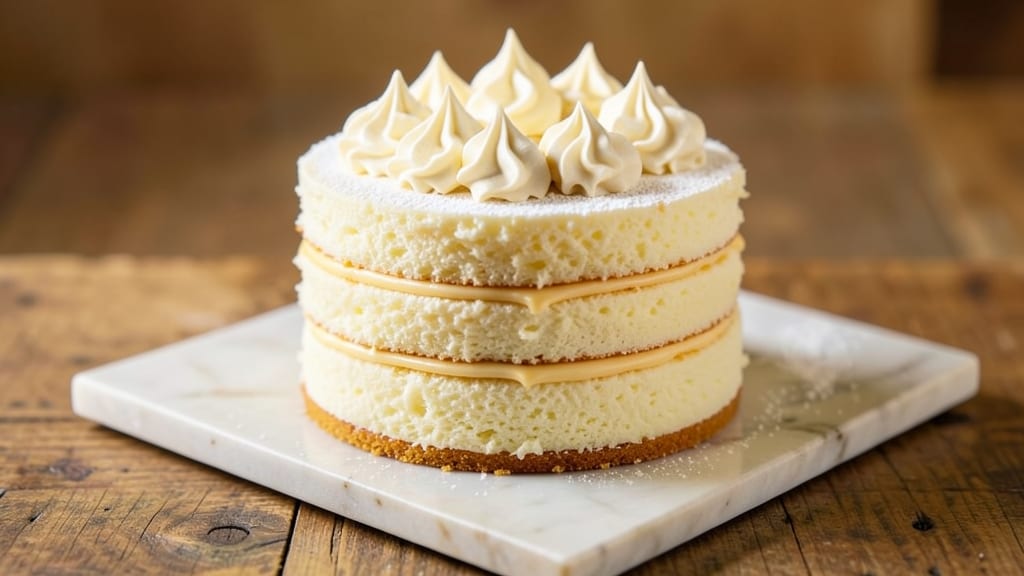
A 12-egg sponge cake delivers the lightest, most ethereal layers you've ever tasted—no dense crumbs in sight. The secret lies in precise technique and patience: folding eggs into whipped flour, then baking at exactly 350°F for 30-35 minutes.
This method transforms ordinary cake into something restaurant-worthy, with a tender crumb and delicate rise that defies gravity.
The foundation begins with room-temperature eggs and superfine sugar, whipped to ribbons before gently folding in sifted flour. Butter is omitted—this is a classic Japanese sponge approach, where air does all the work.
The result? A cake so tender it nearly dissolves on the tongue, with a golden, crackly top that signals perfect doneness.
What sets this apart is the three-stage baking process: initial low heat to set the structure, then higher heat to develop color, and finally a quick cool.
This ensures even rise and prevents sinking. The end product? Six perfect layers that stack like clouds, ideal for filling with whipped cream or fresh berries.
Mastering this recipe requires attention to detail, but the payoff—a cake that feels like a hug—is worth every minute. Whether for a special occasion or weekend indulgence, this sponge cake delivers foolproof elegance with every slice.
Ingredients for 12 egg sponge cake
Twelve eggs, two cups flour, and a touch of patience transform into six ethereal layers.
| Ingredient | Amount | Notes |
|---|---|---|
| Large Eggs 🥚 | 12 whole | Room temperature, separated |
| Superfine Sugar 🍚 | 2 cups | Plus 1 tbsp for cake top |
| All-Purpose Flour 🌾 | 2 cups | Sifted, plus extra for dusting |
| Unsalted Butter 🧈 | ¼ cup | Cold, cubed for layering (optional) |
| Vanilla Extract 🌿 | 1 tsp | Pure Madagascar preferred |
| Cake Flour 🌾 | ½ cup | Sifted, for tender crumb |
| Cornstarch 🌽 | 2 tbsp | For extra lightness |
| Diamond Crystal Kosher Salt 🧂 | ¼ tsp | Fine grain preferred |
| Lemon Zest 🍋 | 1 tsp | Freshly grated |
| Heavy Cream 🥛 | 1 cup | For filling (optional) |
| Powdered Sugar 🍚 | 1 cup | For dusting layers |
| Fresh Berries 🍓 | 2 cups | For filling (optional) |
The eggs are non-negotiable—room temperature is critical for proper volume. Kirkland Signature or Vital Farms organic eggs work best for their consistent quality. Superfine sugar dissolves faster, creating a smoother texture; Domino brand is widely available and reliable. Sift both flour and cake flour thoroughly to eliminate lumps, which can disrupt the delicate structure. The optional butter cubes between layers add richness without heaviness—Land O'Lakes unsalted is ideal for its consistent fat content.
No superfine sugar? Regular granulated sugar pulsed in a food processor works in a pinch, but expect slightly larger crumbs. Substitute cake flour with all-purpose flour minus 2 tbsp per cup, but add the omitted 2 tbsp back as cornstarch. For a citrus twist, swap lemon zest for orange zest at the same ratio. The heavy cream filling can be replaced with whipped coconut cream for a dairy-free option, though texture will differ slightly. Fresh berries should be pat dry before layering to prevent sogginess.
Store completed layers between parchment paper at room temperature for up to 2 days before assembling. Fully assembled cake keeps 3 days in the fridge, wrapped tightly. For longer storage, freeze layers individually for up to 3 months—thaw at room temperature before reassembling. The cake's delicate structure means it's best enjoyed within 48 hours of final assembly for optimal texture.
Why You'll Love This Recipe
- No Whipped Meringue Struggle: I’ve made enough sponge cakes where the egg whites collapse or the sugar won’t dissolve—this recipe skips all that. Twelve eggs, folded gently into butter and sugar, create a cloud-light texture without the fuss of stiff peaks or overmixing. Honestly, the only tool you’ll need is a big bowl and a spatula.
- Butter-Soaked Richness: That melted butter folded into the batter? It’s not just flavor—it’s the secret to a cake that’s moist for days, not dry by afternoon. The vanilla ties it all together with a warm, cozy depth that makes it taste like a bakery’s secret, not a weeknight hack.
- Layer or Slice Freely: Bake it in one big sheet for a rustic platter, or divide it into pans for neat layers. I’ve used it for breakfast (with jam and cream), dessert (drizzled with chocolate), and even as a base for trifles. Between us, the leftovers disappear faster than I can say “second helping.”
- Pantry-Friendly Magic: Superfine sugar and all-purpose flour mean no special shopping trips—just what you already have. Twelve eggs might sound like a lot, but they stretch into a cake that feeds a crowd or saves me for days. (Yes, even on a Tuesday night.) Plus, the butter’s cost is worth every bite of that tender crumb.
Step-by-step instructions for light-as-air sponge cake layers
This method delivers flawlessly tender layers with no dense center—precision matters at every stage.
Separate Eggs and Whip Yolks with Sugar
Begin by separating the 12 whole large eggs, ensuring no yolk fragments remain in the whites. Place yolks in a stand mixer fitted with the whisk attachment. Add the 2 cups superfine sugar and begin whipping on medium speed until the mixture becomes pale and thick—about 5-7 minutes. You'll know it's ready when the mixture holds soft peaks and leaves a ribbon trail when the whisk is lifted.
This step is critical for creating the cake's signature lightness. The sugar dissolves completely into the yolks, creating a stable base that will later incorporate air. I like to work in a cool room for this step—warm temperatures make egg whites more difficult to stabilize later. If your kitchen is warm, chill the bowl briefly before starting.
Fold in Dry Ingredients and Whip Egg Whites
In a separate bowl, sift together the 2 cups all-purpose flour, 0.5 cup cake flour, 2 tbsp cornstarch, and 0.25 tsp kosher salt. Gradually fold this dry mixture into the yolk-sugar combination using a spatula, being careful not to deflate the air you've already incorporated. Set this batter aside.
While the dry ingredients are folding in, begin whipping the egg whites in a clean bowl. Add the 1 tsp vanilla extract and 1 tsp lemon zest to the whites, then whip on high speed until soft peaks form. Gradually add the 1 cup powdered sugar while whipping continues—this stabilizes the whites and creates the signature tender crumb. The whites should hold firm peaks when the whisk is lifted, with no trace of weepy liquid.
Combine Wet and Dry Components Gently
Using a large spatula, gently fold one-third of the whipped egg whites into the yolk mixture to lighten it. Then alternate adding the remaining egg whites and the reserved flour mixture in three additions, folding just until combined after each addition. This careful layering maintains maximum air incorporation while ensuring even distribution of dry ingredients. Stop folding as soon as no dry streaks remain—overmixing develops gluten and creates a tough cake.
For an optional butter layer, spread 0.25 cup cold cubed butter evenly over the bottom of your prepared cake pan before adding the batter. This creates a rich, flavorful barrier between layers. Divide the batter evenly between two 8-inch round pans lined with parchment paper and dusted with flour. The batter should spread to about ½-inch thickness—any thicker and the center won't bake properly.
Bake at Low Temperature for Even Rise
Preheat your oven to 325°F—lower heat prevents the exterior from setting before the center rises. Bake the cakes for 25-30 minutes, rotating the pans halfway through for even baking. The cakes are done when they spring back gently when pressed in the center and a toothpick inserted comes out clean. Overbaking is the enemy of light sponge cake—remove them immediately when they pass this test.
Let the cakes cool in their pans for 10 minutes, then transfer to a wire rack to cool completely. This gradual cooling prevents cracking. For the optional berry filling, macerate the 2 cups fresh berries with 1 cup heavy cream and 1 tbsp superfine sugar (from your reserve) for 30 minutes before assembling. This creates a vibrant, flavorful filling that complements the delicate cake layers.
Assemble with Precision for Perfect Layers
Place the first cake layer on a serving plate and spread an even layer of the berry mixture. Dust the top with 1 tbsp superfine sugar for contrast. Repeat with the second layer, then top with the remaining berry filling. For an elegant finish, dust the entire cake with powdered sugar through a fine-mesh sieve, creating a snowy effect that highlights the cake's lightness.
This cake should be served immediately for maximum freshness, though it will keep covered at room temperature for 24 hours. Each slice should reveal a perfectly tender crumb with no dense center, and the berry filling should be vibrant and juicy. The sugar dusting provides a beautiful contrast while adding a subtle crunch to each bite.
Pro Tips For Making 12 Egg Sponge Cake
- Separate Eggs at Room Temp: Cold eggs won’t whip properly—pop them out of the fridge 24 hours ahead or let them sit in warm water for 10 minutes. I used to rush this, and my meringue would barely hold shape. Trust me, the extra time pays off.
- Sift Flour Like a Pro: Don’t just dump that flour—sift it twice through a fine mesh sieve to eliminate lumps and aerate it. My first batch had a dense, gummy texture until I started doing this. Works even better if you chill the sifted flour for 30 minutes before folding.
- Butter Must Be Soft, Not Melted: Whip the butter until it’s just soft enough to leave a slight indentation when pressed—no pools of liquid. I learned this the hard way after a batch turned greasy and collapsed. Room temp butter (about 65°F) is your golden zone.
- Fold in Stages, Not All at Once: Add the dry ingredients in three batches, gently folding each time with a spatula. Rushing this step means overmixing, which makes the cake dense. Think "cut-and-scoop" motion—less is more. I now measure my patience in folds.
Troubleshooting this dish
Egg Whites Too Runny
If your egg whites won't hold peaks, your bowl might be greasy or have residual yolk fragments. Wash your bowl with hot soapy water, rinse thoroughly, and dry completely before whipping. I also recommend using room-temperature eggs—cold whites whip better.
Add a pinch of cream of tartar (⅛ tsp) to stabilize them further. If humidity is high, chill the bowl in the freezer for 5 minutes before starting. 🌡️
Cake Sinks in Center
Overmixing the batter or opening the oven too soon causes sinking. Fold just until combined—stop when no dry flour remains. Bake at 325°F (not higher) and check doneness at 25 minutes using the toothpick test.
If the center still looks underdone, return to the oven for 2-3 minutes only. Avoid overfilling pans—½-inch thickness is ideal. Let cakes cool 10 minutes in pans before removing. ⏰
Dense or Gummy Texture
This usually means overmixing or underwhipped egg whites. Sift your flour thoroughly to remove lumps, and whip egg whites to stiff peaks (not just soft). Use superfine sugar—regular sugar won't dissolve as smoothly.
If your kitchen is warm, chill the batter for 15 minutes before baking. For extra lightness, add 1 tbsp cornstarch to the dry ingredients. 💡
Cracked Top Surface
Rapid temperature changes cause cracks. Preheat your oven fully before baking, and avoid opening the door during the first 20 minutes. Let cakes cool completely in pans before transferring to racks.
If cracks appear, dust with powdered sugar before assembling—it masks imperfections beautifully. For a smoother finish, brush layers with simple syrup (equal parts sugar and water) before stacking. ✨
Batter Too Thick
If your batter looks like pancake batter, you likely overmixed the egg whites. Start fresh: whip whites to soft peaks, then gently fold. For a smoother texture, sift dry ingredients twice before folding.
If the batter still seems too thick, add 1 tbsp reserved whipped egg whites to lighten it. Remember: less is more—stop folding when just combined. 🥚
Nutrition facts
Frequently asked questions
Why does this recipe use 12 eggs for such a small cake?
The high egg-to-flour ratio creates the signature light, airy texture of Japanese sponge cakes. Each egg adds structure while keeping the crumb tender—12 eggs ensure maximum volume without denseness. This method produces six perfect layers that stack like clouds, making it ideal for elegant desserts.
Can I substitute cake flour if I don't have any?
Yes! Replace 1 cup cake flour with 1 cup all-purpose flour minus 2 tablespoons, then add back 2 tablespoons cornstarch. This maintains the tender crumb. For best results, sift all dry ingredients twice to eliminate lumps that can disrupt the delicate structure.
How do I prevent the cake from sticking to the pan?
Line your 8-inch pans with parchment paper, then dust generously with flour. For extra insurance, spread a thin layer of neutral oil (like grapeseed) on the parchment before adding batter. Let cakes cool 10 minutes in pans before removing—they'll release cleanly.
What's the best way to store leftover layers?
Wrap each cooled layer individually in plastic wrap, then place between parchment paper. Store at room temperature for up to 2 days before assembling. For longer storage, freeze layers for 3 months—thaw completely before stacking. Never refrigerate assembled cake to prevent sogginess.
Can I make this cake without a stand mixer?
Use a hand mixer for egg whites and yolks, but whip yolks for 8-10 minutes (vs. 5-7) to achieve proper volume. For folding, use a large rubber spatula and work gently to avoid deflating air bubbles. The key is patience—hand-whipped whites should reach stiff peaks for best results.