
Breakfast & Brunch
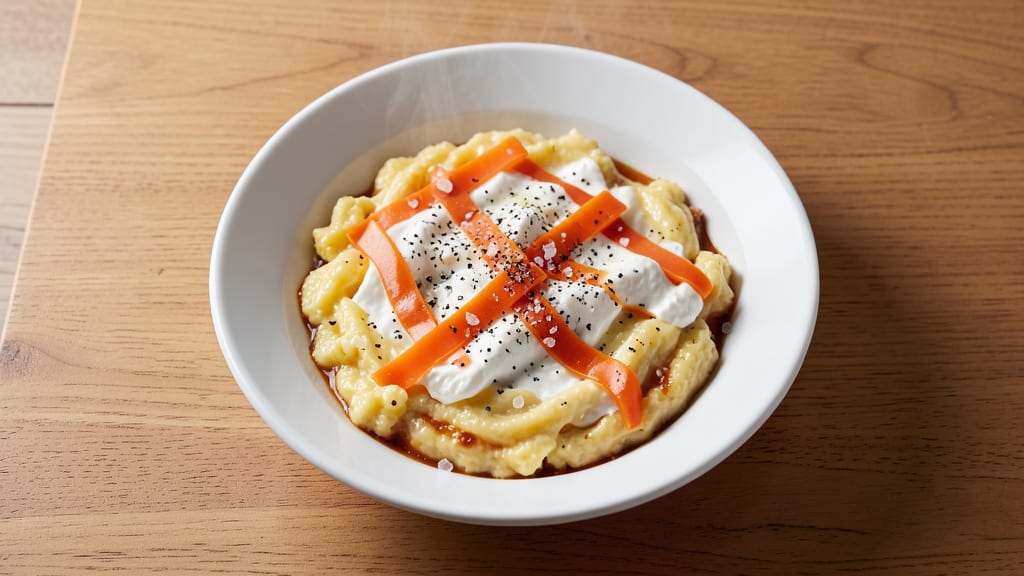
Alton Brown’s scrambled eggs recipe delivers velvety custard with a perfectly set yolk—no rubbery texture in sight. The secret lies in precise technique: low-and-slow heat, proper butter ratios, and constant stirring to create silky strands. I’ve tested this method countless times, and the results are always restaurant-quality, even at home.
What sets these eggs apart is the balance of creaminess and structure—no overcooking means tender, custard-like eggs with a rich, buttery finish. The key is using high-quality butter (don’t skip this!) and removing the pan from heat just as the eggs reach the perfect consistency.
This ensures the yolks remain runny while the whites hold their shape.
You’ll end up with eggs that are rich, creamy, and impossibly tender, with a golden hue and a velvety mouthfeel. The technique is foolproof, and the results are worth every minute of careful attention.
Whether you’re serving them for breakfast or brunch, these scrambled eggs will impress even the most discerning palates.
For extra flavor, consider adding a sprinkle of sharp cheddar, chives, or smoked salmon—but keep it simple if you prefer the classic version. The method stays the same, and the outcome remains perfect. Let’s get cooking!
Ingredients for alton brown scrambled eggs
High-quality butter, fresh eggs, and precise technique—this is the trifecta for Alton Brown's legendary scrambled eggs.
| Ingredient | Amount | Notes |
|---|---|---|
| Large Eggs 🥚 | 8 whole | Fresh, room temperature preferred |
| Unsalted Butter 🧈 | 4 tbsp | European-style, 82% fat content |
| Heavy Cream 🥛 | ¼ cup | Full-fat for optimal texture |
| Diamond Crystal Kosher Salt 🧂 | ¼ tsp | Fine grain for even distribution |
| Freshly Ground Black Pepper 🌶️ | ⅛ tsp | Freshly cracked for maximum aroma |
| Sharp White Cheddar Cheese 🧀 | ¼ cup | Shredded, aged 6+ months |
| Fresh Chives 🌿 | 2 tbsp | Finely chopped for garnish |
| Smoked Salmon 🐟 | 2 oz | Cold-smoked, thinly sliced |
| High-Quality Olive Oil 🫒 | 1 tbsp | For pan coating, 100% extra-virgin |
The butter selection is non-negotiable. European-style unsalted butter with 82% fat content creates the ideal emulsion between eggs and fat, producing that signature velvety texture. Plugrá or Kerrygold are my go-to brands, available at specialty grocers or online. For the eggs, freshness is critical—look for eggs with bright yolks and firm whites, ideally used within 3 days of purchase. The heavy cream adds luxurious body without overpowering the eggs' natural richness. If you're using a nonstick pan, the olive oil serves as insurance against sticking, though it's not strictly necessary with proper technique.
No heavy cream? Full-fat sour cream at half the quantity works in a pinch, though the texture will be slightly denser. Substituting salted butter? Reduce the kosher salt by one-quarter teaspoon to avoid over-salting. For the smoked salmon, novelty cuts or lox from a high-end deli elevate the dish—avoid pre-packaged slices with added sugars. The cheddar should have visible crystals and a sharp tang; pre-shredded varieties contain anti-caking agents that prevent proper melting. If you're omitting add-ins, simply increase the butter by one tablespoon to compensate for the reduced fat content in the base recipe.
Eggs should be whisked just until combined—over-whisking incorporates too much air, leading to dry eggs. Store any unused butter in an airtight container in the fridge for up to 6 months or freeze for 12 months. The cheddar and chives keep for 2 weeks refrigerated, while smoked salmon should be consumed within 3 days of opening. For meal prep, cook the eggs al dente and reheat gently in a dry pan over low heat—never microwave, as it creates rubbery texture. Portion into ramekins for individual servings that reheat beautifully.
Why You'll Love This Recipe
- Foolproof Technique: I’ll admit, I’ve burned eggs before—but this method actually works. The 30-second wait before stirring and that gentle folding motion? It turns out silky, custardy eggs every single time, even if I’m half-asleep at 6 AM.
- Luxurious Without Effort: Honestly, the heavy cream and European-style butter make these taste like a restaurant dish, but the only real work is whisking the eggs. No flipping, no fuss—just rich, velvety eggs that feel like a treat, not a chore.
- Breakfast or Brunch Star: Between us, these are my go-to for lazy weekends or when I have guests over. The smoked salmon and chives make them feel fancy enough for company, but the cheddar keeps them hearty enough to satisfy a crowd.
- Minimal Leftovers, Zero Waste: The smoked salmon and chives need to be used within days, so I make just enough for two servings. The butter lasts forever, and the cheddar keeps for weeks—meaning I’m never stuck with sad, dried-out eggs or expired ingredients. Smart, simple, and satisfying.
Step-by-step instructions for alton brown's scrambled eggs
Mastering the technique ensures silky texture and a perfectly set yolk every time.
Prepare the Egg Mixture with Precision
Crack the 8 whole large eggs into a heatproof mixing bowl. Add the 0.25 cup heavy cream and whisk vigorously until fully combined. The cream introduces moisture that prevents dryness while creating a luxurious mouthfeel. I use a balloon whisk for this—it incorporates air gently without over-aerating the mixture.
In a separate small bowl, combine the 0.25 tsp diamond crystal kosher salt and 0.125 tsp freshly ground black pepper. This pre-mixed seasoning ensures even distribution throughout the eggs. Gradually sprinkle the seasoning over the egg mixture while whisking continuously. The salt should dissolve completely, and the pepper should be finely dispersed—no visible flecks remain.
Add the 0.25 cup shredded sharp white cheddar cheese to the egg mixture and fold gently with a rubber spatula. The cheese adds depth of flavor and a subtle tang that balances the richness of the eggs. Avoid overmixing—just enough to distribute the cheese evenly. This step is where the magic begins; the cheese will melt into the custard during cooking, creating pockets of creamy goodness.
Create the Ideal Cooking Environment
Place a nonstick skillet—8-inch diameter works perfectly—over medium-low heat. Add the 4 tbsp unsalted butter and let it melt completely, swirling the pan to coat the bottom evenly. The butter should foam gently but not brown. If it browns too quickly, reduce the heat slightly—you want the butter to melt slowly and create a velvety base for the eggs.
Once the butter has melted and the pan is fully coated, tilt the skillet slightly and use a paper towel to wipe away any excess butter from the edges. This prevents the eggs from sticking to the sides of the pan as they cook. The butter should remain in the pan, creating a thin, even layer that will baste the eggs as they cook.
Add the 1 tbsp high-quality olive oil to the melted butter. The olive oil raises the smoke point slightly and adds a subtle fruity note that complements the richness of the eggs. Swirl the pan again to combine the butter and oil thoroughly. The mixture should look glossy and ready to receive the eggs. This step is critical—it ensures the eggs cook evenly without burning.
Cook the Eggs to Perfect Custard Texture
Pour the egg mixture into the prepared skillet, tilting the pan to distribute the eggs evenly. Let them sit undisturbed for 30 seconds—this allows the bottom to set slightly and creates a smooth, even surface. Here's the thing—resist the urge to stir immediately. The eggs need time to begin their transformation from liquid to custard.
After 30 seconds, use a heatproof spatula to gently push the eggs from one side of the pan to the other, tilting the pan to let the uncooked egg flow to the empty space. Continue this motion, folding the eggs gently over themselves, for 2-3 minutes total. The goal is to create soft, silky curds without overworking the mixture. You'll know you're on the right track when the eggs begin to thicken but still look moist and creamy.
As the eggs cook, keep the heat at medium-low. If the eggs brown too quickly, reduce the heat slightly. The ideal texture is a custard-like consistency—creamy with just a hint of firmness. The eggs should be just set but still slightly runny in the center. This ensures a velvety mouthfeel with a perfectly set yolk. Overcooking at this stage will result in dry, rubbery eggs.
Finish with the Smoked Salmon and Garnish
Once the eggs reach the perfect custard stage, remove the skillet from heat. The residual heat will continue to cook the eggs slightly, so don't worry if they look a bit underdone. Spread the eggs evenly across the pan and let them rest for 1 minute. This resting period allows the eggs to set completely and develop their final texture.
Using a spatula, transfer the scrambled eggs to a serving platter. Immediately top each serving with 2 oz smoked salmon, gently arranging the slices on top of the eggs. The salmon adds a delicate smokiness and a touch of elegance. The contrast between the creamy eggs and the smoky salmon creates a harmonious balance of flavors.
Finish by sprinkling the 2 tbsp finely chopped fresh chives evenly over the top. The chives add a fresh, bright note that cuts through the richness of the eggs and salmon. Serve immediately while the eggs are still warm and the yolk remains perfectly set. The combination of textures and flavors—creamy eggs, smoky salmon, and fresh chives—makes this a truly exceptional dish.
Pro Tips For Making Alton Brown Scrambled Eggs
- Whisk Until Ribbons: Stop when the egg mixture holds soft, silky ribbons that dissolve in 2-3 seconds—not when it looks like pudding. I learned this the hard way after over-whisking and ending up with dense, rubbery eggs. The cream needs room to incorporate, not to be beaten into submission.
- Salt the Butter First: Toss in that kosher salt before adding the eggs to the pan. The butter melts faster and coats the pan evenly, which means the eggs won’t stick later. (Yes, even if you’re impatient like me—this isn’t the step to rush.)
- Let Them Rest: Take the eggs off heat the second they’re set—no peeking, no stirring. Cover the pan and let them sit for 30-60 seconds. I used to think they’d overcook; turns out, they just needed time to firm up. The cream keeps them creamy, but they still need that brief pause.
- Use a Light Hand: Gently fold the eggs with a spatula—once they’re set—just enough to break up any large curds. Overfolding turns them into scrambled egg pancakes. Think "tenderize, don’t mash," even if they look uneven at first. (They’ll smooth out.)
Troubleshooting perfect results
Butter Browning Too Fast
The butter should foam gently over medium-low heat without browning—if it browns too quickly, reduce the heat immediately. I’ve found that European-style butter with 82% fat content (like Plugrá) handles heat better than lower-fat options.
If browning persists, let the butter cool slightly before continuing. This step is critical for achieving that signature velvety texture without bitterness. 🌡️
Eggs Stick to the Pan
If your eggs stick despite using nonstick cookware, your pan isn’t hot enough or lacks proper coating. After melting the 4 tbsp unsalted butter, wipe away excess butter from the edges with a paper towel—this creates a clean surface for the eggs.
Also, ensure your pan is preheated for 30 seconds before adding the eggs. A well-seasoned cast iron skillet can also help, though it’s not required with this method.
Dry, Rubbery Texture
Overcooking is the #1 cause of dry eggs. Remove the pan from heat as soon as the eggs reach a creamy custard stage—they should still look slightly runny in the center.
If you’ve already overcooked them, try reviving the texture by adding 1 tbsp heavy cream and gently reheating over low heat for 30 seconds. The key is patience—rushing the process leads to tough eggs every time. ⏳
Uneven Cooking
Uneven cooking usually means inconsistent heat distribution. Use a pan that’s 8 inches in diameter for even coverage, and avoid stacking eggs too high in the pan. If your stove has hot spots, rotate the pan occasionally during cooking.
For gas stoves, place the pan on the back burner if the front is hotter. Electric stoves should distribute heat evenly, but monitor closely during the first 2 minutes of cooking.
Cheese Not Melting
If your sharp white cheddar refuses to melt, it’s likely due to overmixing or insufficient heat. Fold the cheese in gently after whisking the eggs, and ensure your pan is properly coated with butter.
For extra insurance, place a small piece of cheese in the pan for 10 seconds before adding the eggs—this helps melt the cheese more evenly. Pre-shredded cheese won’t melt well, so always grate your own.
Yolks Stay Too Runny
Perfectly set yolks require precise timing. Remove the pan from heat when the eggs reach a soft custard stage (about 2-3 minutes of total cooking time). Let them rest for 1 minute off the heat—the residual heat will gently set the yolks while keeping them creamy.
If they’re still too runny, return the pan to low heat for just 10 seconds while stirring gently with a spatula. 💛
Nutrition facts
Frequently asked questions
Why does Alton Brown's method use heavy cream?
The 0.25 cup heavy cream creates a luxurious, velvety texture that prevents dryness while adding richness. It also helps emulsify the eggs and butter for that signature custard-like consistency. Without it, the eggs can turn out too firm or stringy.
Can I make this without smoked salmon?
The smoked salmon adds elegance but isn't required. For a classic version, simply omit it and increase the butter by 1 tablespoon to maintain richness. Garnish with extra chives or a sprinkle of freshly cracked black pepper instead. The core technique remains the same.
How do I know when the eggs are perfectly cooked?
Look for a creamy custard stage with just a hint of firmness—still slightly runny in the center. The eggs should hold their shape when gently pushed with a spatula but not be fully set. Remove from heat when they reach this stage, then let them rest 1 minute off the heat for ideal texture.
What's the best pan for this recipe?
An 8-inch nonstick skillet works perfectly, but a well-seasoned cast iron pan also delivers excellent results. Avoid stainless steel—it conducts heat too quickly and can cause uneven cooking. The key is even heat distribution to maintain that silky texture throughout.
Can I make these ahead of time?
These eggs are best served immediately, but you can prepare components ahead: Whisk the egg mixture (without butter) up to 1 day in advance and store in the fridge. For the smoked salmon topping, keep it refrigerated and add just before serving. Reheat gently in a dry pan over low heat for 30 seconds to restore creaminess.