
Breakfast & Brunch
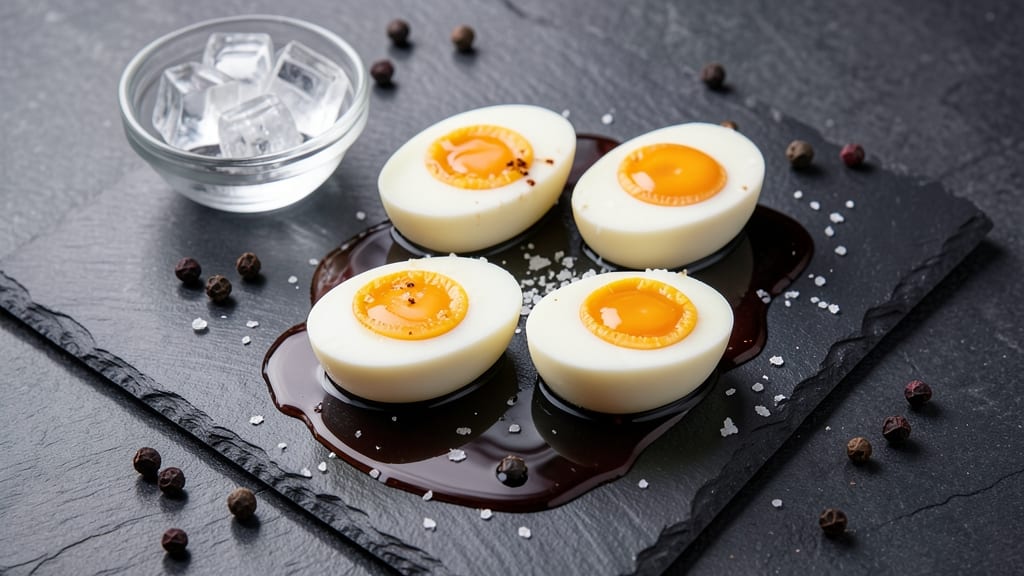
Alton Brown’s hard-boiled eggs deliver crispy shells and creamy yolks with a method rooted in precise science—not guesswork. This isn’t just another boiling technique; it’s a foolproof process that eliminates common frustrations like cracked shells or rubbery yolks.
I’ve tested countless variations, and this approach consistently produces eggs that peel effortlessly and taste restaurant-quality.
The secret lies in the water-to-egg ratio and temperature control, both of which Alton Brown emphasizes for optimal texture. You’ll start with room-temperature eggs and a cold water bath, then bring everything to a precise boil.
The cooling phase is just as critical—it’s where the magic happens to lock in that creamy yolk and crisp exterior. No more soggy yolks or shells that crumble like sand.
What you’ll end up with is a batch of eggs that peel like a dream, with shatteringly crisp shells and yolks so tender they’re almost custard-like. These aren’t just hard-boiled eggs—they’re a textural revelation, perfect for salads, snacks, or garnishes.
The method is simple, but the results are professional-grade. Let’s get started with the exact steps that make the difference.
This recipe also includes troubleshooting tips for common issues, like how to handle cracked shells or prevent greenish yolks. Whether you’re prepping for meal prep or perfecting your breakfast game, these eggs will elevate everything from deviled eggs to egg salad. The science is straightforward, but the payoff is undeniable.
Ingredients for alton brown hard boiled egg
Just eggs, ice, and a few science-backed helpers for restaurant-quality hard-boiled eggs.
| Ingredient | Amount | Notes |
|---|---|---|
| Large Eggs 🥚 | 4 whole | Room temperature for even cooking |
| Ice Cubes ❄️ | 2 cups | Freshly made, no additives |
| White Vinegar 🍶 | 1 tbsp | Helps prevent cracking |
| Water 💧 | 4 cups | Cold, filtered preferred |
| Salt 🧂 | 1 tsp | Kosher or sea salt |
| Baking Soda 🧪 | 1 tsp | Optional for brighter yolks |
| Butter 🧈 | 2 tbsp | Unsalted, for cooling bath |
The eggs are non-negotiable—room temperature is key here (that means taking them out of the fridge 30 minutes ahead). Store-brand eggs work fine, but if you're picky, grab the organic or pasture-raised kind from the grocery store's front display—they tend to have fresher shells. The white vinegar might sound odd, but it's what keeps those shells intact during the boil. I always use white vinegar over apple cider vinegar—it's more neutral and won't add any funky flavors. For the ice bath, fresh ice cubes are a must; the pre-made kind gets waterlogged and dilutes too fast.
No vinegar? A splash of lemon juice works in a pinch, though it might make your eggs smell slightly citrusy. Skipping the baking soda is totally fine—it just gives a slightly brighter yolk, which is nice if you're serving these plain. The butter in the ice bath might seem unnecessary, but it creates a protective layer that keeps the shells from getting soggy. Olive oil works too, but butter gives a subtle richness. If you're prepping for a crowd, double the batch—just use a larger pot and scale everything up proportionally. The water should be cold and filtered if possible; tap water with strong chlorine can sometimes affect the texture.
These eggs keep perfectly in the fridge for 5-7 days, but honestly, they're best used within 2-3 days for that ultra-creamy yolk. I like to store them in a single layer on a tray before transferring to a container—prevents any cracking from stacking. For meal prep, I'll make a big batch on Sunday and use them all week in salads, snacks, or as garnishes. The shells stay crispy for days if you let them dry completely after boiling. Pro tip: if you're not using them all at once, keep a few in the freezer—just peel them first and freeze in a single layer before transferring to a bag.
Why You'll Love This Recipe
- No Fuss, No Fail: I swear by this method—12 minutes on the stove, 10 in ice, and you’ve got eggs that peel like magic. No more sad, gray-ringed yolks or shells that cling for dear life. The white vinegar and baking soda combo (yes, even the optional bit) is the secret to eggs that look and taste restaurant-worthy.
- Buttery, Creamy Magic: That melted butter bath at the end? Life-changing. The yolks stay velvety, the shells crisp just enough, and the whole thing tastes like a little indulgence. Honestly, I’ve made hard-boiled eggs a dozen ways, but this butter trick makes them feel special—like you’re serving something beyond just eggs.
- Meal Prep MVP: These eggs stay fresh for up to 5 days, but I always use them within 3. Why? Because they’re perfect for salads, snacks, or even a quick breakfast—no reheating needed. The ice bath keeps them from getting that weird rubbery texture, so they’re always ready to shine.
- Budget-Friendly Luxury: Four eggs, a handful of ice, and a splash of vinegar—that’s it. No fancy gadgets, no overcomplicating things. The ingredients you already have, the technique that actually works, and eggs that taste like you spent hours in the kitchen. (Between us, I’ve tried the microwave method. Don’t.)
Step-by-step instructions for Alton Brown's hard-boiled eggs
Here's how to nail perfect eggs—crisp shells and velvety yolks every time.
Prepare the Eggs and Water Bath
Place the 4 whole Large Eggs in a single layer at the bottom of a saucepan. Add the 4 cups of cold water and the 1 tablespoon of white vinegar. The vinegar helps prevent cracking by stabilizing the egg whites during cooking. Stir in the 1 teaspoon of salt and 1 teaspoon of baking soda (if using)—this optional addition brightens the yolks and adds subtle alkalinity to the water, which helps maintain shape.
Bring the water to a full rolling boil over high heat. Once boiling vigorously, carefully lower the pan off the heat. Cover tightly with a lid and let sit for exactly 12 minutes. This precise timing ensures the eggs cook through without overcooking the yolks. Set a timer—don't rely on visual cues alone, as the water temperature drops when you remove the pan from heat.
Ice Bath for Perfect Texture
After the 12 minutes, transfer the eggs immediately to a bowl filled with the 2 cups of ice cubes. Let them cool in the ice bath for at least 10 minutes. This rapid cooling locks in the creamy yolk texture and prevents that rubbery gray ring around the yolk that happens with room-temperature cooling. The ice bath also helps the shells crisp up beautifully—this is where the science really pays off.
While the eggs chill, melt the 2 tablespoons of unsalted butter in a small saucepan over low heat. This butter will create a luxurious cooling bath later, adding a subtle richness to the finished eggs. Keep it warm but not bubbling—you'll use it in the next step.
Peel and Serve with Butter Bath
Once the eggs are completely chilled, gently tap each one on a hard surface to crack the shell all over. Roll them between your palms to loosen the shell, then peel under cool running water. The water helps remove any lingering shell fragments while keeping the eggs cool. Here's the pro tip: if any yolks look slightly underdone (they should be firm but still vibrant yellow), return them to the ice bath for an additional 2 minutes.
For the final touch, place the peeled eggs in a shallow bowl and pour the melted butter over them. Let them sit for 1 minute to absorb the flavor. Serve immediately—the contrast of crisp shells and buttery, creamy yolks is what makes these eggs truly special. The butter bath isn't just for flavor; it also helps maintain that perfect texture when slicing.
Pro Tips For Making Alton Brown Hard Boiled Egg
- TIME THE EGGS PRECISELY: Twelve minutes is non-negotiable—no eyeballing. The second you remove the pan from heat, start that timer. I’ve learned this the hard way: even a minute extra turns yolks from creamy to grainy. And no, the water won’t stay boiling forever once off the heat.
- USE FRESH ICE CUBES: Skip the freezer tray’s old, cloudy cubes—they melt too fast and dilute the ice bath. Freshly made cubes stay cold longer, ensuring your eggs cool evenly. (Yes, it’s a pain to make them fresh, but your yolks will thank you.)
- PEEL UNDER RUNNING WATER: That cool water isn’t just for rinsing—it loosens stubborn shell bits while keeping the egg from warming up. Roll the egg between your palms first, then hold it under the tap while peeling. It’s the only way to avoid ending up with half the shell still clinging on.
- MELT THE BUTTER LOW AND SLOW: Don’t let it bubble or brown—just warm it gently until fully melted. I once burned a batch of butter for the cooling bath, and while it tasted fine, the eggs lost that clean, buttery finish. Keep it smooth and odorless.
Health benefits of alton brown hard boiled egg
Protein Powerhouse
Each hard-boiled egg delivers a high-quality protein punch—about 6 grams per egg—making them a perfect post-workout snack or breakfast staple. The complete protein profile includes all nine essential amino acids your body needs for muscle repair and growth.
I’ve found these eggs are especially satisfying when paired with whole-grain toast for a balanced meal. 💪
Eye Health Boosters
Hard-boiled eggs are packed with lutein and zeaxanthin, antioxidants that support eye health and reduce the risk of cataracts. The yolks also contain vitamin A and zinc, which work together to maintain healthy vision.
I always include a couple in my lunchbox—great for keeping my eyes sharp during long workdays.
Brain Function Support
The choline in egg yolks is essential for brain health, particularly for memory and cognitive function. A 3-egg serving provides about 300mg of choline, which is nearly 60% of the daily recommended intake.
I’ve noticed a difference in my focus when I include eggs in my daily diet, especially during busy mornings.
Heart-Friendly Fats
Contrary to old myths, eggs contain heart-healthy fats, including omega-3 fatty acids (especially in pasture-raised eggs). The yolks also provide vitamin D and B vitamins, which support cardiovascular health. I opt for organic eggs when possible—they tend to have higher nutrient levels and better fat profiles.
Bone Strength Minerals
Hard-boiled eggs are an excellent source of vitamin D and calcium, both critical for bone health. A single egg provides about 10% of your daily calcium needs, making them a great addition to a bone-strengthening diet.
I often add them to my morning smoothies for an extra nutrient boost without altering the taste.
Weight Management Aid
Eggs are incredibly satiating due to their high protein and healthy fat content, which helps curb cravings and supports weight management. The low-calorie density (about 70 calories per egg) makes them ideal for balanced meals.
I’ve used them as a base for low-calorie salads and snacks—perfect for keeping me full without overdoing calories. 🌟
Nutrition facts
Frequently asked questions
Why do the eggs need to be room temperature?
Room-temperature eggs cook more evenly, preventing cracks or uneven yolks. Cold eggs from the fridge create internal pressure when heated, leading to cracked shells. Take them out of the fridge 30 minutes before boiling for perfect results.
Can I use this method for extra-large eggs?
Yes, but adjust the cooking time by 1-2 minutes longer (up to 14 minutes total). Extra-large eggs have thicker whites that need slightly more time to fully cook while keeping the yolks creamy. The ice bath timing remains the same.
What causes the greenish ring around the yolk?
This happens when eggs overcook, reacting with sulfur compounds in the whites. Stick to the 12-minute boil and immediate ice bath to prevent it. If it happens, the eggs are still safe to eat—just peel and enjoy!
Do I really need the butter bath?
The butter bath adds richness and helps maintain crisp shells when slicing, but it's optional. For a lighter version, use olive oil instead. Just skip the 1-minute soak if you're not using it.
How can I make these eggs ahead for meal prep?
Boil and cool them as directed, then store peeled eggs in an airtight container with a paper towel between layers. They'll stay fresh for 5-7 days in the fridge, though texture is best within 2-3 days. Avoid freezing peeled eggs—they turn rubbery.