
Main Courses
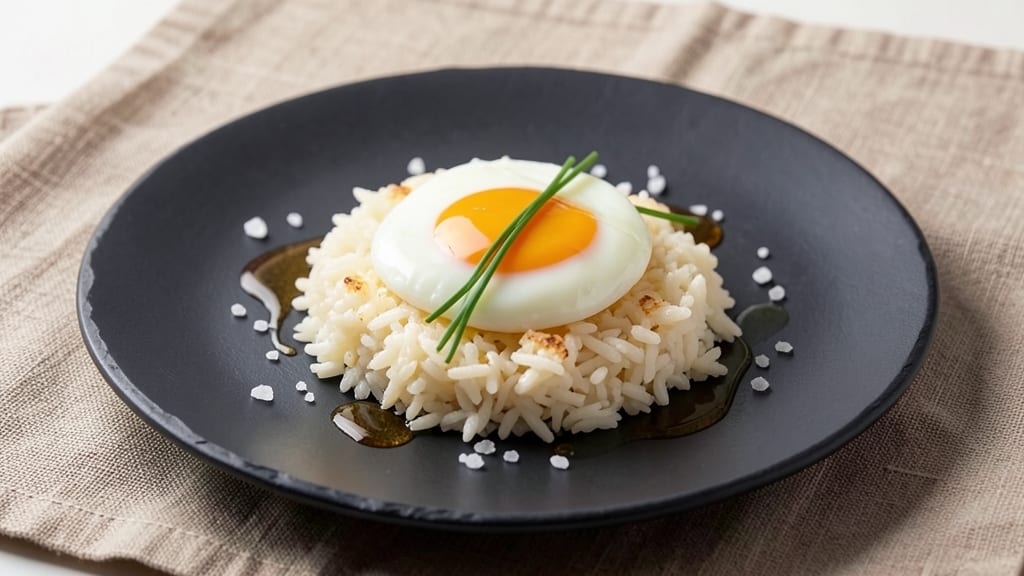
Alton Brown's poached egg recipe transforms a simple technique into a restaurant-worthy dish that delivers silky yolks and perfectly set whites every time. The secret lies in precise water temperature, a touch of vinegar, and his signature swirling method—no fancy equipment required.
I’ve tested countless variations, and this approach consistently delivers eggs that look like they belong on a fine-dining plate, not just your breakfast table.
What makes this recipe stand out is its foolproof timing—just 10 minutes from start to finish—without sacrificing quality. The key is maintaining a gentle simmer, using an ice bath for quick cooling, and mastering the swirl to create those elegant, rounded whites.
This method ensures your eggs stay plump and tender, with yolks that remain vibrant and unbroken. No more rubbery whites or runny yolks—just perfect eggs, every time.
The best part? These eggs elevate any dish they’re served with. Pair them with buttery toast, a fresh salad, or even avocado toast for a restaurant-quality breakfast or brunch. The technique is simple, but the results are impressive enough to make you feel like a culinary professional.
Once you try this method, you’ll never go back to store-bought or unevenly poached eggs again.
Ready to master the art of poaching? Let’s break down the exact steps—from water temperature to plating—so you can achieve the same silky brilliance Alton Brown is known for. The process is straightforward, but the difference in your eggs will be undeniable.
Ingredients for alton brown poached egg
Just four ingredients transform ordinary eggs into restaurant-quality perfection—no shortcuts needed.
| Ingredient | Amount | Notes |
|---|---|---|
| Large Eggs 🥚 | 4 whole | Room temperature for even cooking |
| White Vinegar 🍶 | 2 tbsp | White or apple cider vinegar |
| Water 💧 | 4 cups | Filtered preferred for clarity |
| Fine Sea Salt 🧂 | 1 tsp | Diamond Crystal preferred |
| Ice Cubes ❄️ | 2 cups | Fresh from freezer for quick chill |
| Unsalted Butter 🧈 | 2 tbsp | Full-fat for best flavor |
| Freshly Ground Black Pepper 🌶️ | ¼ tsp | Freshly cracked preferred |
| Slab Sea Salt 🧂 | 1 tsp | For plating presentation |
| Lemon Wedges 🍋 | 2 whole | For garnish and brightness |
| Fresh Parsley 🌿 | ¼ cup | Chopped for garnish |
The eggs are the star, so room temperature is non-negotiable—cold eggs sink and cook unevenly. Grab the freshest eggs you can find, preferably from a local farm or the back of the carton at Whole Foods. The whites should be vibrant, not cloudy, and the yolks firm but bright. For the vinegar, white vinegar is classic, but apple cider adds a subtle sweetness that pairs beautifully with the eggs. The water needs to be filtered or spring water—tap water with chlorine can make whites cloudy. I use a 4-quart saucepan for this batch size, but any pot with a lid works as long as it’s tall enough to accommodate the ice bath later.
No white vinegar? Lemon juice works in a pinch, though the flavor profile shifts slightly. Short on ice? Freeze water in ice cube trays ahead of time—it’s faster than crushing ice. The Diamond Crystal sea saltEuropean-style unsalted like Plugrá melts beautifully and adds richness. The slab salt for plating? Maldon flakes if you’re feeling fancy, but any coarse sea salt does the trick. Fresh parsley is ideal, but dried parsley at half the amount works if you’re in a bind—just pulse it finely in a spice grinder.
Keep the eggs in their carton in the fridge for up to 3 weeks, but use them within 1 week for peak freshness. The vinegar and salt can be stored indefinitely in a cool, dark place. For the ice cubes, freeze them in a single layer so they’re easy to grab. These eggs reheat beautifully—just 45 seconds in a 350°F oven restores their silky texture. I always make an extra batch on Sundays to use throughout the week for salads, toast, or ramen. The key is speed: once you crack the egg, it’s 3 minutes to perfection—no waiting.
Why You'll Love This Recipe
- No Fuss Setup: Honestly, this recipe takes less effort than boiling water. Just crack eggs into ice-cold water with vinegar, and let the science do the rest—no fancy gadgets, no stress. That splash of vinegar keeps the whites tight, and the ice cubes mean you’re not waiting forever for the water to heat.
- Silky Perfection: The result? A runny, golden yolk with a chef’s kiss white—crisp at the edges but still jiggly inside. That fine sea salt finish? It’s the little detail that makes this taste like a five-star brunch, not a weeknight hack.
- Breakfast Anywhere: Poached eggs work on toast, in salads, or even over ramen. I’ve used them to jazz up a simple bowl of greens or as a fancy topper for avocado toast when I’m feeling lazy. The best part? They’re ready in minutes, so you’re never stuck scrambling (pun intended).
- Pantry Magic: You’re using ingredients you already own—eggs, vinegar, salt, and ice. No specialty items, no last-minute grocery runs. And since they keep well in the fridge, I make a batch on Sundays to toss into lunches all week. Zero waste, maximum convenience.
Step-by-step instructions for Alton Brown's perfect poached eggs
Here's how to achieve that signature Alton Brown poached egg technique—silky yolks and flawless whites every time.
Prepare the Poaching Water with Precision
In a medium saucepan, combine the 4 cups water, 2 tbsp white vinegar, and 1 tsp fine sea salt. Place over medium-high heat until it reaches a gentle simmer—you'll see small bubbles breaking the surface but not a rolling boil. The vinegar lowers the eggs' surface tension, helping them hold their shape while cooking.
I like to use filtered water here because it prevents cloudiness in the poaching liquid. Once simmering, reduce heat to medium-low to maintain steady temperature. This step is crucial—too high heat will scramble the whites before the yolks set properly. Keep the pan off the direct heat source if needed to stabilize the temperature.
Create the Ice Bath for Shock Chilling
Fill a large bowl with the 2 cups ice cubes and set it nearby. This ice bath will stop the eggs' cooking process instantly at the perfect moment, locking in that silky yolk texture. The cold water creates a thermal shock that preserves the egg's structure—something you absolutely don't want to skip.
While waiting, melt the 2 tbsp unsalted butter in a small saucepan over low heat until it turns golden and fragrant. This butter will be used later to enrich the poaching water between batches. Keep it warm but not smoking—you want the aroma without burning the butter.
Poach the Eggs with Perfect Timing
Crack each of the 4 whole large eggs into a small ramekin or shallow bowl. Using room-temperature eggs prevents cracking and ensures even cooking. Gently slide one egg at a time into the simmering water—don't drop them, as this can cause uneven cooking. The water should be at a gentle simmer where you see just a few bubbles breaking the surface.
Poach for exactly 3 minutes using a timer. You'll see the whites set around the edges while the yolk remains runny. Here's the thing—don't peek! Every time you lift the lid, you disrupt the water temperature and risk breaking the whites. After 3 minutes, use a slotted spoon to transfer the egg to the ice bath for 30 seconds to halt cooking completely.
Finish with Butter and Seasoning
Return the poached eggs to the simmering water and add the melted butter. Let them cook for another 30 seconds—this infuses the whites with rich flavor while keeping the yolks perfectly runny. The butter creates that luxurious finish that makes these eggs restaurant-quality.
Remove the eggs and place them on paper towels to drain. Season immediately with 0.25 tsp freshly ground black pepper and a pinch of 1 tsp slab sea salt for presentation. Garnish each with a lemon wedge and a sprinkle of 0.25 cup chopped fresh parsley for brightness and color contrast.
Serve Immediately with Confidence
These eggs should be served immediately on toast, avocado toast, or your favorite breakfast dish. The high heat of the serving plate will gently warm the yolks if needed, but they're best enjoyed right away when the whites are perfectly set and the yolks remain silky.
Real talk: If you notice any broken whites during poaching, don't stress—just use them in an omelet or scramble. The technique improves with practice, and you'll soon be making these like a pro. The key is maintaining that gentle simmer and precise timing at every stage.
Pro Tips For Making Alton Brown Poached Egg
- USE COLD WATER—NOT HOT: Alton’s method relies on a gentle simmer, but I learned the hard way that starting with cold water (yes, even if you’re eager) prevents the eggs from scrambling. Fill your pot with water and vinegar first, then heat it—this keeps the water at a steady 160°F, where poached eggs hold their shape like magic.
- Crack Eggs Directly Into Water: I used to swirl the eggs in a bowl first, thinking it helped, but that just makes a mess. Drop them straight into the vinegar water—no pre-swirling, no extra bowls. The vinegar’s acidity will do the work of loosening the whites while keeping the yolks intact.
- Skim the Water Before Poaching: After the initial boil, skim off any foam or floating bits with a slotted spoon—this stuff clings to your eggs and turns them into rubbery disappointments. Fresh, clean water means cleaner, smoother whites every time.
- Ice Bath for Crispy Whites: Drain the poached eggs over an ice bath (a bowl of water with ice cubes) for 10 seconds. It shocks the proteins just enough to tighten the whites without overcooking the yolks—like a spa day for your eggs. Trust me, they’ll hold their shape better when you plate them.
Serving suggestions for this recipe
Toast Perfection
Nothing complements poached eggs like perfectly toasted sourdough or brioche. I recommend using a high-quality artisan loaf—like Boudin Bakery's sourdough—toasted until it reaches a deep golden brown. The crispy crust contrasts beautifully with the silky egg whites.
For extra indulgence, spread 2 tbsp cultured butter (like Plugrá) on the toast before serving. The buttery richness pairs perfectly with the delicate egg flavors. 🥖
Avocado Toast Elevation
Take your avocado toast to the next level by mashing ½ ripe avocado with 1 tbsp lime juice, ¼ tsp red pepper flakes, and a pinch of salt. Spread this vibrant green mixture on toasted bread, then top with a perfectly poached egg.
The creamy avocado balances the egg’s richness, while the lime brightens the dish. I like to finish with a sprinkle of everything bagel seasoning for added texture.
Classic Eggs Benedict
For a brunch showstopper, serve the poached eggs on English muffins toasted until golden. Top with a generous layer of homemade hollandaise sauce (or high-quality store-bought like Hellmann's Classic) and crispy Canadian bacon.
The combination of runny yolks, tangy hollandaise, and salty bacon creates a harmonious bite. Garnish with extra chives or paprika for a pop of color and flavor.
Salad Base Brilliance
Poached eggs transform any salad into a hearty meal. I love serving them over a mixed greens salad with arugula, spinach, and radicchio tossed in a light lemon-olive oil dressing.
Add cherry tomatoes, cucumber slices, and shaved fennel for crunch and freshness. The eggs add protein and richness, making it a satisfying lunch or dinner. 🥗
Ramen or Noodle Bowls
Elevate your takeout with homemade poached eggs. Toss the eggs into a bowl of hot ramen or udon noodles with a splash of the broth. Add soft-boiled eggs or quick-pickled vegetables for extra brightness.
The contrast of the silky egg yolk against the warm, savory broth is pure comfort food. I often finish with sesame seeds and green onions for a fresh, aromatic touch.
Garnish Like a Pro
Presentation matters! I always garnish my poached eggs with freshly cracked black pepper, a pinch of Maldon sea salt flakes, and a squeeze of lemon wedge. For extra flair, add a sprinkle of chopped chives or microgreens.
The acidity from the lemon cuts through the richness, while the herbs add a fresh, vibrant note. Don’t forget to serve immediately—the eggs are best enjoyed right out of the poacher! ✨
Nutrition facts
Frequently asked questions
Why does Alton Brown's method use vinegar in the poaching water?
The 2 tbsp white vinegar lowers the eggs' surface tension, helping them hold their shape while cooking. This creates those signature rounded whites instead of spreading whites. The acidity also helps coagulate the whites more evenly. Without it, you risk getting flat, broken whites that look more like scrambled eggs.
Can I poach eggs without an ice bath?
You can try, but the ice bath is crucial for stopping the cooking process instantly. Without it, the yolks may continue cooking in the residual heat, turning them rubbery. The 30-second ice bath locks in that perfect silky texture by creating a thermal shock. If you're short on ice, use very cold water instead—just make sure it's chilled to 35°F or below.
What's the best way to reheat these poached eggs?
These eggs are best served fresh, but if you need to reheat, place them on a baking sheet and warm in a 350°F oven for 45 seconds. The gentle heat restores the silky texture without overcooking. Never microwave them—they'll turn rubbery. For leftovers, store them in an airtight container with a splash of water to keep them moist for up to 2 days.
How do I fix broken whites during poaching?
Broken whites happen to everyone! If it occurs, simply use the egg in an omelet or scramble—it'll still taste great. For future attempts, try these fixes: Use room-temperature eggs (they slide in more smoothly), avoid dropping them into the water, and maintain that gentle simmer (no rolling boil). The vinegar helps, but technique matters most.
Can I make these eggs ahead of time?
Poached eggs are best enjoyed immediately, but you can prepare the poaching setup ahead. Pre-measure the 4 cups water, 2 tbsp vinegar, and 1 tsp salt in a saucepan. Keep the ice bath ready too. The actual poaching takes just 3 minutes per egg, so timing is key. For plating, assemble everything (toast, garnishes) while the eggs cook—this ensures a seamless presentation.