
Breakfast & Brunch
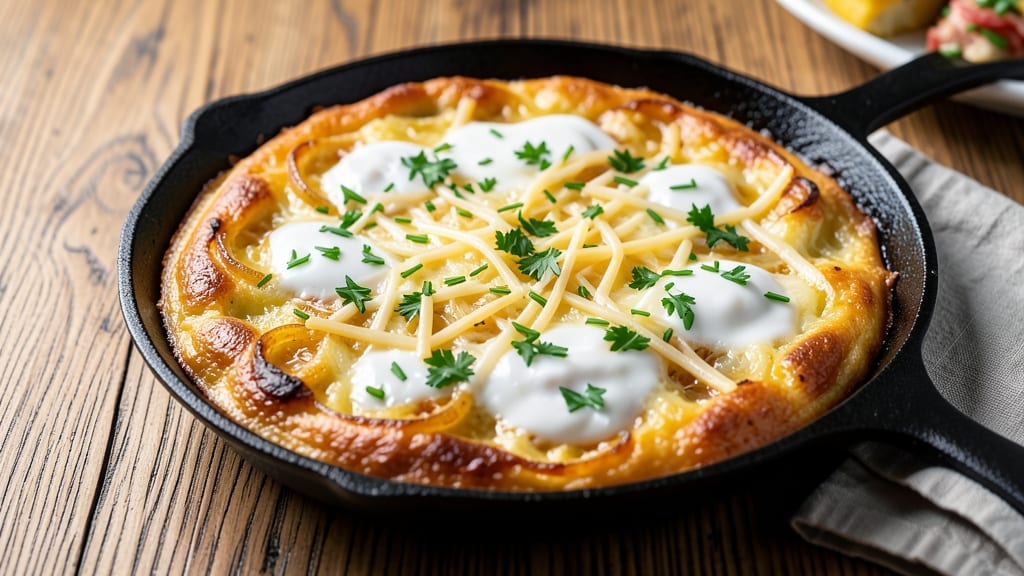
A 5-egg frittata transforms simple ingredients into a restaurant-worthy breakfast with layers of creamy eggs, melted cheese, and fragrant herbs—all cooked in one pan.
The secret lies in the technique: sautéing vegetables first, then pouring the egg mixture over melted cheese and herbs before finishing under the broiler for a golden crust. This method delivers a dish that's both elegant and effortless, perfect for weekdays or weekend brunches.
What sets this recipe apart is its versatility—it works equally well on the stovetop or in the oven, and you can customize it with whatever vegetables or cheeses you have on hand.
The result is a cloud-like texture with a crispy top, where every bite combines tender eggs, gooey cheese, and vibrant herbs. It's the kind of dish that makes breakfast feel like a special occasion without requiring extra effort.
By the time you're done, you'll have a frittata that's rich, satisfying, and packed with flavor—ideal for serving with a fresh salad or crusty bread. The best part? Leftovers reheat beautifully, making it a great meal-prep option for busy mornings. Ready to master this one-pan wonder?
Whether you're feeding a crowd or just treating yourself, this frittata delivers restaurant-quality results with minimal cleanup. The technique is foolproof, and the possibilities are endless—herbs, cheese, or vegetables can all be swapped to suit your taste. Let's get cooking!
Ingredients for 5 egg frittata
Five eggs, two cheeses, and herbs you already have. Restaurant-style breakfast in one pan.
| Ingredient | Amount | Notes |
|---|---|---|
| Large Eggs 🥚 | 5 whole | Room temperature for even cooking |
| Shredded Sharp Cheddar Cheese 🧀 | 1 ½ cups | Freshly grated from block preferred |
| Heavy Whipping Cream 🥛 | ¼ cup | Full-fat for best texture |
| Fresh Chives 🌿 | ¼ cup | Finely chopped, mild flavor |
| Fresh Parsley 🌿 | ¼ cup | Curly or flat-leaf variety |
| Yellow Onion 🧅 | 1 whole | Thinly sliced, yellow or white |
| Red Bell Pepper 🍅 | ½ cup | Diced, any color bell pepper |
| Butter 🧈 | 2 tbsp | Unsalted, for sautéing |
| Diamond Crystal Kosher Salt 🧂 | ½ tsp | Fine grain preferred |
| Freshly Ground Black Pepper 🌶️ | ¼ tsp | Coarsely cracked preferred |
| Extra-Virgin Olive Oil 🫒 | 1 tbsp | For brushing final crust |
The cheese is where the magic happens—sharp cheddar melts perfectly, but Monterey Jack or Gruyère work too. Grab a block from the deli counter (pre-shredded gets clumpy) and grate it yourself. The heavy cream adds that luxurious texture, but half-and-half cuts costs without sacrificing richness. Herbs? Fresh is ideal, but if you're using dried, cut the amount to one-third—chives and parsley pair beautifully, but Italian seasoning works in a pinch. For the veggies, bell peppers and onions are classic, but zucchini or spinach would be delicious too.
No sharp cheddar? Pepper jack or mozzarella both melt beautifully. Fresh herbs wilt fast—wrap them in damp paper towels and store in the fridge. The butter is non-negotiable for sautéing (olive oil works but lacks flavor), but if you're watching fat, cooking spray saves about 100 calories. The eggs should be room temperature—cold eggs won't blend as smoothly. Pro tip: beat them in a blender for ultra-silky texture. And if you're short on time, pre-chopped frozen veggies work perfectly—just thaw and drain first.
This reheats like a dream—microwave 30 seconds or warm in the oven at 350°F for 10 minutes. Store leftovers covered in the fridge for 4 days, or freeze portions for 2 months. I like to portion mine into individual containers so I can grab and go. The best part? Double the recipe—it's perfect for meal prep. And if you're serving it immediately, brush the top with olive oil and broil for 2-3 minutes for that golden crust everyone loves.
Why You'll Love This Recipe
- One-Pan Magic: I swear by this—just eggs, cheese, and a splash of cream in one skillet. No fancy gadgets, no extra dishes, and zero stress. The cream makes it silky, but the cheddar keeps it sturdy enough to slice.
- Creamy Sharp Bite: That first forkful of melted cheddar cutting through the fluffy egg? Chef’s kiss. The chives and parsley add a fresh finish that makes it taste like it belongs on a brunch menu, not just a weeknight plate.
- Meal Prep MVP: Slice it up, store it in the fridge, and reheat portions for days. Honestly, I make two and freeze half—perfect for lazy mornings or a quick lunch when I’m running late. The texture holds up better than scrambled eggs, too.
- Budget Breakfast Boost: Five eggs stretch further than you’d think, especially with the cream and cheese. I’ll be real: it’s cheaper than takeout, and the leftovers feed me for three solid lunches. Plus, sharp chedddar makes everything feel special without costing a fortune.
Step-by-step instructions for layered cheese and herb frittata
This frittata comes together with minimal effort but maximum flavor—just follow these simple steps.
Sauté the Vegetables Until Tender
Heat a 10-inch oven-safe skillet over medium heat. Add the 2 tablespoons butter and let it melt completely, coating the pan evenly. Toss in the thinly sliced yellow onion and diced red bell pepper, spreading them out in an even layer. Cook for 5-6 minutes until the onions turn translucent and the peppers soften slightly, releasing their natural sweetness.
Here's the thing—don't overcrowd the pan. If your vegetables feel packed, work in batches to prevent steaming instead of sautéing. You want them to develop a gentle caramelization, not just steam. Once they're tender but still vibrant, remove the skillet from heat and let the vegetables cool for 2 minutes. This prevents the eggs from scrambling too quickly when you add them.
Whisk the Egg Mixture to Perfection
In a large bowl, crack the 5 whole large eggs and add the 0.25 cup heavy whipping cream. Whisk vigorously for 30 seconds until the yolks and whites fully combine. Sprinkle in the 0.5 teaspoon kosher salt and 0.25 teaspoon freshly ground black pepper, then whisk again for another 10 seconds until evenly distributed. The mixture should look smooth and pale yellow.
Now, fold in 1 cup of the shredded sharp cheddar cheese (reserve the remaining 0.5 cup for topping). Gently stir in the 0.25 cup finely chopped fresh chives and 0.25 cup chopped fresh parsley. The herbs should be evenly distributed, but don't overmix—just enough to incorporate. This step ensures every bite has that bright, herby freshness we're after.
Layer and Pour the Egg Mixture
Return the skillet to medium-low heat and pour the egg mixture evenly over the sautéed vegetables. Use a spatula to gently spread the eggs to the edges of the pan, creating an even layer. Sprinkle the remaining 0.5 cup shredded sharp cheddar cheese evenly over the top. The cheese will melt into a golden, bubbly crust as it cooks.
Let the frittata cook undisturbed for 5-6 minutes until the edges begin to set and the top shows a few small bubbles. This is where patience pays off—resist the urge to stir or peek. The gentle heat allows the eggs to cook slowly and evenly, creating that signature frittata texture. You'll see the edges pull away from the pan slightly, and the center will still look slightly custardy.
Broil for a Golden, Crispy Top
Transfer the skillet to the broiler (preheated to high) and broil for 3-5 minutes until the top is deep golden brown and the cheese has melted into a bubbly, crispy layer. Keep a close eye on it—broilers can vary, and you don't want to burn the top. The frittata is done when the edges are crispy and the center is just set but still slightly jiggly.
Here's a pro tip: If your broiler runs hot, you might need to broil for just 2-3 minutes to avoid overcooking. The moment the top looks beautifully golden and the cheese has turned a rich amber color, it's ready. Remove from the broiler and let it rest for 2-3 minutes before serving. This resting time helps the frittata hold together when you slice it.
Brush with Olive Oil and Serve Warm
Drizzle the 1 tablespoon extra-virgin olive oil evenly over the top of the frittata. Use a pastry brush to spread it lightly, creating a glossy finish that adds richness and helps prevent drying. Let it sit for 1 minute to absorb slightly, then slice into 5 equal wedges (one for each serving). The oil enhances the cheesy, herby flavors and gives that final touch of elegance.
Serve immediately while still warm. Each slice should have a crispy, golden crust on top, creamy cheese throughout, and tender sautéed vegetables peeking through. The herbs add a fresh contrast to the rich eggs and sharp cheddar, making every bite balanced and delicious. Pair with a simple arugula salad or crusty bread to round out the meal.
Pro Tips For Making 5 Egg Frittata
- CRANK THE HEAT HIGH: Start your frittata over medium-high heat—no, really, push it to high. I used to play it safe with medium, and my eggs always ended up rubbery in the middle. A screaming-hot pan for the first 2 minutes builds that golden crust before you lower the heat to let it set. (Yes, even if you're impatient like me.)
- SALT THE CREAM FIRST: Season the heavy whipping cream with a pinch of salt before mixing it into the eggs. I learned this after tasting a frittata where the cream just tasted bland—like someone forgot to season the milk. A tiny pinch at this stage makes a real difference, especially when you're drowning the eggs in it.
- DON’T STIR THE EGGS: Once the eggs are in the pan, resist the urge to stir them. Let them sit for 30 seconds to start setting, then gently lift the edges with a spatula to let the uncooked egg flow underneath. Stirring too soon just breaks up the texture and makes your frittata look like scrambled eggs had a bad day.
- GRATE THE CHEESE FINE: Skip the pre-shredded cheese—it’s coated with anti-caking agents that make it clump and release moisture, turning your frittata into a soggy mess. Use a box grater for sharp cheddar and add it in the last 2 minutes of cooking. (Pro move: Sprinkle half on top for that melty, gooey finish.)
Dietary considerations for this 5 egg frittata
Gluten-Free Adaptations
This frittata is naturally gluten-free since it relies on eggs, cheese, and vegetables—no flour or grain-based ingredients. The key is using gluten-free cheese (check labels for additives) and ensuring your butter or cooking spray is certified gluten-free.
I always double-check my Diamond Crystal kosher salt and black pepper for cross-contamination warnings, though most brands are safe. For extra security, use a dedicated gluten-free skillet or cast iron pan. 🌾
Dairy-Free Options
Swap the sharp cheddar for nutritional yeast (¼ cup) or dairy-free cheese shreds like Violife or Daiya. The heavy cream can be replaced with full-fat coconut milk (¼ cup) for richness, though the texture will be slightly lighter.
For binding, add 1 tablespoon arrowroot powder to the egg mixture. I’ve found that cashew cream (blended soaked cashews) works well too—just whisk it into the eggs for a velvety consistency. 🥥
Low-Carb/Keto
This frittata is already low-carb with only 3g net carbs per serving (without veggies). To keep it keto-friendly, skip starchy vegetables like potatoes and opt for zucchini, spinach, or mushrooms instead. Use full-fat cheese (like cheddar) and butter for cooking to maximize fat content.
For extra protein, add crumbled bacon or sausage (cooked separately). I like topping mine with avocado slices for healthy fats and creaminess. 🥑
Vegan Substitutes
Transform this into a vegan frittata using tofu scramble (1 block firm tofu, blended with 2 tbsp nutritional yeast, turmeric, and black salt for an eggy flavor). Replace cheese with vegan shreds or cashew cheese.
For binding, add 1 tbsp flaxseed meal + 3 tbsp water to the tofu mixture. Sauté veggies as directed, then pour the tofu blend over them. Broil for 4-5 minutes until golden. I’ve had great results with King Soba vegan cheese for a melty texture. 🌱
Nut-Free Safety
All listed ingredients are naturally nut-free, but always verify labels on cheese and butter for cross-contamination warnings. If using cashew cream or nutritional yeast, ensure they’re processed in a nut-free facility.
For extra caution, prepare the frittata on a clean surface and use dedicated utensils. I keep a separate olive oil bottle for nut-free cooking to avoid accidental exposure. 🛡️
Nutrition facts
Frequently asked questions
Can I make this frittata without a broiler?
If you don't have a broiler, finish the frittata on the stovetop. After the eggs set for 5-6 minutes, cover the skillet and cook on low heat for another 4-5 minutes until the center is just set. For extra browning, transfer to a 400°F oven for 3-4 minutes until golden. The key is patience—let it cook slowly to avoid a rubbery texture.
How do I prevent the frittata from sticking to the pan?
Use a 10-inch oven-safe skillet and heat it properly before adding butter. Let the butter melt completely and coat the pan evenly. For extra insurance, add 1 tablespoon olive oil after sautéing the veggies. Also, make sure your pan is well-seasoned if using cast iron. Never stir the eggs while they're cooking—let them set undisturbed for the first 5 minutes.
Can I make this frittata ahead of time?
Yes! This frittata reheats beautifully. Assemble it as directed, then refrigerate for up to 4 days or freeze for 2 months. To reheat, microwave for 30-45 seconds or warm in a 350°F oven for 10-12 minutes. For best results, slice it before reheating so each portion warms evenly. The texture stays creamy when reheated gently.
What's the best way to slice a frittata?
Let the frittata rest for 2-3 minutes after cooking to firm up slightly. Use a sharp chef's knife or pizza cutter and slice into 5 equal wedges (one per serving). For cleaner cuts, dip the knife in hot water and wipe dry between slices. If the frittata is still too soft, chill in the fridge for 10 minutes before slicing.
Can I use frozen vegetables in this recipe?
Thaw and drain frozen vegetables first, then pat dry with a paper towel. They work perfectly in this recipe—just be mindful of excess moisture. I recommend using frozen bell peppers or onions as they hold up well. For extra flavor, sauté them for 2-3 minutes longer than fresh to remove any ice crystals.