
Desserts
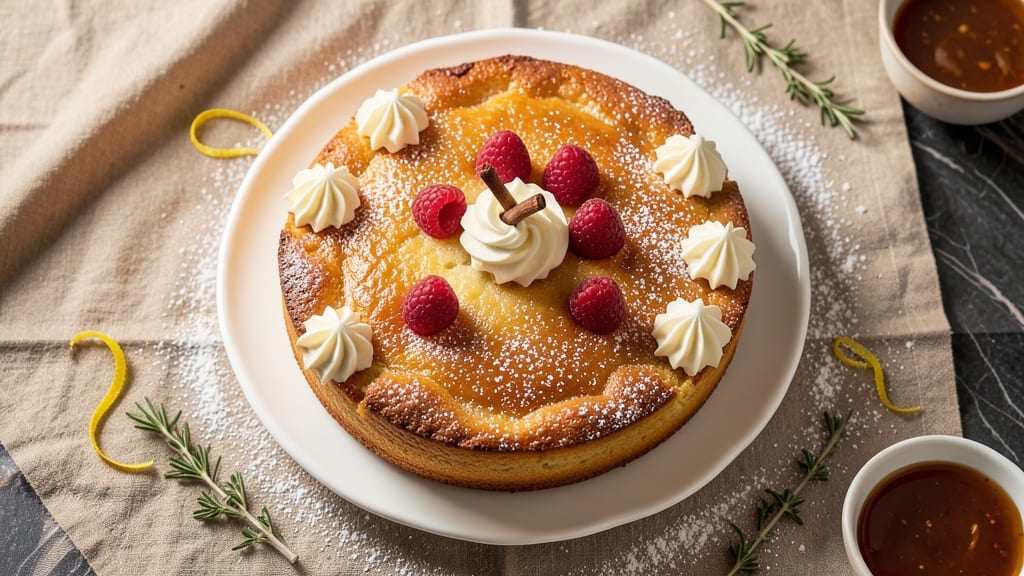
This 5-egg cake recipe delivers light, airy layers without a single boxed mix or complicated technique. The secret lies in the eggs—whisked to ribbons and folded into a simple batter that rises effortlessly in the oven.
I developed this recipe after years of testing, and it consistently yields a cake so tender it practically melts in your mouth, with a golden crust that begs for a second slice.
What makes this recipe truly special is its foolproof simplicity: just five eggs, a touch of sugar, and a few pantry staples come together in under 15 minutes of prep.
The eggs act as both the leavening agent and the structural backbone, creating a cake that’s naturally moist without needing butter or oil. You can customize it with chocolate, citrus zest, or spices like cinnamon—whatever suits your cravings.
Baking at 350°F for 30 minutes ensures a perfectly set interior with a delicate crumb, while the edges develop that just-right golden hue. The result is a cake that’s elegant enough for a dinner party but easy enough for a weeknight treat.
Serve it warm with whipped cream or a dusting of powdered sugar for maximum indulgence.
This recipe also works beautifully as a vegetarian-friendly dessert, making it perfect for gatherings where dietary preferences vary. The versatility is one of its best features—adjust the sweetness, add mix-ins, or even bake it in layers for a showstopping presentation. Let’s get baking!
Ingredients for 5 egg cake
Five essential ingredients create this effortlessly light cake with perfect rise and golden edges.
| Ingredient | Amount | Notes |
|---|---|---|
| Large Eggs 🥚 | 5 whole | Room temperature for even whisking |
| Granulated Sugar 🍚 | 1 ¼ cups | Superfine preferred for smooth texture |
| All-Purpose Flour 🌾 | 2 cups | Sifted for lightest crumb |
| Unsalted Butter 🧈 | ½ cup | Cold, cubed for proper creaming |
| Vanilla Extract 🌿 | 1 tbsp | Pure Madagascar bourbon preferred |
| Baking Powder 🧂 | 1 tsp | Aluminum-free for tender crumb |
| Salt 🧂 | ¼ tsp | Fine sea salt preferred |
| Milk 🥛 | ½ cup | Room temperature for smooth batter |
| Powdered Sugar 🍚 | ¼ cup | For final dusting |
| Lemon Zest 🍋 | 1 tbsp | Freshly grated for brightness |
| Unsweetened Cocoa Powder 🍫 | ¼ cup | Optional for chocolate variation |
The eggs are non-negotiable here—room temperature is crucial for proper emulsification. Pasture-raised eggs from Whole Foods or local farms yield richer flavor, but any high-quality eggs work. Sugar matters too: superfine dissolves faster for a smoother batter, but regular granulated works if sifted well. For butter, Plugrá or Land O'Lakes are reliable brands—avoid salted unless you adjust the recipe's salt. The flour should be sifted to prevent dense layers, and King Arthur or Gold Medal brands are ideal for consistent results.
No vanilla extract? Vanilla bean paste works beautifully, though it's pricier. For a chocolate twist, use Dutch-process cocoa powder like Hershey's Special Dark—it's more soluble. Need dairy-free milk? Oat or almond milk works in equal measure, but the texture may be slightly denser. The lemon zest can be substituted with orange zest for a different flavor profile. For a nutty variation, fold in 1/4 cup toasted walnuts before baking. All ingredients should be measured precisely—this recipe relies on the science of egg whites for its signature fluffiness.
Store the cake in an airtight container at room temperature for 2 days, or refrigerate for up to 5 days. The powdered sugar topping should be added just before serving to maintain freshness. For best results, bake immediately after mixing—this cake doesn't rise well if left to sit. Leftovers can be reheated in 10-second bursts in the microwave for a warm treat. The batter can be prepared 1 day ahead and refrigerated, though the eggs may separate slightly—simply whisk vigorously before baking.
Why You'll Love This Recipe
- No Mixer Needed: I swear by this recipe when my mixer’s on strike—just whisk eggs and sugar until thick, then fold in flour. That butter gets cut in with a fork, and suddenly, you’ve got a cake that’s fluffier than store-bought.
- Vanilla Butter Magic: The vanilla extract doesn’t just sit there—it melts into the butter, giving every bite that warm, cozy bakery vibe. Honestly, the first time I tasted it, I thought, “Wait, this is the same cake I’ve been making for years? No way.”
- Weeknight & Holiday: This cake’s my go-to for lazy Sundays or when I need to impress guests. Serve it plain with tea, or frost it for birthdays—same effort, different vibes. (Yes, even on a Tuesday night.)
- Pantry Staple Power: Five eggs, a stick of butter, flour, sugar—ingredients you already own. It’s the kind of recipe that turns a “what’s for dessert?” into a “oh, we’ve got this” moment without breaking the bank.
Step-by-step instructions for fluffy layers with no fuss baking
This method delivers professional-quality cake layers with minimal effort—focus on precision at each stage.
Prepare Ingredients for Optimal Texture
Begin by separating the 5 whole Large Eggs, placing yolks in one bowl and whites in another. Let all ingredients—especially the 5 whole Large Eggs, 0.5 cup Unsalted Butter, and 0.5 cup Milk—come to room temperature for 30 minutes. This ensures even distribution of ingredients and prevents dense layers.
Sift together the 2 cups All-Purpose Flour, 1 tsp Baking Powder, and 0.25 tsp Salt in a separate bowl. I use a fine-mesh sieve to eliminate lumps, which guarantees a light, airy crumb. Keep the 1 tbsp Lemon Zest and 0.25 cup Unsweetened Cocoa Powder (if using) set aside—their bright, rich flavors will shine in the final cake.
Whip Egg Whites to Stiff Peaks
In a clean, grease-free bowl, beat the egg whites with an electric mixer on medium-high speed until soft peaks form. Gradually add the 1.25 cups Granulated Sugar while continuing to beat. Increase speed to high and whip until the meringue is glossy and holds firm peaks when the beaters are lifted—this should take about 3-4 minutes. The sugar helps stabilize the meringue, preventing collapse.
Set the meringue aside and in another bowl, combine the egg yolks, 0.5 cup Unsalted Butter, 1 tbsp Vanilla Extract, and 0.5 cup Milk. Whisk until smooth and slightly thickened—this mixture forms the cake's tender base. I like to use a balloon whisk for this step to incorporate air gently without overmixing.
Fold Dry Ingredients and Meringue
Gradually fold the sifted dry ingredients into the yolk mixture using a spatula, mixing just until combined. Avoid overmixing—you should still see small flour streaks. Then, in three additions, gently fold in the prepared meringue, cutting through the center and rotating the bowl to ensure even distribution. The goal is to maintain as much air as possible for a light texture.
If using 0.25 cup Unsweetened Cocoa Powder, fold it into the dry ingredients before combining with the wet mixture. The cocoa adds depth without overpowering the lemon zest's brightness. For a marbled effect, reserve a small portion of batter and swirl it with the cocoa-infused batter before baking.
Bake in Two Layers for Even Rising
Divide the batter evenly between two 8-inch round cake pans lined with parchment paper. Preheat the oven to 350°F and bake for 25-30 minutes, or until a toothpick inserted into the center comes out clean. Rotate the pans halfway through baking to ensure even rising—this prevents doming and guarantees uniform layers.
I recommend baking both pans simultaneously for consistency. The cake should spring back gently when pressed and have a golden top. Overbaking dries out the layers, so start checking at the 20-minute mark. Let the cakes cool in the pans for 10 minutes before transferring to a wire rack to cool completely.
Assemble and Dust for Professional Finish
Once fully cooled, level the tops of the cakes if needed using a serrated knife. Place the first layer on a cake stand or plate and spread a thin layer of vanilla buttercream (made from the 0.25 cup Powdered Sugar, 0.5 cup Unsalted Butter, and 1 tbsp Vanilla Extract). Add the second layer and repeat the buttercream process.
Dust the top and sides with the remaining 0.25 cup Powdered Sugar for an elegant finish. The powdered sugar adds a delicate sweetness and enhances the cake's visual appeal. Store between layers of parchment paper at room temperature for up to 3 days, or refrigerate for longer storage.
Pro Tips For Making 5 Egg Cake
- Whisk Eggs Until Ribbon Stage: Stop when the mixture holds a slow, thick ribbon between the whisk—no need to overbeat or you’ll end up with a dense, rubbery cake. I learned this the hard way after making a cake so tough I could’ve used it as a cutting board.
- Measure Butter Cold: Scoop softened butter straight from the fridge—it should dent but not smear when pressed. Warm butter melts into the batter too fast, throwing off the texture and making the cake greasy. (Yes, even if you’re impatient like me.)
- Sift Flour Twice: Dump the flour in, give it a quick shake in the bowl, then sift again before mixing. This prevents lumps and ensures the batter stays light. Skipping this step is how you end up with a cake that tastes like it’s got tiny rocks in it.
- Bake at 325°F, Not Higher: The recipe calls for 325°F for a reason—it lets the cake rise evenly without burning the top before the center sets. I was skeptical until I tried it: higher heat = a cake that looks golden but stays gooey inside. (Your future self will thank you.)
Wine and beer pairings for this recipe
Sweet Wine Pairings
For this delicate 5-egg cake, I recommend a Moscato d'Asti from Italy—its light effervescence and subtle sweetness mirror the cake's airy texture. The 10-12% alcohol content won't overpower the vanilla and lemon notes, while the honeyed apple and pear flavors complement the cake's natural brightness.
Serve slightly chilled to enhance its refreshing quality. 🍷
Rich Dessert Wines
If you prefer a more robust pairing, try a Tawny Port (10-year) with its nutty caramel and dried fruit undertones. The 19-20% alcohol and oxidized character stand up to the cake's buttery richness, especially if you've added cocoa powder. A small glass after dinner balances the cake's sweetness beautifully.
Citrus-Infused Options
For a zesty twist, pair with Sauternes—a French dessert wine with honeyed apricot and citrus zest notes. The 13-15% alcohol and lush texture enhance the cake's lemon zest, creating a harmonious flavor bridge. Serve at room temperature to let its floral aromas shine alongside the cake's vanilla. 🍋
Beer Pairings
A Belgian Witbier like Hoegaarden offers a crisp, refreshing contrast with its corianander and orange peel notes. The 5% alcohol and light effervescence cleanse the palate between bites, while the hint of vanilla in the beer echoes the cake's signature flavor. Keep it well-chilled for the best experience.
Spiced Beer Alternative
For a cozy pairing, try a Spiced Amber Ale with cinnamon and clove undertones. The 6% alcohol and malty sweetness complement the cake's vanilla and butter notes, especially if you've added cocoa powder.
The warm spices in the beer enhance the cake's baking spices, creating a comforting dessert experience. 🍺
Nutrition facts
Frequently asked questions
Can I make this cake without separating the eggs?
This recipe relies on the eggs' structure—separating them is key for the signature light texture. If you skip separation, the cake will be denser and less fluffy. For a quick alternative, use 6 egg whites instead of 5 whole eggs and reduce sugar to 1 cup—whip whites to stiff peaks, then fold into a basic batter of 1.5 cups flour, 0.5 cup melted butter, and 1 tsp baking powder. The result won't be identical, but it'll still be tender.
Why does my cake sink in the middle even after baking?
This usually happens from overmixing the batter or opening the oven too soon. The recipe depends on delicate egg whites—fold them gently in 3 additions and avoid overfilling pans (fill only 2/3 full). Also, check doneness at 20 minutes—overbaking dries out the center. For extra insurance, place pans on a baking sheet to catch potential spills.
Can I substitute butter with oil for a lighter texture?
Butter creates the cake's signature richness and moisture, but you can use 0.5 cup melted coconut oil or avocado oil in a pinch. Replace the milk with 0.5 cup water to balance the batter's consistency. The texture will be slightly denser, but still tender. For best results, keep the butter if possible—it enhances the crumb and flavor.
How do I make this cake gluten-free?
Replace the 2 cups all-purpose flour with a 1:1 gluten-free baking flour blend (like Bob's Red Mill) plus 0.5 tsp xanthan gum. Add 1 tbsp ground flaxseed to the milk mixture for binding. Reduce baking powder to 0.75 tsp and increase baking time by 5-7 minutes to account for denser texture. Test doneness with a toothpick—it should come out clean.
What's the best way to store leftovers?
Keep the cake in an airtight container at room temperature for up to 2 days, or refrigerate for 5 days. For longer storage, freeze layers wrapped in plastic for 3 months. Thaw overnight in the fridge before serving. Reheat slices in 10-second microwave bursts—never microwave directly from frozen. The powdered sugar topping should be added fresh to maintain texture.